a6 portable diary
CN → US| HS Code | Tariff Rate | Origin | Destination | Doc |
|---|---|---|---|---|
| 4820102010 | 35.0% | CN | US | Official Doc |
| 4820102010 | 35.0% | CN | US | Official Doc |
| 3926904800 | 13.4% | CN | US | Official Doc |
| 4202322000 | 55.0% | CN | US | Official Doc |
| 4820102060 | 35.0% | CN | US | Official Doc |
Product Images
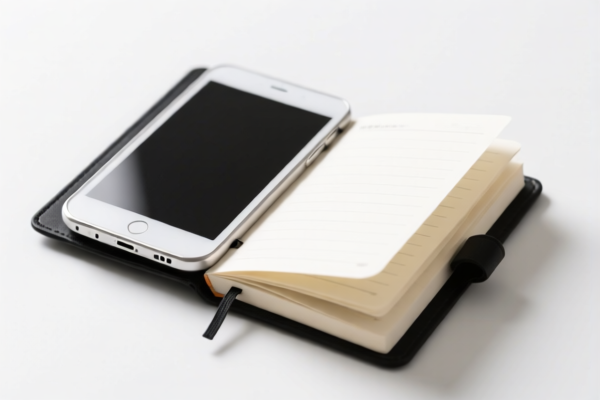
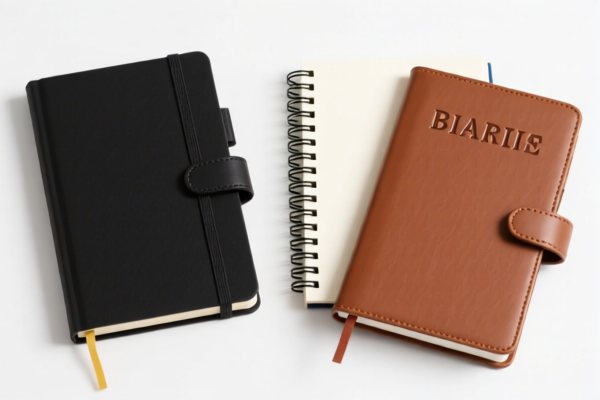
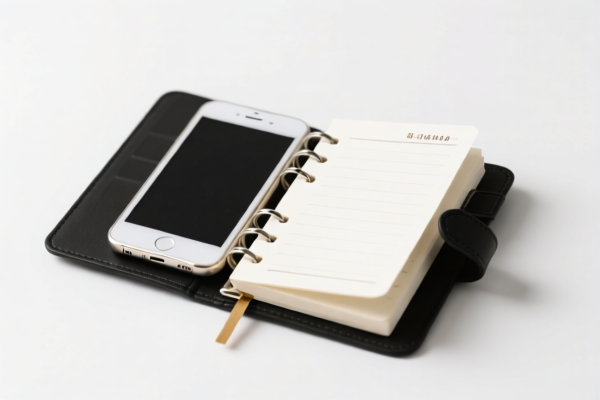
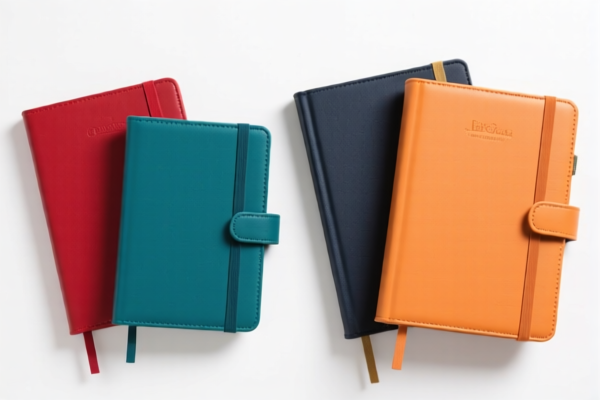
AI Analysis
📔 A6 Portable Diary (Journal / Notebook)
🌐 HS Code Reference & Customs Clearance Guide | 2026 Latest Tariff Analysis | Professional通关 Strategy for US Imports
📌 1. Product Definition & Classification: What Exactly is an "A6 Portable Diary"?
An A6 Portable Diary is a small-format (105 x 148 mm) stationery item designed for writing, journaling, or note-taking. In international trade, the classification depends heavily on material composition and physical structure. It is generally categorized under two main branches: * Paper-based Diaries (HS 4820): The core product is paper, bound together. This is the most common classification for standard stationery. * Covered/Container Diaries (HS 3926/4202): If the diary is primarily considered a "plastic article" or a "bag/container" (e.g., a diary with a thick plastic cover, zippered closure, or inserted into a sleeve), it may fall under plastics or leather/fabric goods.
⚠️ Key Distinction Point:
- If the diary is mostly paper with a simple cover → Chapter 48 (Paper Goods)
- If the diary is primarily plastic (e.g., a hard plastic case holding paper) → Chapter 39 (Plastics)
- If the diary is a portable container (e.g., a small leather/plastic pouch holding a notebook) → Chapter 42 (Leather/Fabric Goods)
📦 2. HS Code Classification Details (2026 Latest Tariff Authority)
Based on the provided data, here are the potential HS Codes and their rationales:
| HS Code | Product Description | Applicability Scenario | Tax Rate (Total) |
|---|---|---|---|
4820.10.20.10 |
Diaries, Notebooks, and Letter Pads (Paper-based) | Standard diary, A6 size, paper pages, bound. Matches "Diary" definition perfectly. | 35.0% |
4820.10.20.60 |
Diaries, Notebooks, and Letter Pads (Paper-based) | Portable paper diary, A6 format. No material conflict. Classic journal entry. | 35.0% |
3926.90.48.00 |
Other Articles of Plastics | Diaries with plastic covers or made primarily of plastic materials. Inferred as plastic-based. | 13.4% |
4202.32.20.00 |
Articles of Apparel Accessories (Portable Containers) | Portable diary case/sleeve or diary treated as a pocket/handbag accessory. Inferred as container type. | 55.0% |
🔍 Critical Insight:
-4820codes (35% total tax) are the standard for paper diaries. They benefit from 0% base tariff but face heavy USITC 25% + IEEPA 10% surcharges. -3926code (13.4% total tax) applies if the item is classified as a plastic article. It has a 3.4% base tariff but only 10% IEEPA surcharge (no 25% USITC). -4202code (55% total tax) is the highest risk category. It treats the diary as a bag/accessory, incurring 20% base + 25% USITC + 10% IEEPA.
💰 3. 2026 Latest Tariff Rate Details (Including Surcharges & Policy Add-ons)
✅ Applicable Country: United States (US)
✅ Origin: China (CN)
✅ Effective Date: From November 10, 2025 (for subsequent imports)
🎯 1. 4820.10.20.10 & 4820.10.20.60 —— Paper Diaries (Most Common)
| Item | Content |
|---|---|
| Base Tariff | 0.0% (ad valorem) |
| USITC Surcharge (Section 301) | +25.0% |
| IEEPA Surcharge (Section 122/EO) | +10.0% |
| Total Tariff Rate | 35.0% |
| Tax Calculation | CIF Value × 35% |
| De Minimis Eligibility | ❌ Not Eligible (Deny De Minimis) |
| Legal Basis Path | IEEPA:9903.01.25 → USITC:4820.10.20.10/60 → FOOTNOTE:9903.88.01 |
📌 Explanation:
- The 0% base rate makes these look cheap, but the 35% total rate is significant. - The 25% USITC tariff is mandatory for Chinese-origin paper goods. - The 10% IEEPA tariff applies to all Chinese goods listed in the specific executive orders. - No de minimis exemption (Section 321) applies to these codes from China, meaning all shipments are taxed, even small ones.
🎯 2. 3926.90.48.00 —— Plastic Diary / Cover
| Item | Content |
|---|---|
| Base Tariff | 3.4% |
| USITC Surcharge | 0.0% (Not subject to Section 301 for this specific subheading) |
| IEEPA Surcharge | +10.0% |
| Total Tariff Rate | 13.4% |
| Tax Calculation | CIF Value × 13.4% |
| De Minimis Eligibility | ❌ Not Eligible |
| Legal Basis Path | IEEPA:9903.01.24 → USITC:3926.90.48.00 |
📌 Important Note:
- This is a cost-saving strategy if the diary can be legally classified as a plastic article rather than a paper good. - 3.4% base + 10% IEEPA = 13.4%, significantly lower than 35%. - However, misclassification is a high risk. The product must genuinely be a "plastic article" (e.g., a molded plastic case with paper inserts) to qualify.
🎯 3. 4202.32.20.00 —— Portable Diary Case / Accessory
| Item | Content |
|---|---|
| Base Tariff | 20.0% |
| USITC Surcharge | +25.0% |
| IEEPA Surcharge | +10.0% |
| Total Tariff Rate | 55.0% |
| Tax Calculation | CIF Value × 55.0% |
| De Minimis Eligibility | ❌ Not Eligible |
| Legal Basis Path | IEEPA:9903.01.25 → USITC:4202.32.20.00 |
📌 Warning:
- This is the most expensive classification. - Only use this if the product is not a diary but a diary holder, sleeve, or pocket organizer. - If you import actual diaries under this code, you risk heavy penalties, back taxes, and cargo delays.
🛠️ 4. Customs Clearance Practical Advice (Avoiding Pitfalls)
✅ 1. Documentation Checklist (Non-Negotiable)
| Document | Required | Description |
|---|---|---|
| ✅ Product Specifications | ✔️ | Dimensions (A6: 105x148mm), number of pages, paper weight (GSM). |
| ✅ Material Composition | ✔️ | Critical for HS Code choice. Is it 90% paper? Or 50% plastic? |
| ✅ Product Photos | ✔️ | Clear images showing the cover material, binding type, and closure. |
| ✅ Commercial Invoice | ✔️ | Must clearly state "A6 Diary" or "Plastic Journal," not vague terms like "Stationery." |
| ✅ Packing List | ✔️ | Detailed breakdown of items. |
| ✅ Origin Certificate | ✔️ | Proof of Chinese origin (triggers tariffs). |
✅ 2. Declaration Strategy (Key Mantra)
🔥 "Paper is 4820 (35%), Plastic is 3926 (13.4%), Bag is 4202 (55%). Choose wisely!"
| Scenario | Correct Declaration | Wrong Approach |
|---|---|---|
| Standard Diary (Paper pages, paper/card cover) | 4820.10.20.10 or 4820.10.20.60 |
Declaring as 3926 → Misclassification Risk |
| Plastic Diary (Hard plastic case, minimal paper) | 3926.90.48.00 |
Declaring as 4820 → Higher Tax (35% vs 13.4%) |
| Diary Sleeve/Case (No pages, just a holder) | 4202.32.20.00 |
Declaring as 4820 → Underpayment Risk |
| Diary with Plastic Cover (Standard diary with plastic laminate) | Stick to 4820 |
Attempting 3926 → High Audit Risk |
✅ 3. Special Handling Tips
| Situation | Recommendation |
|---|---|
| Mixed Shipments | If you ship both plastic organizers and paper diaries, separate them. Do not bundle under one HS Code. |
| New Product Line | If your diary has a unique plastic feature (e.g., waterproof plastic shell), consider 3926 for tax savings, but consult a customs broker first. |
| Low-Value Samples | Remember: No De Minimis for China. Even a $10 diary incurs $3.50 tax. Plan for landed cost. |
| Brand Name | Ensure the brand is clearly stated. Generic "Diary" is safer for classification than branded "Premium Journal" which might attract scrutiny. |
🌍 5. Global Market Comparison (2026 Latest)
| Country/Region | Recommended HS Code | Tariff (China Origin) | Certification Requirements | Notes |
|---|---|---|---|---|
| 🇺🇸 USA | 4820.10.20.10 |
35% (0% base + 25% + 10%) | None specific | High tax, no de minimis. |
| 🇨🇳 China | 4820.10.20.10 |
13% (VAT + Duty) | CCC (if applicable) | Domestic trade. |
| 🇪🇺 EU | 4820.10.20 |
3.0% (Duty) + 20% VAT | CE (if plastic) | No Section 301/IEEPA equivalents. |
| 🇬🇧 UK | 4820.10.20 |
3.0% (Duty) + 20% VAT | UKCA (if plastic) | Post-Brexit rules. |
| 🇦🇺 Australia | 4820.10.20 |
5.0% | None | Lower duty than US. |
📌 Conclusion:
- The USA is the most expensive market for paper diaries due to the 35% total tariff. - Plastic diaries (3926) offer a 21.6% tax savings compared to paper diaries in the US. - No de minimis exemption for China means every shipment pays tax.
📌 6. Common Mistakes & Pitfalls (Lessons Learned)
❌ Mistake 1: Classifying a paper diary as 3926 (Plastic) without justification.
👉 Consequence: Customs audit, back taxes of 21.6% + penalties.
❌ Mistake 2: Thinking 4820 has 0% tax because the base rate is 0%.
👉 Consequence: Unexpected 35% bill at customs. Total rate is what matters!
❌ Mistake 3: Using "Journal" or "Notebook" interchangeably with 4202 (Bag).
👉 Consequence: If it contains paper for writing, it's a diary (4820), not a bag (4202). Misclassification leads to 55% tax risk or rejection.
✅ Correct Approach:
"A6 Diary, 100 Pages, Paper, Bound, with Cardboard Cover, Model XYZ" →
4820.10.20.10(35%)
"A6 Plastic Journal Case, Water-resistant, with Paper Inserts" →3926.90.48.00(13.4%)
🎯 7. Conclusion: Smart Classification, Lower Costs!
🎯 Remember the Mantra:
🔹 "Paper Diary = 35% (4820), Plastic Diary = 13.4% (3926), Bag = 55% (4202). Choose the right code!"
🔹 "No De Minimis for China = Tax Every Shipment!"
🔹 "Total Tariff > Base Tariff!"
📌 Pro Tip:
If your diary has a significant plastic component (e.g., a hard plastic cover, plastic spine, or plastic pages), discuss with your customs broker whether 3926.90.48.00 is applicable. The 21.6% tax savings is substantial. However, ensure the product description and photos support this classification.
📣 Immediate Action:
📞 Consult a licensed customs broker to confirm the material composition vs. HS Code.
📄 Provide detailed product specs and photos.
💰 Factor 35% (or 13.4%) into your landed cost calculation.
🚀 Avoid4202unless you are selling diary sleeves/cases.
✨ Professional Clearance Starts with Accurate Classification!
💼 Your Profit Margin Depends on the Right HS Code!
Customer Reviews
About HS Code Classification
The Harmonized System (HS) is an internationally standardized nomenclature developed by the World Customs Organization (WCO) to classify traded products. Over 200 countries use the HS system as the basis for customs tariffs, trade statistics, and import/export regulations.
Each HS code follows a hierarchical structure:
- Chapter (2 digits) — Broad category of goods (e.g., Chapter 84: Machinery and Mechanical Appliances)
- Heading (4 digits) — More specific grouping within the chapter
- Subheading (6 digits) — Internationally standardized breakdown, used by all WCO member countries
- National subdivisions (8-10 digits) — Country-specific extensions for further classification, such as US HTSUS 10-digit codes
Correct HS code classification is essential for smooth customs clearance, accurate duty payment, and compliance with trade regulations. Misclassification can lead to customs delays, overpayment of duties, or penalties.
When importing from CN to US, the applicable tariff rates may include:
- Most-Favored-Nation (MFN) rate — The standard duty rate applied to WTO members
- General rate — Applied to countries without trade agreements
- Trade remedy duties — Additional tariffs such as Section 301 (anti-dumping), Section 232 (national security), or countervailing duties
The information provided on this page is for reference purposes only. For official classification, please consult with your local customs authority or a licensed customs broker.