abs plastic pipe fitting
CN → US| HS Code | Tariff Rate | Origin | Destination | Doc |
|---|---|---|---|---|
| 3917400030 | 40.3% | CN | US | Official Doc |
| 3917400095 | 40.3% | CN | US | Official Doc |
Product Images
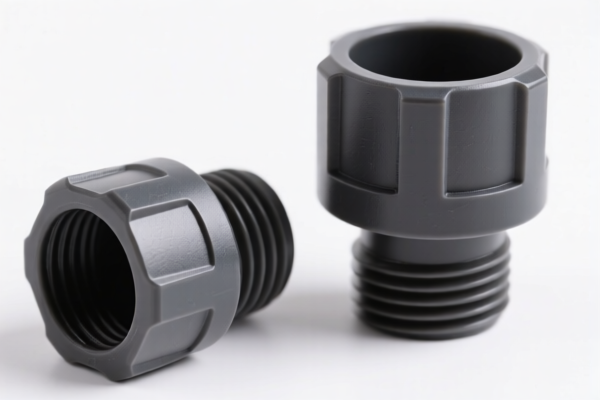
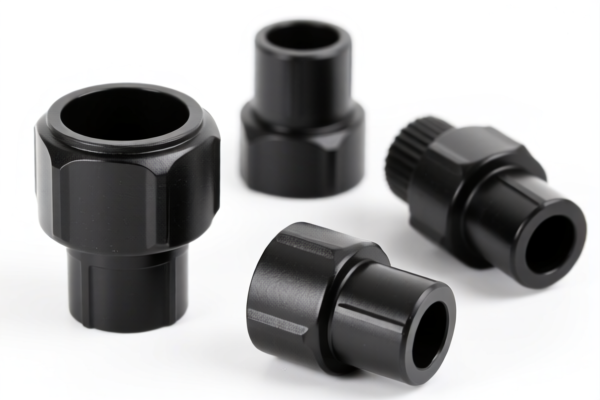
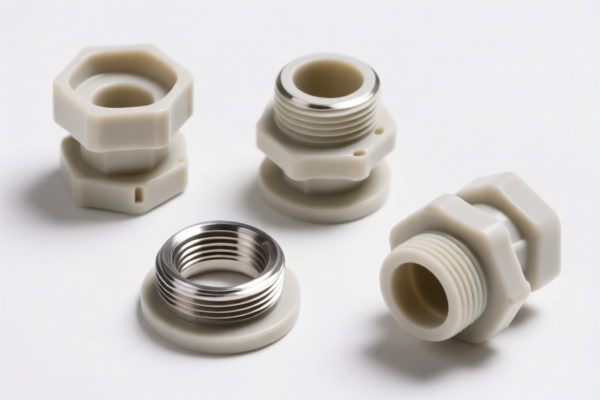
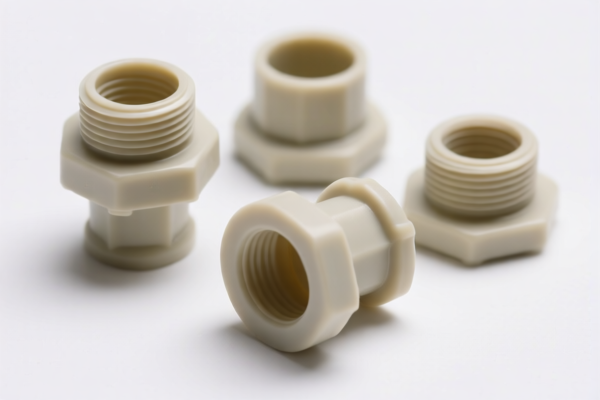
AI Analysis
🔧 ABS Plastic Pipe Fitting
🌐 HS Code Reference & Customs Clearance Guide | 2026 Latest Tariff Analysis | Professional Clearance Strategy
📌 I. Product Definition & Classification: Do You Really Understand “ABS Pipe Fittings”?
ABS (Acrylonitrile Butadiene Styrene) plastic pipe fittings are essential components in plumbing, drainage, and ventilation systems. In international trade, they are primarily categorized by pressure rating and material type. For ABS plastic, the critical distinction lies in whether the fitting is pressure-rated or non-pressure rated (DWV).
Drain, Waste, and Vent (DWV) Fittings: Non-pressure rated fittings used for gravity-fed drainage systems (e.g., sink traps, toilet flanges, vent pipes).
Pressure-Rated Fittings: Fittings designed to withstand internal water pressure (e.g., supply lines).
⚠️ Key Distinction Point:
- If the fitting is ABS plastic and intended for DWV (non-pressure) applications → It falls under 3917.40.00.30.
- If the fitting is ABS plastic but intended for pressure applications, or if it is a different plastic material (like PVC, CPVC, PEX) → It falls under 3917.40.00.95 (Other).
- Most common household ABS fittings (black, rigid, used for drainage) are DWV fittings and should be classified under 3917.40.00.30.
📦 II. HS Code Classification Details (2026 Latest Tariff Authority Comparison)
| HS Code | Product Description | Application Scenario | Pressure Rated? |
|---|---|---|---|
3917.40.00.30 |
Fittings Plumbing fittings, not pressure rated (Drain/Waste/Vent (DWV)): Of acrylonitrile-butadiene-styrene (ABS) | Black ABS drain pipes, toilet elbows, sink traps, vent connectors | ❌ No |
3917.40.00.95 |
Fittings Other | Other plastic fittings (e.g., PVC, CPVC, PEX) OR ABS fittings used for pressure applications (less common) | ✅ Yes or Different Material |
🔍 Key Reminder:
- ABS plastic is typically used for DWV systems due to its impact resistance and chemical stability.
- If your product is ABS and used for drainage, use 3917.40.00.30.
- If you are unsure, check the product specification sheet: Does it state "DWV" or "Non-Pressure"? If yes → 3917.40.00.30.
💰 III. 2026 Latest Tariff Rate Details (Including Additional Taxes)
✅ Applicable Country: United States (US)
✅ Origin: China (CN)
✅ Effective Date: 2025–2026 (Current Trade Policy)
🎯 1. 3917.40.00.30 —— ABS DWV Pipe Fittings
| Item | Content |
|---|---|
| Base Tariff Rate | 0% (ad valorem) |
| USITC Additional Tariff | 0% |
| IEEPA Additional Tariff | 0% |
| Total Tariff Rate | 0% |
| Tax Calculation | CIF Value × 0% = $0 |
| De Minimis Eligibility | ❌ Not Applicable (This code is not subject to de minimis exemption under current policy for this category) |
| Legal Basis Path | HTSUS:3917.40.00.30 |
📌 Explanation:
- Unlike electronics or steel products, plastic pipe fittings (ABS DWV) currently enjoy a 0% total tariff rate under Section 301 and IEEPA measures.
- This makes ABS DWV fittings a low-cost, high-volume import category for US distributors.
- No additional taxes are applied as of 2026.
🎯 2. 3917.40.00.95 —— Other Plastic Pipe Fittings
| Item | Content |
|---|---|
| Base Tariff Rate | 0% |
| USITC Additional Tariff | 0% |
| IEEPA Additional Tariff | 0% |
| Total Tariff Rate | 0% |
| Tax Calculation | CIF Value × 0% = $0 |
| De Minimis Eligibility | ❌ Not Applicable |
| Legal Basis Path | HTSUS:3917.40.00.95 |
📌 Note:
- Even if classified under "Other," the tariff remains 0%.
- However, misclassification can lead to customs audits if the material or pressure rating is disputed.
🛠️ IV. Customs Clearance Practical Advice (Avoid Pitfalls)
✅ 1. Required Documents Checklist
| Document | Required | Notes |
|---|---|---|
| ✅ Commercial Invoice | ✔️ | Must clearly state "ABS Plastic Pipe Fitting" and "DWV (Drain/Waste/Vent)" |
| ✅ Product Specification Sheet | ✔️ | Confirm material (ABS), type (Elbow, Tee, Coupling), and pressure rating (Non-Pressure) |
| ✅ Material Test Report | ✔️ | Proof of ABS material composition (to distinguish from PVC/CPVC) |
| ✅ Packing List | ✔️ | Detail quantity, weight, and dimensions |
| ✅ Certificate of Origin | ✔️ | If claiming preferential treatment under other FTAs (rare for plastics) |
✅ 2. Declaration Tips (Key Mnemonics)
🔥 "ABS Black, DWV No Pressure, Code .30, Zero Tax!"
| Scenario | Correct Declaration | Incorrect Action |
|---|---|---|
| Black ABS fitting for drain pipe | 3917.40.00.30 |
Misdeclare as PVC → Audit Risk |
| White CPVC fitting for hot water | 3917.40.00.95 |
Misdeclare as ABS DWV → Wrong Classification |
| Pressure-rated ABS fitting (rare) | 3917.40.00.95 |
Misdeclare as DWV → Potential Penalty |
| Mixed materials in one shipment | Separate HS Codes | Combined Declaration → Rejection |
✅ 3. Special Cases
| Case | Handling Advice |
|---|---|
| OEM Custom Fittings | Provide design drawings to confirm DWV use |
| ABS + PVC Mixed Shipment | Separate invoices for each HS Code |
| Sample Shipments | Still require proper declaration, not "Gift" |
| Bulk Import for Residential Construction | Ensure compliance with UPC (Uniform Plumbing Code) standards |
🌍 V. Global Market Comparison (2026 Latest)
| Country/Region | Recommended HS Code | Tariff | Certification | Notes |
|---|---|---|---|---|
| 🇺🇸 US | 3917.40.00.30 |
0% | UPC, IAPMO | No additional tariffs |
| 🇨🇳 China | 3917.40.00.30 |
5% | CCC (if applicable) | Standard import tariff |
| 🇪🇺 EU | 3917.21.00 |
0–6.5% | CE, REACH | VAT applies |
| 🇬🇧 UK | 3917.21.00 |
0–6.5% | UKCA | Post-Brexit rules apply |
| 🇦🇺 Australia | 3917.21.00 |
5% | SAA Standards | GST applies |
📌 Conclusion:
- US market offers 0% duty for ABS DWV fittings, making it highly competitive.
- EU/UK have higher base tariffs but no US-style additional taxes.
- Certifications (UPC in US, CE in EU) are critical for market entry.
📌 VI. Common Mistakes & Pitfalls (Lessons Learned)
❌ Mistake 1: Declaring ABS DWV fittings under PVC codes
👉 Consequence: Customs delay due to material mismatch → Fines & Storage Fees
❌ Mistake 2: Not specifying "DWV" in the description
👉 Consequence: Customs may classify under "Other" (.95) → Audit Risk
❌ Mistake 3: Assuming all plastic fittings are 0% tariff
👉 Consequence: If material is misidentified, additional taxes may apply → Unexpected Costs
✅ Correct Practice:
"ABS Plastic Pipe Fitting, Elbow 90°, DWV, Non-Pressure, UPC Certified, Model: ABS-EL-90"
🎯 VII. Conclusion: Professional Declaration, Cost Efficiency!
🎯 Remember the Mnemonic:
🔹 "ABS Black, DWV No Pressure, Code .30, Zero Tax!"
🔹 "HS Code Defines Duty, 0% for ABS DWV, Audit for PVC Mix!"
📌 Pro Tip:
- Ensure all ABS fittings comply with UPC (Uniform Plumbing Code) for US market.
- Keep material test reports ready to prove ABS composition.
- Do not mix ABS DWV fittings with PVC pressure fittings in the same line item.
📣 Immediate Action:
📞 Consult a licensed customs broker for pre-classification.
🚀 Ensure your supplier provides UPC-certified ABS fittings for smooth US entry.
💼 Zero Duty is an advantage—don't lose it with misclassification!
✨ Professional Clearance Starts with Accurate Classification!
💼 Your Cost Savings Are Built on Precision!
Customer Reviews
About HS Code Classification
The Harmonized System (HS) is an internationally standardized nomenclature developed by the World Customs Organization (WCO) to classify traded products. Over 200 countries use the HS system as the basis for customs tariffs, trade statistics, and import/export regulations.
Each HS code follows a hierarchical structure:
- Chapter (2 digits) — Broad category of goods (e.g., Chapter 84: Machinery and Mechanical Appliances)
- Heading (4 digits) — More specific grouping within the chapter
- Subheading (6 digits) — Internationally standardized breakdown, used by all WCO member countries
- National subdivisions (8-10 digits) — Country-specific extensions for further classification, such as US HTSUS 10-digit codes
Correct HS code classification is essential for smooth customs clearance, accurate duty payment, and compliance with trade regulations. Misclassification can lead to customs delays, overpayment of duties, or penalties.
When importing from CN to US, the applicable tariff rates may include:
- Most-Favored-Nation (MFN) rate — The standard duty rate applied to WTO members
- General rate — Applied to countries without trade agreements
- Trade remedy duties — Additional tariffs such as Section 301 (anti-dumping), Section 232 (national security), or countervailing duties
The information provided on this page is for reference purposes only. For official classification, please consult with your local customs authority or a licensed customs broker.