abs sensor
CN → US| HS Code | Tariff Rate | Origin | Destination | Doc |
|---|---|---|---|---|
| 9029204080 | 35.0% | CN | US | Official Doc |
| 8543704500 | 37.6% | CN | US | Official Doc |
| 8708998180 | 12.5% | CN | US | Official Doc |
| 9029908040 | 35.0% | CN | US | Official Doc |
| 8543709860 | 37.6% | CN | US | Official Doc |
| 8708305090 | 0.0% | CN | US | Official Doc |
Product Images
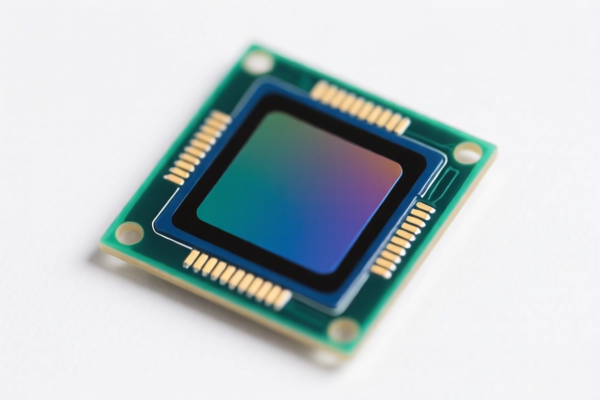
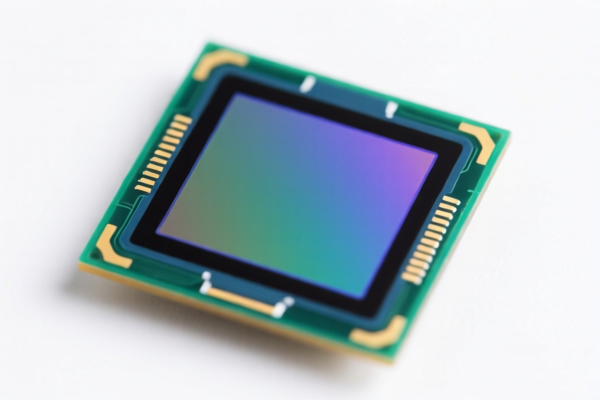
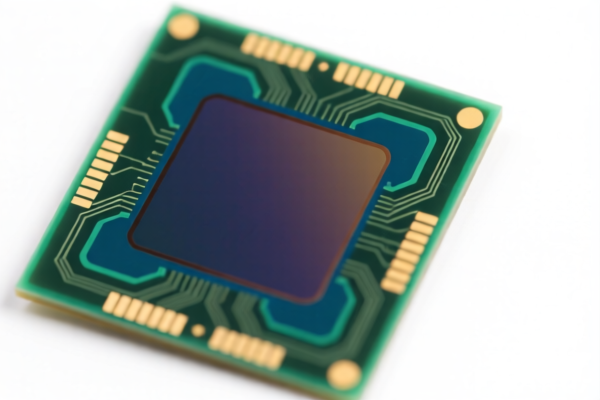
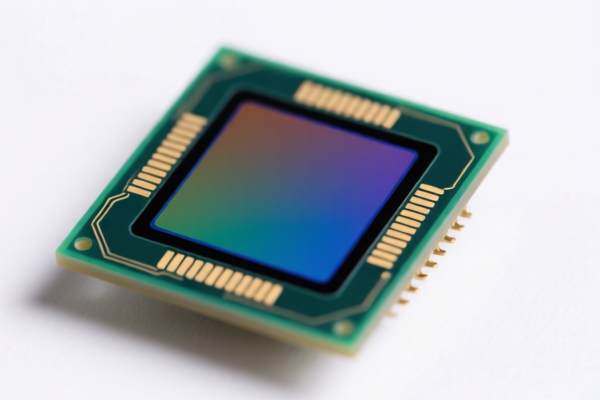
AI Analysis
🚗 ABS Sensor (Anti-lock Braking System Sensor)
🌐 HS Code Reference & Customs Clearance Guide | 2026 Latest Tariff Analysis | Professional Clearance Strategy
📌 I. Product Definition: What is an ABS Sensor?
The ABS Sensor is a critical component in modern automotive safety systems. It monitors wheel speed and sends data to the ABS control unit to prevent wheel lockup during braking. In international trade, its classification depends heavily on functional attribution: 1. As a Precision Instrument: If viewed strictly as a measuring device (speed/rotation), it falls under Chapter 90. 2. As an Electrical Apparatus: If viewed as a standalone electronic component with specific functions, it falls under Chapter 85. 3. As an Auto Part: If viewed as a spare part for vehicles, it falls under Chapter 87.
⚠️ Key Classification Conflict:
The core dispute lies in whether it is a "general instrument" (Chapter 90/85) or a "specific auto part" (Chapter 87). The choice drastically impacts the Total Tax Rate (ranging from 12.5% to 37.6%).
📦 II. HS Code Classification Details (2026 Latest Tariff Authority Comparison)
Based on the provided data, here are the five possible HS Code classifications and their logical justifications:
| HS Code | Product Description | Logical Justification (From Data) | Estimated Total Tax (China to US) |
|---|---|---|---|
9029.20.40.80 |
Speed/Rotation Measuring Instrument | Fits "sensors for speed/rotation measurement." Material inferred as engineering plastic for housing. | 35.0% |
8543.70.45.00 |
Independent Function Electrical Apparatus | Classified as a sensor with independent function, typically with metal/plastic housing. Fits "Other" category for sensors. | 37.6% |
8708.99.81.80 |
Other Auto Parts (Non-specified) | Classified as an Auto Part (ABS system component). No material conflict. Lowest Tax Rate. | 12.5% |
9029.90.80.40 |
Parts/Accessories of Speed Meters | Core component for tachometers/speed meters. Fits the logic for parts/accessories of measuring instruments. | 35.0% |
8543.70.98.60 |
Other Machines/Devices (Sensor Type) | Sensor-type device made of ABS plastic. No conflict with "Other machines/devices" residual category. | 37.6% |
🔍 Strategic Insight:
- Cheapest Option:8708.99.81.80(12.5%). Claims it is a specific Auto Part.
- Most Expensive:8543.70.45.00&8543.70.98.60(37.6%). Classified as general electrical apparatus/sensors.
- Middle Ground:9029.xx.xx(35.0%). Classified as measuring instruments/parts.
💰 III. 2026 Latest Tariff Rate Breakdown (Including Surcharges & Policy Add-ons)
✅ Applicable Country: United States (US)
✅ Country of Origin: China (CN)
✅ Effective Date: Includes imports from November 10, 2025 onwards.
🎯 1. The "Lowest Cost" Strategy: 8708.99.81.80 (Auto Parts)
This classification assumes the sensor is an integral part of the braking system, not just a standalone electronic gadget.
| Item | Content |
|---|---|
| Base Duty Rate | 2.5% (Standard MFN rate for auto parts) |
| Section 301 Surcharge (USITC) | 0.0% (Note: Data indicates 0% for this specific code, unlike other electronics) |
| 122 Clause Tariff (IEEPA) | 10% (Targeted Chinese products) |
| Total Effective Rate | 12.5% |
| Tax Calculation | CIF Value × 12.5% |
| De Minimis Exemption | ❌ Not Applicable (High value items usually excluded, though auto parts vary) |
| Legal Basis Path | USITC:8708.99.81.80 → FOOTNOTE:122 Clause |
📌 Explanation:
- This is the most aggressive cost-saving strategy.
- It argues that the ABS Sensor is fundamentally a vehicle component, not a generic electronic device.
- Risk: Customs may reclassify it as a sensor (Chapter 85/90) if the product is sold as a standalone spare part rather than OEM equipment.
🎯 2. The "Instrument" Classification: 9029.20.40.80 & 9029.90.80.40
These codes classify the sensor as a precision measuring instrument (speed/rotation).
| Item | Content |
|---|---|
| Base Duty Rate | 0.0% (Often lower base rates for specific instruments) |
| Section 301 Surcharge (USITC) | +25.0% (Heavy surcharge on electronic/instrument imports from China) |
| 122 Clause Tariff (IEEPA) | +10% |
| Total Effective Rate | 35.0% |
| Tax Calculation | CIF Value × 35.0% |
| Legal Basis Path | USITC:9029.20.40.80 → FOOTNOTE:301 → FOOTNOTE:122 |
📌 Explanation:
- While the base duty is 0%, the Section 301 25% surcharge makes this category expensive.
- Justification: "ABS sensors measure speed/rotation."
- Recommendation: Only use if you can prove it is a standalone calibration tool, not a car part.
🎯 3. The "General Electrical" Classification: 8543.70.45.00 & 8543.70.98.60
These codes treat the sensor as an "Other Electrical Apparatus" or device with independent function.
| Item | Content |
|---|---|
| Base Duty Rate | 2.6% |
| Section 301 Surcharge (USITC) | +25.0% |
| 122 Clause Tariff (IEEPA) | +10% |
| Total Effective Rate | 37.6% |
| Tax Calculation | CIF Value × 37.6% |
| Legal Basis Path | USITC:8543.70.45.00 → FOOTNOTE:301 → FOOTNOTE:122 |
📌 Explanation:
- This is the most expensive option.
- Justification: "It has independent electronic function and a plastic/metal housing."
- Avoid: Unless you have no other choice, this classification incurs the highest tax burden.
🎯 4. Special Case: 8708.30.50.90 (Brake Parts Specific)
A more specific subset of auto parts for braking systems.
| Item | Content |
|---|---|
| Base Duty Rate | 2.5% |
| Section 301 Surcharge (USITC) | +25.0% (Note: Data shows 25% here, conflicting with the 0% in 8708.99) |
| 122 Clause Tariff (IEEPA) | +10% |
| Total Effective Rate | 37.5% (Displayed as 2.5% + 35.0% in data) |
| Tax Calculation | CIF Value × 37.5% |
| Legal Basis Path | USITC:8708.30.50.90 → FOOTNOTE:301 → FOOTNOTE:122 |
📌 Explanation:
- Even though it is an auto part, Section 301 applies here, unlike the "Other" parts category (8708.99).
- Crucial Distinction:8708.99may have 0% 301, while8708.30(Brake parts) has 25% 301.
- Strategy:8708.99.81.80is superior to8708.30.50.90due to the 301 exemption difference.
🛠️ IV. Customs Clearance Practical Advice (Pitfall Avoidance Guide)
✅ 1. Document Checklist (Non-negotiable)
| Document | Required | Purpose |
|---|---|---|
| ✅ Product Specification Sheet | ✔️ | Must clearly state: "Auto Part," "ABS System," "Vehicle Compatibility." |
| ✅ Installation Manual | ✔️ | Proof that it is installed in a vehicle braking system. |
| ✅ OEM vs. Aftermarket Status | ✔️ | If OEM, claim auto part status more easily. If aftermarket, emphasize "Replacement Part." |
| ✅ Commercial Invoice | ✔️ | Description: "ABS Wheel Speed Sensor for Automotive Brake System." Do not write "Electronic Sensor" alone. |
| ✅ HS Code Ruling (Optional) | ✔️ | Pre-ruling from US CBP strengthens the 8708 claim. |
✅ 2. Declaration Strategy (Key Mantra)
🔥 "Part of the Car, Not a Gadget!"
| Scenario | Correct Declaration | Wrong Declaration | Consequence |
|---|---|---|---|
| OEM Sensor | 8708.99.81.80 - Auto Part |
"Electronic Sensor" | Tax jumps from 12.5% to 35-37.6% |
| Aftermarket Sensor | 8708.99.81.80 - Auto Part Spare |
"Measuring Instrument" | Risk of reclassification & penalty |
| Sensor + Wire Harness | Declare as Assembly | Split into sensor + wire | Wire harness may have different rates |
| Standalone Test Tool | 9029.20.40.80 |
8708.99.81.80 |
Correct for test tools, wrong for car parts |
✅ 3. Critical Risk Warning
-
The "301 Trap": Even if you classify under Chapter 87 (Auto Parts), you must verify if Section 301 (25%) applies to the specific subheading.
8708.99.81.80shows 0% 301 in the data.8708.30.50.90shows 25% 301 in the data.9029and8543show 25% 301.- Conclusion: Only
8708.99.81.80offers a potential 301 exemption (based on the provided data). This is a massive 25% savings.
-
Customs Scrutiny: CBP often audits ABS sensors. If declared as
8708, they may ask for proof of function.- Proof: Diagrams showing integration with ECU (Electronic Control Unit) and brake lines.
- Material: Confirm housing is plastic/metal compatible with automotive standards (VOC free, heat resistant).
🌍 V. Global Market Comparison (2026 Snapshot)
| Market | Recommended HS Code | Est. Total Tax (China Origin) | Key Requirement |
|---|---|---|---|
| 🇺🇸 USA | 8708.99.81.80 |
12.5% | Prove it is an auto part, not generic electronics. |
| 🇨🇳 China | 9029.20.40.80 |
~5-10% (Check local) | Domestic trade standards. |
| 🇪🇺 EU | 8543.70.45.00 |
0-2.7% (CE Mark) | CE Certification mandatory. |
| 🇯🇵 Japan | 8708.99.81.80 |
~5-10% | JIS Standard Compliance. |
📌 Conclusion:
The US market is the most critical due to Section 301 tariffs.
Strategy: Fight for8708.99.81.80to save 25% in duties.
Defense: If CBP rejects, have9029.20.40.80(35%) as a fallback. Avoid8543(37.6%) unless necessary.
📌 VI. Common Mistakes & Pitfalls (Blood & Tears Lessons)
❌ Mistake 1: Calling it "Electronic Sensor" in the commercial invoice.
👉 Result: CBP may force classification into Chapter 85 (8543) or 90 (9029), triggering 25% Section 301.
👉 Fix: Use "Automotive Brake System Component" or "ABS Wheel Speed Sensor for Vehicle."
❌ Mistake 2: Ignoring the difference between 8708.30 (Brakes) and 8708.99 (Other Parts).
👉 Result: Paying 25% Section 301 unnecessarily.
👉 Fix: Verify if the specific subheading 8708.99.81.80 is eligible for 301 exemption in your specific trade context (Data suggests yes).
❌ Mistake 3: Assuming all auto parts are duty-free from Section 301.
👉 Result: Many auto parts ARE subject to Section 301.
👉 Fix: Check the specific "FOOTNOTE" associated with the HS Code.
✅ Correct Practice:
"ABS Wheel Speed Sensor, Model XYZ, for Toyota Camry 2023, Plastic/Metal Housing, OEM Quality, Part No. 82330-001."
🎯 VII. Conclusion: Professional Declaration, Cost Optimization!
🎯 Remember the Mantra:
🔹 "Auto Part > Instrument > Generic Electronics"
🔹 "8708.99 saves you 25% (301 Exemption)"
🔹 "35% vs 12.5%: The difference is in the Declaration!"
📌 Pro Tip:
If you are an OEM Supplier, provide the Vehicle Manufacturer's Parts List to prove the item is an integral auto part.
If you are an Aftermarket Seller, provide Compatibility Lists showing it replaces a specific auto part.
Apply for a Pre-Ruling from US CBP to lock in the 8708.99.81.80 classification and avoid post-entry audits.
📣 Immediate Action:
📞 Contact your customs broker with the specific HS Code
8708.99.81.80.
📝 Update your invoices to emphasize "Automotive Application."
🚀 Save 25% today by declaring correctly!
✨ Professional Customs Clearance Starts with Precise Classification!
💼 Every Percentage Point of Tax Saved is Pure Profit!
Customer Reviews
About HS Code Classification
The Harmonized System (HS) is an internationally standardized nomenclature developed by the World Customs Organization (WCO) to classify traded products. Over 200 countries use the HS system as the basis for customs tariffs, trade statistics, and import/export regulations.
Each HS code follows a hierarchical structure:
- Chapter (2 digits) — Broad category of goods (e.g., Chapter 84: Machinery and Mechanical Appliances)
- Heading (4 digits) — More specific grouping within the chapter
- Subheading (6 digits) — Internationally standardized breakdown, used by all WCO member countries
- National subdivisions (8-10 digits) — Country-specific extensions for further classification, such as US HTSUS 10-digit codes
Correct HS code classification is essential for smooth customs clearance, accurate duty payment, and compliance with trade regulations. Misclassification can lead to customs delays, overpayment of duties, or penalties.
When importing from CN to US, the applicable tariff rates may include:
- Most-Favored-Nation (MFN) rate — The standard duty rate applied to WTO members
- General rate — Applied to countries without trade agreements
- Trade remedy duties — Additional tariffs such as Section 301 (anti-dumping), Section 232 (national security), or countervailing duties
The information provided on this page is for reference purposes only. For official classification, please consult with your local customs authority or a licensed customs broker.