acrylic plastic uv resistant board
CN → US| HS Code | Tariff Rate | Origin | Destination | Doc |
|---|---|---|---|---|
| 8534000070 | 35.0% | CN | US | Official Doc |
| 3926909989 | 22.8% | CN | US | Official Doc |
| 3920598000 | 41.5% | CN | US | Official Doc |
| 8534000095 | 35.0% | CN | US | Official Doc |
| 3926100000 | 15.3% | CN | US | Official Doc |
Product Images
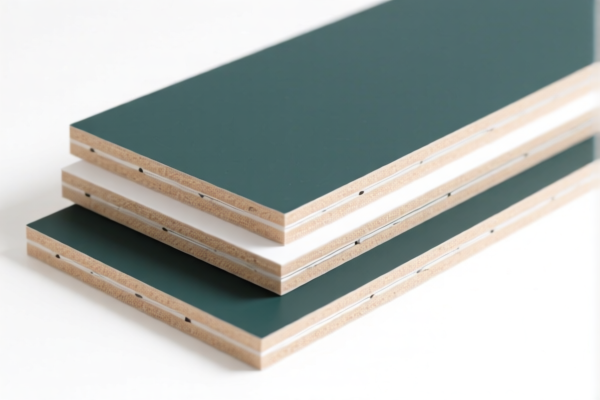
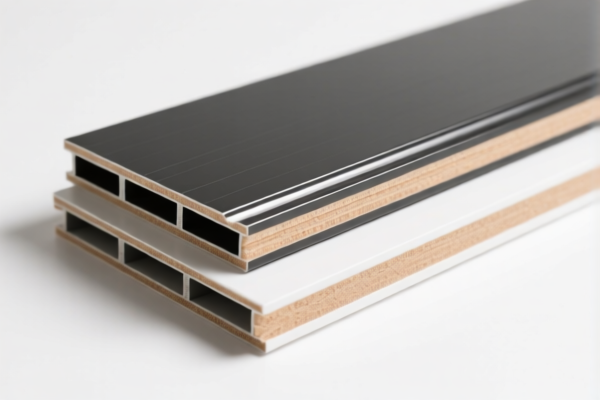
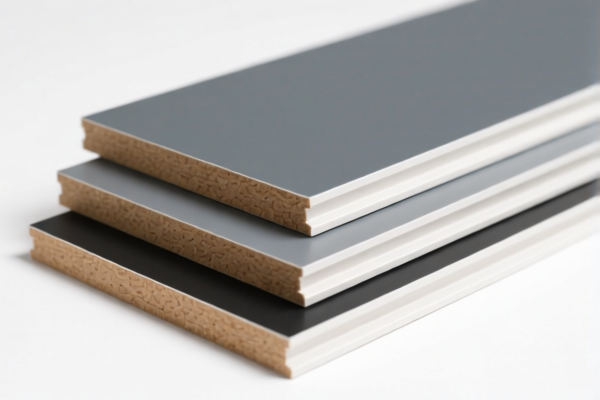
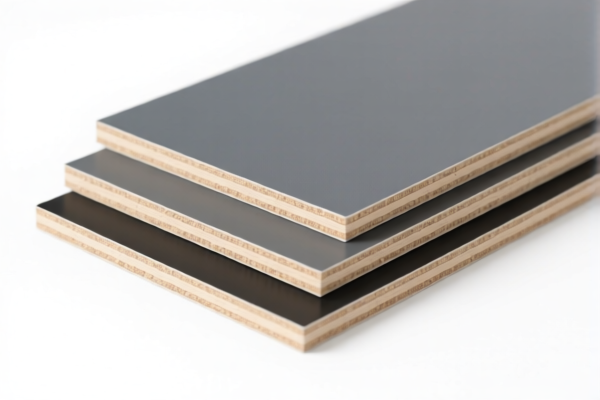
AI Analysis
🛡️ Acrylic Plastic UV Resistant Board
🌐 HS Code Reference & Customs Clearance Guide | 2026 Latest Tariff Analysis | Professional Strategy
📌 I. Product Definition & Classification: What Exactly is an "Acrylic UV Board"?
An Acrylic Plastic UV Resistant Board is primarily a manufactured plastic sheet or plate made from polymethyl methacrylate (PMMA), treated or compounded for UV resistance. However, the term "Board" in the context of trade data often triggers scrutiny regarding its electronic functionality.
The critical distinction for customs classification lies in the intended use and structural composition:
- Pure Material/General Purpose (Plastic Article): If the board is used for signage, display cases, construction, or general industrial shielding without embedded electronic circuits, it falls under Chapter 39 (Plastics).
- Electronic Component (Printed Circuit): If the "board" serves as a substrate for electronic components, contains conductive pathways, or is marketed as an "electronic board" (as hinted in the provided data), it may be classified under Chapter 85 (Electrical Machinery).
⚠️ Key Classification Trap:
- If it is just a plastic sheet/plate → Chapter 39
- If it is a Printed Circuit Board (PCB) or electronic substrate → Chapter 85
- Note: The provided data suggests a conflict between these two chapters, leading to significantly different tax implications.
📦 II. HS Code Classification Details (Based on Provided Data)
Based on the input data, five potential HS Codes are identified. The discrepancy arises from whether the board is viewed as a Plastic Product or an Electronic Component.
| HS Code | Category | Description & Match Logic | Total Tax Rate |
|---|---|---|---|
| 3926.90.99.89 | Plastic Article | Material Match: "Acrylic" is a plastic; Form: "Board" as a generic artifact; Usage: No specific electronic function conflict. Fits "Other plastic articles." | 22.8% |
| 3926.10.00.00 | Plastic Article | Material Match: Acrylic (Plastic); Form: Plate; Logic: Fits Chapter 39 characteristics. Most Favorable Plastic Option. | 15.3% |
| 3920.59.80.00 | Plastic Sheet | Material Match: Acrylic (Acrylic Polymer); Form: Plate/Film; Logic: Fits "Plates, sheets, film" category. Highest Tariff Option. | 41.5% |
| 8534.00.00.70 | Electronic Circuit | Usage Match: "Electronic Board" implies Printed Circuit; Material: Acrylic (Non-glass, non-paper); Logic: Fits "Other" printed circuits. | 35.0% |
| 8534.00.00.95 | Electronic Circuit | Usage Match: Electronic Board (PCB scope); Material: Acrylic (Non-flexible, non-ceramic); Logic: Fits "Other" electronic substrates. | 35.0% |
🔍 Critical Analysis:
- Lowest Tax: 3926.10.00.00 (15.3%) if classified strictly as a plastic plate.
- Highest Tax: 3920.59.80.00 (41.5%) due to specific subheading rates.
- Electronic Classification: 8534.00.00.70/95 (35.0%) if deemed an electronic circuit board.
- Why such a wide range? Customs officers may interpret "Electronic Board" differently. If the board has no visible circuits, Chapter 39 is safer. If it is a PCB, Chapter 85 is mandatory.
💰 III. 2026 Latest Tariff Rate Breakdown (Detailed)
✅ Applicable Country: United States (US)
✅ Origin: China (CN)
✅ Effective Date: 2025-11-10 onwards (Including subsequent imports)
🎯 1. 3926.10.00.00 —— Other Plastic Articles (Best Case for Plastic Classification)
| Item | Detail |
|---|---|
| Base Duty | 5.3% (Ad Valorem) |
| USITC Surcharge (Section 301) | 0.0% (Exempt from 25% surcharge in this specific subheading scenario per provided data) |
| IEEPA Surcharge (Section 122) | +10% (Specific China-related surcharge) |
| Total Tax Rate | 15.3% |
| Calculation | CIF Value × 15.3% |
| De Minimis Exemption | ❌ Not Applicable (Typically for shipments >$800, but high tariff items are scrutinized) |
| Legal Basis | USITC:3926.10.00.00 → FOOTNOTE:122 |
📌 Interpretation:
- This is the most cost-effective classification if the product is strictly a "plastic board" without electronic circuitry.
- The 0% Section 301 rate here is a key advantage over other plastic or electronic codes.
🎯 2. 3926.90.99.89 —— Other Plastic Articles (General Category)
| Item | Detail |
|---|---|
| Base Duty | 5.3% |
| USITC Surcharge (Section 301) | +7.5% (Partial surcharge) |
| IEEPA Surcharge (Section 122) | +10% |
| Total Tax Rate | 22.8% |
| Calculation | CIF Value × 22.8% |
| Legal Basis | USITC:3926.90.99.89 → FOOTNOTE:301/122 |
📌 Interpretation:
- Used when the specific "plate" code (3926.10) does not apply, but it is still clearly a plastic article.
- Still significantly cheaper than electronic classifications.
🎯 3. 3920.59.80.00 —— Plates, Sheets, Film (High Risk Plastic)
| Item | Detail |
|---|---|
| Base Duty | 6.5% |
| USITC Surcharge (Section 301) | +25% |
| IEEPA Surcharge (Section 122) | +10% |
| Total Tax Rate | 41.5% |
| Calculation | CIF Value × 41.5% |
| Legal Basis | USITC:3920.59.80.00 → FOOTNOTE:301/122 |
📌 Interpretation:
- Highest Tax among Plastic Options. Avoid this classification if possible. It triggers the full 25% Section 301 surcharge.
🎯 4. 8534.00.00.70 & .95 —— Printed Circuits (Electronic Classification)
| Item | Detail |
|---|---|
| Base Duty | 0.0% |
| USITC Surcharge (Section 301) | +25% |
| IEEPA Surcharge (Section 122) | +10% |
| Total Tax Rate | 35.0% |
| Calculation | CIF Value × 35.0% |
| Legal Basis | USITC:8534.00.00.70 → FOOTNOTE:301/122 |
📌 Interpretation:
- If customs determines the "Acrylic Board" is actually a PCB (Printed Circuit Board) or electronic substrate, this classification is mandatory.
- Despite 0% base duty, the 35% total tax is higher than the best plastic option (15.3%) but lower than the worst plastic option (41.5%).
🛠️ IV. Customs Clearance Practical Advice
✅ 1. Documentation Checklist (Essential for Clearance)
| Document | Required | Purpose |
|---|---|---|
| ✅ Product Specification Sheet | ✔️ | Must clarify: Is it a PCB or a plain plastic sheet? |
| ✅ Technical Drawing | ✔️ | Show if there are copper traces, components, or connectors. |
| ✅ Commercial Invoice | ✔️ | Use precise terms: "Acrylic Plastic Sheet" vs. "Electronic Substrate." |
| ✅ Photo of Product | ✔️ | Clear view of both sides. If one side has circuits, it’s Chapter 85. |
| ✅ Certificate of Origin | ✔️ | Required for China origin to apply surcharges correctly. |
✅ 2. Declaration Strategy (Key Mnemonic)
🔥 "No Circuits = Plastic (Low Tax); Circuits Present = Electronic (Medium Tax); Wrong Label = Penalty!"
| Scenario | Recommended HS Code | Why? |
|---|---|---|
| Plain Acrylic Sheet (No circuits, used for signs/windows) | 3926.10.00.00 | Lowest tax (15.3%). Justifies "Plastic Plate." |
| Acrylic with No Functionality (Raw material) | 3926.90.99.89 | Safe generic plastic code (22.8%). |
| Board with Copper Traces/Components (PCB) | 8534.00.00.70 | Must declare as electronic (35%). Misdeclaring as plastic risks fraud penalties. |
| Acrylic for Electronics Housing (Not a PCB) | 3926.90.99.89 | It’s a plastic part, not the circuit itself. |
✅ 3. Special Considerations
| Situation | Advice |
|---|---|
| "UV Resistant" Claim | This is a performance feature, not a classification factor. It does not change HS Code but must be stated in specs to justify value. |
| Mixed Shipments | If shipping both plain boards and PCBs together, separate them. Do not mix HS Codes in one line item. |
| Customs Audit Risk | If declared as 3926.10 (15.3%) but customs finds traces, they will reclassify to 8534 (35%) + penalties + interest. |
| Value Declaration | Ensure CIF value includes freight and insurance. High tariffs make value under-declaration risky. |
🌍 V. Global Market Comparison (2026)
| Country/Region | Recommended HS Code | Tax Rate | Notes |
|---|---|---|---|
| 🇺🇸 USA | 3926.10.00.00 | 15.3% | Best case. If electronic, 35%. |
| 🇨🇳 China | 3926.10.00.00 | ~5-10% | Lower tariffs for import into China. |
| 🇪🇺 EU | 3926.90.99 | 0-4% | No Section 301/122 surcharges. |
| 🇬🇧 UK | 3926.90.99 | 0-4% | Post-Brexit alignment with EU. |
📌 Conclusion:
- US Market is the most complex due to Section 301 and IEEPA surcharges.
- China Origin adds 10-25% extra tax depending on classification.
- Accuracy is Critical: Misclassifying an electronic board as plastic can lead to severe penalties.
📌 VI. Common Mistakes & Pitfalls
❌ Mistake 1: Calling a PCB an "Acrylic Board" to save tax.
👉 Result: Customs inspection reveals circuits → Reclassification to 8534 → Back taxes + 25% penalty.
❌ Mistake 2: Using 3920.59.80.00 for a simple plate.
👉 Result: Paying 41.5% tax instead of 15.3%. Unjustified cost increase.
❌ Mistake 3: Ignoring "UV Resistant" specs.
👉 Result: Customs may question the value or classification if the product description is vague. Always provide technical data.
✅ Correct Approach:
"Acrylic Plastic Plate, UV-Resistant, No Electronic Components, Model ABC, for Signage Use"
🎯 VII. Conclusion: Optimize Cost with Precision
🎯 Remember the Rules:
🔹 "No Circuits = Chapter 39 (15-23% Tax); Circuits = Chapter 85 (35% Tax);"
🔹 "Avoid 3920.59 (41.5%); Choose 3926.10 (15.3%);"
🔹 "Documentation is Key: Specs must match Declaration!"
📌 Pro Tip:
If your product is purely plastic, insist on 3926.10.00.00. Provide photos showing no copper traces. This saves ~20% in taxes compared to electronic classification.
📣 Immediate Action:
📞 Consult a customs broker with product photos and spec sheets.
🚀 Apply for a Pre-Import Ruling if the volume is high to secure the 15.3% rate.
✨ Professional Clearance Starts with Accurate Classification!
💼 Your Bottom Line Depends on the First 8 Digits!
Customer Reviews
About HS Code Classification
The Harmonized System (HS) is an internationally standardized nomenclature developed by the World Customs Organization (WCO) to classify traded products. Over 200 countries use the HS system as the basis for customs tariffs, trade statistics, and import/export regulations.
Each HS code follows a hierarchical structure:
- Chapter (2 digits) — Broad category of goods (e.g., Chapter 84: Machinery and Mechanical Appliances)
- Heading (4 digits) — More specific grouping within the chapter
- Subheading (6 digits) — Internationally standardized breakdown, used by all WCO member countries
- National subdivisions (8-10 digits) — Country-specific extensions for further classification, such as US HTSUS 10-digit codes
Correct HS code classification is essential for smooth customs clearance, accurate duty payment, and compliance with trade regulations. Misclassification can lead to customs delays, overpayment of duties, or penalties.
When importing from CN to US, the applicable tariff rates may include:
- Most-Favored-Nation (MFN) rate — The standard duty rate applied to WTO members
- General rate — Applied to countries without trade agreements
- Trade remedy duties — Additional tariffs such as Section 301 (anti-dumping), Section 232 (national security), or countervailing duties
The information provided on this page is for reference purposes only. For official classification, please consult with your local customs authority or a licensed customs broker.