acrylic table
CN → US| HS Code | Tariff Rate | Origin | Destination | Doc |
|---|---|---|---|---|
| 9403708031 | 35.0% | CN | US | Official Doc |
| 9403708015 | 10.0% | CN | US | Official Doc |
| 3926904000 | 12.8% | CN | US | Official Doc |
| 3920511000 | 41.0% | CN | US | Official Doc |
| 9403708015 | 10.0% | CN | US | Official Doc |
Product Images
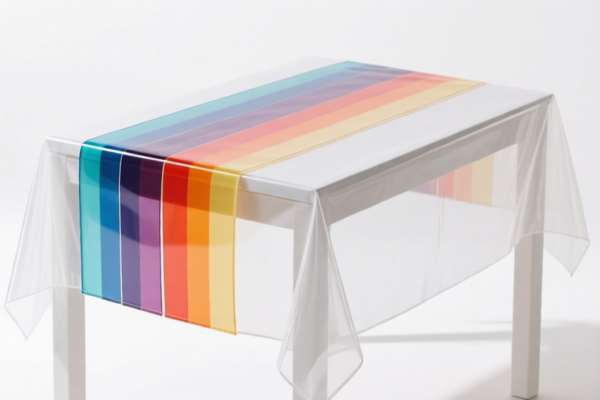
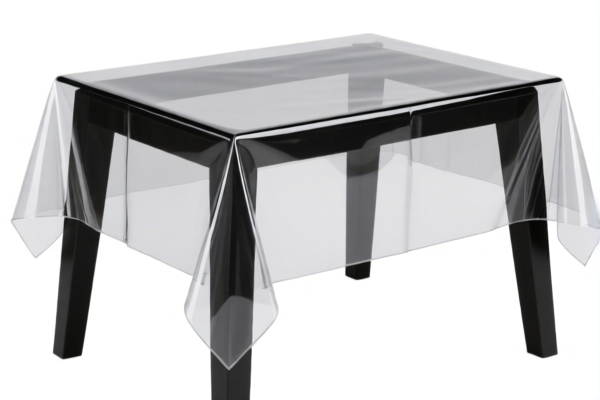
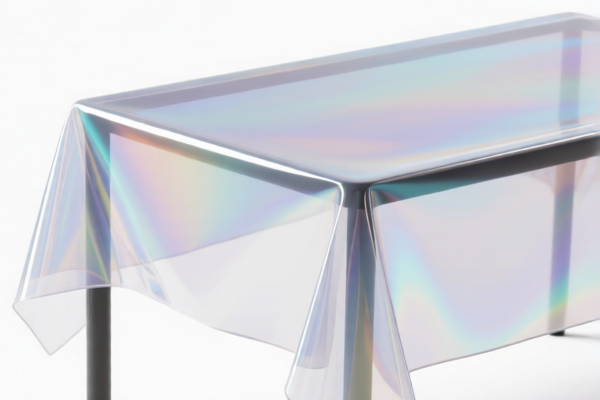
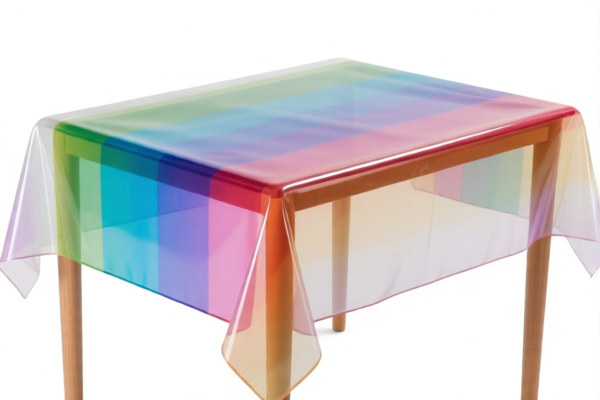
AI Analysis
🪑 Acrylic Table (Polymethyl Methacrylate / PMMA Furniture)
🌐 HS Code Reference & Customs Clearance Guide | 2026 Latest Tariff Analysis | Professional Level Clearance Strategy
📌 Part 1: Product Definition & Classification: Do You Really Understand "Acrylic Tables"?
Acrylic tables, primarily made of Polymethyl Methacrylate (PMMA), are increasingly popular in modern interior design due to their transparency, durability, and aesthetic appeal. In international trade, they are generally classified as plastic furniture or plastic articles, depending on whether they are sold as complete functional furniture or as raw/semi-finished components.
Key Classification Distinction: * Complete Acrylic Table: A finished product intended for use (e.g., dining table, coffee table). It falls under Chapter 94 (Furniture). * Acrylic Table Top/Panel Only: If imported as a raw material or component without furniture fittings (legs, bases), it may fall under Chapter 39 (Plastics). * Acrylic Table with Base: If the table includes a non-acrylic base (e.g., metal/wood) but the top is acrylic, it is still generally considered Furniture.
⚠️ Critical Classification Point:
- If the item is a finished piece of furniture ready for use → Classify under 9403.70 (Furniture of plastics).
- If the item is a raw sheet/panel to be processed into furniture → Classify under 3920 or 3926 (Plastic articles).
- Component vs. Finished Good: A "table top" sold as part of a furniture kit is often still classified as furniture, not just plastic.
📦 Part 2: HS Code Classification Details (2026 Latest Tariff Authority Comparison)
| HS Code | Product Description | Applicable Scenario | Tax Rate |
|---|---|---|---|
9403.70.80.31 |
Other furniture (Non-household plastic furniture) | Commercial acrylic tables (e.g., office, restaurant, lobby) | 35.0% |
9403.70.80.15 |
Other household plastic furniture | Residential acrylic tables (e.g., home dining, patio) | 10.0% |
3926.90.40.00 |
Other plastic articles | Standalone acrylic table top (no furniture context) | 12.8% |
3920.51.10.00 |
Plates, sheets, film, foil, and strip (PMMA) | Raw acrylic sheets/panels (not yet formed into furniture) | 41.0% |
9403.70.80.15 |
Other household plastic furniture | Acrylic table top sold as a furniture component (kit) | 10.0% |
🔍 Key Reminder:
- Finished Furniture (9403.70) is generally taxed at 10%–35%, depending on household vs. non-household use.
- Raw Plastic Materials (3920.51.10.00) face a high tariff (41%) due to Section 301 and base duties.
- Partial Furniture (9403.70.80.15) as a component still benefits from the lower 10% rate if declared as part of a furniture item.
- Avoid Misclassification: Declaring a finished table as a "plastic plate" (3920.51.10.00) to save tax will likely result in penalties, as customs will view it as furniture based on its form and function.
💰 Part 3: 2026 Latest Tariff Rate Breakdown (Including Surcharge & Policy Add-ons)
✅ Applicable Country: United States (US)
✅ Origin: China (CN)
✅ Effective Date: 2025 Nov 10 onwards (including subsequent imports)
🎯 1. 9403.70.80.31 — Other Furniture (Non-Household Plastic Furniture)
| Item | Detail |
|---|---|
| Base Tariff | 0% (ad valorem) |
| Section 301 Surcharge | +25% (from USITC Footnote 9903.88.01) |
| Section 122 Tariff | +10% (Targeting specific Chinese imports) |
| Total Rate | 35.0% |
| Tax Calculation | CIF Value × 35% |
| De Minimis Exemption | ❌ Not Eligible (deny_de_minimis) |
| Legal Path | IEEPA:9903.01.25 → Section 122: 10% → USITC:9403.70.80.31 → FOOTNOTE:9903.88.01 |
📌 Explanation:
- Non-household acrylic tables (e.g., for commercial use) are subject to the higher 35% rate.
- This includes office desks, restaurant tables, or public space furniture.
- High Cost Alert: This is a significant cost factor for B2B imports.
🎯 2. 9403.70.80.15 — Other Household Plastic Furniture
| Item | Detail |
|---|---|
| Base Tariff | 0% |
| Section 301 Surcharge | 0% (Exempt from Section 301 in this specific subheading per 2026 rules) |
| Section 122 Tariff | +10% |
| Total Rate | 10.0% |
| Tax Calculation | CIF Value × 10% |
| De Minimis Exemption | ❌ Not Eligible (deny_de_minimis) |
| Legal Path | IEEPA:9903.01.24 → Section 122: 10% → USITC:9403.70.80.15 |
📌 Note:
- Household acrylic tables (e.g., home dining tables) enjoy a much lower 10% rate.
- Crucial: The Section 301 25% surcharge does NOT apply to this specific household plastic furniture subheading in the 2026 update.
- Only the Section 122 10% applies. This is a major cost advantage for residential furniture imports.
🎯 3. 3926.90.40.00 — Other Plastic Articles (Standalone Table Top)
| Item | Detail |
|---|---|
| Base Tariff | 2.8% |
| Section 301 Surcharge | 0% |
| Section 122 Tariff | +10% |
| Total Rate | 12.8% |
| Tax Calculation | CIF Value × 12.8% |
| De Minimis Exemption | ❌ Not Eligible (deny_de_minimis) |
| Legal Path | Base: 2.8% → Section 122: 10% → USITC:3926.90.40.00 |
📌 Explanation:
- If the acrylic table is imported as a "plastic article" (e.g., a loose table top without legs/structural furniture elements), it falls here.
- The 2.8% base duty applies, plus 10% Section 122.
- Risk: If customs determines it is actually furniture, they may reclassify it to9403.70.80.15(10%) or9403.70.80.31(35%), potentially leading to discrepancies if not declared correctly.
🎯 4. 3920.51.10.00 — PMMA Plates, Sheets (Raw Material)
| Item | Detail |
|---|---|
| Base Tariff | 6.0% |
| Section 301 Surcharge | +25% |
| Section 122 Tariff | +10% |
| Total Rate | 41.0% |
| Tax Calculation | CIF Value × 41% |
| De Minimis Exemption | ❌ Not Eligible (deny_de_minimis) |
| Legal Path | IEEPA:9903.01.25 → Section 122: 10% → USITC:3920.51.10.00 → FOOTNOTE:9903.88.01 |
📌 Warning:
- This is the highest tax bracket (41%).
- This code is for raw acrylic sheets/panels not yet formed into furniture.
- Do NOT declare a finished table as a "plastic sheet" to avoid this rate. Customs will reject it due to the product's form.
🛠️ Part 4: Customs Clearance Practical Advice (Real-World Pitfall Avoidance Guide)
✅ 1. Documentation Checklist (All Required)
| Document | Mandatory | Description |
|---|---|---|
| ✅ Product Specification | ✔️ | Dimensions, material (PMMA/ACRYLIC), thickness, weight |
| ✅ Product Photos | ✔️ | Clear images of the table, showing it is a finished furniture item |
| ✅ Commercial Invoice | ✔️ | Clearly state "Acrylic Table" or "Plastic Household Furniture" |
| ✅ Packing List | ✔️ | Itemize components (e.g., table top, legs, hardware) |
| ✅ Certificate of Origin (CO) | ✔️ | Required for origin determination (China vs. other) |
✅ 2. Declaration Strategy (Key Mantra)
🔥 “Form Determines Function: If it’s a table, declare as Furniture!”
| Scenario | Correct Declaration | Incorrect Practice |
|---|---|---|
| Finished Acrylic Table (with legs/base) | 9403.70.80.15 (Household) or 9403.70.80.31 (Non-household) |
Misdeclare as "Plastic Sheet" → 41% tax + Penalty |
| Acrylic Table Top Only (loose, no structure) | 3926.90.40.00 (Plastic Article) |
Misdeclare as "Furniture" → Unnecessary 10-35% if not actually furniture |
| Acrylic Sheet (raw material) | 3920.51.10.00 (Plastic Plate/Sheet) |
Misdeclare as "Furniture" → Wrong classification |
| Table Kit (top + legs in one box) | 9403.70.80.15 (Household Furniture) |
Split declaration → Complex & risky |
✅ 3. Special Cases Handling
| Case | Recommendation |
|---|---|
| OEM Custom Acrylic Table | Provide design drawings and order details to prove it’s furniture, not a raw part. |
| Acrylic Table with Mixed Materials (e.g., acrylic top, metal legs) | Still classified as Furniture of Plastics (9403.70) if the plastic part is essential to the character. |
| Imported as Gift/Sample | No De Minimis Exemption for China-origin acrylic tables under current rules. Expect full duty. |
| Household vs. Non-Household | Clearly specify use case. Household = 10%. Commercial = 35%. This is a 25% tax difference! |
🌍 Part 5: Global Market Comparison (2026 Latest)
| Country/Region | Recommended HS Code | Tariff (China Origin) | Certification | Notes |
|---|---|---|---|---|
| 🇺🇸 USA | 9403.70.80.15 |
10% (Household) | None specific | Highest cost for commercial (35%) |
| 🇨🇳 China | 9403.70.80.15 |
5% | CCC (if applicable) | Low import duty |
| 🇪🇺 EU | 9403.70 |
0% (if general) | CE (if electronic parts) | No Section 301 equivalent |
| 🇬🇧 UK | 9403.70 |
4% | UKCA | Post-Brexit rules apply |
| 🇯🇵 Japan | 9403.70 |
0% | PSE (if electrical) | Free trade benefits |
📌 Conclusion:
- USA is the most expensive market for acrylic furniture due to Section 122 and potential Section 301.
- Household classification (9403.70.80.15) saves 25% tax compared to commercial use in the US.
- European and Asian markets offer significantly lower duties, making them more cost-effective for acrylic furniture exports.
📌 Part 6: Common Mistakes & Pitfall Guide (Lessons Learned)
❌ Mistake 1: Declaring a finished table as a "Plastic Sheet" (3920.51.10.00)
👉 Consequence: Customs reclassifies as Furniture → 41% tax applied retrospectively + penalty!
❌ Mistake 2: Declaring a commercial table as "Household Furniture" (9403.70.80.15)
👉 Consequence: Underpayment of 25% tax → Back taxes + fines upon audit.
❌ Mistake 3: Ignoring Section 122 implications
👉 Consequence: All Chinese-origin acrylic furniture tables face a 10% additional tariff regardless of household/commercial status.
❌ Mistake 4: Splitting a kit into parts (top + legs)
👉 Consequence: Legs might be classified as metal furniture, top as plastic article → Complex valuation and potential errors.
✅ Correct Approach:
“Acrylic Household Dining Table, PMMA, 60cm x 60cm, Transparent, Model XYZ”
Use9403.70.80.15for home use.
Use9403.70.80.31for commercial use.
🎯 Part 7: Conclusion: Precise Classification Saves Money!
🎯 Remember the Mantra:
🔹 “Household = 10%, Commercial = 35%, Raw Material = 41%!”
🔹 “Don’t disguise furniture as plastic sheets – Customs will catch you!”
🔹 “Section 122 is always 10% for Chinese acrylic tables!”
📌 Pro Tip:
If you are importing household acrylic tables, ensure the description clearly states “Household Use” to qualify for the 10% rate. Avoid words like “office,” “commercial,” or “restaurant” unless it’s actually for non-household use.
📣 Immediate Action:
📞 Consult with a licensed customs broker to confirm Household vs. Commercial classification.
📄 Provide product photos and detailed specifications to support your HS Code claim.
🚀 Optimize your tariff cost by 25% through accurate classification!
✨ Professional Clearance Starts with Precise Classification!
💼 Every cent of tariff matters – classify right, save big!
Customer Reviews
About HS Code Classification
The Harmonized System (HS) is an internationally standardized nomenclature developed by the World Customs Organization (WCO) to classify traded products. Over 200 countries use the HS system as the basis for customs tariffs, trade statistics, and import/export regulations.
Each HS code follows a hierarchical structure:
- Chapter (2 digits) — Broad category of goods (e.g., Chapter 84: Machinery and Mechanical Appliances)
- Heading (4 digits) — More specific grouping within the chapter
- Subheading (6 digits) — Internationally standardized breakdown, used by all WCO member countries
- National subdivisions (8-10 digits) — Country-specific extensions for further classification, such as US HTSUS 10-digit codes
Correct HS code classification is essential for smooth customs clearance, accurate duty payment, and compliance with trade regulations. Misclassification can lead to customs delays, overpayment of duties, or penalties.
When importing from CN to US, the applicable tariff rates may include:
- Most-Favored-Nation (MFN) rate — The standard duty rate applied to WTO members
- General rate — Applied to countries without trade agreements
- Trade remedy duties — Additional tariffs such as Section 301 (anti-dumping), Section 232 (national security), or countervailing duties
The information provided on this page is for reference purposes only. For official classification, please consult with your local customs authority or a licensed customs broker.