acrylic transparent board lead containing
CN → US| HS Code | Tariff Rate | Origin | Destination | Doc |
|---|---|---|---|---|
| 3920515090 | 41.5% | CN | US | Official Doc |
| 3906100000 | 41.3% | CN | US | Official Doc |
| 3921110000 | 40.3% | CN | US | Official Doc |
| 3921190090 | 41.5% | CN | US | Official Doc |
| 3906902000 | 41.3% | CN | US | Official Doc |
Product Images


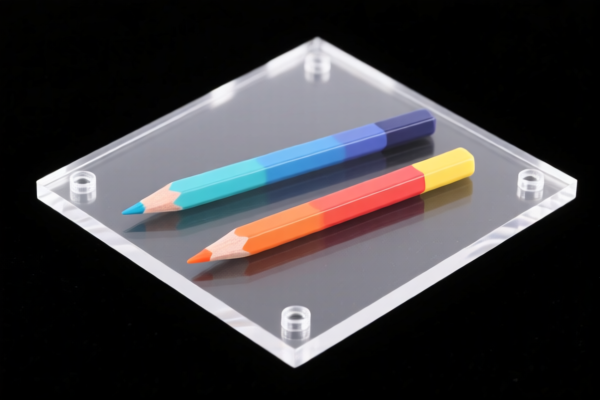
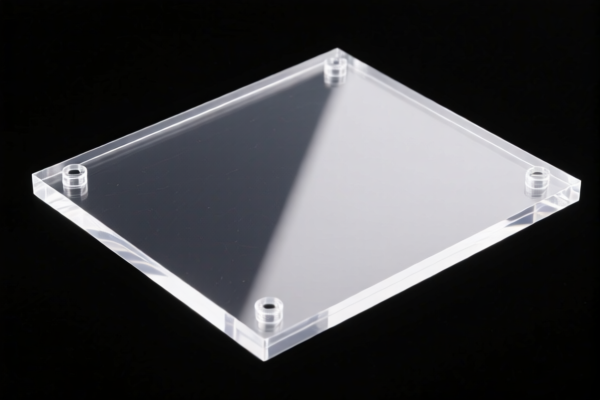
AI Analysis
Based on the provided data (<DATA>), here is the professional clearance guide and tax analysis for Acrylic Transparent Boards.
🏗️ Acrylic Transparent Boards (Polymethyl Methacrylate Sheets)
🌐 HS Code Classification & Clearance Strategy | 2026 Tariff Analysis | Professional Logistics Guide
📌 一、Product Definition: What is an "Acrylic Board"?
Acrylic, scientifically known as Polymethyl Methacrylate (PMMA), is a synthetic polymer derived from acrylic acid. In international trade, "Acrylic Boards" refer to flat sheets of this material, characterized by high transparency, weather resistance, and ease of processing.
⚠️ Key Distinction for Classification:
- Primary Forms (Semi-finished): Raw sheets or plates that have not undergone significant processing (e.g., cutting, drilling, assembly) into a final usable product. These fall under Chapter 39, Heading 3906. - Finished Articles (Plastic Articles): Plates, sheets, films, foils, and strips that are shaped but not yet assembled into specific end-use items. These often fall under Chapter 39, Heading 3920 or 3921. - Material Specificity: The classification hinges on whether the board is considered a "primary form" (semi-finished) or a "plastic article/plate."
📦 二、HS Code Classification Details (2026 Latest Tariff Reference)
The following HS Codes are derived strictly from the provided dataset. Each code represents a different logical interpretation of the product's form and status.
| HS Code | Product Description (From Data) | Classification Logic | Total Tax Rate |
|---|---|---|---|
| 3920.51.50.90 | Acrylic Transparent Board: Material is PMMA; Form is Plate; Falls under the category of plates, sheets, films, foils. | Classified as a Plastic Plate/Sheet (Chapter 39, Heading 3920). Emphasizes the physical form as a "plate." | 41.5% |
| 3906.10.00.00 | Acrylic (PMMA): Board is considered a Semi-finished Product in its primary form. | Classified as Primary Forms of Acrylic Polymers (Chapter 39, Heading 3906). Emphasizes the raw/semi-finished nature. | 41.3% |
| 3921.11.00.00 | Acrylic is a Polymer: Form is Plate; Fits the category of "Other plastic plates, sheets, film, foil, and strip." | Classified under Other Plastic Plates/Sheets (Chapter 39, Heading 3921). Slightly lower base rate than 3920.51. | 40.3% |
| 3921.19.00.90 | Acrylic is Plastic: Plate fits the general requirement of plates/sheets/films; Categorized under "Other Categories." | Classified as Other Plastic Plates/Sheets (Chapter 39, Heading 3921). A broader "Other" sub-category. | 41.5% |
| 3906.90.20.00 | Acrylic is Acrylic Polymer: Plate fits the characteristics of primary/semi-finished forms. | Classified as Other Primary Forms of Acrylic Polymers (Chapter 39, Heading 3906). | 41.3% |
🔍 Critical Observation:
- The tax rates range from 40.3% to 41.5%.
- The difference lies in whether the customs authority views the board as a Primary Form (3906) or a Processed Plastic Article (3920/3921).
- 3921.11.00.00 offers the lowest total tax (40.3%), but requires strict justification that the board fits "Other plastic plates" rather than "Primary forms."
💰 三、2026 Tariff Rate Breakdown (Including Surtaxes)
✅ Applicable Country: United States (US)
✅ Origin: China (CN)
✅ Effective Date: Tariffs include Section 301 and IEEPA surcharges.
🎯 1. HS Code 3906.10.00.00 & 3906.90.20.00 (Primary Forms/Semi-Finished)
| Item | Content |
|---|---|
| Base Tariff | 6.3% |
| Section 301 Surtax | +25.0% |
| IEEPA Section 122 Surtax | +10.0% |
| Total Tax Rate | 41.3% |
| Tax Calculation | CIF Value × 41.3% |
| De Minimis Eligibility | ❌ Not Eligible (High value category, subject to strict scrutiny) |
| Legal Basis | Base Tariff → USITC Footnote 9903.88.01 (301 Tariff) → IEEPA 9903.01.25/24 (122 Clause) |
📌 Explanation:
- "Base 6.3%": Standard Most Favored Nation (MFN) rate for primary acrylic polymers.
- "+25.0%": Section 301 Tariff imposed on Chinese goods under US Trade Law.
- "+10.0%": Additional IEEPA surcharge (Section 122) targeting specific Chinese imports.
- Total 41.3%: This is a high-cost classification. Importers must ensure the product is truly "semi-finished" to avoid misclassification penalties.
🎯 2. HS Code 3920.51.50.90 & 3921.19.00.90 (Plastic Plates/Sheets - Other)
| Item | Content |
|---|---|
| Base Tariff | 6.5% |
| Section 301 Surtax | +25.0% |
| IEEPA Section 122 Surtax | +10.0% |
| Total Tax Rate | 41.5% |
| Tax Calculation | CIF Value × 41.5% |
| De Minimis Eligibility | ❌ Not Eligible |
| Legal Basis | Base Tariff → USITC Footnote 9903.88.01 (301 Tariff) → IEEPA 9903.01.25/24 (122 Clause) |
📌 Explanation:
- "Base 6.5%": Slightly higher base rate than primary forms.
- "+25.0%" + "+10.0%": Same surcharges apply.
- Total 41.5%: The highest tax rate in the dataset. Use only if the board is clearly defined as a finished "plate/sheet" article and not a raw polymer form.
🎯 3. HS Code 3921.11.00.00 (Plastic Plates/Sheets - Specific)
| Item | Content |
|---|---|
| Base Tariff | 5.3% |
| Section 301 Surtax | +25.0% |
| IEEPA Section 122 Surtax | +10.0% |
| Total Tax Rate | 40.3% |
| Tax Calculation | CIF Value × 40.3% |
| De Minimis Eligibility | ❌ Not Eligible |
| Legal Basis | Base Tariff → USITC Footnote 9903.88.01 (301 Tariff) → IEEPA 9903.01.25/24 (122 Clause) |
📌 Explanation:
- "Base 5.3%": Lowest base tariff in the dataset.
- Total 40.3%: The most cost-effective classification among the options.
- Strategy: Aim for this code if your acrylic board fits the definition of "Other plastic plates/sheets" under 3921.11. Justification: It is a processed plastic article, not a raw polymer block.
🛠️ 四、Customs Clearance Practical Advice (Pitfall Avoidance Guide)
✅ 1. Documentation Checklist (Non-Negotiable)
| Document | Required | Explanation |
|---|---|---|
| ✅ Product Specification Sheet | ✔️ | Must state: Material (PMMA), Dimensions, Thickness, Transparency, Thickness tolerance. |
| ✅ Material Safety Data Sheet (MSDS) | ✔️ | Proves chemical composition (Polymethyl Methacrylate). |
| ✅ Product Photos (Clear) | ✔️ | Show the board's surface, edges, and any packaging. Must look like a "plate/sheet." |
| ✅ Commercial Invoice | ✔️ | Clearly describe as "Acrylic Transparent Board, PMMA, Semi-finished/Plastic Plate." Avoid vague terms like "Plastic Toy Part." |
| ✅ Certificate of Origin (CO) | ✔️ | Essential for verifying Chinese origin to apply correct surcharges. |
| ✅ Packing List | ✔️ | Detail net/gross weight. Accurate weight is critical for duty calculation. |
✅ 2. Declaration Tips (Key Mantras)
🔥 "Define Form, Not Just Name!"
| Scenario | Correct Declaration | Incorrect Declaration |
|---|---|---|
| Raw/Unprocessed Sheet | "PMMA Acrylic Sheet, Semi-finished Form" | "Acrylic Display Stand" (Implies finished good, wrong code) |
| Cut/Drilled Sheet | "PMMA Acrylic Plate, Cut to Size" | "Custom Acrylic Part" (May trigger different classification) |
| Export Documentation | HS Code: 3921.11.00.00 (Recommended for 40.3%) | HS Code: 3906.10.00.00 (If claimed as primary form but processed) |
⚠️ Warning:
- If you declare as 3906 (Primary Form) but the product is cut, drilled, or polished, customs may reclassify it to 3920/3921, potentially causing delays or penalties.
- If you declare as 3921 (Finished Plate) but it is a raw block, customs may reclassify to 3906.
✅ 3. Special Cases
| Situation | Handling Suggestion |
|---|---|
| OEM Custom Sizes | Provide cutting drawings. If simple cutting, still likely 3921. If complex machining, re-evaluate. |
| Multi-layer Acrylic | Must specify if it's a composite. If composite, classification may change entirely. |
| Acrylic with Adhesive Backing | Likely classified under 3921 (Laminated plastic sheets). Confirm with broker. |
| Small Samples (< $800) | ❌ Do Not Rely on De Minimis. High-duty items like acrylic boards are often excluded from de minimis relief due to Section 301 tariffs. |
🌍 五、Global Market Comparison (2026 Latest)
| Country/Region | Recommended HS Code | Tariff (China Origin) | Certification Requirements | Notes |
|---|---|---|---|---|
| 🇺🇸 USA | 3921.11.00.00 |
40.3% | None specific | Highest scrutiny due to 301+122 tariffs. |
| 🇨🇳 China | 3921.11.00.00 |
~3-6% (Import Duty) | CCC (if applicable) | Low import duty for domestic production. |
| 🇪🇺 EU | 3921.11.00.00 |
6.5% | CE (if applicable) | No Section 301 tariffs. |
| 🇯🇵 Japan | 3921.11.00.00 |
8.5% | PSE (if applicable) | Standard MFN rates apply. |
📌 Conclusion:
- The US market imposes the heaviest burden due to Section 301 (25%) + IEEPA (10%).
- EU/Japan markets are significantly cheaper (no surtaxes), but have their own regulatory standards.
📌 六、Common Mistakes & Pitfalls (Lessons Learned)
❌ Mistake 1: Declaring "Acrylic Board" as a "Plastic Article" (3926) instead of a "Plate/Sheet" (3920/3921).
👉 Consequence: Incorrect HS Code leads to misdeclaration penalties and potential seizure.
❌ Mistake 2: Ignoring the IEEPA 10% surcharge.
👉 Consequence: Underpayment of duties. Customs will assess back taxes + interest + penalties.
❌ Mistake 3: Using vague descriptions like "Transparent Plastic Sheet."
👉 Consequence: Customs may question the material. Always specify "PMMA" or "Polymethyl Methacrylate."
✅ Correct Practice:
"PMMA Acrylic Transparent Board, Semi-finished, 1220mm x 2440mm, Thickness 5mm, Raw Sheet, Not Assembly Ready"
🎯 七、Conclusion: Precision Saves Money!
🎯 Key Takeaway:
🔹 Choose
3921.11.00.00for the lowest rate (40.3%) if the board is a processed plastic plate.
🔹 Use3906.10.00.00(41.3%) only if it is a true primary form/semi-finished block.
🔹 Avoid3920.51.50.90(41.5%) unless specifically required by customer request, as it is the highest tax.🔹 "HS Code Determines Duty, Description Determines Classification!"
🔹 "Always Include PMMA, Thickness, and Form in Your Declaration!"
📌 Pro Tip:
If your acrylic board is exported to the US, consider applying for a Customs Ruling (Pre-Ruling) to confirm the HS Code before shipment. This avoids post-clearance audits and surprise bills.
📣 Immediate Action:
📞 Contact your freight forwarder with the Product Spec Sheet and MSDS.
📝 Request a Quote for HS Code 3921.11.00.00 with the 40.3% tax assumption.
🚀 Optimize your supply chain, minimize duty costs, and ensure smooth clearance!
✨ Professional Clearance Starts with Accurate Classification!
💼 Every Percentage Point in Tax Rate Impacts Your Profit Margin!
Customer Reviews
About HS Code Classification
The Harmonized System (HS) is an internationally standardized nomenclature developed by the World Customs Organization (WCO) to classify traded products. Over 200 countries use the HS system as the basis for customs tariffs, trade statistics, and import/export regulations.
Each HS code follows a hierarchical structure:
- Chapter (2 digits) — Broad category of goods (e.g., Chapter 84: Machinery and Mechanical Appliances)
- Heading (4 digits) — More specific grouping within the chapter
- Subheading (6 digits) — Internationally standardized breakdown, used by all WCO member countries
- National subdivisions (8-10 digits) — Country-specific extensions for further classification, such as US HTSUS 10-digit codes
Correct HS code classification is essential for smooth customs clearance, accurate duty payment, and compliance with trade regulations. Misclassification can lead to customs delays, overpayment of duties, or penalties.
When importing from CN to US, the applicable tariff rates may include:
- Most-Favored-Nation (MFN) rate — The standard duty rate applied to WTO members
- General rate — Applied to countries without trade agreements
- Trade remedy duties — Additional tariffs such as Section 301 (anti-dumping), Section 232 (national security), or countervailing duties
The information provided on this page is for reference purposes only. For official classification, please consult with your local customs authority or a licensed customs broker.