acrylic woven wide fabric
CN → US| HS Code | Tariff Rate | Origin | Destination | Doc |
|---|---|---|---|---|
| 5407912010 | 49.9% | CN | US | Official Doc |
| 5407922010 | 49.9% | CN | US | Official Doc |
| 5903102090 | 35.0% | CN | US | Official Doc |
| 5903102500 | 42.5% | CN | US | Official Doc |
| 3921901100 | 39.2% | CN | US | Official Doc |
| 3921902510 | 41.5% | CN | US | Official Doc |
Product Images
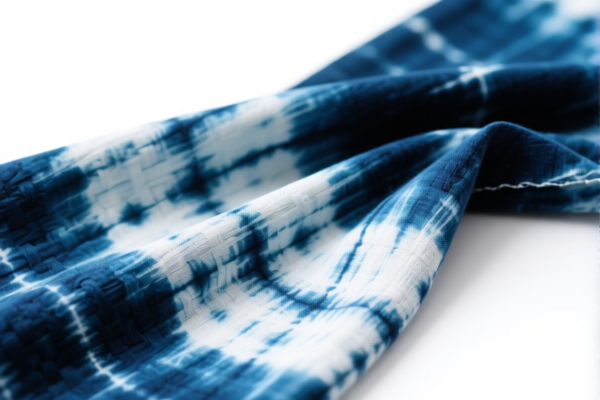
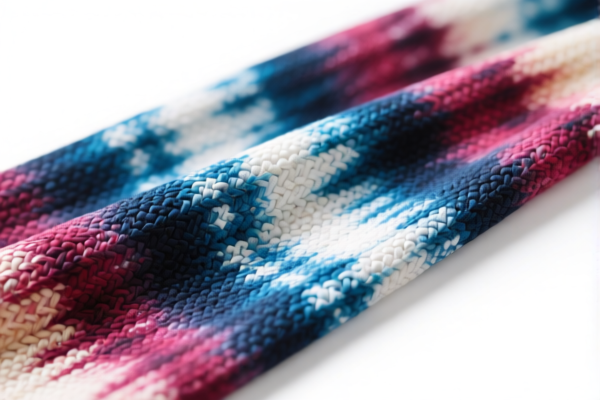


AI Analysis
🧵 Acrylic Woven Wide Fabric: The Plastic-Textile Hybrid Classification Guide
🌐 HS Code Reference & Customs Clearance Guide | 2026 Latest Tariff Analysis | Professional Compliance Strategy
📌 I. Product Definition & Classification: What is "Acrylic Woven Wide Fabric"?
"Acrylic Woven Wide Fabric" in international trade often refers to a complex composite material. It is not a simple 100% acrylic yarn fabric. Instead, it typically denotes plastic-coated or laminated textile fabrics where plastics (often PVC or similar polymers) are impregnated, coated, covered, or laminated onto textile substrates.
In customs classification, the key to identifying the correct HS Code lies in two critical factors: 1. Weight per Square Meter ($kg/m^2$): Is it heavy (>1.492) or light (≤1.492)? 2. Composition: Does the textile component contain man-made fibers (like acrylic/polyester)? Is the plastic content >70%?
⚠️ Critical Distinction:
- If the fabric is heavily coated with PVC (Polyvinyl Chloride) and weighs ≤1.492 kg/m², it may fall under 5903.10.20.90 (Heavy Tariff!).
- If the fabric is a plastic sheet/strip combined with textiles and weighs ≤1.492 kg/m², it falls under 3921.90.11.00.
- If the fabric is a standard woven synthetic fabric without heavy plastic coating, it falls under 5407.91.20.10 or 5407.92.20.10.
📦 II. HS Code Classification Details (2026 Official Tariff Data)
Below are the precise classifications from the provided <DATA>, categorized by physical properties and tariff implications.
| HS Code | Product Description | Key Characteristics | Tariff Rate (Total) |
|---|---|---|---|
3921.90.11.00 |
Other plates, sheets, film, foil, and strip of plastics Combined with textile materials Weighing ≤ 1.492 kg/m² Textile components: Man-made fibers predominate Plastic content: >70% by weight |
Light-weight composite. Think of thin plastic-coated fabrics, tarpaulins, or protective covers. | 0.0% (Base 0% + Add'l 0%) |
3921.90.25.10 |
Other plates, sheets, film, foil, and strip of plastics Combined with textile materials Weighing > 1.492 kg/m² Textile components: Man-made fibers predominate Plastic content: >70% by weight |
Heavy-weight composite. Thicker, more substantial plastic-textile hybrids. | 0.0% (Base 0% + Add'l 0%) |
5903.10.20.90 |
Textile fabrics impregnated, coated, covered, or laminated with plastics With Poly(vinyl chloride) (PVC) Of man-made fibers Plastic content: >70% by weight Weighing ≤ 1.492 kg/m² (Implicitly lighter category for this subheading) |
⚠️ HIGH TARIFF ITEM. Fabric heavily coated with PVC. Common in upholstery, heavy-duty curtains, or industrial covers. | 25.0% (Base 0% + Add'l 25%) |
5903.10.25.00 |
Textile fabrics impregnated, coated, covered, or laminated with plastics With Poly(vinyl chloride) (PVC) Of man-made fibers Other (Not >70% plastic or different weight spec) |
PVC-coated fabric where plastic content is ≤70% or other specific criteria met. | 0.0% (Base 0% + Add'l 0%) |
5407.91.20.10 |
Woven fabrics of synthetic filament yarn Other woven fabrics Unbleached or bleached Mixed mainly/solely with artificial filaments |
Pure Textile. No significant plastic coating/lamination. Just woven synthetic/acrylic yarns. | 0.0% (Base 0% + Add'l 0%) |
5407.92.20.10 |
Woven fabrics of synthetic filament yarn Other woven fabrics Dyed Mixed mainly/solely with artificial filaments or metalized yarn |
Pure Textile (Dyed). Woven synthetic/acrylic fabric, colored/dyed. | 0.0% (Base 0% + Add'l 0%) |
🔍 Key Insight:
The most dangerous code for importers is5903.10.20.90due to the 25% additional tariff. Misclassifying a PVC-coated fabric as a general plastic sheet (3921...) or pure fabric (5407...) can lead to severe penalties, back taxes, and delays.
💰 III. Tariff Rate Details & Legal Basis
Based on the <DATA>, here is the breakdown of taxes applied to these codes. Note that these rates apply to imports from China (implied by the specific additional tariff structures often associated with such data, particularly the 25% on PVC fabrics).
🎯 1. 3921.90.11.00 & 3921.90.25.10 — Plastic-Textile Composites
- Base Tariff: 0.0%
- Additional Tariff: 0.0%
- Total Effective Rate: 0.0%
- Why?: These codes represent plastic sheets/laminates where the textile is secondary or the composition meets specific low-tariff thresholds. No punitive tariffs apply.
🎯 2. 5903.10.20.90 — PVC-Coated Textile Fabric (⚠️ High Risk)
- Base Tariff: 0.0%
- Additional Tariff: 25.0%
- Total Effective Rate: 25.0%
- Why?: This code specifically targets Polyvinyl Chloride (PVC) impregnated/laminated textiles. Many trade agreements and national security tariffs target PVC products from specific regions due to manufacturing subsidies or environmental concerns. This is a punitive tariff layer added on top of the base rate.
🎯 3. 5903.10.25.00 — Other PVC-Coated Textiles
- Base Tariff: 0.0%
- Additional Tariff: 0.0%
- Total Effective Rate: 0.0%
- Why?: This "Other" category likely applies to PVC fabrics that do not meet the ">70% by weight of plastic" threshold or other specific criteria of the higher-tariff subheading. Precision in declaring plastic weight is crucial here.
🎯 4. 5407.91.20.10 & 5407.92.20.10 — Pure Woven Synthetic Fabrics
- Base Tariff: 0.0%
- Additional Tariff: 0.0%
- Total Effective Rate: 0.0%
- Why?: These are standard woven fabrics made from synthetic/Artificial filaments (like acrylic or polyester). They are considered basic textile goods without the "plastic coating" penalty.
🛠️ IV. Customs Clearance Practical Advice (Avoiding Pitfalls)
✅ 1. Documentation Checklist (Must-Have)
| Document | Requirement | Purpose |
|---|---|---|
| Commercial Invoice | Must specify exact material composition (e.g., "60% Acrylic Yarn, 40% PVC Coating") | Determines if it falls under 5903 (Coated) or 5407 (Woven) |
| Product Specification Sheet | Must include Weight per Square Meter ($g/m^2$ or $kg/m^2$) | Critical for distinguishing between 3921.90.11 (≤1.492) and 3921.90.25 (>1.492) |
| Bill of Lading / Packing List | Detailed list of items | Ensures quantity and packaging match invoice |
| Certificate of Origin | Required for trade agreement checks | May help in applying for exemptions (if applicable) |
| Lab Test Report | Recommended | Proves plastic content percentage (e.g., >70% vs <70%) |
✅ 2. Classification Strategy (The "Weight & Composition" Test)
When declaring "Acrylic Woven Wide Fabric," you must answer these two questions to choose the correct HS Code:
-
Is it heavily coated with PVC?
- Yes, and Plastic > 70% weight? → Check
5903.10.20.90(25% Tax!) vs5903.10.25.00(0% Tax). - Yes, but it's a "Sheet/Strip" form? → Check
3921.90...(0% Tax). - No (just woven yarn)? → Check
5407.9...(0% Tax).
- Yes, and Plastic > 70% weight? → Check
-
What is the Weight per Square Meter?
- ≤ 1.492 kg/m²: Use subheadings ending in
11or20. - > 1.492 kg/m²: Use subheadings ending in
25.
- ≤ 1.492 kg/m²: Use subheadings ending in
🔥 Pro Tip: If your fabric is PVC-coated acrylic, the default risk is
5903.10.20.90(25%). To avoid this, prove that: - The plastic content is ≤70% (moves to5903.10.25.00@ 0%). - OR the product is classified as a "Plastic Sheet/Strip" (3921...) if it is in that form (e.g., rolled tarpaulin rather than "fabric" for sewing).
✅ 3. Common Errors & Penalties
| Mistake | Consequence |
|---|---|
Declaring PVC-coated fabric as "Pure Acrylic Fabric" (5407) |
High Risk! Customs will detect PVC coating via X-ray or manual inspection. Penalty: 25% Back Tax + Fine. |
| Ignoring Weight per Sq. Meter | Misclassification between 3921.90.11 and 3921.90.25. While both are 0%, inconsistency in documents can cause delays. |
| Vague Description ("Fabric") | Customs may assign a default higher tariff code or hold shipment for clarification. |
✅ 4. Special Handling for "Wide Fabric"
- "Wide": Ensure dimensions are clearly stated. If the fabric is cut into specific shapes (e.g., bags, covers), it might move to a different chapter (e.g., Chapter 42). Keep it as "Fabric" (Chapter 59 or 39) if it is sold in rolls/unconverted.
- Acrylic Content: "Acrylic" is a man-made fiber. Ensure your supplier provides the fiber composition report to confirm it matches "Man-made fibers predominate" for codes
3921.90.11.00and3921.90.25.10.
🌍 V. Global Market Comparison (Quick Reference)
| Market | Likely HS Code for PVC-Coated Acrylic | Tariff Risk | Action |
|---|---|---|---|
| USA | 5903.10.20.90 (if PVC >70%) |
25% Additional | Verify if PVC exemption applies. Consider alternative materials (e.g., PE coated) for 0% tariff. |
| EU | 5903.10 series |
Varies by country | Usually lower base rates, but check local VAT. |
| China | 5903.10 |
0% Base + 0% Add'l | Import-friendly for raw materials. |
📌 VI. Conclusion: Save Costs by Classifying Correctly
🎯 Remember the Golden Rule:
"PVC + Textile + >70% Plastic = 25% Tax Trap (
5903.10.20.90)"
To Avoid the 25% Tariff:
1. Reformulate: Reduce plastic content to ≤70% (moves to 5903.10.25.00 @ 0%).
2. Reclassify: If the product is essentially a plastic sheet with a textile backing (not a fabric for sewing), classify as 3921.90.11.00 or 3921.90.25.10 (0% Tax).
3. Confirm: If it is purely woven acrylic with no plastic coating, use 5407.91.20.10 or 5407.92.20.10 (0% Tax).
📣 Immediate Action:
📞 Contact your customs broker with the Weight per Sq. Meter and Plastic Percentage. 📄 Request a Pre-Classification Ruling if the product is a new PVC-coated acrylic fabric to avoid surprise 25% duties.
✨ Accurate Classification is Key to Profitability! 💼 Don't let a 25% tariff eat your margin.
Customer Reviews
About HS Code Classification
The Harmonized System (HS) is an internationally standardized nomenclature developed by the World Customs Organization (WCO) to classify traded products. Over 200 countries use the HS system as the basis for customs tariffs, trade statistics, and import/export regulations.
Each HS code follows a hierarchical structure:
- Chapter (2 digits) — Broad category of goods (e.g., Chapter 84: Machinery and Mechanical Appliances)
- Heading (4 digits) — More specific grouping within the chapter
- Subheading (6 digits) — Internationally standardized breakdown, used by all WCO member countries
- National subdivisions (8-10 digits) — Country-specific extensions for further classification, such as US HTSUS 10-digit codes
Correct HS code classification is essential for smooth customs clearance, accurate duty payment, and compliance with trade regulations. Misclassification can lead to customs delays, overpayment of duties, or penalties.
When importing from CN to US, the applicable tariff rates may include:
- Most-Favored-Nation (MFN) rate — The standard duty rate applied to WTO members
- General rate — Applied to countries without trade agreements
- Trade remedy duties — Additional tariffs such as Section 301 (anti-dumping), Section 232 (national security), or countervailing duties
The information provided on this page is for reference purposes only. For official classification, please consult with your local customs authority or a licensed customs broker.