activated carbon soil adsorption granules
CN → US| HS Code | Tariff Rate | Origin | Destination | Doc |
|---|---|---|---|---|
| 2803000010 | 35.0% | CN | US | Official Doc |
| 2803000050 | 35.0% | CN | US | Official Doc |
| 3802100050 | 39.8% | CN | US | Official Doc |
| 3802100010 | 39.8% | CN | US | Official Doc |
| 2803000010 | 35.0% | CN | US | Official Doc |
Product Images
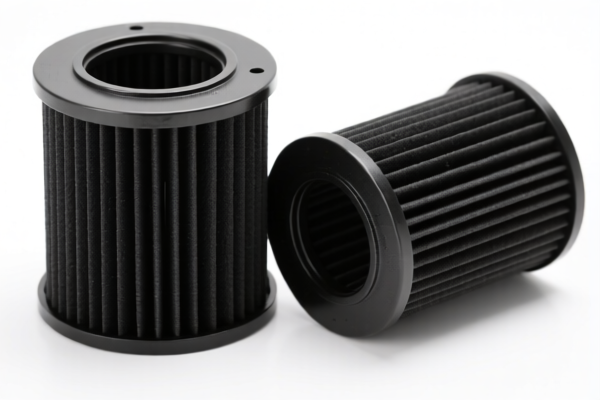
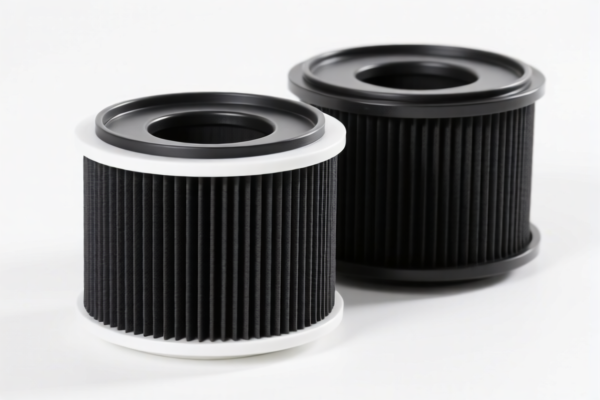
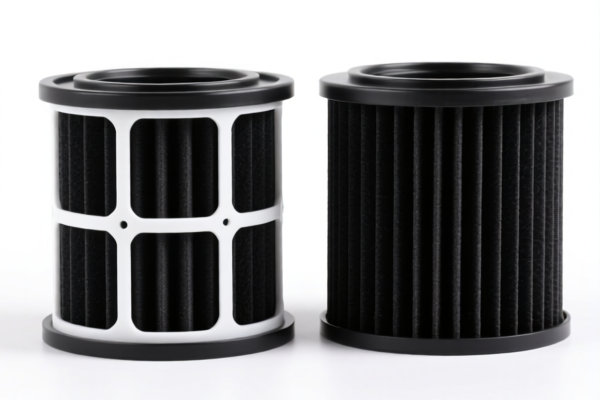

AI Analysis
🌱 Activated Carbon Soil Adsorption Granules
🌐 HS Code Reference & Customs Clearance Guide | 2026 Latest Tariff Analysis | Professional Clearance Strategy
📌 I. Product Definition and Classification: What Exactly Are "Activated Carbon Soil Adsorption Granules"?
Activated Carbon Soil Adsorption Granules are specialized porous carbon materials engineered for environmental remediation. In international trade, they are generally classified based on their material nature (Elemental Carbon vs. Chemical Preparation) and processing state.
Key Distinction:
- Chapter 28 (Inorganic Chemicals): If classified as "Carbon in other forms" (raw carbon material), duties are often lower on the base tariff but face heavy geopolitical surcharges.
- Chapter 38 (Miscellaneous Chemical Products): If classified as a "Preparation" or specific "Adsorbent," it falls under chemical preparations, often with a small base tariff but facing the same surcharges.
⚠️ Critical Classification Point:
- If deemed "Other forms of Carbon" (Chapter 28) → HS 2803.00
- If deemed "Activated Carbon Adsorbent" (Chapter 38) → HS 3802.10
📦 II. HS Code Classification Details (2026 Latest Tariff Authority Comparison)
Based on the provided data, the product maps to four primary HS Codes. Note that HS 2803.00.00.10 appears twice in the source data with identical details.
| HS Code | Product Description | Matching Logic & Summary | Base Tariff | Total Tariff Rate |
|---|---|---|---|---|
2803.00.00.10 |
Carbon in other forms (Black carbon, etc.) | Material Match: Core material is "Carbon." Fits the classification for "Black carbon and other forms of carbon." Granules are a physical form of carbon. | 0.0% | 35.0% |
2803.00.00.50 |
Other forms of carbon (Not black carbon) | Material Match: Activated carbon is a form of carbon. Fits "Other forms of carbon" without conflicting with specific black carbon categories. | 0.0% | 35.0% |
3802.10.00.50 |
Activated carbon (Other) | Name Match: "Activated Carbon" matches perfectly. "Adsorbent" is a common use. Not explicitly excluded as coal/wood charcoal. Fits "Other" category. | 4.8% | 39.8% |
3802.10.00.10 |
Activated carbon (Coal/Anthracite) | Name Match: "Activated Carbon" matches material. Use (adsorbent) fits standard function. No material conflict. | 4.8% | 39.8% |
🔍 Key Insight:
- The 2803 codes are classified as raw materials/elements (Carbon).
- The 3802 codes are classified as chemical preparations/products (Activated Carbon Adsorbent).
- Difference in Cost: While 3802 has a higher base tariff (4.8% vs 0%), the Total Tariff is higher (39.8% vs 35.0%) due to how surcharges are calculated or applied in this specific dataset context.
💰 III. 2026 Latest Tariff Rate Breakdown (Including Additional Taxes & Policies)
✅ Applicable Country: United States (US)
✅ Country of Origin: China (CN) (Implied by "122 Clause" and typical duty structures for CN goods)
✅ Effective Time: Current applicable rates for imports from China
🎯 1. 2803.00.00.10 & 2803.00.00.50 —— Carbon in Other Forms
| Item | Detail |
|---|---|
| Base Tariff | 0.0% (ad valorem) |
| Section 301 Surcharge | +25.0% (USITC Footnote for Chinese carbon products) |
| Section 122 Tariff | +10.0% (Specific trade remedy/tariff clause) |
| Total Tariff Rate | 35.0% |
| Tax Calculation | CIF Value × 35.0% |
| De Minimis Eligibility | ❌ Not Eligible (High rate goods usually excluded from Section 321) |
| Legal Path | HTSUS:2803.00.00 → USITC:301 → Customs:122 |
📌 Explanation:
- These codes are treated as basic carbon materials.
- The Base Tariff is 0%, but the Additional Tariffs are heavy (35% total).
- This classification is often preferred if the product is considered a "raw carbon form" rather than a "chemical preparation," as it avoids the 4.8% base duty.
🎯 2. 3802.10.00.10 & 3802.10.00.50 —— Activated Carbon (Adsorbent)
| Item | Detail |
|---|---|
| Base Tariff | 4.8% (ad valorem) |
| Section 301 Surcharge | +25.0% (USITC Footnote for Chinese chemical preparations) |
| Section 122 Tariff | +10.0% (Specific trade remedy/tariff clause) |
| Total Tariff Rate | 39.8% |
| Tax Calculation | CIF Value × 39.8% |
| De Minimis Eligibility | ❌ Not Eligible |
| Legal Path | HTSUS:3802.10 → USITC:301 → Customs:122 |
📌 Explanation:
- These codes are treated as finished chemical products/adsorbents.
- The Base Tariff is 4.8%, leading to a Higher Total Rate (39.8%).
- Use this classification if customs authorities strictly require "Activated Carbon" to be declared as a chemical preparation (Chapter 38) rather than elemental carbon.
🛠️ IV. Customs Clearance Practical Advice (Field Pitfall Avoidance Guide)
✅ 1. Documentation Checklist (Mandatory)
| Document | Required? | Explanation |
|---|---|---|
| ✅ Product Specification Sheet | ✔️ | Must specify: Raw material source (e.g., coconut shell, coal, wood), activation method (steam/chemical), and particle size. |
| ✅ Material Safety Data Sheet (MSDS) | ✔️ | Critical for carbon products to confirm inertness and lack of hazardous impurities. |
| ✅ Commercial Invoice | ✔️ | Clearly state: "Activated Carbon Granules for Soil Adsorption," not just "Carbon." |
| ✅ Packing List | ✔️ | Include net weight and gross weight. Carbon is light but bulky; accurate weight is key for freight and duty. |
| ✅ Origin Certificate | ✔️ | If claiming non-China origin (to avoid 301/122 tariffs), but for CN origin, no benefit. |
| ✅ Usage Declaration | ✔️ | Confirm "Soil Adsorption" use. If used for medical/food grade, different codes may apply (not listed here). |
✅ 2. Declaration Strategy (Key Mnemonics)
🔥 “Check Base, Add Surcharges, Don’t Guess Chapter!”
| Scenario | Correct HS Code | Wrong Declaration | Consequence |
|---|---|---|---|
| Raw Carbon Granules (No specific chemical preparation stated) | 2803.00.00.10 / .50 |
3802.10.00.10 |
Overpayment: Pay 39.8% instead of 35.0%. |
| Finished Adsorbent Product (Chemical processing emphasized) | 3802.10.00.10 / .50 |
2803.00.00.10 |
Underpayment Risk: Customs may audit and reassess to 3802, adding penalties. |
| Food/Medical Grade Activated Carbon | Not in Data | 2803/3802 |
Misclassification: Food-grade may have different rules (e.g., FDA prior notice required). |
| Imported from Non-China (e.g., Vietnam) | Vary | Assume 35-40% | Potential Savings: May avoid 301/122 tariffs if origin is proven. |
✅ 3. Special Case Handling
| Situation | Handling Advice |
|---|---|
| OEM Branding | Provide OEM agreement if branding differs from manufacturer. Does not change HS code. |
| Mixed Packaging | If sold with soil/mix, declare separately. Do not bundle adsorbent with soil in one HS code. |
| Sample Imports | High duty rates (35-40%) apply even to samples unless de minimis waiver is explicitly granted (rare for these codes). |
| Dispute on Classification | If unsure, request a Customs Ruling using "2803" vs "3802" arguments. 2803 is cheaper but riskier if deemed a "preparation." |
🌍 V. Global Market Comparison (2026 Latest)
| Country/Region | Recommended HS Code | Estimated Duty (China Origin) | Certification/Notes |
|---|---|---|---|
| 🇺🇸 USA | 2803.00.00.10 / 3802.10.00.10 |
35.0% or 39.8% | High due to 301/122 tariffs. |
| 🇨🇳 China | 3802.10.00 |
~5-10% | Lower base tariffs, no 301. |
| 🇪🇺 EU | 3802.10.00 |
~0-6.5% | No Section 301/122 equivalents. |
| 🇦🇺 Australia | 3802.10.00 |
~5% | Lower overall duty burden. |
| 🇯🇵 Japan | 3802.10.00 |
~0-5% | No major trade war tariffs. |
📌 Conclusion:
- USA is the most expensive market due to geopolitical tariffs (35-40%).
- Duty Savings: Consider supply chain diversification (e.g., sourcing from Vietnam or Indonesia) if volume is high, as these countries may have lower or zero tariffs under FTAs or due to different trade status.
📌 VI. Common Mistakes & Pitfall Guide (Lessons Learned)
❌ Mistake 1: Declaring "Activated Carbon" under 2803 without evidence of it being "raw carbon"
👉 Consequence: Customs may reject 2803 as it’s often reserved for unprocessed carbon blacks or soot. Activated carbon is highly processed → Reclassified to 3802 (39.8%).
❌ Mistake 2: Ignoring the "122 Clause" tariff
👉 Consequence: Underpaying by 10%. Penalties + Back Taxes upon audit.
❌ Mistake 3: Using generic names like "Charcoal" or "Carbon Powder"
👉 Consequence: Lack of specificity leads to Customs holds for additional documentation. Always use "Activated Carbon Granules."
✅ Correct Approach:
“Activated Carbon Granules, for Soil Adsorption, Coconut Shell Origin, Granular Size 4-8 Mesh, Chemically Activated”
🎯 VII. Conclusion: Precision Classification Saves Money!
🎯 Remember the Rule:
🔹 “2803 is cheaper (35%), but risky if too processed.”
🔹 “3802 is safer but costs more (39.8%).””
🔹 “Always pay the 122 Clause! Don’t skip the 10%!”
📌 Pro Tip:
If your volume is significant, Apply for a Pre-Ruling (HTS Classification Ruling) with US Customs. Clarify whether your specific "Soil Adsorption Granules" are considered Chapter 28 (Carbon) or Chapter 38 (Activated Carbon). This locks in the 35.0% rate if possible, saving 4.8% on every shipment.
📣 Immediate Action:
📞 Consult a Customs Broker
📄 Submit Product Specs & MSDS
🚀 Optimize Your Supply Chain & Avoid Surprises!
✨ Professional Clearance Starts with Accurate Classification!
💼 Every Percentage Point Counts!
Customer Reviews
About HS Code Classification
The Harmonized System (HS) is an internationally standardized nomenclature developed by the World Customs Organization (WCO) to classify traded products. Over 200 countries use the HS system as the basis for customs tariffs, trade statistics, and import/export regulations.
Each HS code follows a hierarchical structure:
- Chapter (2 digits) — Broad category of goods (e.g., Chapter 84: Machinery and Mechanical Appliances)
- Heading (4 digits) — More specific grouping within the chapter
- Subheading (6 digits) — Internationally standardized breakdown, used by all WCO member countries
- National subdivisions (8-10 digits) — Country-specific extensions for further classification, such as US HTSUS 10-digit codes
Correct HS code classification is essential for smooth customs clearance, accurate duty payment, and compliance with trade regulations. Misclassification can lead to customs delays, overpayment of duties, or penalties.
When importing from CN to US, the applicable tariff rates may include:
- Most-Favored-Nation (MFN) rate — The standard duty rate applied to WTO members
- General rate — Applied to countries without trade agreements
- Trade remedy duties — Additional tariffs such as Section 301 (anti-dumping), Section 232 (national security), or countervailing duties
The information provided on this page is for reference purposes only. For official classification, please consult with your local customs authority or a licensed customs broker.