adjustable table leg
CN → US| HS Code | Tariff Rate | Origin | Destination | Doc |
|---|---|---|---|---|
| 9403100040 | 85.0% | CN | US | Official Doc |
| 9403704020 | 35.0% | CN | US | Official Doc |
| 9403308090 | 35.0% | CN | US | Official Doc |
| 9403999045 | 85.0% | CN | US | Official Doc |
| 9403100040 | 85.0% | CN | US | Official Doc |
Product Images
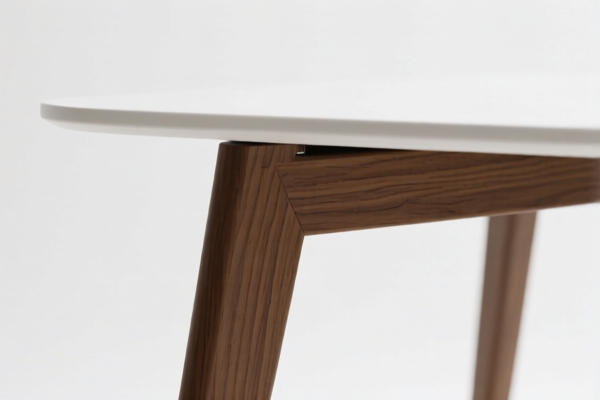
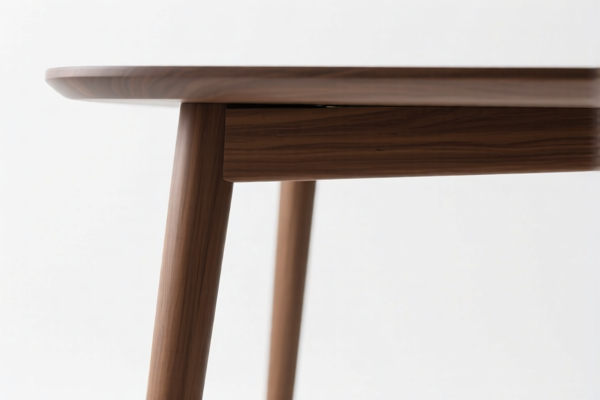
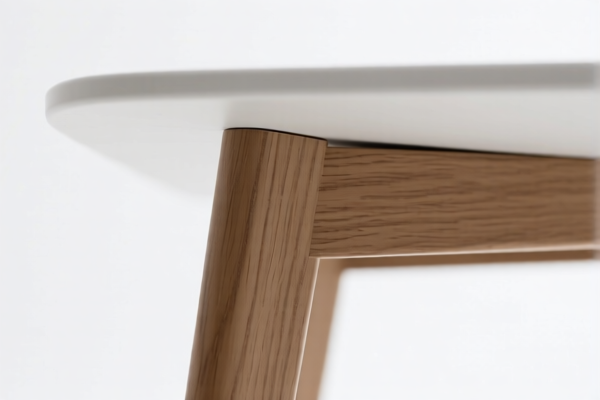
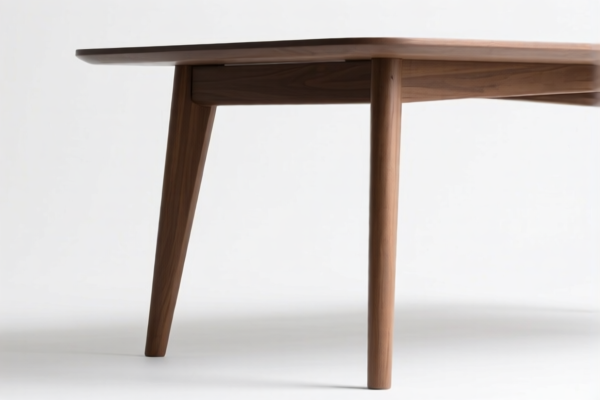
AI Analysis
🪑 Adjustable Table Legs (Office Furniture Components)
🌐 HS Code Reference & Customs Clearance Guide | 2026 Latest Tariff Analysis | Professional Clearance Strategy
📌 I. Product Definition & Classification: Do You Truly Understand "Adjustable Table Legs"?
Adjustable table legs are critical structural components for modern office furniture, particularly sit-stand desks and modular workstations. In international trade, their classification is highly sensitive to material composition and intended use. They are generally categorized under Chapter 94 (Furniture), but the specific subheading depends on whether they are considered standalone furniture parts or integrated into a specific furniture type.
Key Classification Logic: * Metal Adjustable Legs: Often classified under 9403.10 (Metal Furniture) or 9403.99 (Parts of Furniture). Note: Metal furniture parts from China face significantly higher tariffs due to Section 232/301 implications. * Wood/Composite Adjustable Legs: Classified under 9403.30 (Wooden Office Furniture). * Generic "Legs" (Parts): If the material is unclear or mixed, customs may default to the "Other" category, which can attract higher duties depending on the base material assumption.
⚠️ Critical Distinction:
- If the legs are sold as complete office tables (with tops), they fall under 9403.10 (Metal) or 9403.30 (Wood).
- If sold separately as spare parts/components, they are classified as parts of furniture (9403.99).
- Material Assumption: In the absence of explicit material declaration, customs may infer "Metal" for adjustable mechanisms (due to motors/hydraulics), triggering higher "Steel/Aluminum/Copper" surcharges.
📦 II. HS Code Classification Details (2026 Latest Tariff Authority)
The following table maps the input "Adjustable Table Legs" to the specific HS Codes and summaries provided in the data.
| HS Code | Summary / Description | Material Inference | Applicability |
|---|---|---|---|
9403.10.00.40 |
Adjustable table legs; inferred material: Metal. Purpose: Office furniture parts/components. Category: "Other" metal office furniture. | Metal | High-duty scenario for metal parts. |
9403.70.40.20 |
Adjustable table legs; matches use (Office) and form (Furniture Parts). Suitable for office scenarios. | Mixed/General | Standard office component classification. |
9403.30.80.90 |
Adjustable height tables; matches use (Office) and form (Table). Assumed: Non-prestige wood or composite. Category: "Other" wooden office furniture. | Wood/Composite | Applies if the leg is part of a wooden desk unit or assumed wooden. |
9403.99.90.45 |
Table legs; classified as furniture parts. Material inferred as metal or wood. No conflict with "Other metal furniture parts". | Metal or Wood | Generic parts classification. |
9403.10.00.40 |
Adjustable height tables; matches use (Office/Desktop) and material (Metal/Wood inferred). Fits office furniture classification logic. | Metal/Wood | Repeated classification for adjustable height units. |
🔍 Key Takeaway:
- The HS Code9403.10.00.40appears twice, indicating it is a primary classification for metal-based adjustable height solutions (often motors/hydraulics inside metal legs).
-9403.30.80.90is the lowest duty option (35%) if the product can be legitimately classified as wooden/composite office furniture.
-9403.70.40.20and9403.99.90.45represent alternative classifications with varying duty rates based on specific material proofs.
💰 III. 2026 Latest Tariff Rate Breakdown (Including Surcharges & Policies)
✅ Applicable Country: United States (US)
✅ Origin: China (CN)
✅ Effective Time: 2025-11-10 onwards (including subsequent imports)
🎯 1. High-Tariff Scenarios: Metal-Heavy Classifications
HS Codes: 9403.10.00.40, 9403.99.90.45
| Item | Content |
|---|---|
| Base Tariff | 0% (Ad Valorem) |
| Section 301 Surcharge | +25% |
| Section 122/IEEPA Surcharge | +10% |
| Steel/Aluminum/Copper Surcharge | +50% |
| Total Tariff Rate | 85.0% |
| Tax Calculation | CIF Value × 85% |
| De Minimis Exemption | ❌ Not Applicable (High duty goods are generally excluded from de minimis thresholds if duties exceed certain limits) |
| Legal Basis Path | Section 301: 25% → IEEPA: 10% → Section 232/Steel: 50% |
📌 Explanation:
- The 85% total rate is driven by the aggressive 50% surcharge on Steel/Aluminum/Copper products. If the adjustable legs contain metal components (which is standard for adjustable height mechanisms), this surcharge applies.
- The 25% Section 301 and 10% IEEPA are standard for Chinese-origin goods in this category.
- Result: This is a prohibitive duty rate. Importers must carefully consider if the "Metal" classification is unavoidable or if a "Wood/Composite" classification is defensible.
🎯 2. Lower-Tariff Scenarios: Wood/Mixed Classifications
HS Codes: 9403.70.40.20, 9403.30.80.90
| Item | Content |
|---|---|
| Base Tariff | 0% (Ad Valorem) |
| Section 301 Surcharge | +25% |
| Section 122/IEEPA Surcharge | +10% |
| Steel/Aluminum/Copper Surcharge | 0% (Not applicable if classified as wood/generic office parts without specific metal surcharge triggers) |
| Total Tariff Rate | 35.0% |
| Tax Calculation | CIF Value × 35% |
| De Minimis Exemption | ❌ Not Applicable (Standard for these duty levels) |
| Legal Basis Path | Section 301: 25% → IEEPA: 10% |
📌 Explanation:
- The 35% total rate is significantly lower because it avoids the 50% Steel/Aluminum surcharge.
-9403.30.80.90assumes the product is "Wooden Office Furniture" (or composite). If the legs are made of wood or the assembly is primarily wooden, this classification is valid.
-9403.70.40.20is a "General Office Parts" classification that does not explicitly trigger the metal surcharge if the material proof is not metallic.
🛠️ IV. Customs Clearance Practical Advice (Real-World Pitfall Guide)
✅ 1. Preparation Checklist (Essential Documents)
| Document | Required | Description |
|---|---|---|
| ✅ Product Specifications | ✔️ | Detailed specs: Height range, load capacity, motor type (if electric), Material Declaration (Crucial: Is it Steel, Aluminum, Wood, or Plastic?). |
| ✅ Material Certificate | ✔️ | Proof of material composition. Key Strategy: If legs are wood or aluminum (not steel), argue against the 50% steel surcharge. |
| ✅ Product Photos | ✔️ | Clear images of the leg, joints, and any branding. Must show if it's a standalone part or part of a table. |
| ✅ Commercial Invoice | ✔️ | Must clearly state: "Adjustable Table Leg, Part for Office Furniture, Model XYZ". Avoid vague terms like "Furniture". |
| ✅ Packing List | ✔️ | Separate lines for legs if sold as parts. |
| ✅ HS Code Pre-Ruling | ✔️ | Highly Recommended. Request a CBP binding ruling to confirm if the 50% metal surcharge applies. |
✅ 2. Declaration Strategy (Key Mnemonic)
🔥 "Material Defines Duty, Part vs. Whole, Avoid Metal Surcharge!"
| Scenario | Correct Declaration | Wrong Practice | Consequence |
|---|---|---|---|
| Metal Legs with Motors | 9403.10.00.40 (85%) |
Try to claim as wood | Audit Risk + Back Taxes |
| Wooden/Composite Legs | 9403.30.80.90 (35%) |
Declare as metal | Penalty for Misclassification |
| Legs sold with Table Top | Declare as Complete Table (9403.10 or 9403.30) |
Declare as "Parts" | Higher duty on parts? Or lower on whole? Compare! |
| Generic "Legs" | 9403.99.90.45 (85%) if metal; 9403.70... (35%) if general |
Vague description "Furniture Piece" | Delays, Seizures, 10% penalty |
💡 Strategic Insight:
- If the legs are aluminum or plastic-coated, you may argue against the 50% Steel Surcharge. Check if "Aluminum" is subject to the same 50% rule in the specific HTS footnote. (Data suggests Steel/Aluminum/Copper are grouped, so this is risky unless exempted).
- If the product is primarily wooden (e.g., wood top, metal brackets), classify the table as wooden (9403.30) if possible, rather than the leg as a metal part.
✅ 3. Special Case Handling
| Case | Handling Advice |
|---|---|
| Adjustable Height Desks (Electric) | Often classified as 9403.10 (Metal) due to motor housing. Expect 85% duty. Consider if the motor is a separate HS code to potentially offset? (Usually not allowed, parts are ancillary). |
| Manual Crank Legs | If crank is metal, still likely 9403.10. Try to argue "Mechanical Part" under different chapter? (Unlikely, Ch. 94 takes precedence for furniture). |
| Import from Vietnam/Mexico | If legs are assembled in Vietnam/Mexico from Chinese parts, ensure Substantial Transformation criteria are met to avoid Chinese origin duties. |
| De Minimis (Section 321) | Highly Risky. With 35-85% duties, small shipments may still be seized or demand full entry bond. Do not rely on de minimis for high-duty goods. |
🌍 V. Global Market Clearance Comparison (2026 Latest)
| Country/Region | Recommended HS Code | Tariff (China Origin) | Certification Required | Notes |
|---|---|---|---|---|
| 🇺🇸 USA | 9403.10.00.40 (Metal) |
85% (Steel/Alum surcharge) | None specific, but proof of origin needed. | Highest Duty. Try for 9403.30 (35%) if wood. |
| 🇺🇸 USA | 9403.30.80.90 (Wood) |
35% | None specific. | Preferred. Requires wood proof. |
| 🇨🇳 China | 9403.10.00.40 |
10-15% (MFN) | CCC (if applicable for furniture) | Lower duty, but export restrictions may apply. |
| 🇪🇺 EU | 9403.10 / 9403.30 |
0% - 6% | CE (if electric), FSC (if wood). | No Section 301 equivalent. Easier clearance. |
| 🇬🇧 UK | 9403.10 / 9403.30 |
0% - 6% | UKCA. | Post-Brexit rules apply. |
📌 Conclusion:
- USA is the most expensive market for adjustable table legs due to the 85% effective rate for metal products.
- Strategy: If possible, design or source legs made of non-steel materials (e.g., wood, plastic, aluminum if exempt) to drop to 35%.
- Documentation: The Material Declaration is the single most important document to avoid the 50% steel surcharge.
📌 VI. Common Errors & Pitfall Guide (Lessons Learned)
❌ Error 1: Assuming all "Adjustable Legs" are metal and paying 85% without checking material proof.
👉 Fix: If legs are wood or composite, declare under 9403.30 to save 50%.
❌ Error 2: Declaring "Table Parts" without specifying material.
👉 Consequence: Customs will assume the most dutiable material (Steel) → 85% duty.
❌ Error 3: Splitting shipment (Legs vs. Table Top) to avoid duty.
👉 Consequence: If sold as a set, CBP may require single entry. If split, each part is taxed. Metal legs at 85% may be worse than the whole table at 35%. Compare Total Landed Cost.
❌ Error 4: Ignoring the 122 IEEPA 10% Surcharge.
👉 Consequence: Budget only for Section 301 (25%) and get hit with an extra 10%. Always calculate 35% Minimum.
✅ Correct Declaration Example:
"Adjustable Height Table Leg, Material: Powder-Coated Steel, For Office Desk, Model AL-200, Made in China. HS: 9403.10.00.40"
OR
"Office Desk Leg Assembly, Wood Top, Metal Brackets, Material: Composite Wood & Steel, HS: 9403.30.80.90"
🎯 VII. Conclusion: Precise Classification Saves Thousands!
🎯 Key Takeaways:
🔹 "Metal Means 85%, Wood Means 35% - Choose Your Material Wisely!"
🔹 "De Minimis is Dead for High Duty - Always Declare Properly!"
🔹 "Proof of Material is Your Best Friend - Keep Certificates Ready!"
📌 Pro Tip:
If your business volume is high, apply for a Binding Tariff Information (BTI) or Advance Ruling from CBP to lock in the 35% rate if your legs can be argued as non-steel or composite. This provides legal certainty and protects against audits.
📣 Call to Action:
📞 Consult a Licensed Customs Broker
📄 Prepare Material Certificates & Product Photos
🚀 Optimize HS Code to Minimize Landed Cost
✨ Professional Clearance Starts with Accurate Classification!
💼 Every Percent of Duty Saved is Pure Profit!
Customer Reviews
About HS Code Classification
The Harmonized System (HS) is an internationally standardized nomenclature developed by the World Customs Organization (WCO) to classify traded products. Over 200 countries use the HS system as the basis for customs tariffs, trade statistics, and import/export regulations.
Each HS code follows a hierarchical structure:
- Chapter (2 digits) — Broad category of goods (e.g., Chapter 84: Machinery and Mechanical Appliances)
- Heading (4 digits) — More specific grouping within the chapter
- Subheading (6 digits) — Internationally standardized breakdown, used by all WCO member countries
- National subdivisions (8-10 digits) — Country-specific extensions for further classification, such as US HTSUS 10-digit codes
Correct HS code classification is essential for smooth customs clearance, accurate duty payment, and compliance with trade regulations. Misclassification can lead to customs delays, overpayment of duties, or penalties.
When importing from CN to US, the applicable tariff rates may include:
- Most-Favored-Nation (MFN) rate — The standard duty rate applied to WTO members
- General rate — Applied to countries without trade agreements
- Trade remedy duties — Additional tariffs such as Section 301 (anti-dumping), Section 232 (national security), or countervailing duties
The information provided on this page is for reference purposes only. For official classification, please consult with your local customs authority or a licensed customs broker.