age appropriate toys
CN → US| HS Code | Tariff Rate | Origin | Destination | Doc |
|---|---|---|---|---|
| 9505906000 | 10.0% | CN | US | Official Doc |
| 9505902000 | 10.0% | CN | US | Official Doc |
| 9503000073 | 10.0% | CN | US | Official Doc |
| 9503000071 | 10.0% | CN | US | Official Doc |
Product Images
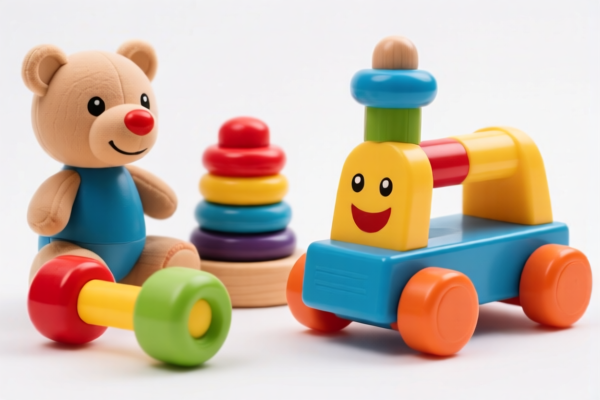
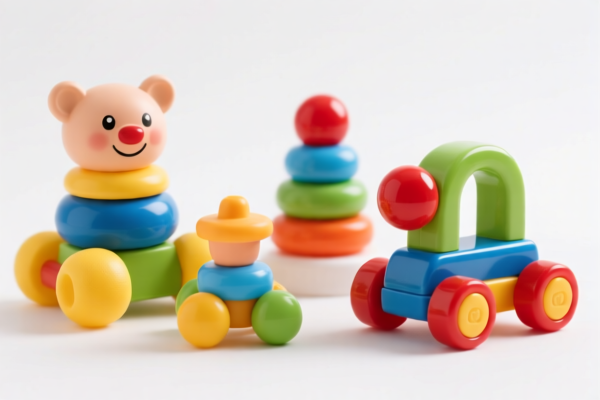

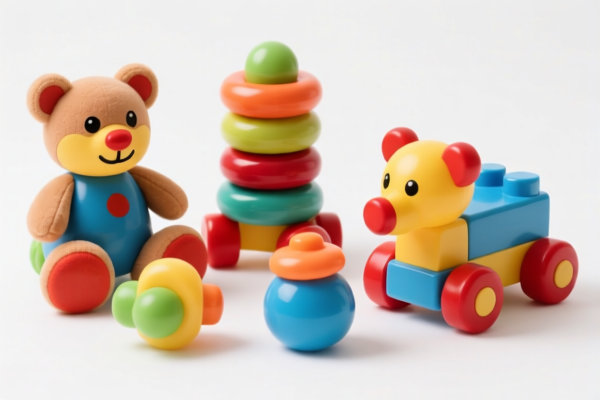
AI Analysis
🧸 Age Appropriate Toys (Children’s Products & Recreational Goods)
🌐 HS Code Reference & Customs Clearance Guide | 2026 Latest Tariff Analysis | Professional Customs Strategy
📌 I. Product Definition & Classification: Do You Understand "Age-Appropriate Toys"?
"Age-Appropriate Toys" refer to play items specifically designed, marketed, or categorized based on the developmental stage, physical capability, or interest of a specific age group of children (typically ranging from infants to pre-teens). In international trade, these items fall primarily under Chapter 95 (Toys, Games, and Sports requisites).
The classification depends heavily on: 1. Intended Age Group: Does it target infants/toddlers (3-12 years) or older children/adults for entertainment? 2. Function: Is it primarily a "toy" for play, or a "recreational article" for holidays/parties? 3. Material/Structure: Are there specific material restrictions (e.g., wood, plastic) that push it into specific subheadings?
⚠️ Key Distinction Point:
- If the toy is designed for children aged 3-12 and fits the general definition of a "toy" → It likely falls under 9503.00 (Tricycles, dolls, puzzles, etc., specifically for children).
- If the toy is a general recreational/entertainment item (e.g., party favors, holiday decorations, generic play items) without a specific "child-focused" mechanical or structural designation → It may fall under 9505.90 (Festive, carnival, or other entertainment articles).
- No Material Conflict: The summaries indicate no specific material conflicts (e.g., specific wood vs. plastic exclusions) override the functional classification.
📦 II. HS Code Classification Details (2026 Latest Tariff Authority Comparison)
| HS Code | Product Description | Applicable Scenario | Key Classification Logic |
|---|---|---|---|
9503.00.00.73 |
Toys for children aged 3-12; specific age-related play items | Educational toys, developmental playsets, specific age-branded toys | ✅ High Match: "Age related" directly aligns with "3 to 12 years" definition. Purpose is clearly "toy". |
9503.00.00.71 |
Children's products / Toys for children | General children's toys, developmental aids, child-specific recreational items | ✅ High Match: "Age related toys" matches "Children's products" and "toys" purpose. No material conflict. |
9505.90.60.00 |
Other festive, carnival, or recreational articles (including toys) | Party toys, holiday-themed play items, generic recreational goods | ⚠️ Potential Match: "Toys" fit the "recreational" use. Classified as a "catch-all" (other) category. |
9505.90.20.00 |
Other festive, carnival, or recreational articles (specific sub-category) | Age-related recreational items falling under "other" recreational goods | ⚠️ Potential Match: "Age-related toys" are recreational. Logic aligns with "festival/carnival/entertainment" use. No material conflict. |
🔍 Critical Reminder:
- 9503.00 is the primary chapter for "Toys" specifically intended for children. If the product is clearly marketed as a toy for a specific child age group, 9503.00.00.71 or 9503.00.00.73 is the most precise and defensible classification.
- 9505.90 is a "Other" (catch-all) category for festive/entertainment items. It is only used if the item does not fit the specific definitions in 9503-9504.
- Do Not Split: If an item is a complete toy, do not split it into parts (e.g., toy + packaging) for classification purposes unless declared separately.
💰 III. 2026 Latest Tariff Rate Breakdown (Including Additional Taxes & Policy Surcharges)
✅ Applicable Country: United States (US)
✅ Country of Origin: China (CN)
✅ Effective Date: November 10, 2025 (and subsequent imports)
🎯 1. 9503.00.00.73 & 9503.00.00.71 —— Toys for Children (Age 3-12 / Children's Products)
| Item | Content |
|---|---|
| Base Tariff Rate | 0% (ad valorem) |
| USITC Additional Tax | 0.0% |
| Section 122 Tax (IEEPA) | +10% (Targeting China/Hong Kong products, effective Nov 10, 2025) |
| Total Tariff Rate | 10.0% |
| Tax Calculation | CIF Value × 10% |
| De Minimis Exemption Eligibility | ❌ Not Applicable (Standard de minimis rules may not apply to Section 122 taxed items; check specific carrier policies, but generally subject to duty). |
| Legal Basis Path | IEEPA:9903.01.25 → USITC:9503.00.00.71 / 9503.00.00.73 → FOOTNOTE:122 |
📌 Explanation:
- The 10% "Section 122 Tax" is a new surcharge imposed on specific Chinese-origin goods.
- Base duty is 0%, so the total effective duty is 10%.
- This is significantly lower than the 25% Section 301 tariffs on many other Chinese goods, but still higher than the 0% base rate.
- Must Declare: Clearly mark "Made in China" and provide proof of origin if claiming exemption (unlikely for this category under Section 122).
🎯 2. 9505.90.60.00 & 9505.90.20.00 —— Other Festive/Recreational Articles (Catch-All Toys)
| Item | Content |
|---|---|
| Base Tariff Rate | 0% (ad valorem) |
| USITC Additional Tax | 0.0% |
| Section 122 Tax (IEEPA) | +10% (Targeting China/Hong Kong products, effective Nov 10, 2025) |
| Total Tariff Rate | 10.0% |
| Tax Calculation | CIF Value × 10% |
| De Minimis Exemption Eligibility | ❌ Not Applicable |
| Legal Basis Path | IEEPA:9903.01.25 → USITC:9505.90.60.00 / 9505.90.20.00 → FOOTNOTE:122 |
📌 Note:
- Even if classified under the broader "Recreational/Festive" category, the Section 122 10% surcharge still applies to Chinese-origin goods.
- Total Rate is 10%, same as the specific "Toy" codes.
- Risk: Classifying as9505instead of9503may trigger additional scrutiny from CBP if the item is clearly a children's toy, potentially leading to reclassification and penalties.
🛠️ IV. Customs Clearance Practical Advice (Field Pitfall Avoidance Guide)
✅ 1. Required Documentation Checklist (Non-Negotiable)
| Document | Mandatory? | Description |
|---|---|---|
| ✅ Product Specifications | ✔️ | Must clearly state Age Range (e.g., "Ages 3-5", "For Children 8-12"). |
| ✅ Product Photos | ✔️ | Clear images of the toy, packaging, and any warning labels (e.g., "Small Parts – Choking Hazard"). |
| ✅ Commercial Invoice | ✔️ | Must list "Age Appropriate Toys", HS Code, Origin (China), and Unit Price. |
| ✅ Packaging List | ✔️ | Show items included in each box to prevent "missing item" claims. |
| ✅ Certification Documents | ✔️ | CPSIA, ASTM F963, CPC (Children’s Product Certificate) are CRITICAL for toys in the US. |
| ✅ Labeling Compliance | ✔️ | Ensure products have permanent age warnings and tracking labels as per US CPSC rules. |
✅ 2. Declaration Tips (Key Mantra)
🔥 “Age is Key, CPC is Mandatory, 10% is the Cost!”
| Scenario | Correct Declaration Method | Incorrect Practice |
|---|---|---|
| Toy for Kids (3-12) | HS: 9503.00.00.71 or .73 |
Declaring as "Gift" or "Sample" to avoid duty → High Risk of Penalty |
| Party Favor / Holiday Toy | HS: 9505.90.20.00 or .60 |
Declaring as "Plastic Toy" → May be reclassified to 9503, same rate, but delays clearance |
| Origin: China | Clearly state "Origin: China" on Invoice | Hiding origin → Seizure & Fines due to Section 122 applicability |
| Compliance | Provide CPC (Children's Product Certificate) | No CPC → Refusal of Entry by CBP |
📌 Critical Note:
- CPC is Law: For any product marketed as "Age Appropriate for Children," a Children's Product Certificate (CPC) is mandatory. Without it, CBP will refuse entry regardless of HS Code or duty.
- Section 122 is Inescapable: For Chinese-origin goods, the 10% surcharge applies. Do not attempt to evade it via misdeclaration.
✅ 3. Special Cases & Handling
| Scenario | Handling Advice |
|---|---|
| Mixed Ages (e.g., "Ages 3+") | Declare under 9503.00.00.73 (3-12 years) if the majority of play value is for that range. Provide clear age ranges on packaging. |
| Adult Collectibles | If "Age Appropriate" means "Adults," it may fall under 9505.90 or even 9704.00 (Collectors' pieces). Do not declare as Children's Toy → Avoid CPC requirement but ensure correct HS Code. |
| Educational Toys | Still classified as Toys (9503) unless they are strictly "Educational Machinery" (rare). CPC is still required. |
| Drop Shipping (De Minimis) | While Section 301 taxes may not apply to de minimis, Section 122 rules are evolving. Assume 10% duty is payable and factor it into pricing. |
🌍 V. Global Market Comparison for Toys (2026 Latest)
| Country/Region | Recommended HS Code | Tariff (China Origin) | Certification Required | Notes |
|---|---|---|---|---|
| 🇺🇸 USA | 9503.00.00.71 / .73 |
10% (Section 122) | CPC, ASTM F963, CPSIA | Strict enforcement on CPC. 10% surcharge is mandatory. |
| 🇨🇳 China | 9503.00.00 |
5-12% | CCC (if applicable) | Standard import duties. |
| 🇪🇺 EU | 9503.00 |
0-6.5% | CE Marking, EN71, CPSR | No "Section 122" equivalent. CE is critical. |
| 🇬🇧 UK | 9503.00 |
0-6.5% | UKCA Marking, UKCA CPSR | Post-Brexit rules apply. |
| 🇨🇦 Canada | 9503.00 |
0% (if under CUSMA/USMCA, but CN origin) | CCPS (Canada Consumer Product Safety Act) | No Section 122. 0% base duty for most toys. |
| 🇦🇺 Australia | 9503.00 |
5% | AS/NZS Standards | No high surcharge. |
📌 Conclusion:
- USA is the most challenging market due to the 10% Section 122 surcharge + strict CPSIA/CPC requirements.
- EU/UK focus on Safety Standards (CE/UKCA), not additional tariffs.
- Tariff Cost in US: 10% is manageable compared to other categories, but compliance costs (CPC, Testing) are the real barrier.
📌 VI. Common Mistakes & Pitfall Guide (Lessons from Tears)
❌ Mistake 1: No CPC for "Age-Appropriate" Toys
👉 Consequence: Entry Refused by CBP. Goods held at port, demurrage charges accrue, and eventual destruction or return.
❌ Mistake 2: Declaring "Toys" as "Plastic Parts" or "Gifts"
👉 Consequence: Audit Risk. CBP may reclassify and assess 10% duty + penalties + interest.
❌ Mistake 3: Ignoring Section 122 (10% Surcharge)
👉 Consequence: Underpayment. CBP will assess the 10% surcharge retroactively with interest.
❌ Mistake 4: Incorrect Age Labeling
👉 Consequence: CPSIA Violation. Fines up to $100,000 per violation. Misleading age claims are treated severely.
✅ Correct Practice:
"Age Appropriate Educational Toy, Plastics, Ages 3-5, CPC Certified, ASTM F963 Compliant, HS: 9503.00.00.73, Origin: China"
🎯 VII. Conclusion: Professional Declaration, Safe Passage, Cost Control!
🎯 Remember the Mantra:
🔹 “Age Determines HS, CPC is Mandatory, 10% is the Cost, Safety is Law!”
🔹 “Misdeclare Toys, Face Refusal, CPC Saves Entry, 10% is Inevitable!”
📌 Pro Tip:
- If your toys are originally produced in Vietnam, Mexico, or Malaysia, you may avoid the Section 122 10% surcharge and potentially benefit from CUSMA/USMCA (0%) or ASEAN FTAs (0%).
- Apply for an Advance Ruling from CBP if you are unsure about the exact HS Code (9503 vs 9505) for ambiguous items.
📣 Immediate Action:
📞 Contact a licensed customs broker + Provide CPC + Confirm Section 122 Liability
🚀 Let your toys clear customs smoothly, avoid delays, and maximize profit!
✨ Professional Customs Clearance Starts with Accurate Classification!
💼 Every cent of tax cost deserves precise calculation!
Customer Reviews
About HS Code Classification
The Harmonized System (HS) is an internationally standardized nomenclature developed by the World Customs Organization (WCO) to classify traded products. Over 200 countries use the HS system as the basis for customs tariffs, trade statistics, and import/export regulations.
Each HS code follows a hierarchical structure:
- Chapter (2 digits) — Broad category of goods (e.g., Chapter 84: Machinery and Mechanical Appliances)
- Heading (4 digits) — More specific grouping within the chapter
- Subheading (6 digits) — Internationally standardized breakdown, used by all WCO member countries
- National subdivisions (8-10 digits) — Country-specific extensions for further classification, such as US HTSUS 10-digit codes
Correct HS code classification is essential for smooth customs clearance, accurate duty payment, and compliance with trade regulations. Misclassification can lead to customs delays, overpayment of duties, or penalties.
When importing from CN to US, the applicable tariff rates may include:
- Most-Favored-Nation (MFN) rate — The standard duty rate applied to WTO members
- General rate — Applied to countries without trade agreements
- Trade remedy duties — Additional tariffs such as Section 301 (anti-dumping), Section 232 (national security), or countervailing duties
The information provided on this page is for reference purposes only. For official classification, please consult with your local customs authority or a licensed customs broker.