air conditioner
CN → US| HS Code | Tariff Rate | Origin | Destination | Doc |
|---|---|---|---|---|
| 8415904000 | 18.9% | CN | US | Official Doc |
| 8415908085 | 68.9% | CN | US | Official Doc |
| 8536908585 | 85.0% | CN | US | Official Doc |
| 8481909085 | 85.0% | CN | US | Official Doc |
| 8481909060 | 85.0% | CN | US | Official Doc |
Product Images
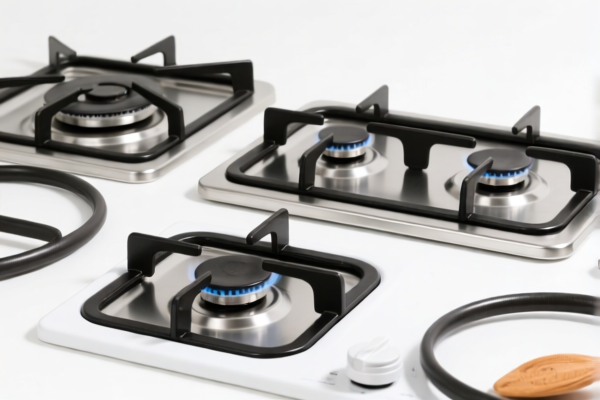

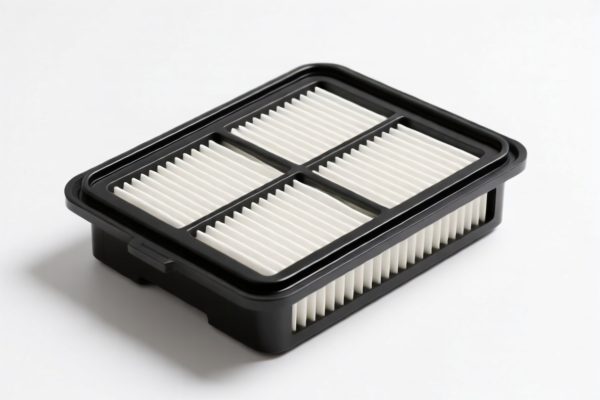

AI Analysis
❄️ Air Conditioner (HVAC Components & Parts)
🌐 HS Code Reference & Clearance Guide | 2026 Tax Regime Analysis | Strategic Customs Compliance
📌 I. Product Definition & Classification: Are You Classifying "AC Parts" Correctly?
Air Conditioning parts are the unsung heroes of climate control systems. In international trade, they are not a monolith; they are split based on function, material composition, and specific component type. Misclassification here is the #1 cause of "Tariff Shock" for HVAC suppliers.
The critical distinction lies in: * Structural/Functional Integrity: Is it a generic fitting (valve, pipe) or a specific electrical component? * Material Sensitivity: Does it contain Steel, Aluminum, or Copper? This is the trigger for the "Section 232" (Steel/Aluminum) and "Section 232/Copper" surcharges in the US market.
⚠️ Critical Classification Logic:
- If it is a generic part made of steel/copper/aluminum → Expect 50% surcharges on top of base duties.
- If it is a specific assembly (like a motor or control box) with no metal surcharge → Tax structure differs.
- The "Catch-All" Trap: If a part doesn't fit a specific description, it often falls into a "Dutiful" (兜底) category with massive penalties.
📦 II. HS Code Classification Matrix (2026 US Tariff Schedule)
| HS Code | Product Description | Material Trigger | Total Tax Rate |
|---|---|---|---|
8415.90.40.00 |
AC Parts (Specific) Matching standard AC part categories. |
General (No specific metal trigger) | 18.9% |
8415.90.80.85 |
AC Parts (Catch-All / Other) Generic parts falling under "Other" categories. |
⚠️ Steel, Aluminum, Copper | 68.9% |
8536.90.85.85 |
AC Parts (Electrical/Equipment) Electrical components related to AC. |
⚠️ Steel, Aluminum, Copper | 85.0% |
8481.90.90.85 |
AC Parts (Other Valves/Fittings) Other parts categories, no obvious material conflict. |
⚠️ Steel, Aluminum, Copper | 85.0% |
8481.90.90.60 |
AC Parts (Other Fittings) Default tendency for "Other" parts. |
⚠️ Steel, Aluminum, Copper | 85.0% |
🔍 Key Insight:
-8415.90.40.00is the Golden Code for AC parts. It avoids the metal surcharges, keeping total tax under 19%.
- All other codes (80.85,85.85,90.85,90.60) trigger the "Steel/Al/Copper" surcharge of 50%, leading to total taxes between 68.9% and 85.0%.
💰 III. 2026 US Tariff Rate Breakdown (Detailed Analysis)
✅ Target Market: United States (US)
✅ Origin: China (CN)
✅ Policy Context: Post-2025 Trade Rules (Section 232 + 122 Clause + Section 301)
🎯 Scenario A: The Low-Tax Route (8415.90.40.00)
Description: Specific AC parts that fit standard categories without triggering metal surcharges.
| Item | Details |
|---|---|
| Base Duty (MFN) | 1.4% |
| Section 301 (Trade War) | +7.5% (Added duty) |
| Clause 122 | +10% (Specific trade clause) |
| Metal Surcharge | $0 (Not applicable) |
| TOTAL TAX | 18.9% |
📌 Explanation:
This is the "Sweet Spot." The product is classified strictly under the AC machine parts chapter (8415) without being flagged as a raw material (Steel/Al/Copper). The tax burden is manageable (~19%).
🚨 Scenario B: The "Metal Trap" (8415.90.80.85, 8536..., 8481...)
Description: Parts falling into "Catch-All" or "Other" categories, OR containing Steel/Al/Copper.
| Item | Details |
|---|---|
| Base Duty (MFN) | 0.0% – 1.4% (Varies by sub-code) |
| Section 301 (Trade War) | +25.0% (High added duty) |
| Clause 122 | +10% |
| Steel/Al/Copper Surcharge | +50% (Section 232 Trigger) |
| TOTAL TAX | 68.9% – 85.0% |
📌 Critical Warning:
- The 50% surcharge is applied specifically to products made of Steel, Aluminum, or Copper that fall into these "other" categories.
- Example: A copper valve (8481) or a steel housing component (8415catch-all) triggers this 50% penalty.
- Combined Effect: Even if base duty is 0%, the cumulative tax hits 85.0% (0 + 25 + 10 + 50).
🛠️ IV. Clearance Strategy & Operational Advice (Action Plan)
✅ 1. Material Audit (The Most Critical Step)
Before filing, you MUST verify the Bill of Materials (BOM).
* Check: Does the part contain >1% steel, aluminum, or copper by weight?
* Action: If yes, DO NOT default to 8415.90.40.00. You are likely looking at 8415.90.80.85 or similar, which incurs the 50% penalty.
* Strategy: Try to redesign packaging or material composition to exclude "trigger materials" (e.g., use plastic or alloy alternatives if possible) to qualify for the 18.9% rate.
✅ 2. Description & Naming Precision
- Do Not Use: "AC Part", "Fitting", "Accessory" (Too vague → leads to "Other" categories).
- Use Specifics: "Refrigerant Valve for Split System," "Compressor Motor Windings," "Plastic Air Duct Connector."
- Why: Precise naming helps customs officers classify under
8415.90.40.00(Specific) rather than8415.90.80.85(Catch-all).
✅ 3. Pre-Arbitration (Advance Ruling)
- Strategy: If you have high-value shipments with steel/copper components, apply for an Advance Ruling from US Customs (CBP) before shipping.
- Goal: Confirm if your specific part is eligible for the 18.9% rate or if the 50% metal surcharge is unavoidable.
🚫 V. Common Pitfalls & "Cost Killers"
| Pitfall | Consequence | Avoidance Strategy |
|---|---|---|
| Blindly using "AC Parts" | Auto-classified as 8415.90.80.85 → 68.9% Tax |
Use specific part names (Valve, Motor, Sensor). |
| Ignoring Material Content | Missing Steel/Al/Copper surcharge → 60% Tax + Penalties | Audit BOM for metals; declare material % accurately. |
| Mixing Components | Bundling metal + non-metal parts → Split Taxation | Separate metal and non-metal parts on invoices if possible. |
| Using "Generic" Subcodes | 8481.90.90.x → 85.0% Tax |
Search for specific subcodes (e.g., if it's a specific valve type). |
🌍 VI. Market Comparison (2026 Outlook)
| Market | Recommended HS Code | Estimated Total Tax | Risk Level |
|---|---|---|---|
| 🇺🇸 USA | 8415.90.40.00 (If eligible) |
18.9% | ✅ Low (If specific) |
| 🇺🇸 USA | 8415.90.80.85 / 8481... |
68.9% - 85.0% | 🔴 Extreme (Metal surcharge) |
| 🇪🇺 EU | Varies (0-5%) | ~5-10% | ✅ Low (No 122 Clause) |
| 🇨🇳 China | Varies | ~1-5% | ✅ Low (Export focus) |
📌 Conclusion: The US Market is the most dangerous for "Generic AC Parts." The difference between 18.9% and 85.0% is a 4.5x increase in cost. Precision is not just compliance; it is profitability.
🎯 VII. Final Verdict: The "AC Part" Survival Guide
🔥 Rule of Thumb:
"If it contains Steel, Al, or Copper, and you don't know the exact subcode, you are in the 85% Tax Zone!"
✅ Immediate Actions:
1. Review your current HS Codes. Are you using 90.85 or 80.85? If so, check your materials immediately.
2. Negotiate: If your parts are mostly plastic/ceramic, emphasize this in the invoice to avoid the "Metal Surcharge."
3. Document: Keep a "Material Composition Certificate" for every shipment to prove eligibility for the 18.9% rate.
✨ Professional Clearance Starts with Precision!
💰 Every percentage point saved is pure profit.
🚀 Don't let "Other Parts" destroy your margin!
Disclaimer: Tariff rates and HS Codes are subject to change. Always consult with a licensed Customs Broker or US CBP for the latest rulings before importing.
Customer Reviews
About HS Code Classification
The Harmonized System (HS) is an internationally standardized nomenclature developed by the World Customs Organization (WCO) to classify traded products. Over 200 countries use the HS system as the basis for customs tariffs, trade statistics, and import/export regulations.
Each HS code follows a hierarchical structure:
- Chapter (2 digits) — Broad category of goods (e.g., Chapter 84: Machinery and Mechanical Appliances)
- Heading (4 digits) — More specific grouping within the chapter
- Subheading (6 digits) — Internationally standardized breakdown, used by all WCO member countries
- National subdivisions (8-10 digits) — Country-specific extensions for further classification, such as US HTSUS 10-digit codes
Correct HS code classification is essential for smooth customs clearance, accurate duty payment, and compliance with trade regulations. Misclassification can lead to customs delays, overpayment of duties, or penalties.
When importing from CN to US, the applicable tariff rates may include:
- Most-Favored-Nation (MFN) rate — The standard duty rate applied to WTO members
- General rate — Applied to countries without trade agreements
- Trade remedy duties — Additional tariffs such as Section 301 (anti-dumping), Section 232 (national security), or countervailing duties
The information provided on this page is for reference purposes only. For official classification, please consult with your local customs authority or a licensed customs broker.