air filter
CN → US| HS Code | Tariff Rate | Origin | Destination | Doc |
|---|---|---|---|---|
| 8421310000 | 12.5% | CN | US | Official Doc |
| 8421390115 | 35.0% | CN | US | Official Doc |
| 8405900000 | 35.0% | CN | US | Official Doc |
| 8405100000 | 35.0% | CN | US | Official Doc |
| 8421210000 | 35.0% | CN | US | Official Doc |
| 5911900080 | 38.8% | CN | US | Official Doc |
Product Images
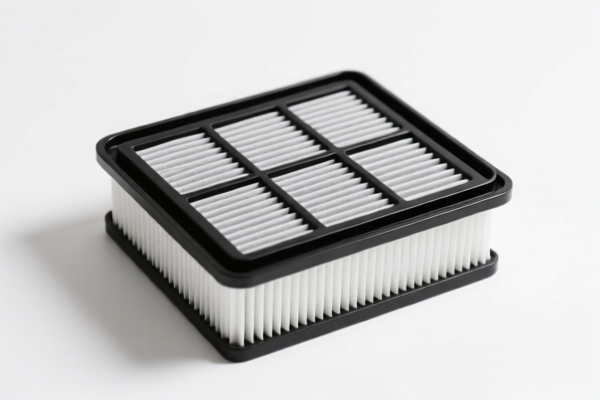
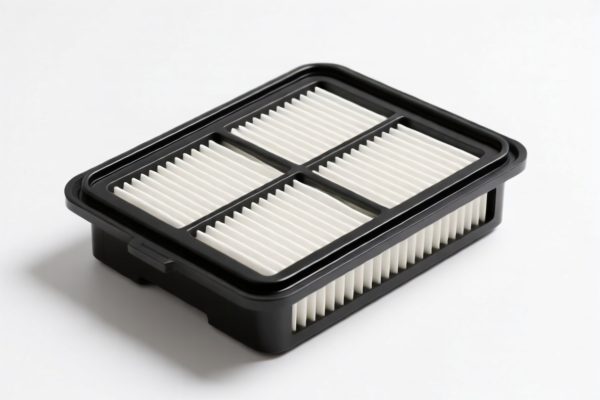

AI Analysis
🌬️ Air Filter: The Ultimate 2026 HS Code & Tariff Strategy Guide
🌐 Global Compliance & Clearance Manual | Decoding China-US Trade Tensions | High-Stakes Tariff Breakdown
📌 I. Product Definition & Classification: What Exactly is an "Air Filter"?
In international trade, "Air Filter" is not a single HS Code. It is a highly segmented category depending on application (Gas vs. Water vs. Industrial), technology (Textile vs. Mechanical), and specific function (Intake vs. Purification). Misclassification here can lead to catastrophic tariff hikes (up to 38.8%) or shipment seizures.
The Critical Split: * Gas Filters (Intake/Purification): Used in engines, HVAC, or industrial machinery to clean air. (Often faces 122-Clause + 25% Section 301 tariffs). * Water Filters: Used for liquid purification. (Falls under a different logic but high tariffs apply). * Industrial Textile Filters: Filter media made of fabric/mats. (High base tariff + 301 tariffs).
⚠️ KEY TRAP AWARENESS:
- Engine Intake Filters (Section 8421.31) often enjoy lower tariffs (12.5%) compared to generic Air Purifiers/Parts (Section 8421.39 or 8405), which face 35%–38.8% due to aggressive US Section 301 and "122-Clause" policies.
- Do not blindly declare "Air Filter" without specifying the machine it serves (Engine vs. Air Generator).
📦 II. HS Code Classification Matrix (2026 Data Reference)
Based on the specific product logic and current trade data:
| HS Code | Product Description | Specific Logic & Application | Total Tax Rate (China Origin) |
|---|---|---|---|
8421.31.00.00 |
Intake Air Filters (Gas Cleaning) | Engine Match: Specifically for gas intake filters of machinery (e.g., automotive, industrial engines). Logic: "Matching intake filter function." |
12.5% 🟢 Best Case |
8421.39.01.15 |
Dust Removal & Air Purification Filters | Purification Match: Used in general dust removal and air purification equipment (not direct engine intake). Logic: "Based on air filtering usage." |
35.0% 🔴 High Risk |
8405.90.00.00 |
Parts for Gas Generators & Purifiers | Core Component: Filters serving as core parts for gas generators and their purification devices. Logic: "Fits purification device core component logic." |
35.0% 🔴 High Risk |
8405.10.00.00 |
Gas Generator Purification Units | Whole Unit/Part: Filters integrated into gas generator purification devices. Logic: "Matches filtration and purification usage description." |
35.0% 🔴 High Risk |
8421.21.00.00 |
Water/Purification Filters | Liquid Match: Filters for water purification. Logic: "Based on liquid or gas filtration device function." |
35.0% 🔴 High Risk |
5911.90.00.80 |
Industrial Textile Filters | Material Match: Textile products (filter mats/cloths) for industrial/technical use. Logic: "Catch-all principle based on textile nature." |
38.8% 🔴 Highest Risk |
🔍 Deep Dive:
- The 122-Clause (Section 301) adds 10% to most items.
- The Section 301 (Add-on) adds 25% to most items (except Intake filters8421.31which seem to have a lower base tariff).
- Textile filters (5911.90) carry a higher base tariff (3.8%) + 25% + 10% = 38.8%.
💰 III. 2026 Tariff Breakdown & Policy Details
✅ Scope: Import to USA 🇺🇸
✅ Origin: China 🇨🇳
✅ Policy: Section 301 (Trade War) + Section 122 (Recent Escalation)
🎯 Scenario A: The "Lucky" Intake Filter (8421.31.00.00)
Target: Engines, Air Intakes. * Base Duty: 2.5% * Section 301 (Add-on): 0.0% (Specific exemption or lower classification) * Section 122 (Specific Clause): +10% * Total Rate: 12.5% * 💡 Strategy: If your product is strictly for engine intake, this is your golden ticket. Ensure the technical spec says "For Intake."
🎯 Scenario B: The "Heavy Hit" Air Purifier/Dust Filter (8421.39.01.15)
Target: HVAC, Air Purifiers, Dust Collectors. * Base Duty: 0.0% * Section 301 (Add-on): +25.0% * Section 122 (Specific Clause): +10% * Total Rate: 35.0% * 💡 Strategy: High risk. Do not claim "Intake" if it's for general air cleaning.
🎯 Scenario C: Industrial Textile Media (5911.90.00.80)
Target: Filter bags, cloth, mats. * Base Duty: 3.8% * Section 301 (Add-on): +25.0% * Section 122 (Specific Clause): +10% * Total Rate: 38.8% * 💡 Strategy: The "Catch-all" textile rule carries the heaviest burden. Avoid classifying fabric filters as mechanical filters if possible.
🎯 Scenario D: Gas Generator Parts (8405.90 & 8405.10)
Target: Parts for Hydrogen/Air generators. * Base Duty: 0.0% * Section 301 (Add-on): +25.0% * Section 122 (Specific Clause): +10% * Total Rate: 35.0% * 💡 Strategy: These are treated as specialized equipment parts, subject to the full "301+122" hammer.
🛠️ IV. Customs Clearance Survival Guide (Actionable Tips)
✅ 1. Pre-Shipment Checklist (Mandatory)
| Document | Requirement | Why? |
|---|---|---|
| Technical Data Sheet | Must state "Intake" vs. "Purification" vs. "Water" | Determines if you pay 12.5% or 38.8%. |
| Assembly Diagram | Show connection to Engine vs. Generator vs. Standalone Unit | Proves the "Primary Function" logic. |
| Material Composition | Specify "Fiberglass", "Paper", "Textile", or "Synthetic" | Avoids 5911.90 (Textile) if possible; mechanical is better. |
| Application Statement | Explicitly state: "For use in [Machine Name]" | Prevents "Catch-all" classification errors. |
✅ 2. Declaration Strategy (The "Golden Rule")
🔥 "Function First, Material Second."
| Situation | Recommended HS Code | Declaration Phrase | Risk |
|---|---|---|---|
| Engine Air Intake | 8421.31.00.00 |
"Engine Intake Air Filter, Gas Only" | 🟢 Low (12.5%) |
| Home/Office Air Purifier Part | 8421.39.01.15 |
"Dust Removal Air Filter for Purifier" | 🔴 High (35%) |
| Gas Generator Replacement Part | 8405.90.00.00 |
"Filter Part for Hydrogen Generator" | 🔴 High (35%) |
| Filter Cloth/Mat | 5911.90.00.80 |
"Industrial Textile Filter Media" | 🔴 Very High (38.8%) |
| Water Filter | 8421.21.00.00 |
"Water Purification Filter" | 🔴 High (35%) |
✅ 3. Pitfall Alert: The "Textile" Trap
If your air filter is made of felt, non-woven fabric, or cloth, Customs may force it into 5911.90.00.80.
* Avoid: Just saying "Air Filter".
* Do: Emphasize the structural integrity or mechanical assembly (if applicable) to push it toward 8421. If it is purely fabric, expect 38.8%.
🌍 V. Global Market Contrast (US vs. Others)
| Region | Typical Duty on Air Filters | Special Policies | Notes |
|---|---|---|---|
| 🇺🇸 USA | 12.5% – 38.8% | Section 301 (25%) + 122-Clause (10%) | High volatility. Intake filters are the only "discount" zone. |
| 🇨🇳 China | 0% - 2.5% | None | Export to China is cheap; Import from China is expensive. |
| 🇪🇺 EU | ~2.7% | No Section 301 | Safer market for high-tariff items. |
| 🇯🇵 Japan | ~2.4% | None | Moderate duty. |
📌 Conclusion: The US market is the most punitive. If you cannot qualify for
8421.31(Intake), expect a 35%+ cost barrier.
🎯 VI. Final Verdict & Strategic Advice
The Bottom Line:
1. Check the Application: Is it for an Engine (8421.31)? If YES, you save 20%+ compared to general air filters.
2. Avoid Textile Classification: If it's a filter cloth, prepare for 38.8%. Try to redesign or reclassify as a mechanical unit part if possible.
3. Document Everything: The description "Air Filter" is insufficient. You must specify "Intake," "Purification," "Gas," or "Water."
🚀 Pro Tip:
For8421.31.00.00, emphasize the "Gas Intake" function in your commercial invoice and packing list to lock in the 12.5% rate.
For all others (8421.39,8405,8421.21,5911), expect the 35%–38.8% "China Import Penalty."
✨ Clearance Success Starts with Precision.
💼 Don't let a 25% tariff hike eat your margins. Classify correctly, declare specifically, and ship with confidence!
Customer Reviews
About HS Code Classification
The Harmonized System (HS) is an internationally standardized nomenclature developed by the World Customs Organization (WCO) to classify traded products. Over 200 countries use the HS system as the basis for customs tariffs, trade statistics, and import/export regulations.
Each HS code follows a hierarchical structure:
- Chapter (2 digits) — Broad category of goods (e.g., Chapter 84: Machinery and Mechanical Appliances)
- Heading (4 digits) — More specific grouping within the chapter
- Subheading (6 digits) — Internationally standardized breakdown, used by all WCO member countries
- National subdivisions (8-10 digits) — Country-specific extensions for further classification, such as US HTSUS 10-digit codes
Correct HS code classification is essential for smooth customs clearance, accurate duty payment, and compliance with trade regulations. Misclassification can lead to customs delays, overpayment of duties, or penalties.
When importing from CN to US, the applicable tariff rates may include:
- Most-Favored-Nation (MFN) rate — The standard duty rate applied to WTO members
- General rate — Applied to countries without trade agreements
- Trade remedy duties — Additional tariffs such as Section 301 (anti-dumping), Section 232 (national security), or countervailing duties
The information provided on this page is for reference purposes only. For official classification, please consult with your local customs authority or a licensed customs broker.