air pressure sensor
CN → US| HS Code | Tariff Rate | Origin | Destination | Doc |
|---|---|---|---|---|
| 9026204000 | 35.0% | CN | US | Official Doc |
| 9026208000 | 17.5% | CN | US | Official Doc |
| 9031808085 | 10.0% | CN | US | Official Doc |
| 9031909195 | 85.0% | CN | US | Official Doc |
| 8543709860 | 37.6% | CN | US | Official Doc |
Product Images
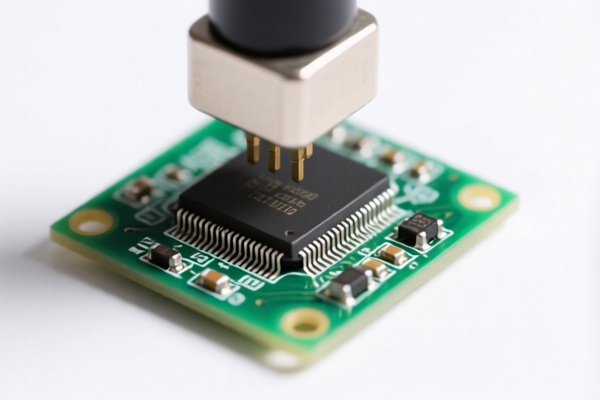
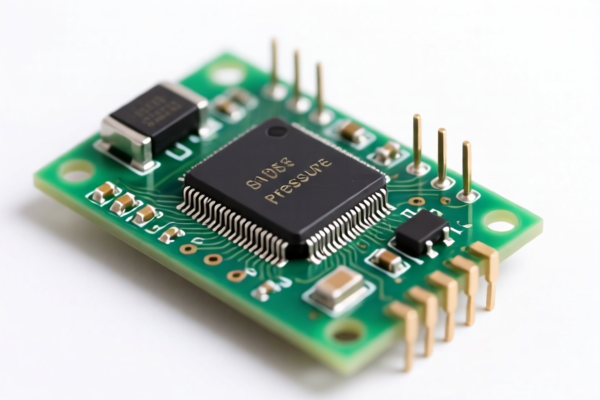
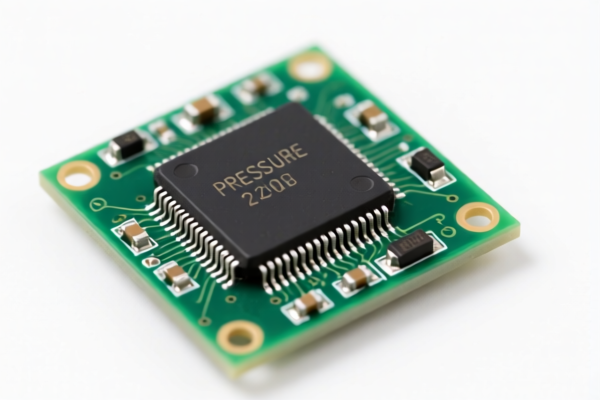
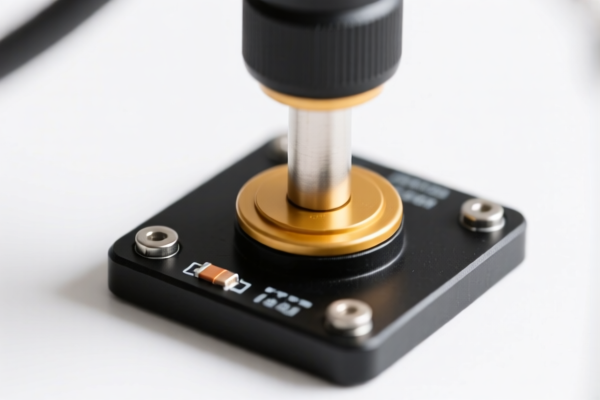
AI Analysis
🚗💨 Air Pressure Sensors (Tire Pressure & Industrial)
🌐 HS Code Reference & Customs Clearance Guide | 2026 Latest Tariff Analysis | Professional Entry Strategy
📌 1. Product Definition & Classification: What Exactly is an "Air Pressure Sensor"?
An Air Pressure Sensor is a device that measures the pressure of air or gas within a system. In international trade, these are generally divided into two main categories based on their application and technical structure:
🔹 Industrial/Process Pressure Sensors:
Used in manufacturing, HVAC, hydraulics, or pneumatic systems to monitor pressure for control or safety. These are often classified under Chapter 90 (Instruments and Apparatus).
🔹 Tire Pressure Monitoring Sensors (TPMS):
Specifically designed to monitor the air pressure in vehicle tires. These are electronic devices that transmit data to a vehicle’s computer. These are often classified under Chapter 85 (Electrical Machinery and Equipment).
⚠️ Key Distinction Point:
- If it is a general-purpose industrial sensor for pressure measurement/checking → Look at HS Codes 9026 or 9031.
- If it is a TPMS (Tire Pressure Monitoring System) specifically for vehicles → Look at HS Codes 8543.
📦 2. HS Code Classification Details (2026 Latest Tariff Authority Comparison)
Based on the provided data, here are the specific HS Codes applicable to Air Pressure Sensors, along with their tax implications for imports into the United States (from China).
| HS Code | Product Description | Application Scenario | Tax Rate (Total) | Key Characteristics |
|---|---|---|---|---|
| 9026.20.40.00 | Pressure Sensors, Electrical Measurement Devices | General industrial pressure measurement | 35.0% | Electrical type, basic pressure measurement |
| 9026.20.80.00 | Other Pressure Sensors (Not elsewhere specified) | General pressure measurement/checking | 17.5% | Fallback category for non-specific pressure sensors |
| 9031.80.80.85 | Other Measuring/Checking Instruments | Specialized industrial sensors | 10.0% | Considered "Other" measuring instruments |
| 9031.90.91.95 | Parts/Attachments for Measuring Instruments | Core components or accessories of sensors | 85.0% | High tariff for parts/accessories; includes steel/aluminum surcharges |
| 8543.70.98.60 | Tire Pressure Sensors (Electrical Detection) | TPMS for vehicles | 37.6% | Electronic detection device, falls under general machinery |
| 8543.70.60.00 | Tire Pressure Monitoring Devices | TPMS connected to vehicle networks | 35.0% | Electronic devices for monitoring tire pressure |
🔍 Critical Reminder:
- Industrial Sensors (9026/9031) are generally classified based on whether they are "electrical measurement devices" or "other instruments."
- TPMS (8543) is explicitly classified under electrical machinery, regardless of whether it is a standalone sensor or part of a network.
- Parts/Accessories (9031.90) attract the highest tariff (85%). Ensure you do not misclassify a complete sensor as a "part" unless it is truly a replaceable component without independent function.
💰 3. 2026 Latest Tariff Rate Details (Including Surcharges)
✅ Applicable Country: United States (US)
✅ Country of Origin: China (CN)
✅ Effective Date: Current rates apply as of 2025/2026
🎯 1. 9026.20.40.00 – Electrical Pressure Sensors
| Item | Content |
|---|---|
| Base Tariff | 0.0% |
| Section 301 Surcharge | +25.0% |
| IEEPA Surcharge (Section 122) | +10.0% |
| Total Tax Rate | 35.0% |
| Calculation | CIF Value × 35.0% |
| De Minimis Eligibility | ❌ Not Eligible (Denied) |
📌 Explanation:
- The 25% is the standard Section 301 tariff for Chinese goods.
- The 10% is the additional IEEPA surcharge.
- No base tariff applies, but the combined surcharge is significant.
🎯 2. 9026.20.80.00 – Other Pressure Sensors
| Item | Content |
|---|---|
| Base Tariff | 0.0% |
| Section 301 Surcharge | +7.5% |
| IEEPA Surcharge (Section 122) | +10.0% |
| Total Tax Rate | 17.5% |
| Calculation | CIF Value × 17.5% |
| De Minimis Eligibility | ❌ Not Eligible |
📌 Note:
- This is the most cost-effective option for general industrial pressure sensors if they do not fit the specific "electrical measurement" definition of 9026.20.40.00.
- Ensure the product description matches "pressure measurement or checking" broadly.
🎯 3. 9031.80.80.85 – Other Measuring Instruments
| Item | Content |
|---|---|
| Base Tariff | 0.0% |
| Section 301 Surcharge | 0.0% |
| IEEPA Surcharge (Section 122) | +10.0% |
| Total Tax Rate | 10.0% |
| Calculation | CIF Value × 10.0% |
| De Minimis Eligibility | ❌ Not Eligible |
📌 Key Insight:
- This is the lowest tariff for pressure sensors.
- Applicable if the sensor is classified as "other measuring or checking instruments" rather than a dedicated pressure measurement device under Chapter 9026.
- Strategy: If your product can reasonably be described as a general measuring instrument, consider this classification to save 7.5%–25% in tariffs.
🎯 4. 9031.90.91.95 – Parts/Attachments
| Item | Content |
|---|---|
| Base Tariff | 0.0% |
| Section 301 Surcharge | +25.0% |
| IEEPA Surcharge (Section 122) | +10.0% |
| Steel/Aluminum Surcharge | +50.0% (if applicable) |
| Total Tax Rate | 85.0% |
| Calculation | CIF Value × 85.0% |
| De Minimis Eligibility | ❌ Not Eligible |
⚠️ WARNING:
- This is the most expensive category.
- Only apply this if the item is strictly a component or accessory (e.g., a replacement diaphragm or connector) and not a functional sensor unit.
- Do not misclassify a complete sensor as a "part" to avoid severe penalties.
🎯 5. 8543.70.98.60 & 8543.70.60.00 – Tire Pressure Sensors (TPMS)
| Item | Content |
|---|---|
| Base Tariff | 0.0% - 2.6% |
| Section 301 Surcharge | +25.0% |
| IEEPA Surcharge (Section 122) | +10.0% |
| Total Tax Rate | 35.0% - 37.6% |
| Calculation | CIF Value × Rate |
| De Minimis Eligibility | ❌ Not Eligible |
📌 Explanation:
- TPMS is treated as an electrical machine/device under Chapter 85.
-8543.70.60.00(35.0%) is for devices connected to vehicle networks.
-8543.70.98.60(37.6%) is for other electrical detection devices (e.g., standalone TPMS with base rate 2.6%).
- These rates are higher than the best-case industrial sensor rate (10%) but lower than the "parts" rate (85%).
🛠️ 4. Customs Clearance Practical Advice (Real-World Pitfall Guide)
✅ 1. Required Documentation Checklist
| Document | Mandatory? | Description |
|---|---|---|
| ✅ Product Specification Sheet | ✔️ | Must include measurement range, accuracy, output signal, and power supply. |
| ✅ Technical Diagram | ✔️ | To prove whether it is a complete device or a part. |
| ✅ Product Photos | ✔️ | Clear images of the device, including labels and connections. |
| ✅ Commercial Invoice | ✔️ | Must clearly state "Pressure Sensor" or "Tire Pressure Sensor," not just "Component." |
| ✅ Packing List | ✔️ | Detail contents to avoid ambiguity. |
| ✅ Certificate of Origin | ✔️ | Required for origin determination. |
✅ 2. Declaration Strategy (Key Tips)
🔥 “Identify the Core Function, Choose the Right Chapter, Avoid the ‘Part’ Trap!”
| Scenario | Correct Classification | Incorrect Classification | Risk |
|---|---|---|---|
| Industrial Pressure Sensor | 9026.20.80.00 (17.5%) or 9031.80.80.85 (10%) |
9031.90.91.95 (85%) |
High Penalty |
| TPMS for Cars | 8543.70.60.00 (35.0%) |
9031.80.80.85 (10%) |
Audit Risk |
| Sensor Part (e.g., Diaphragm) | 9031.90.91.95 (85%) |
9026.20.40.00 (35%) |
Underpayment |
📌 Crucial Point:
- Do not declare a complete TPMS as a "part of a measuring instrument." TPMS is a functional electrical device.
- Do not declare an industrial sensor as a "part" unless it lacks independent functionality.
- Best Practice: If your industrial sensor can be argued as a general "measuring instrument," use9031.80.80.85for the 10% rate. This requires strong technical justification.
✅ 3. Special Case Handling
| Situation | Recommendation |
|---|---|
| TPMS with Internal Battery | Clearly declare as "Tire Pressure Sensor" under HS 8543. Do not separate battery and sensor. |
| Industrial Sensor with Display | If it has an integrated display for local reading, it may still be 9026 or 9031. Ensure it is not classified as a "monitor" (which has different rules). |
| Steel/Aluminum Housing Sensors | Be aware that 9031.90.91.95 includes a +50% surcharge for steel/aluminum products. If possible, classify as a complete device to avoid this. |
🌍 5. Global Market Comparison (2026 Overview)
| Market | Recommended HS Code | Approx. Tariff (China Origin) | Notes |
|---|---|---|---|
| 🇺🇸 USA | 9031.80.80.85 (Best) |
10.0% (Industrial) / 35-37.6% (TPMS) | Avoid 9031.90 (85%). IEEPA +301 apply. |
| 🇨🇳 China | 9026.20.40.00 |
5-10% | Standard import duties, no surcharges. |
| 🇪🇺 EU | 9026.20.00 |
2-4% | No major surcharges like US IEEPA. |
| 🇲🇽 Mexico | 9026.20.01 |
0% (under USMCA if qualified) | Check origin rules for USMCA benefit. |
📌 Conclusion:
- The US market is the most complex due to multiple surcharges (301 + IEEPA).
- Industrial sensors have a clear opportunity for tariff optimization (10% vs 35%+).
- TPMS has a fixed, higher tax bracket due to its classification under Chapter 85.
📌 6. Common Errors & Pitfalls (Lessons Learned)
❌ Error 1: Declaring a complete industrial sensor as a "Part" (9031.90) to simplify description.
👉 Result: 85% tariff instead of 10-17.5%. Loss of Profit.
❌ Error 2: Declaring a TPMS as a "Measuring Instrument" (9031.80) to get 10% tax.
👉 Result: Customs audit, reclassification to 8543, back taxes + penalties. Compliance Risk.
❌ Error 3: Ignoring the Steel/Aluminum surcharge in 9031.90.
👉 Result: Unexpected +50% on top of other tariffs. Cost Overrun.
✅ Correct Approach:
"Industrial Pressure Transmitter, Model XYZ, Range 0-100 PSI, Output 4-20mA, Electrical Measurement Device" → HS 9026.20.80.00 or 9031.80.80.85
"Tire Pressure Monitoring Sensor, TPMS, Radio Frequency, Battery Operated" → HS 8543.70.60.00
🎯 7. Conclusion: Professional Classification Saves Money!
🎯 Remember the Golden Rule:
🔹 "Function determines HS Code. Industrial Sensors → 9026/9031. TPMS → 8543. Parts → 9031.90 (Expensive!)"
🔹 "Aim for 10% (9031.80) if possible. Avoid 85% (9031.90) unless it is truly a part."
🔹 "TPMS is always Chapter 85. Do not try to hide it in Chapter 90."
📌 Pro Tip:
For industrial pressure sensors, always request a Pre-Ruling (Advance Ruling) from US Customs (CBP) if you want to classify under 9031.80.80.85 (10%) instead of 9026.20.40.00 (35%). Provide technical specs to justify "Other Measuring Instruments."
📣 Immediate Action:
📞 Consult with a licensed customs broker.
📄 Prepare detailed technical datasheets.
🚀 Optimize your HS Code selection to reduce landed costs by up to 25%!
✨ Accurate Classification, Smarter Clearance, Higher Profits!
💼 Every Dollar Saved in Tariffs is Pure Profit!
Customer Reviews
About HS Code Classification
The Harmonized System (HS) is an internationally standardized nomenclature developed by the World Customs Organization (WCO) to classify traded products. Over 200 countries use the HS system as the basis for customs tariffs, trade statistics, and import/export regulations.
Each HS code follows a hierarchical structure:
- Chapter (2 digits) — Broad category of goods (e.g., Chapter 84: Machinery and Mechanical Appliances)
- Heading (4 digits) — More specific grouping within the chapter
- Subheading (6 digits) — Internationally standardized breakdown, used by all WCO member countries
- National subdivisions (8-10 digits) — Country-specific extensions for further classification, such as US HTSUS 10-digit codes
Correct HS code classification is essential for smooth customs clearance, accurate duty payment, and compliance with trade regulations. Misclassification can lead to customs delays, overpayment of duties, or penalties.
When importing from CN to US, the applicable tariff rates may include:
- Most-Favored-Nation (MFN) rate — The standard duty rate applied to WTO members
- General rate — Applied to countries without trade agreements
- Trade remedy duties — Additional tariffs such as Section 301 (anti-dumping), Section 232 (national security), or countervailing duties
The information provided on this page is for reference purposes only. For official classification, please consult with your local customs authority or a licensed customs broker.