aluminum sport bottle
CN → US| HS Code | Tariff Rate | Origin | Destination | Doc |
|---|---|---|---|---|
| 7612901090 | 40.7% | CN | US | Official Doc |
| 7612905000 | 35.0% | CN | US | Official Doc |
| 7615109100 | 70.6% | CN | US | Official Doc |
| 7615107180 | 63.1% | CN | US | Official Doc |
| 7616995160 | 37.5% | CN | US | Official Doc |
Product Images
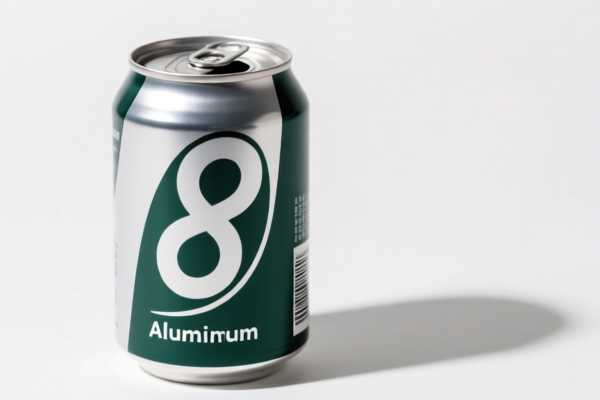
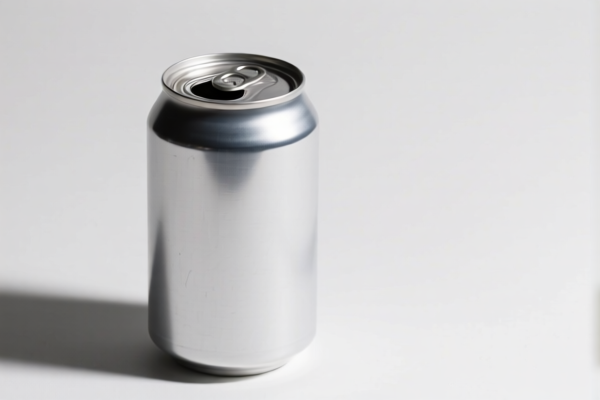
AI Analysis
🚰 Aluminum Sport Bottle (Hydration Vessels)
🌐 HS Code Reference & Customs Clearance Guide | 2026 Latest Tariff Analysis | Strategic Classification for US Imports
📌 I. Product Definition & Classification: Why Does the HS Code Matter?
An Aluminum Sport Bottle is a portable container designed for holding beverages during physical activity. In international trade, its classification is critical because it bridges two distinct categories: Household Kitchenware and General Containers.
The destination country (specifically the USA) imposes vastly different tariffs depending on whether the item is viewed as a "kitchen item" or a "general container." Misclassification can lead to massive duty discrepancies.
⚠️ Key Distinction Point:
- If the bottle is marketed and structured as a general storage vessel for liquids → It may fall under 7612 or 7616.
- If the bottle is specifically marketed for household/kitchen use or sports with specific domestic features → It may fall under 7615.
📦 II. HS Code Classification Details (Based on Provided Data)
| HS Code | Product Description | Estimated Total Tax | Tax Breakdown |
|---|---|---|---|
7612.90.10.90 |
Aluminum Sport Water Bottle: Small containers with a capacity of less than 20 liters. |
40.7% | Base Duty: 5.7% Section 301 Tariff: 25.0% Section 122 Tariff: 10% |
7612.90.50.00 |
Aluminum Container: Containers for liquids, meeting the classification characteristics of aluminum containers. |
35.0% | Base Duty: 0.0% Section 301 Tariff: 25.0% Section 122 Tariff: 10% |
7615.10.91.00 |
Aluminum Sport Bottle: Classified as kitchen or household articles. |
70.6% | Base Duty: 3.1% Section 301 Tariff: 7.5% Section 122 Tariff: 10% Special Additional Tariff (Steel/Aluminum/Copper): 50% |
7615.10.71.80 |
Aluminum Water Bottle: Kitchen or household articles, fitting other specific subheadings. |
63.1% | Base Duty: 3.1% Section 301 Tariff: 0.0% Section 122 Tariff: 10% Special Additional Tariff (Steel/Aluminum/Copper): 50% |
7616.99.51.60 |
Aluminum Water Bottle: Residual category for other aluminum articles (Catch-all). |
37.5% | Base Duty: 2.5% Section 301 Tariff: 25.0% Section 122 Tariff: 10% |
🔍 Critical Analysis:
- The highest tax burden (70.6%) occurs when the bottle is classified under7615(Household/Kitchen) and is subject to the 50% Special Additional Tariff on aluminum products.
- The lowest tax burden (35.0%) is achieved under7612.90.50.00, where the base duty is 0%, despite the 25% Section 301 and 10% Section 122 tariffs.
- Section 122 Tariff (10%) applies to all five codes listed in the provided data.
💰 III. 2026 Latest Tariff Rate Details (Detailed Breakdown)
✅ Applicable Country: United States (US)
✅ Origin: China (CN) (Assumed based on Section 301/122 context)
✅ Effective Time: Current Tariff Regime
🎯 1. 7612.90.10.90 – Small Aluminum Containers (<20L)
| Item | Content |
|---|---|
| Base Duty Rate | 5.7% (Ad Valorem) |
| Section 301 Tariff | +25.0% (Targeted Chinese goods) |
| Section 122 Tariff | +10.0% (National Security/Emergency Powers) |
| Total Effective Rate | 40.7% |
| Tax Calculation | CIF Value × 40.7% |
| De Minimis Exemption | ❌ Not Eligible (Due to Section 301/122) |
📌 Explanation:
- This classification treats the bottle as a "container" rather than a "household article."
- The 25% Section 301 tariff is a significant cost driver.
- The 10% Section 122 tariff is an additional layer for national security considerations.
🎯 2. 7612.90.50.00 – Aluminum Liquid Containers
| Item | Content |
|---|---|
| Base Duty Rate | 0.0% |
| Section 301 Tariff | +25.0% |
| Section 122 Tariff | +10.0% |
| Total Effective Rate | 35.0% |
| Tax Calculation | CIF Value × 35.0% |
| De Minimis Exemption | ❌ Not Eligible |
📌 Explanation:
- This is the most favorable rate among the listed options.
- The 0% base duty offsets the high add-on tariffs.
- Suitable for bottles that are clearly "containers" without strong "household/kitchen" connotations.
🎯 3. 7615.10.91.00 – Kitchen/Household Aluminum Articles
| Item | Content |
|---|---|
| Base Duty Rate | 3.1% |
| Section 301 Tariff | +7.5% |
| Section 122 Tariff | +10.0% |
| Special Al/Cu/Steel Tariff | +50.0% (Crucial Differentiator) |
| Total Effective Rate | 70.6% |
| Tax Calculation | CIF Value × 70.6% |
| De Minimis Exemption | ❌ Not Eligible |
📌 Explanation:
- This is the most expensive classification.
- The 50% Special Additional Tariff on aluminum products drastically increases the cost.
- Avoid this classification unless the product is unmistakably a "kitchen item" (e.g., a pot or pan, not a sport bottle).
🎯 4. 7615.10.71.80 – Other Household Aluminum Articles
| Item | Content |
|---|---|
| Base Duty Rate | 3.1% |
| Section 301 Tariff | 0.0% |
| Section 122 Tariff | +10.0% |
| Special Al/Cu/Steel Tariff | +50.0% |
| Total Effective Rate | 63.1% |
| Tax Calculation | CIF Value × 63.1% |
| De Minimis Exemption | ❌ Not Eligible |
📌 Explanation:
- Similar to the previous code, the 50% Special Tariff makes this highly costly.
- The lack of Section 301 tariff helps slightly compared to7615.10.91.00, but the total is still prohibitive.
🎯 5. 7616.99.51.60 – Other Aluminum Articles (Catch-All)
| Item | Content |
|---|---|
| Base Duty Rate | 2.5% |
| Section 301 Tariff | +25.0% |
| Section 122 Tariff | +10.0% |
| Total Effective Rate | 37.5% |
| Tax Calculation | CIF Value × 37.5% |
| De Minimis Exemption | ❌ Not Eligible |
📌 Explanation:
- A middle-ground option.
- Lower base duty than7612.90.10.90, but no Section 301 exemption.
- Useful if the product doesn't fit neatly into "containers" or "household articles."
🛠️ IV. Customs Clearance Practical Advice (Real-World Pitfalls)
✅ 1. Documentation Checklist (Non-Negotiable)
| Document | Required? | Description |
|---|---|---|
| ✅ Product Specifications | ✔️ | Must include capacity, material (100% Aluminum), intended use (Sport/Outdoor). |
| ✅ Product Photos | ✔️ | Clear images showing the bottle, lid, and any branding. |
| ✅ Commercial Invoice | ✔️ | Must state "Aluminum Sport Bottle" or "Aluminum Container." |
| ✅ Packing List | ✔️ | Itemized list of contents. |
| ✅ Origin Certificate | ✔️ | To prove Chinese origin (for tariff calculation). |
| ✅ Customs Ruling (If Available) | ✔️ | Pre-classification ruling to avoid disputes. |
✅ 2. Classification Strategy (Key Tips)
🔥 "Choose 'Container' over 'Household' to Save 30%!"
| Scenario | Recommended HS Code | Why? |
|---|---|---|
| Sport Bottle, Outdoor Use | 7612.90.50.00 |
Lowest Tax (35%). Classified as a general container, avoiding the 50% special aluminum tariff. |
| General Aluminum Bottle | 7612.90.10.90 |
Moderate Tax (40.7%). Safe classification for small containers. |
| Bottle with Kitchen Features | 7615.10.91.00 |
Avoid (70.6%). High tax due to 50% special tariff. Only use if it's clearly a kitchen item. |
| Unsure Classification | 7616.99.51.60 |
Moderate Tax (37.5%). Catch-all with no special tariff. |
📌 Note:
- Do not classify as7615unless you are prepared to pay the 50% special tariff.
- The term "Sport Bottle" does not automatically mean "Household Article." Marketing it as a "Container" is a strategic advantage.
✅ 3. Special Considerations
| Situation | Advice |
|---|---|
| OEM/Private Label | Provide clear specs to avoid being classified as a generic "Household Article." |
| Multi-Material Bottle | If the bottle has plastic parts, ensure the aluminum content is dominant for 7612 classification. |
| Section 122 Tariff | This is a non-negotiable 10% on top of other tariffs. Budget accordingly. |
| De Minimis | No Section 321 (De Minimis) exemption applies for these codes from China. |
🌍 V. Global Market Comparison (2026)
| Country/Region | Recommended HS Code | Total Tax (Approx.) | Notes |
|---|---|---|---|
| 🇺🇸 USA | 7612.90.50.00 |
35.0% | Best rate. Avoid 7615 due to 50% special tariff. |
| 🇨🇳 China | 7612.90.50.00 |
~5-10% | Lower base duties. No Section 301/122. |
| 🇪🇺 EU | 7612.90.50.00 |
~5% | No Section 301/122. Standard MFN rate. |
| 🇬🇧 UK | 7612.90.50.00 |
~5% | Post-Brexit, standard rates apply. |
📌 Conclusion:
- The US market is the most challenging due to Section 301 and Section 122 tariffs.
- Strategic classification is essential to minimize costs.
- Recommendation: Classify as7612.90.50.00(Aluminum Container) for the lowest tax burden.
📌 VI. Common Errors & Pitfalls (Learn from Others)
❌ Error 1: Classifying as 7615.10.91.00 (Household Article)
👉 Consequence: Pay 70.6% tax due to the 50% special aluminum tariff.
👉 Fix: Re-classify as 7612.90.50.00 (Container) for 35.0%.
❌ Error 2: Ignoring Section 122 Tariff
👉 Consequence: Underpaying by 10% on all items.
👉 Fix: Always include the 10% Section 122 tariff in calculations.
❌ Error 3: Using "De Minimis" for Small Shipments
👉 Consequence: Shipment seized or backdated duties applied.
👉 Fix: All goods from China in these categories are subject to full duties.
🎯 VII. Conclusion: Strategic Classification Saves Money
🎯 Key Takeaway:
🔹 "Container over Household" – Use
7612codes to avoid the 50% special tariff.
🔹 "Section 122 is Mandatory" – Budget for an extra 10% on top of other tariffs.
🔹 "Total Tax Range: 35% - 70.6%" – Your classification choice directly impacts your profit margin.
📌 Pro Tip:
If your aluminum sport bottle can be defined as a "general container" rather than a "kitchen article," you save up to 35.6% in taxes.
Consult a customs broker to pre-classify your product under7612.90.50.00for the best outcome.
📣 Immediate Action:
📞 Contact a licensed customs broker.
📄 Provide product specs emphasizing "Container" and "Sport/Outdoor Use."
🚀 Optimize your tariff structure today!
✨ Smart Classification, Smarter Profits!
💼 Every percentage point counts in international trade!
Customer Reviews
About HS Code Classification
The Harmonized System (HS) is an internationally standardized nomenclature developed by the World Customs Organization (WCO) to classify traded products. Over 200 countries use the HS system as the basis for customs tariffs, trade statistics, and import/export regulations.
Each HS code follows a hierarchical structure:
- Chapter (2 digits) — Broad category of goods (e.g., Chapter 84: Machinery and Mechanical Appliances)
- Heading (4 digits) — More specific grouping within the chapter
- Subheading (6 digits) — Internationally standardized breakdown, used by all WCO member countries
- National subdivisions (8-10 digits) — Country-specific extensions for further classification, such as US HTSUS 10-digit codes
Correct HS code classification is essential for smooth customs clearance, accurate duty payment, and compliance with trade regulations. Misclassification can lead to customs delays, overpayment of duties, or penalties.
When importing from CN to US, the applicable tariff rates may include:
- Most-Favored-Nation (MFN) rate — The standard duty rate applied to WTO members
- General rate — Applied to countries without trade agreements
- Trade remedy duties — Additional tariffs such as Section 301 (anti-dumping), Section 232 (national security), or countervailing duties
The information provided on this page is for reference purposes only. For official classification, please consult with your local customs authority or a licensed customs broker.