analytical instrument hs 9027898060
CN → US| HS Code | Tariff Rate | Origin | Destination | Doc |
|---|---|---|---|---|
| 9031808085 | 35.0% | CN | US | Official Doc |
| 9031499000 | 35.0% | CN | US | Official Doc |
| 9027898060 | 35.0% | CN | US | Official Doc |
| 9031808085 | 35.0% | CN | US | Official Doc |
| 9031499000 | 35.0% | CN | US | Official Doc |
Product Images
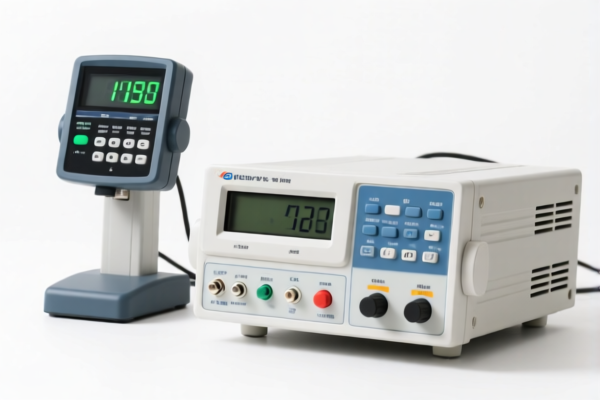
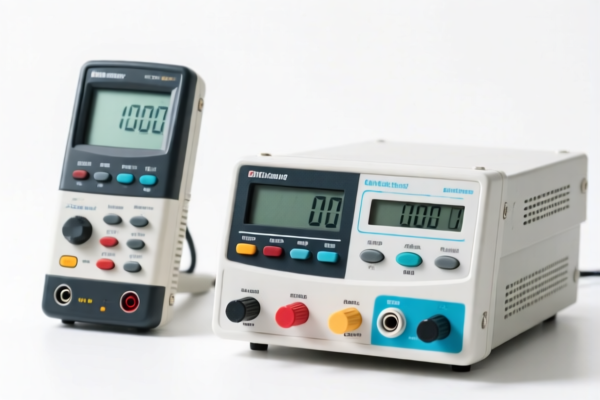
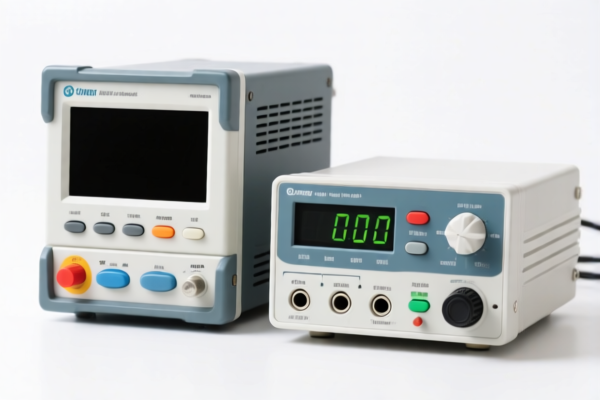
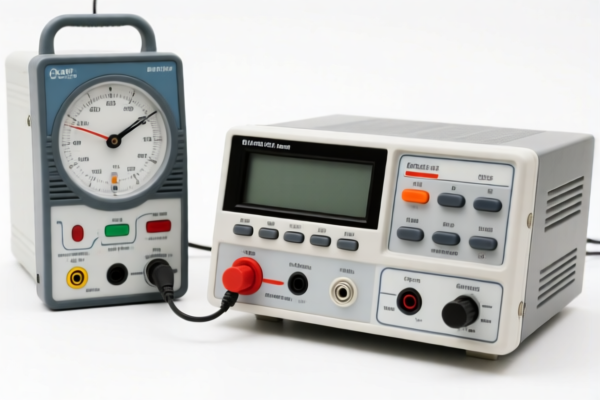
AI Analysis
🔬 Analytical Instruments (Physical & Chemical Analysis Devices)
🌐 HS Code Reference & Customs Clearance Guide | 2026 Latest Tariff Analysis | Professional-Level Strategy
📌 Part 1: Product Definition & Classification: Do You Really Understand "Analytical Instruments"?
Analytical instruments are the "eyes" of scientific research, industrial quality control, and environmental monitoring. They are used to determine the chemical composition, physical properties, or biological characteristics of materials. In international trade, they are broadly categorized by their function:
- Optical/Spectroscopic Analysis: Devices using light (UV-Vis, IR, NMR) to analyze composition.
- Physical/Chemical Analysis: Devices measuring viscosity, surface tension, hardness, or chromatography.
- General Measurement/Testing Machines: Broader category for testing machines not specifically optical.
⚠️ Key Distinction Points:
- If the device is primarily for physical property testing (e.g., viscosity, hardness, flow) and not specific chemical composition → Often falls under 9027 (Laboratory Analytical Instruments).
- If the device is a general testing machine without specific analytical specificity → May fall under 9031 (Measuring/Checking Instruments).
- Crucial Note: The HS codes provided below reflect specific classifications for "Analytical Instruments" with high additional tariffs. Misclassification can lead to severe financial penalties due to the 35% total tax burden.
📦 Part 2: HS Code Classification Details (2026 Latest Tariff Authority Comparison)
Based on the provided data, here are the specific HS Codes for Analytical Instruments and their corresponding tax implications.
| HS Code | Product Description | Summary | Total Tax Rate |
|---|---|---|---|
9027.89.80.60 |
Physical Analysis Measurement Instruments & Devices | Analysis instruments classified as physical analysis measurement instruments | 35.0% |
9031.80.85.85 |
Other Measuring/Checking Instruments | Analysis instruments classified as other measuring or checking instruments | 35.0% |
9031.49.90.00 |
Measuring/Checking Instruments/Apparatus | Analysis instruments classified as measuring or checking instruments | 35.0% |
9027.89.45.60 |
Physical Analysis Measurement Instruments & Devices | Analysis instruments classified as physical analysis measurement instruments | 35.0% |
🔍 Focus on
9027.89.80.60:
- Description: "Analysis instruments classified as physical analysis measurement instruments."
- Category: Falls under Chapter 90 (Optical, Photographic, Cinematographic, Measuring, Checking, Medical or Surgical Instruments).
- Usage: Typically includes devices like viscometers, refractometers, polarimeters, or other physical property testers that do not fit into more specific sub-headings.
💰 Part 3: 2026 Latest Tariff Rate Details (Including Additional Taxes & Policy Surcharge)
✅ Applicable Country: United States (US)
✅ Origin: China (CN)
✅ Effective Date: Rates apply to imports subject to current trade policies (including Section 301 and IEEPA surcharges).
🎯 1. 9027.89.80.60 —— Physical Analysis Measurement Instruments
| Item | Content |
|---|---|
| Base Tariff Rate | 0.0% (Ad Valorem) |
| Section 301 Surcharge | +25.0% (Add-on Tariff) |
| Section 122 Tariff | +10.0% (Specific Policy Tariff) |
| Total Tax Rate | 35.0% |
| Tax Calculation | CIF Value × 35% |
| De Minimis Exemption | ❌ Not Applicable (High tariff rate exceeds exemption thresholds) |
| Legal Basis Path | USITC:9027.89.80.60 → Section 301: Footnote 9903 → IEEPA: Section 122 |
📌 Detailed Explanation:
- Base Tariff (0%): The standard Most Favored Nation (MFN) rate for many analytical instruments is 0%, designed to encourage scientific and technological advancement.
- Section 301 Surcharge (+25%): This is the standard "Trade War" tariff applied to a vast range of Chinese imports, including industrial and laboratory equipment.
- Section 122 Tariff (+10%): This is a specific additional levy often applied to certain industrial and technological goods. The combination of these two surcharges creates a 35% total effective tariff.
- Impact: This is a high-cost category for importers. The total tax burden is significantly higher than standard consumer goods.
🛠️ Part 4: Customs Clearance Practical Advice (Operational Pitfall Avoidance Guide)
✅ 1. Preparation Checklist (Non-negotiable)
| Document | Required | Explanation |
|---|---|---|
| ✅ Product Specification Sheet | ✔️ | Must detail the physical principle of measurement (e.g., "measures viscosity via rotational shear"). Avoid vague terms like "tester." |
| ✅ Technical Manual/User Guide | ✔️ | To prove the device is for analytical/physical measurement and not general purpose. |
| ✅ Product Photographs | ✔️ | Clear shots of the display screen showing measurement units (e.g., cP, mPa·s, nm). |
| ✅ Commercial Invoice | ✔️ | Must clearly state "Analytical Instrument for Physical Measurement". Do NOT use generic terms like "Machine." |
| ✅ HS Code Ruling (if available) | ✔️ | If you have a prior ruling from CBP, include it to justify the 9027 classification. |
| ✅ Certificate of Origin (CO) | ✔️ | Confirms Chinese origin, which triggers the 35% tariff. |
✅ 2. Declaration Strategy (Key Mnemonic)
🔥 "Be Specific, Not Generic! 'Analyzer' is Key!"
| Scenario | Correct Declaration | Incorrect Declaration | Consequence of Error |
|---|---|---|---|
| Viscosity Meter | 9027.89.80.60 - "Viscosity Analyzer" |
9031.80.85 - "General Testing Machine" |
Potential misclassification dispute; may still incur 35% but delays clearance. |
| Refractometer | 9027.89.45.60 or 9027.89.80.60 |
"Optical Instrument" | May be misclassified under optics chapters, leading to different duty structures. |
| Hardness Tester | 9031.49.90.00 |
"Mechanical Tool" | Risk of being classified as a tool, potentially facing higher tariffs if not exempt. |
Critical Tip:
- Always use the word "Analyzer" or "Instrument" in the description.
- Avoid "Machine" or "Device" unless necessary, as these may push the classification toward 9031 (Measuring/Checking) which has similar tariff rates but different technical requirements.
✅ 3. Special Handling Cases
| Scenario | Handling Advice |
|---|---|
| Components & Parts | If importing only lenses or detectors for the analyzer, classify separately (e.g., 9013 or 9027.90). Do NOT declare parts as a complete analyzer. |
| Software-Only Updates | Software updates for the instrument are generally not dutiable if shipped electronically, but hardware upgrades are. |
| Samples for R&D | May qualify for temporary import or duty drawback programs, but NOT de minimis exemption due to the 35% rate. |
| Re-exported Goods | If the instrument is imported for testing and then re-exported, consider Inbond Entry procedures to avoid paying the 35% tariff. |
🌍 Part 5: Global Market Comparison (2026 Latest)
| Country/Region | Recommended HS Code | Tariff Rate | Certification | Notes |
|---|---|---|---|---|
| 🇺🇸 USA | 9027.89.80.60 |
35.0% | FCC, CE, RoHS | High tariff. Critical to classify correctly to avoid audits. |
| 🇨🇳 China | 9027.89.80.60 |
~0-5% | CCC (if applicable) | Low duty. No Section 301 impact. |
| 🇪🇺 EU | 9027.89.80.60 |
0-4.5% | CE, RoHS, WEEE | No anti-dumping duties generally. |
| 🇬🇧 UK | 9027.89.80.60 |
0-4.5% | UKCA, RoHS | Post-Brexit rules apply. |
| 🇯🇵 Japan | 9027.89.80.60 |
0-5% | PSE, JEIDA | Low tariff. High technical standards. |
📌 Conclusion:
- The USA is the most challenging market for these instruments due to the 35% combined tariff.
- EU/Asia markets are significantly more favorable.
- Strategy: Consider third-country assembly (e.g., Vietnam, Mexico) if possible, but be aware of Rules of Origin compliance to avoid "transshipment" penalties.
📌 Part 6: Common Mistakes & Pitfall Guide (Blood & Tears Lessons)
❌ Mistake 1: Declaring as "Lab Equipment" without specifying "Analytical"
👉 Result: CBP may reclassify under 9031 or 8479 (Machines), leading to duty audits and back taxes.
❌ Mistake 2: Assuming "0% Base Rate" means "0% Total Cost"
👉 Result: The 25% + 10% surcharges apply. Total cost is 35%. Ignoring this leads to budget overruns.
❌ Mistake 3: Using "Generic" Terms like "Tester"
👉 Result: Ambiguity. CBP may demand additional documentation or expert opinions, causing customs delays (7-14 days).
❌ Mistake 4: Forgetting Section 122 Tariff
👉 Result: Underpayment. Penalties and interest accrue. Always confirm the full tax detail.
✅ Correct Practice:
"Physical Property Analyzer, Model XYZ, Measures Viscosity/Refractive Index, AC 110V/220V, FCC Certified, HS 9027.89.80.60"
🎯 Part 7: Conclusion: Professional Declaration, Cost Control, Efficiency!
🎯 Remember the Mnemonic:
🔹 "Base 0%, Surcharge 35%, Don't Guess, Classify Clear!"
🔹 "9027 for Physical, 9031 for General, Both Taxed at 35%, Be Prepared!"
📌 Pro Tip:
If your instruments are originally from China, the 35% tariff is mandatory.
Consider applying for Exclusions (if available for specific models) or Advance Rulings to minimize risk.
📣 Immediate Action:
📞 Contact a licensed Customs Broker + Provide Detailed Specs + Request HS Code Pre-ruling
🚀 Ensure your analytical instruments clear customs smoothly, control costs, and maintain profit margins!
✨ Professional Clearance Starts with Precise Classification!
💼 Every 1% of duty saved is 1% of profit gained!
Customer Reviews
About HS Code Classification
The Harmonized System (HS) is an internationally standardized nomenclature developed by the World Customs Organization (WCO) to classify traded products. Over 200 countries use the HS system as the basis for customs tariffs, trade statistics, and import/export regulations.
Each HS code follows a hierarchical structure:
- Chapter (2 digits) — Broad category of goods (e.g., Chapter 84: Machinery and Mechanical Appliances)
- Heading (4 digits) — More specific grouping within the chapter
- Subheading (6 digits) — Internationally standardized breakdown, used by all WCO member countries
- National subdivisions (8-10 digits) — Country-specific extensions for further classification, such as US HTSUS 10-digit codes
Correct HS code classification is essential for smooth customs clearance, accurate duty payment, and compliance with trade regulations. Misclassification can lead to customs delays, overpayment of duties, or penalties.
When importing from CN to US, the applicable tariff rates may include:
- Most-Favored-Nation (MFN) rate — The standard duty rate applied to WTO members
- General rate — Applied to countries without trade agreements
- Trade remedy duties — Additional tariffs such as Section 301 (anti-dumping), Section 232 (national security), or countervailing duties
The information provided on this page is for reference purposes only. For official classification, please consult with your local customs authority or a licensed customs broker.