ankle brace
CN → US| HS Code | Tariff Rate | Origin | Destination | Doc |
|---|---|---|---|---|
| 6115100500 | 10.0% | CN | US | Official Doc |
| 6115103000 | 31.0% | CN | US | Official Doc |
| 6217909095 | 32.1% | CN | US | Official Doc |
| 6217108500 | 24.6% | CN | US | Official Doc |
| 9021908100 | 10.0% | CN | US | Official Doc |
Product Images
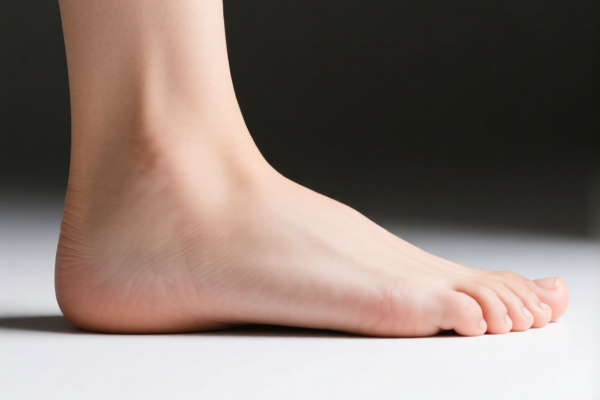
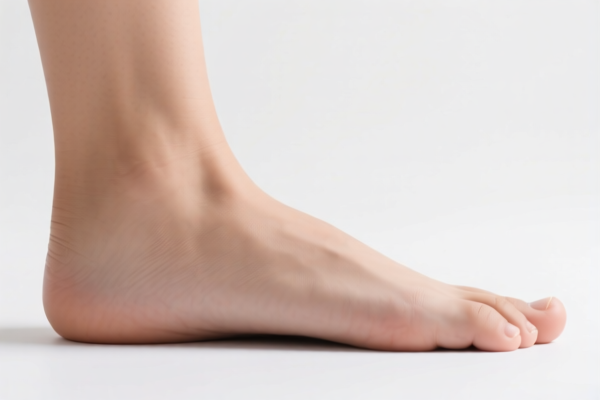
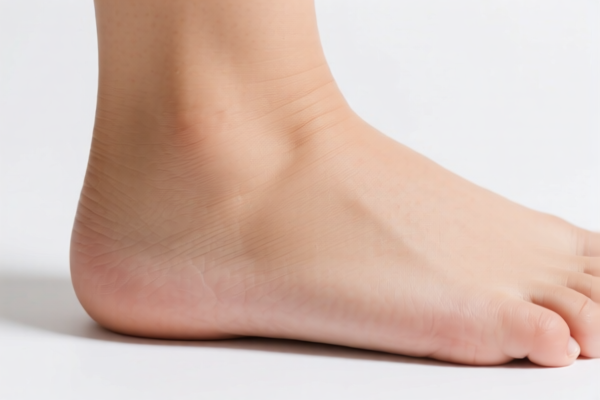
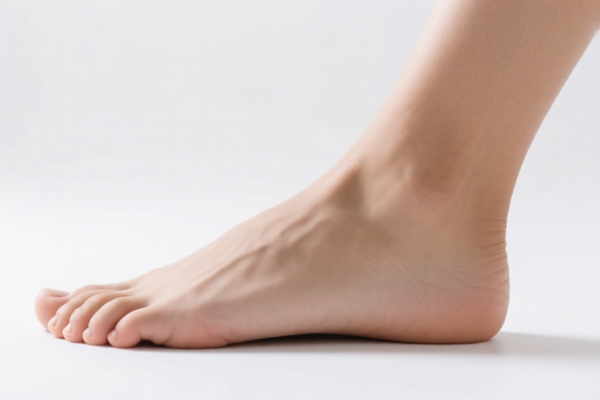
AI Analysis
🦶 Ankle Brace (Ankle Support)
🌐 HS Code Reference & Clearance Guide | 2026 Latest Tariff Analysis | Professional Customs Strategy
📌 I. Product Definition & Classification: What Exactly is an "Ankle Brace"?
An ankle brace, often used in sports protection or medical rehabilitation, is a versatile product that sits at the intersection of textiles and medical devices. In international trade, its classification depends heavily on material composition, structure (knitted vs. woven), and primary intended use (medical therapy vs. fashion/accessory).
⚠️ Key Distinction:
- If it is knitted and functions as compression therapy → It is treated as "Support Stockings" (Textiles).
- If it is woven or serves as a garment accessory → It is treated as "Other Made-Up Apparel Accessories".
- If it provides orthopedic structural support → It may fall under Medical Instruments.
📦 II. HS Code Classification Details (2026 Latest Tariff Authority Comparison)
Based on the provided data, here are the four possible classifications for Ankle Braces/Supports:
| HS Code | Product Description | Applicable Scenario | Logic/Reasoning |
|---|---|---|---|
6115.10.05.00 |
Pressure Ankle Supports (Knitted) | Sports recovery, edema reduction, compression therapy | Categorized under Knitted Pressure Stockings/Pants. Logic: Extends the category of pressure hosiery, material is knitted. |
6115.10.30.00 |
Graduated Pressure Supports (Cotton) | Medical-grade compression, cotton-based support | Categorized under Graduated Pressure Hosiery. Logic: Form factor is sock-like/kitted, material determined as Cotton. |
6217.90.90.95 |
Ankle/ knee Guards (Woven/Accessory) | General protection, sports gear, non-knitted | Categorized under Other Made-Up Apparel Accessories. Logic: Defined as a "garment attachment/component" (catch-all category). |
6217.10.85.00 |
Garment Attachments (Woven) | Fashion accessories, belt-like supports, non-medical | Categorized under Other Made-Up Apparel Accessories. Logic: Inferred material aligns with other accessories in this subheading; no conflict. |
9021.90.81.00 |
Orthopedic Supports (Medical) | Post-surgical support, rigid orthopedic braces | Categorized under Orthopedic Appliances. Logic: Used for limb support/protection in整形矫形 (orthopedic) context. |
🔍 Critical Note:
- Knitted vs. Woven: This is the biggest differentiator. Knitted items go to 61xx (Textiles), Woven to 62xx (Garments).
- Medical vs. General: If the brace is rigid or explicitly for orthopedic correction, 9021 is preferred, offering a 0% base tariff (before add-ons).
- Material: Cotton vs. Synthetic blends can shift the code within 6115 (e.g.,05vs30).
💰 III. 2026 Latest Tariff Rate Details (Including Additional Taxes & Policies)
✅ Applicable Country: USA (US)
✅ Origin: China (CN)
✅ Effective Date: Post-November 2025 (Including Section 301/122 Tariffs)
🎯 1. 6115.10.05.00 —— Pressure Ankle Supports (Knitted)
| Item | Content |
|---|---|
| Base Tariff | 0.0% (ad valorem) |
| Section 301 Add-on | 0.0% |
| Section 122 Tariff | +10.0% |
| Total Rate | 10.0% |
| Tax Calculation | CIF Value × 10% |
| De Minimis Exemption | ❌ Not Eligible (Deny de minimis) |
| Legal Path | USITC:6115.10.05.00 → SECTION:122 |
📌 Explanation:
- The base duty for knitted pressure stockings is 0%.
- However, the Section 122 tariff (10%) applies to certain textile/apparel items of Chinese origin.
- Result: A manageable 10% total tariff. This is one of the most cost-effective classifications for knitted ankle supports.
🎯 2. 6115.10.30.00 —— Graduated Pressure Supports (Cotton)
| Item | Content |
|---|---|
| Base Tariff | 13.5% |
| Section 301 Add-on | +7.5% |
| Section 122 Tariff | +10.0% |
| Total Rate | 31.0% |
| Tax Calculation | CIF Value × 31% |
| De Minimis Exemption | ❌ Not Eligible |
| Legal Path | USITC:6115.10.30.00 → SECTION:301 + SECTION:122 |
📌 Explanation:
- If the brace is deemed Cotton-based and categorized under "Other Knitted Hosiery," it incurs a 13.5% base duty.
- Section 301 adds 7.5%, and Section 122 adds another 10%.
- Result: 31% total tariff. Significantly higher than the pressure-specific subheading (05).
🎯 3. 6217.90.90.95 —— Garment Accessories (Woven/Other)
| Item | Content |
|---|---|
| Base Tariff | 14.6% |
| Section 301 Add-on | +7.5% |
| Section 122 Tariff | +10.0% |
| Total Rate | 32.1% |
| Tax Calculation | CIF Value × 32.1% |
| De Minimis Exemption | ❌ Not Eligible |
| Legal Path | USITC:6217.90.90.95 → SECTION:301 + SECTION:122 |
📌 Explanation:
- Classified as a "Made-up Apparel Accessory" (not strictly hosiery).
- Base duty is 14.6% (higher than knitted hosiery).
- Result: 32.1% total tariff. The highest among textile-based options.
🎯 4. 6217.10.85.00 —— Garment Attachments (Specific Accessory)
| Item | Content |
|---|---|
| Base Tariff | 14.6% |
| Section 301 Add-on | 0.0% |
| Section 122 Tariff | +10.0% |
| Total Rate | 24.6% |
| Tax Calculation | CIF Value × 24.6% |
| De Minimis Exemption | ❌ Not Eligible |
| Legal Path | USITC:6217.10.85.00 → SECTION:122 |
📌 Explanation:
- This code falls under a different subheading of6217where Section 301 does not apply (0%).
- However, Section 122 still adds 10%.
- Result: 24.6% total tariff. A middle-ground option if the product can be classified as a "Garment Attachment" rather than a general accessory.
🎯 5. 9021.90.81.00 —— Orthopedic Appliances (Medical)
| Item | Content |
|---|---|
| Base Tariff | 0.0% |
| Section 301 Add-on | 0.0% |
| Section 122 Tariff | +10.0% |
| Total Rate | 10.0% |
| Tax Calculation | CIF Value × 10% |
| De Minimis Exemption | ❌ Not Eligible |
| Legal Path | USITC:9021.90.81.00 → SECTION:122 |
📌 Explanation:
- Medical orthopedic appliances often enjoy 0% base duty and 0% Section 301 duty.
- The only cost is the 10% Section 122 tariff.
- Result: 10.0% total tariff.
- Strategic Advantage: Same rate as6115.10.05.00, but with a Medical/Orthopedic brand positioning, which may command higher prices in the US market.
🛠️ IV. Clearance Practical Advice (Real-World Pitfall Avoidance)
✅ 1. Required Documentation List (All or Nothing)
| Document | Mandatory? | Notes |
|---|---|---|
| ✅ Product Specification Sheet | ✔️ | Must detail material (Cotton/Nylon/Elastane), knitting method, and closure type. |
| ✅ Intended Use Statement | ✔️ | Crucial for 9021 vs 6115. Claim "Orthopedic Support" for medical code; "Sports Compression" for textile code. |
| ✅ Product Photos (Labeled) | ✔️ | Show structure, tags, and any medical claims. |
| ✅ Commercial Invoice | ✔️ | Clearly describe as "Ankle Support Brace" or "Orthopedic Leg Brace." |
| ✅ Certificate of Origin | ✔️ | Essential for proving CN origin to apply Section 122/301 correctly. |
✅ 2. Declaration Strategy (Key Mantras)
🔥 “Medical 10%, Textile Varies, Cotton 31%, Section 122 Hits!”
| Scenario | Recommended HS Code | Tariff Impact | Risk Level |
|---|---|---|---|
| Medical Grade Rigid Brace | 9021.90.81.00 |
10% | ✅ Low (Best Margin) |
| Knitted Compression Sleeve | 6115.10.05.00 |
10% | ✅ Low (Best Textile Option) |
| Cotton-Based Support | 6115.10.30.00 |
31% | ⚠️ High (Expensive) |
| Woven General Accessory | 6217.90.90.95 |
32.1% | ❌ Very High (Avoid) |
| Specific Garment Attachment | 6217.10.85.00 |
24.6% | ⚠️ Medium |
✅ 3. Special Cases & Handling
| Situation | Handling Advice |
|---|---|
| OEM/White Label | If branded as "Medical Device," provide FDA registration or equivalent proof to support 9021. |
| Mixed Materials | If the brace is 60% cotton, 40% elastane, customs may still classify it as "Knitted Hosiery" but might challenge the "Pressure" claim. Stick to 6115.10.05.00 if it’s clearly elastic/compression. |
| "Fashion" Ankle Brace | If it’s purely decorative, use 6217.10.85.00 (24.6%) to avoid higher "Accessory" rates. |
| Section 122 Applicability | All listed codes above are subject to the 10% Section 122 tariff. There is no exemption for these categories from Section 122. Ensure your profit margins account for this fixed 10% cost. |
🌍 V. Global Market Clearance Comparison (2026 Latest)
| Country/Region | Recommended HS Code | Tariff (CN Origin) | Certification | Notes |
|---|---|---|---|---|
| 🇺🇸 USA | 9021.90.81.00 / 6115.10.05.00 |
10% (Total) | No special cert for textile; FDA for medical | Section 122 is key driver. |
| 🇨🇳 China | 6217.10.00.00 / 9021.90.10.00 |
5-13% | CCC (if medical) | Lower base duties. |
| 🇪🇺 EU | 6217.10.90 / 9021.90 |
0-4% | CE (if medical) | No Section 122/301. |
| 🇬🇧 UK | 6217.10.90 / 9021.90 |
0-4% | UKCA (if medical) | Post-Brexit tariffs. |
📌 Conclusion:
- The USA is the most complex market due to Section 122 and Section 301.
- Strategy: Aim for9021.90.81.00(Medical) or6115.10.05.00(Compression Hosiery) to lock in the 10% total rate.
- Avoid6217.90.90.95(32.1%) unless necessary, as it offers no advantage.
📌 VI. Common Errors & Pitfall Guide (Lessons Learned)
❌ Error 1: Classifying a Knitted Compression Brace as a General Garment Accessory (6217.90.90.95)
👉 Consequence: You pay 32.1% instead of 10%. Loss of Profit!
❌ Error 2: Claiming Medical Device status for a Fashion Ankle Sleeve
👉 Consequence: Customs may reject the medical claim, reclassify to 6217 or 6115, and penalize for false declaration.
❌ Error 3: Ignoring Section 122
👉 Consequence: All textile/apparel/medical brace imports from China face a flat 10% tariff. If you only calculated Section 301 (0% for medical), you will be short 10%.
❌ Error 4: Using "Socks" for a Structured Brace
👉 Consequence: If the brace has rigid stays or hinges, it is NOT a sock. It should be 9021 or 6217. Misclassification leads to rejection.
✅ Correct Practice:
"Orthopedic Ankle Support Brace, Plastic Stabilizers, Elastic Band, Model XYZ, for Post-Injury Support"
🎯 VII. Conclusion: Professional Declaration, Cost Savings!
🎯 Remember the Mantra:
🔹 “Medical 10%, Compression 10%, Cotton 31%, Accessory 32%.”
🔹 “Section 122 is the Tax Trap – 10% Everywhere!”
🔹 “Choose9021or6115.05for Maximum Profit!”
📌 Pro Tip:
If your ankle braces are medical-grade, emphasize orthopedic support and injury recovery in your product description to qualify for
9021.90.81.00. This allows you to avoid Section 301 (saving 7.5%) and keep the total tax at 10%.
For sports compression sleeves, use6115.10.05.00for the same 10% rate.
📣 Immediate Action:
📞 Verify material composition (Knitted vs. Woven, Cotton vs. Synthetic).
📞 Define primary use (Medical vs. Fashion).
🚀 Lock in the 10% Tariff Path – Don’t let 20%+ eat your margin!
✨ Professional Clearance Starts with Precise Classification!
💼 Every Percentage Point Saved is Pure Profit!
Customer Reviews
About HS Code Classification
The Harmonized System (HS) is an internationally standardized nomenclature developed by the World Customs Organization (WCO) to classify traded products. Over 200 countries use the HS system as the basis for customs tariffs, trade statistics, and import/export regulations.
Each HS code follows a hierarchical structure:
- Chapter (2 digits) — Broad category of goods (e.g., Chapter 84: Machinery and Mechanical Appliances)
- Heading (4 digits) — More specific grouping within the chapter
- Subheading (6 digits) — Internationally standardized breakdown, used by all WCO member countries
- National subdivisions (8-10 digits) — Country-specific extensions for further classification, such as US HTSUS 10-digit codes
Correct HS code classification is essential for smooth customs clearance, accurate duty payment, and compliance with trade regulations. Misclassification can lead to customs delays, overpayment of duties, or penalties.
When importing from CN to US, the applicable tariff rates may include:
- Most-Favored-Nation (MFN) rate — The standard duty rate applied to WTO members
- General rate — Applied to countries without trade agreements
- Trade remedy duties — Additional tariffs such as Section 301 (anti-dumping), Section 232 (national security), or countervailing duties
The information provided on this page is for reference purposes only. For official classification, please consult with your local customs authority or a licensed customs broker.