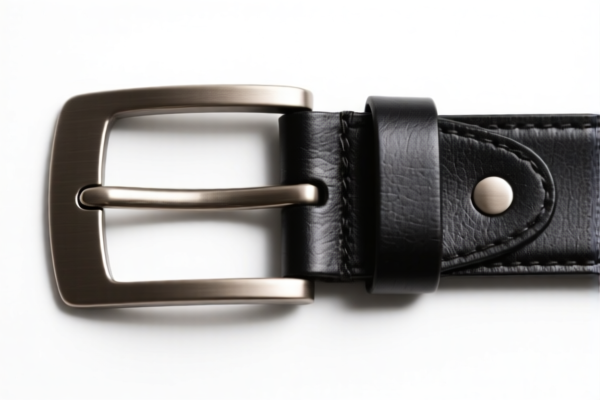
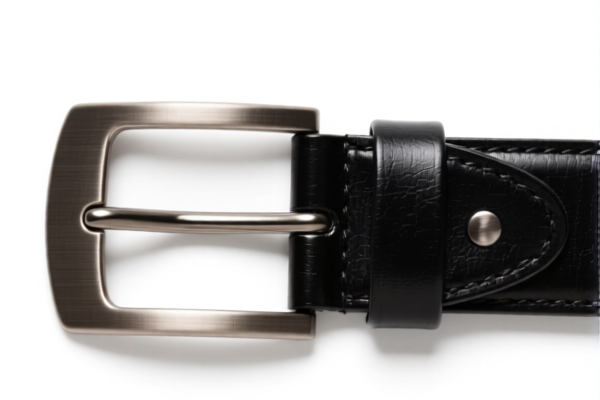
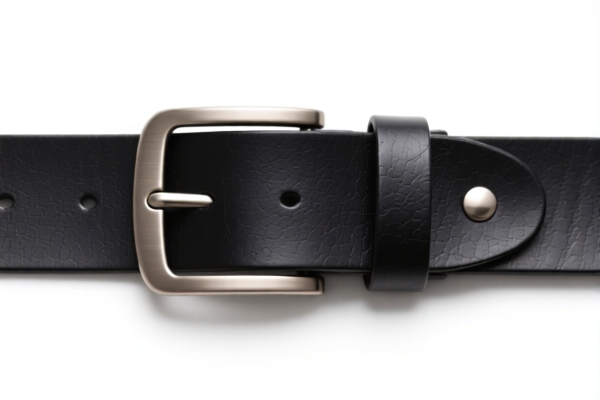
anti bending buckle
CN → US| HS Code | Tariff Rate | Origin | Destination | Doc |
|---|---|---|---|---|
| 7326190080 | 87.9% | CN | US | Official Doc |
| 7326908688 | 87.9% | CN | US | Official Doc |
| 8308906000 | 13.9% | CN | US | Official Doc |
| 8308909000 | 37.7% | CN | US | Official Doc |
| 3926908500 | 24.0% | CN | US | Official Doc |
| 3926909989 | 22.8% | CN | US | Official Doc |
Product Images

AI Analysis
🛠️ Anti-Bending Buckle: Ultimate HS Code Guide & Tariff Strategy
🌐 HS Code Classification & Tariff Breakdown | 2026 Strategic Compliance
📌 One: Product Definition: What is an "Anti-Bending Buckle"?
The term "Anti-Bending Buckle" typically refers to a robust fastening component designed to resist deformation under stress, often used in high-load applications such as safety harnesses, military gear, heavy-duty cargo straps, luggage, and industrial clothing.
In international trade, these buckles are classified based on their material composition: 1. Plastic/Metal-Composite Buckles: Often made of high-strength engineering plastics (e.g., Nylon, ABS) or plastic components with metal inserts. 2. Base Metal Buckles: Made primarily of zinc alloy, steel, or other base metals, designed for maximum durability and strength.
⚠️ Critical Classification Warning:
- If the buckle is plastic-based (even with metal clips), it falls under Chapter 39 (Plastics).
- If the buckle is base metal (steel, zinc, etc.), it falls under Chapter 83 (Base Metal Accessories) or Chapter 73 (Iron/Steel Articles).
- Misclassification can lead to a 20%+ tariff discrepancy or customs detention!
📦 Two: HS Code Classification Details (Strictly Based on Provided Data)
Below are the precise HS Codes and Tax structures derived from the input data for "Anti-Bending Buckles".
🟢 Category A: Plastic/Composite Anti-Bending Buckles
Used for: Light to medium-duty gear, luggage, fashion accessories where weight is a factor.
| HS Code | Product Description | Material Composition | Total Tax Rate |
|---|---|---|---|
| 3926.90.85.00 | Plastic Fasteners in Clips Other articles of plastics, fasteners in clips suitable for mechanical attaching devices. |
Plastic (with metal clips if applicable) | 14.0% |
| 3926.90.99.89 | Other Plastic Articles Other articles of plastics, "Other Other" (general category for non-specific plastic buckles). |
Pure Plastic or Mixed Plastic | 12.8% |
🔍 Analysis:
-3926.90.85.00is the preferred code if the buckle is specifically a "clip suitable for use in a mechanical attaching device" (e.g., a side-release buckle).
-3926.90.99.89is the fallback code for plastic buckles that do not fit the specific "clip" description or are general plastic fasteners.
🔵 Category B: Base Metal Anti-Bending Buckles
Used for: Safety gear, military, heavy industrial, high-stress applications.
| HS Code | Product Description | Material Composition | Total Tax Rate |
|---|---|---|---|
| 8308.90.60.00 | Buckles and Buckle Clasps (Base Metal) Clasps, frames, buckles, hooks, etc., of base metal for clothing, travel goods, saddlery, etc. |
Base Metal (Zinc, Steel, etc.) | 28.9% |
| 8308.90.90.00 | Other Base Metal Fasteners Other clasps/fasteners of base metal not specified elsewhere. |
Base Metal | 27.7% |
🔍 Analysis:
-8308.90.60.00is the primary code for standard buckles, buckle clasps, and parts used for clothing, travel goods, or leather items.
-8308.90.90.00applies to base metal fasteners that are not specifically "buckles" (e.g., unique rivets or specialized metal frames).
⚫ Category C: Iron/Steel Anti-Bending Buckles (Special Case)
Used for: Extreme industrial or military hardware, forged/stamped parts.
| HS Code | Product Description | Material Composition | Total Tax Rate |
|---|---|---|---|
| 7326.19.00.80 | Forged/Stamped Iron/Steel Other articles of iron or steel, forged or stamped, not further worked. |
Iron/Steel | 77.9% |
| 7326.90.86.88 | Other Iron/Steel Articles Other articles of iron or steel, "Other Other". |
Iron/Steel | 77.9% |
🔍 Critical Warning:
- If the "Anti-Bending Buckle" is made of pure forged steel or stamped iron (and not classified under Chapter 83), the tariff is extremely high (77.9%).
- This 50% "Steel/Aluminum/Copper Additional Tariff" + 25% "Additional Tariff" makes this category prohibitively expensive for general export unless specific exemptions apply.
💰 Three: 2026 Tariff Structure Deep Dive (Tax Breakdown)
✅ Scenario: Import from China (CN) to USA (US)
✅ Context: High tariffs due to "Additional Tariffs" (Section 301/EO measures).
1. Plastic Buckles (Low Risk, Lower Cost)
- HS Code:
3926.90.85.00 - Tax Breakdown:
- Base Tariff: 6.5%
- Additional Tariff: 7.5%
- Total: 14.0%
- Strategy: This is the most competitive tier for plastic components.
2. Base Metal Buckles (Medium Risk, Moderate Cost)
- HS Code:
8308.90.60.00 - Tax Breakdown:
- Base Tariff: 3.9%
- Additional Tariff: 25.0% (Section 301)
- Total: 28.9%
- Strategy: The 25% surcharge significantly impacts margins. Verify if the product can be classified as a "part" of a larger machine to potentially lower rates.
3. Iron/Steel Articles (High Risk, Prohibitive Cost)
- HS Code:
7326.19.00.80or7326.90.86.88 - Tax Breakdown:
- Base Tariff: 2.9%
- Additional Tariff 1: 25.0% (Standard)
- Additional Tariff 2: 50.0% (Specific for "Steel, Aluminum, Copper products")
- Total: 77.9%
- Strategy: AVOID this classification if possible. If the buckle is steel, try to argue it is a "Base Metal Accessory" (Chapter 83) rather than "Iron/Steel Articles" (Chapter 73) to save ~50% in tariffs.
🛠️ Four: Customs Clearance Action Plan (Pro Tips)
✅ 1. Material Proofing (The Most Critical Step)
- Action: Provide a Material Declaration stating the exact % of plastic vs. metal.
- Why: Customs officers will test the hardness. If it's too hard/steel-like, they may force
7326(77.9% tax) instead of8308(28.9% tax). - Tip: Ensure the description emphasizes "Base Metal Accessory" (Chapter 83) rather than "Iron/Steel Article" (Chapter 73).
✅ 2. Description Wording for Clearance
- Correct: "Plastic Side-Release Buckle for Safety Harness, Nylon/ABS, Metal Insert"
- Correct: "Zinc Alloy Heavy-Duty Buckle for Military Gear, Class 8308"
- Avoid: "Iron Steel Bending Buckle" (Triggers 77.9% tax).
✅ 3. Component Separation Strategy
- If the buckle consists of plastic + metal, classify under Plastic (3926) if the plastic is the primary functional material.
- If the metal is the primary structural material, classify under Base Metal (8308).
- Never split the shipment (e.g., declare buckles as plastic and the metal clips as metal separately) unless they are shipped as separate SKUs, as this invites scrutiny.
🌍 Five: Global Market Tariff Comparison (Estimated)
| Market | HS Code | Base Tax | Additional Tax | Total Est. | Risk Level |
|---|---|---|---|---|---|
| USA | 3926.90.85.00 |
6.5% | +7.5% | 14.0% | 🟢 Low |
| USA | 8308.90.60.00 |
3.9% | +25.0% | 28.9% | 🟡 Medium |
| USA | 7326.90.86.88 |
2.9% | +25% + 50% | 77.9% | 🔴 Critical |
| EU | 3926.90 |
6.5% | 0% | 6.5% | 🟢 Low |
| EU | 8308.90 |
0% | 0% | 0% | 🟢 Low |
📌 Conclusion: The US market imposes heavy "Additional Tariffs" on Chinese steel and metal products. Plastic (3926) is the safest and most cost-effective classification for anti-bending buckles if the material allows.
🎯 Six: Final Recommendations for Exporters
- Re-evaluate Material: If your "Anti-Bending Buckle" is currently steel, consider switching to High-Strength Plastic (Nylon 6/6, PEEK) or Zinc Alloy to avoid the 77.9% "Steel" tariff.
- Target HS Code: Aim for
3926.90.85.00(Plastic Clips) or8308.90.60.00(Base Metal Buckles). Avoid7326at all costs. - Documentation: Always include a Bill of Materials (BOM) showing the plastic-to-metal ratio to support the "Plastic" classification claim.
- Pre-Classification: File a Binding Tariff Information (BTI) or Advance Ruling with US Customs (CBP) before shipping to confirm the
3926vs8308distinction.
💡 Golden Rule: "Material Matters More Than Shape!"
A steel buckle shaped like plastic is still taxed as steel (77.9%). A plastic buckle shaped like steel is taxed as plastic (14.0%). Define your material first!
✨ Clear Customs, Maximize Profit!
🚀 Don't let a 63% tax difference destroy your margins. Get your HS Code right today.
Customer Reviews
About HS Code Classification
The Harmonized System (HS) is an internationally standardized nomenclature developed by the World Customs Organization (WCO) to classify traded products. Over 200 countries use the HS system as the basis for customs tariffs, trade statistics, and import/export regulations.
Each HS code follows a hierarchical structure:
- Chapter (2 digits) — Broad category of goods (e.g., Chapter 84: Machinery and Mechanical Appliances)
- Heading (4 digits) — More specific grouping within the chapter
- Subheading (6 digits) — Internationally standardized breakdown, used by all WCO member countries
- National subdivisions (8-10 digits) — Country-specific extensions for further classification, such as US HTSUS 10-digit codes
Correct HS code classification is essential for smooth customs clearance, accurate duty payment, and compliance with trade regulations. Misclassification can lead to customs delays, overpayment of duties, or penalties.
When importing from CN to US, the applicable tariff rates may include:
- Most-Favored-Nation (MFN) rate — The standard duty rate applied to WTO members
- General rate — Applied to countries without trade agreements
- Trade remedy duties — Additional tariffs such as Section 301 (anti-dumping), Section 232 (national security), or countervailing duties
The information provided on this page is for reference purposes only. For official classification, please consult with your local customs authority or a licensed customs broker.