anti fatigue mat
CN → US| HS Code | Tariff Rate | Origin | Destination | Doc |
|---|---|---|---|---|
| 5705002090 | 38.3% | CN | US | Official Doc |
| 5705002030 | 38.3% | CN | US | Official Doc |
| 3926909989 | 22.8% | CN | US | Official Doc |
| 3926901000 | 20.9% | CN | US | Official Doc |
| 4016910000 | 37.7% | CN | US | Official Doc |
| 4016100000 | 35.0% | CN | US | Official Doc |
Product Images
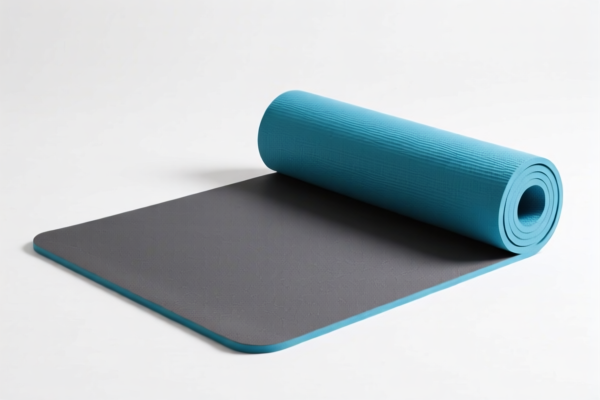

AI Analysis
💪 Anti-Fatigue Mats (Industrial & Office)
🌐 HS Code Reference & Clearance Guide | 2026 Updated Tariff Analysis | Professional Clearance Strategy
📌 Part 1: Product Definition & Classification: What Exactly is an "Anti-Fatigue Mat"?
Anti-fatigue mats are ergonomic floor coverings designed to reduce leg, foot, and back strain for workers standing for long periods. They are crucial in industrial, commercial, and office environments.
In international trade, these mats fall into two distinct categories based on material and construction:
- Rubber Cellular Mats: Made from vulcanized rubber (specifically cellular foam rubber), often used in factories, kitchens, and heavy-duty industrial zones.
- Textile/Other Material Mats: Made from non-rubber materials (like fiber, carpet, or plastic composites), often used in offices or light industrial settings.
⚠️ Critical Classification Point:
- Material Matters: If it is cellular rubber, it goes to Chapter 40.
- Material Matters: If it is textile/carpet or plastic, it goes to Chapter 57 or Chapter 39.
- Function: While the function is "anti-fatigue," customs classifies based on material composition, not just the intended use.
📦 Part 2: HS Code Classification Details (2026 Tariff Alignment)
Based on the provided data, here are the specific HS Codes for Anti-Fatigue Mats:
| HS Code | Product Description | Material Type | Typical Use Case |
|---|---|---|---|
| 4016.10.00.00 | Other articles of vulcanized rubber: Of cellular rubber | 🧪 Vulcanized Cellular Rubber | Factory floors, assembly lines, heavy-duty industrial zones |
| 4016.91.00.00 | Other articles of vulcanized rubber (not hard rubber): Floor coverings and mats | 🧪 Solid/Non-cellular Vulcanized Rubber | Light industrial, kitchens, non-cushioned rubber mats |
| 5705.00.20.90 | Other carpets and textile floor coverings: Other Other | 🧵 Textile/Fabric | Office environments, light commercial use (generic) |
| 5705.00.20.30 | Other carpets and textile floor coverings: Other Of man-made fibers | 🧵 Synthetic Textile | Offices, retail spaces (High tax savings here!) |
| 3926.90.99.89 | Other articles of plastics: Other Other | 🧪 Plastic/Composite | Plastic interlocking tiles, modular anti-fatigue systems |
| 3926.90.10.00 | Other articles of plastics: Buckets and pails | 🧪 Plastic | Note: Not typically for mats, but listed in source data |
🔍 Key Insight:
- Cellular Rubber (4016.10): The most common "anti-fatigue" type. However, be aware of high "Add-on" tariffs. - Man-made Fiber Textile (5705.20.30): Zero Tax! If your mat is made of synthetic fibers (not rubber), this is the gold code for cost-saving. - Plastic (3926.90.99): Common for modular "grid" mats. Moderate tax burden.
💰 Part 3: 2026 Tariff Rate Breakdown (Including Base & Add-on)
✅ Target Market: USA (US)
✅ Origin: China (CN)
✅ Effective Date: Based on current "Base + Add-on" structure (25% Section 301 + Base Rate)
🎯 1. 4016.10.00.00 — Cellular Rubber Mats
The most likely classification for standard foam rubber anti-fatigue mats.
| Item | Content |
|---|---|
| Base Tariff | 0.0% |
| Section 301 Add-on | +25.0% |
| Total Tariff | 25.0% |
| Calculation | CIF Value × 25% |
| De Minimis Exemption | ❌ No (Commercial shipments only) |
| Legal Path | Base: 4016.10 + Section 301: +25% |
📌 Analysis:
Even though the base tariff is 0%, the 25% punitive tariff makes cellular rubber mats expensive to import. If your product is "foam rubber," you are paying this 25%.
🎯 2. 4016.91.00.00 — Other Rubber Floor Coverings/Mats
Applies if the mat is solid rubber (not cellular foam).
| Item | Content |
|---|---|
| Base Tariff | 2.7% |
| Section 301 Add-on | +25.0% |
| Total Tariff | 27.7% |
| Calculation | CIF Value × 27.7% |
| De Minimis Exemption | ❌ No |
| Legal Path | Base: 4016.91 + Section 301: +25% |
📌 Analysis:
This is slightly higher than cellular rubber because of the 2.7% base. Solid rubber mats are generally less common for "anti-fatigue" but possible.
🎯 3. 5705.00.20.90 — Textile Mats (Generic)
For textile mats that don't fit specific "man-made fiber" categories.
| Item | Content |
|---|---|
| Base Tariff | 3.3% |
| Section 301 Add-on | +25.0% |
| Total Tariff | 28.3% |
| Calculation | CIF Value × 28.3% |
| De Minimis Exemption | ❌ No |
| Legal Path | Base: 5705.20.90 + Section 301: +25% |
🎯 4. 5705.00.20.30 — Man-Made Fiber Textile Mats
⭐ The WINNING Code! High savings potential.
| Item | Content |
|---|---|
| Base Tariff | 0.0% |
| Section 301 Add-on | 0.0% |
| Total Tariff | 0.0% |
| Calculation | CIF Value × 0% |
| De Minimis Exemption | N/A (0 tax anyway) |
| Legal Path | Base: 5705.20.30 + Exempt |
📌 Critical Strategy:
If your anti-fatigue mat is made of synthetic fibers (e.g., polypropylene carpet, non-rubber textile) rather than rubber foam, you can classify under 5705.00.20.30 and pay ZERO extra tariff!
Note: Must strictly be "man-made fibers" and fit the description.
🎯 5. 3926.90.99.89 — Plastic/Other Plastics
For modular plastic grid mats.
| Item | Content |
|---|---|
| Base Tariff | 5.3% |
| Section 301 Add-on | +7.5% |
| Total Tariff | 12.8% |
| Calculation | CIF Value × 12.8% |
| De Minimis Exemption | ❌ No |
| Legal Path | Base: 3926.90 + Add-on: +7.5% |
📌 Analysis:
Plastic modular mats have the lowest combined tax among the non-textile options (12.8%). This is often cheaper than rubber (25-27.7%).
🛠️ Part 4: Clearance Practical Advice (How to Save Money)
✅ 1. Material Verification (The #1 Step)
Before shipping, verify the primary material:
- Is it Rubber Foam? → Expect 25.0% tax (4016.10).
- Is it Solid Rubber? → Expect 27.7% tax (4016.91).
- Is it Plastic Grid? → Expect 12.8% tax (3926.90.99).
- Is it Synthetic Carpet/Fabric? → Target 0.0% tax (5705.20.30).
💡 Pro Tip: If you can reformulate or source a textile-based anti-fatigue mat instead of rubber, you save ~25% instantly.
✅ 2. Accurate Naming & Description
Avoid vague terms like "Gym Mat" or "Industrial Pad." - Correct: "Anti-Fatigue Floor Mat, Man-Made Fiber, Cellular Structure (if applicable)." - Incorrect: "Rubber Mat" (if it's actually plastic).
✅ 3. Documentation Checklist
| Document | Requirement | Why? |
|---|---|---|
| Material Composition Sheet | Must list % of Rubber, Plastic, or Textile | To prove eligibility for 5705.20.30 (0% tax) vs 4016.10 (25% tax) |
| Product Photo | Clear shot of texture/backing | Customs needs to visually confirm if it's textile or rubber |
| Usage Statement | "Ergonomic standing mat for office/factory" | Helps align with HS Code description |
| Bill of Lading | Accurate weight/volume | Tax is based on CIF Value |
🚨 Part 5: Common Pitfalls & Warnings
❌ Mistake 1: Calling a Textile Mat "Rubber"
- Result: Customs reclassifies to 4016.91 or 4016.10.
- Cost: Suddenly paying 25-27.7% instead of 0%.
- Fix: Provide a lab test report confirming fiber content.
❌ Mistake 2: Misclassifying Plastic Mats as "Other Articles" (4016)
- Result: Confusion between Chapter 39 (Plastic) and Chapter 40 (Rubber).
- Fix: If it's plastic, it must go to 3926.90.
❌ Mistake 3: Ignoring the "Add-on" Tariff
- Result: Thinking 0% base tax means 0% total.
- Reality: For rubber/textile items, the 25% Add-on is almost always applicable from China.
- Fix: Only 5705.20.30 (Man-made fiber) escapes both Base and Add-on taxes in this dataset.
🎯 Summary: The "Anti-Fatigue Mat" Cost Hierarchy
- 💰 Best Option: Textile (Man-made Fiber) → HS 5705.00.20.30 → 0.0% Total Tax 🏆
- 🥈 Good Option: Plastic (Modular) → HS 3926.90.99.89 → 12.8% Total Tax
- 🥉 Rubber Option: Cellular Rubber → HS 4016.10.00.00 → 25.0% Total Tax
- ❌ Worst Option: Solid Rubber → HS 4016.91.00.00 → 27.7% Total Tax
🚀 Action Plan:
- If you are importing rubber mats, budget for 25-27.7%.
- If you have flexibility, switch to textile (man-made fiber) or plastic designs to drastically reduce landed cost.
- Always declare the exact material composition to avoid reclassification penalties.
✨ Clearance Success = Right Material + Right HS Code + Zero Surprises!
💼 Don't let tax eat your profit margin. Choose your fiber wisely!
Customer Reviews
About HS Code Classification
The Harmonized System (HS) is an internationally standardized nomenclature developed by the World Customs Organization (WCO) to classify traded products. Over 200 countries use the HS system as the basis for customs tariffs, trade statistics, and import/export regulations.
Each HS code follows a hierarchical structure:
- Chapter (2 digits) — Broad category of goods (e.g., Chapter 84: Machinery and Mechanical Appliances)
- Heading (4 digits) — More specific grouping within the chapter
- Subheading (6 digits) — Internationally standardized breakdown, used by all WCO member countries
- National subdivisions (8-10 digits) — Country-specific extensions for further classification, such as US HTSUS 10-digit codes
Correct HS code classification is essential for smooth customs clearance, accurate duty payment, and compliance with trade regulations. Misclassification can lead to customs delays, overpayment of duties, or penalties.
When importing from CN to US, the applicable tariff rates may include:
- Most-Favored-Nation (MFN) rate — The standard duty rate applied to WTO members
- General rate — Applied to countries without trade agreements
- Trade remedy duties — Additional tariffs such as Section 301 (anti-dumping), Section 232 (national security), or countervailing duties
The information provided on this page is for reference purposes only. For official classification, please consult with your local customs authority or a licensed customs broker.