anti slip shoe grips
CN → US| HS Code | Tariff Rate | Origin | Destination | Doc |
|---|---|---|---|---|
| 4016996050 | 37.5% | CN | US | Official Doc |
| 6406200000 | 20.2% | CN | US | Official Doc |
| 4016990500 | 20.9% | CN | US | Official Doc |
| 6406903030 | 15.3% | CN | US | Official Doc |
| 6406909000 | 17.5% | CN | US | Official Doc |
Product Images
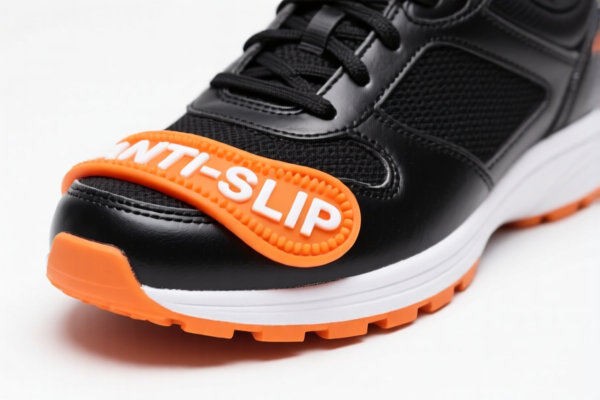
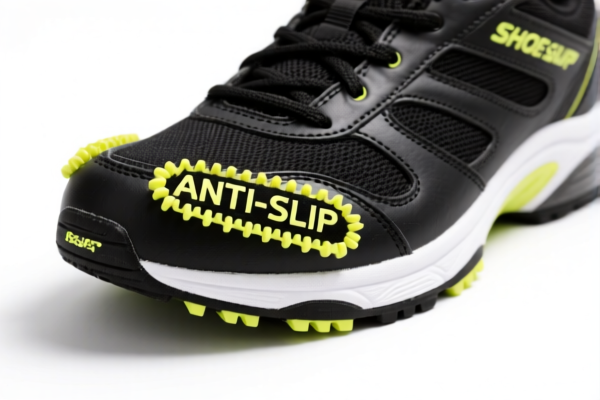
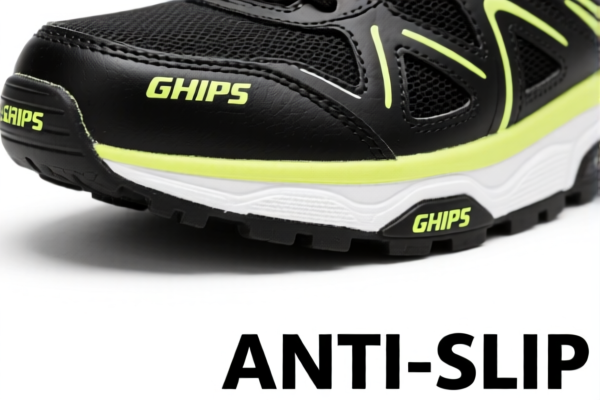
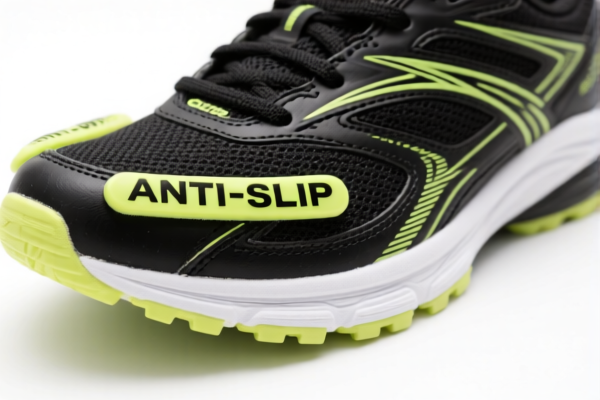
AI Analysis
👟 Anti-Slip Shoe Grips (Traction Cleats/Outsoles)
🌐 HS Code Reference & Customs Clearance Guide | 2026 Latest Tariff Analysis | Professional Clearance Strategy
📌 I. Product Definition & Classification: Do You Truly Understand "Anti-Slip Shoe Grips"?
Anti-slip shoe grips are accessories or components designed to enhance traction on footwear, commonly used in winter sports, industrial safety, or casual winter wear. In international trade, they are generally categorized in two main ways depending on their integration and material:
Shoe Parts (Outsoles/Accessories): Components made of rubber or plastic that attach to or replace the bottom of shoes to provide grip. These fall under Chapter 64. Rubber Articles: Standalone rubber products or general rubber items that do not fit specific shoe part descriptions, falling under Chapter 40.
⚠️ Key Distinction Point:
- If the item is a detachable cleat, spike, or separate sole unit designed specifically for shoes → Classify under Chapter 64 (Shoe Parts).
- If the item is a general rubber grip, non-specific to shoes, or considered a "general rubber article" → Classify under Chapter 40 (Rubber Articles).
- Material Note: Most anti-slip grips are made of vulcanized rubber or plastic.
📦 II. HS Code Classification Details (2026 Latest Tariff Authority Comparison)
| HS Code | Product Description | Applicability | Material | Tax Rate |
|---|---|---|---|---|
4016.99.60.50 |
Other vulcanized rubber articles (not elsewhere specified) | General rubber grip, non-specific shoe part | Vulcanized Rubber | 37.5% |
6406.20.00.00 |
Shoe parts: Outsoles and heels, of rubber or plastic | Standard anti-slip outsoles replacing shoe bottoms | Rubber/Plastic | 20.2% |
4016.99.05.00 |
Other vulcanized rubber articles: Accessories/Household items | Rubber grips classified as general accessories | Vulcanized Rubber | 20.9% |
6406.90.30.30 |
Other shoe parts: Soles and other parts, of rubber/plastic | Fully matched sole components for shoes | Rubber/Plastic | 15.3% |
6406.90.90.00 |
Other shoe parts: Removable insoles (and other unspecified parts) | Detachable anti-slip insoles/liners | Rubber/Plastic | 17.5% |
🔍 Key Reminder:
- Outsoles (Chapter 64) generally carry lower total tax burdens than general rubber articles (Chapter 40) if correctly classified as specific shoe parts.
- Chapter 40 classifications are riskier due to higher "Section 301" and "IEEPA" surcharges, leading to 37.5% in some cases.
- Specificity Matters: If the product is clearly an "outsole" or "sole part," 6406 codes are preferred over 4016 codes to save costs.
💰 III. 2026 Latest Tariff Rate Breakdown (Including Surcharges & Policy Add-ons)
✅ Applicable Country: United States (US)
✅ Country of Origin: China (CN)
✅ Effective Date: From November 10, 2025 (including subsequent imports)
🎯 1. 4016.99.60.50 —— Other Vulcanized Rubber Articles
| Item | Detail |
|---|---|
| Base Tariff | 2.5% (ad valorem) |
| Section 301 Surcharge | +25.0% |
| Section 122 Surcharge | +10.0% |
| Total Tax Rate | 37.5% |
| Tax Calculation | CIF Value × 37.5% |
| De Minimis Eligibility | ❌ Not Eligible (deny_de_minimis) |
| Legal Basis Path | IEEPA:9903.01.25 → USITC:4016.99.60.50 → FOOTNOTE:122 |
📌 Explanation:
- This is the highest tariff option.
- It applies when customs authorities determine the item is not a specific shoe part but a general rubber article.
- Avoid this code if your product is clearly an outsole or shoe accessory.
🎯 2. 6406.20.00.00 —— Outsoles and Heels (Rubber/Plastic)
| Item | Detail |
|---|---|
| Base Tariff | 2.7% |
| Section 301 Surcharge | +7.5% |
| Section 122 Surcharge | +10.0% |
| Total Tax Rate | 20.2% |
| Tax Calculation | CIF Value × 20.2% |
| De Minimis Eligibility | ❌ Not Eligible |
| Legal Basis Path | IEEPA:9903.01.24 → USITC:6406.20.00.00 → FOOTNOTE:122 |
📌 Note:
- Lower than Chapter 40 codes.
- Best for standard rubber/plastic outsoles that replace the bottom of shoes.
🎯 3. 4016.99.05.00 —— Other Vulcanized Rubber Articles (Accessories)
| Item | Detail |
|---|---|
| Base Tariff | 3.4% |
| Section 301 Surcharge | +7.5% |
| Section 122 Surcharge | +10.0% |
| Total Tax Rate | 20.9% |
| Tax Calculation | CIF Value × 20.9% |
| De Minimis Eligibility | ❌ Not Eligible |
| Legal Basis Path | IEEPA:9903.01.24 → USITC:4016.99.05.00 → FOOTNOTE:122 |
📌 Note:
- Comparable to6406.20but still higher due to Chapter 40 classification.
- Used when the item is a rubber accessory not specifically defined as a "sole."
🎯 4. 6406.90.30.30 —— Other Shoe Parts (Soles)
| Item | Detail |
|---|---|
| Base Tariff | 5.3% |
| Section 301 Surcharge | 0.0% |
| Section 122 Surcharge | +10.0% |
| Total Tax Rate | 15.3% |
| Tax Calculation | CIF Value × 15.3% |
| De Minimis Eligibility | ❌ Not Eligible |
| Legal Basis Path | USITC:6406.90.30.30 → FOOTNOTE:122 |
📌 Highlight:
- Lowest Total Tax Rate (15.3%)!
- No Section 301 Surcharge (0%)!
- Applies to specific "soles" and other shoe parts that fit the detailed description.
- Optimal Choice if your anti-slip grip is a complete sole or part of the sole structure.
🎯 5. 6406.90.90.00 — Other Shoe Parts (Removable Insoles)
| Item | Detail |
|---|---|
| Base Tariff | 0.0% |
| Section 301 Surcharge | +7.5% |
| Section 122 Surcharge | +10.0% |
| Total Tax Rate | 17.5% |
| Tax Calculation | CIF Value × 17.5% |
| De Minimis Eligibility | ❌ Not Eligible |
| Legal Basis Path | IEEPA:9903.01.24 → USITC:6406.90.90.00 → FOOTNOTE:122 |
📌 Note:
- Applies specifically to removable insoles or liners.
- If your product is a detachable anti-slip insert/liners placed inside the shoe, use this code.
- Base tariff is 0%, but surcharges apply.
🛠️ IV. Customs Clearance Practical Advice (Combat Pitfall Guide)
✅ 1. Required Documentation Checklist (No Exceptions)
| Document | Must Provide | Description |
|---|---|---|
| ✅ Product Specs | ✔️ | Material (Rubber/Plastic), Weight, Dimensions, Attachment Method |
| ✅ Product Photos | ✔️ | Clear images showing the product attached to a shoe or standalone |
| ✅ Commercial Invoice | ✔️ | Clearly state "Anti-Slip Shoe Outsole" or "Removable Insole" |
| ✅ Packing List | ✔️ | Itemize by type if mixed (soles vs. insoles) |
| ✅ Origin Certificate | ✔️ | If not CN origin, check for preferential tariffs |
✅ 2. Declaration Tips (Key Mantra)
🔥 “Sole or Insert? Specify Clear, Avoid Chapter 40, Save 22%!”
| Scenario | Correct Declaration | Wrong Practice |
|---|---|---|
| Complete Anti-Slip Sole | 6406.90.30.30 |
Declare as "Rubber Grip" → 37.5% |
| Detachable Spike/Cleat | 6406.90.30.30 or 6406.20.00.00 |
Declare as "Sport Accessory" → Higher risk |
| Removable Insole Liner | 6406.90.90.00 |
Declare as "Rubber Article" → 20.9% |
| Generic Rubber Traction Pad | 4016.99.60.50 (Last Resort) |
Use only if no shoe-specific classification fits |
✅ 3. Special Case Handling
| Scenario | Handling Advice |
|---|---|
| OEM Custom Soles | Provide customer order + design drawings to prove specificity as shoe parts. |
| Mixed Shipments | Separate declaration for Outsoles (6406) and General Rubber Items (4016). Do not mix in one line item if tariffs differ significantly. |
| Product Description | Use precise terms: "Vulcanized Rubber Outsole for Safety Shoes" or "Removable Anti-Slip Insole." Avoid vague terms like "Grip" or "Pad." |
| Material Composition | Ensure materials are declared as Rubber/Plastic. If metal spikes are included, ensure they are considered part of the sole structure. |
🌍 V. Global Market Clearance Comparison (2026 Latest)
| Country/Region | Recommended HS Code | Tariff | Certification | Notes |
|---|---|---|---|---|
| 🇺🇸 USA | 6406.90.30.30 |
15.3% | None Specific | Lowest rate for Soles |
| 🇺🇸 USA | 6406.20.00.00 |
20.2% | None Specific | For standard Outsoles |
| 🇨🇳 China | 6406.90.30.30 |
5-10% | CCC (if applicable) | Low base tariff |
| 🇪🇺 EU | 6406.90 |
0-4% | CE (if safety gear) | No Section 301 |
| 🇦🇺 Australia | 6406.90 |
5% | RCM | No surcharges |
📌 Conclusion:
- USA is the only major market with high surcharges (Section 301, IEEPA, 122).
- China-origin goods face 15.3%–37.5% depending on precise classification.
- Classifying as "Shoe Parts" (Ch 64) is significantly cheaper than "Rubber Articles" (Ch 40).
📌 VI. Common Mistakes & Pitfall Guide (Lessons Learned)
❌ Mistake 1: Declaring "Anti-Slip Grips" as "General Rubber Goods" (4016)
👉 Consequence: 37.5% Tax instead of 15.3%. Loss of $22.2/CF.
❌ Mistake 2: Mixing "Outsoles" and "Insoles" in one HS Code
👉 Consequence: Customs audit, potential misclassification penalties, delay.
❌ Mistake 3: Using vague terms like "Shoe Accessory"
👉 Consequence: Customs may default to higher tariff codes or request additional documentation.
❌ Mistake 4: Ignoring Section 122 Tariffs
👉 Consequence: Unexpected 10% surcharge on all shoe/rubber imports from China.
✅ Correct Action:
"Vulcanized Rubber Anti-Slip Outsole for Winter Boots, Model XYZ, Designed to Replace Standard Sole"
Use6406.90.30.30for lowest tax (15.3%).
🎯 VII. Conclusion: Precise Classification Saves Money!
🎯 Remember the Mantra:
🔹 “Sole is Best, 15.3% Wins, Rubber is Expensive, 37.5% Burns.”
🔹 “Shoe Part (Ch 64) > Rubber Part (Ch 40) for Cost Savings.”
🔹 “Detail Matters: Outsole vs. Insole vs. General Grip.”
📌 Tips:
If your product is removable insoles, use
6406.90.90.00(17.5%).
If your product is complete outsoles, use6406.90.30.30(15.3%).
Avoid4016codes unless absolutely necessary.
📣 Immediate Action:
📞 Contact your customs broker with product photos and specs.
🚀 Apply for Pre-Ruling if possible to secure the 15.3% rate.
✨ Clearance Starts with Accurate Classification!
✨ Professional Clearance, Cost Efficiency, and Compliance!
💼 Every Percent Saved is Pure Profit!
Customer Reviews
About HS Code Classification
The Harmonized System (HS) is an internationally standardized nomenclature developed by the World Customs Organization (WCO) to classify traded products. Over 200 countries use the HS system as the basis for customs tariffs, trade statistics, and import/export regulations.
Each HS code follows a hierarchical structure:
- Chapter (2 digits) — Broad category of goods (e.g., Chapter 84: Machinery and Mechanical Appliances)
- Heading (4 digits) — More specific grouping within the chapter
- Subheading (6 digits) — Internationally standardized breakdown, used by all WCO member countries
- National subdivisions (8-10 digits) — Country-specific extensions for further classification, such as US HTSUS 10-digit codes
Correct HS code classification is essential for smooth customs clearance, accurate duty payment, and compliance with trade regulations. Misclassification can lead to customs delays, overpayment of duties, or penalties.
When importing from CN to US, the applicable tariff rates may include:
- Most-Favored-Nation (MFN) rate — The standard duty rate applied to WTO members
- General rate — Applied to countries without trade agreements
- Trade remedy duties — Additional tariffs such as Section 301 (anti-dumping), Section 232 (national security), or countervailing duties
The information provided on this page is for reference purposes only. For official classification, please consult with your local customs authority or a licensed customs broker.