anti tamper seal
CN → US| HS Code | Tariff Rate | Origin | Destination | Doc |
|---|---|---|---|---|
| 8309900085 | 37.6% | CN | US | Official Doc |
| 8301106080 | 23.6% | CN | US | Official Doc |
| 8301406060 | 23.2% | CN | US | Official Doc |
| 8309900080 | 37.6% | CN | US | Official Doc |
Product Images
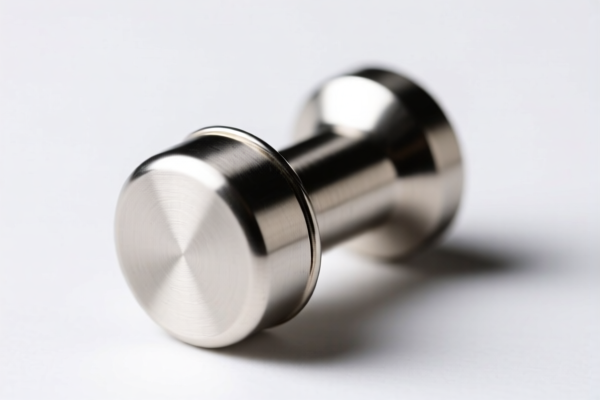
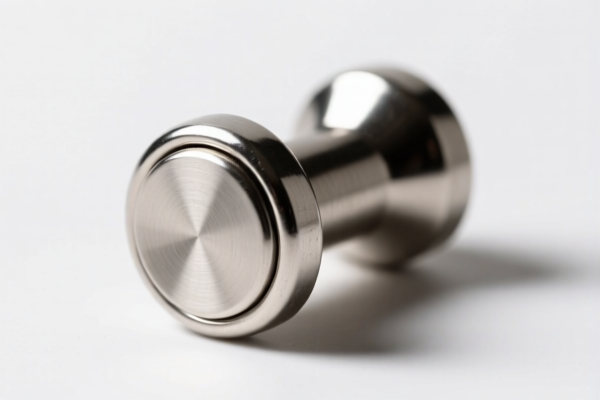
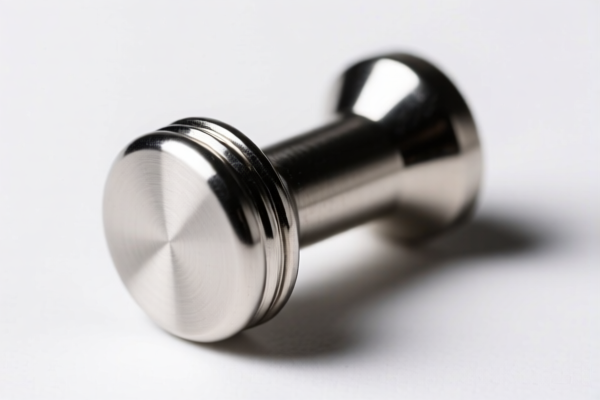
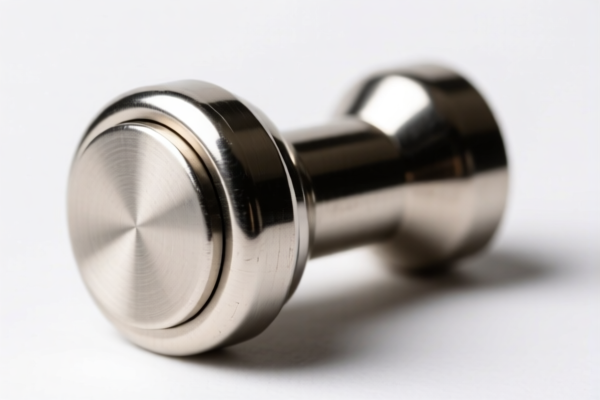
AI Analysis
🔒 Anti-Tamper Seal (Security Seals & Fastening Accessories)
🌐 HS Code Reference & Customs Clearance Guide | 2026 Latest Tariff Analysis | Professional Level Compliance Strategy
📌 I. Product Definition & Classification: What Exactly is an "Anti-Tamper Seal"?
Anti-tamper seals are critical security components designed to provide visible evidence of unauthorized access, theft, or interference. In international trade, they are broadly classified based on their physical form and material composition. They generally fall into two main categories under Chapter 83 (Miscellaneous Manufactured Articles of Base Metal):
1. Closure Devices (Plugs/Caps): Physical stoppers or covers that prevent opening or tampering with containers.
2. Locking Devices (Padlocks/Hasps): Metallic or composite locking mechanisms that secure containers, doors, or vehicles.
⚠️ Key Classification Point:
- If the item functions primarily as a plug, cap, or stopper (even if security-oriented) → It falls under HS 8309 (Caps, Covers, Bottle-Ends, and Other Fastening Accessories).
- If the item functions primarily as a lock, padlock, or hasp (using a key, combination, or pin mechanism) → It falls under HS 8301 (Locks (Padlocks, Lever-Action Locks, etc.) and Parts Thereof).
📦 II. HS Code Classification Details (2026 Latest Tariff Authority Comparison)
Based on the functional attributes of "Anti-Tamper" products, here are the four most likely HS Codes and their specific rationales:
| HS Code | Product Description | Application Scenario | Classification Logic |
|---|---|---|---|
8309.90.00.85 |
Caps, covers, bottle-ends, and other fastening accessories of base metal; Other | Security plugs, tamper-evident bottle caps, container stoppers | ✅ Primary Attribute: Closures. Logic: Falls under the "Other" fallback category for fastening accessories. |
8301.40.60.60 |
Locks (padlocks, lever-action locks, etc.), of base metal; Other | Heavy-duty padlocks, security hasps, locking latches with anti-tamper features | ✅ Primary Attribute: Locks. Logic: Falls under the "Other locks" fallback category for locking devices. |
8301.10.60.80 |
Locks (padlocks, lever-action locks, etc.), of base metal; Padlocks | Security padlocks, key-operated seals, composite material security locks | ✅ Primary Attribute: Padlocks/Security Locks. Logic: Based on anti-tamper security function, inferred as security locks made of base metal or composite materials. |
8309.90.00.80 |
Caps, covers, bottle-ends, and other fastening accessories of base metal; Other | General purpose anti-tamper straps, non-locking security seals, packaging accessories | ✅ Primary Attribute: Sealing/Packaging. Logic: Functional attribute of sealing/packaging附件, consistent with packaging accessories fallback principle. |
🔍 Critical Reminder:
- Locks vs. Seals: If the device requires a key, combination, or mechanism to open/close, it is almost certainly HS 8301.
- Plugs vs. Seals: If the device is a passive plug or cap that indicates tampering by breaking but has no locking mechanism, it is HS 8309.
- Material Matters: All listed codes are for Base Metal (steel, aluminum, brass) or composite materials primarily made of such metals. Plastic-only seals may fall under different chapters (e.g., 3926), but the provided data focuses on base metal/composite items.
💰 III. 2026 Latest Tariff Rate Details (Including Surtaxes & Policy Add-ons)
✅ Applicable Country: United States (US)
✅ Country of Origin: China (CN)
✅ Effective Date: 2025/2026 (Current Trade Environment)
🎯 1. 8309.90.00.85 & 8309.90.00.80 —— Caps, Covers, and Other Fastening Accessories
| Item | Details |
|---|---|
| Base Tariff Rate | 2.6% (Ad Valorem) |
| Section 301 Surtax | +25.0% (From USITC Footnote 9903.88.01) |
| Section 122 Tariff | +10.0% (Specific trade measure) |
| Total Tax Rate | 37.6% |
| Tax Calculation | CIF Value × 37.6% |
| De Minimis Exemption | ❌ Not Eligible (High tax burden prevents small parcel exemption benefits in many contexts) |
| Legal Basis Path | USITC:8309.90.00.85 → FOOTNOTE:9903.88.01 → Section 122 Measures |
📌 Explanation:
- "Base Tariff 2.6%": The standard Most Favored Nation (MFN) duty for miscellaneous metal fasteners.
- "Section 301 Surtax 25%": This is the primary punitive tariff on Chinese goods under Section 301 of the Trade Act. It applies heavily to manufactured metal goods.
- "Section 122 Tariff 10%": An additional trade remedy tariff applicable to certain imported goods, further increasing the cost.
- Total 37.6%: This is a high-cost category. Importers must accurately calculate landed costs.
🎯 2. 8301.40.60.60 —— Other Locks (Base Metal)
| Item | Details |
|---|---|
| Base Tariff Rate | 5.7% (Ad Valorem) |
| Section 301 Surtax | +7.5% (From USITC Footnote 9903.88.01) |
| Section 122 Tariff | +10.0% (Specific trade measure) |
| Total Tax Rate | 23.2% |
| Tax Calculation | CIF Value × 23.2% |
| De Minimis Exemption | ❌ Not Eligible |
| Legal Basis Path | USITC:8301.40.60.60 → FOOTNOTE:9903.88.01 → Section 122 Measures |
📌 Explanation:
- "Base Tariff 5.7%": Standard duty for locks and parts.
- "Section 301 Surtax 7.5%": Note that not all items in Chapter 83 face the full 25%. Locks often fall under different sub-lists with lower surtax rates (e.g., 7.5% or 10% depending on the specific 4-digit/8-digit code list).
- "Total 23.2%": Significantly lower than the "Fastening Accessories" category (37.6%). Correct classification can save 14.4% in duties!
🎯 3. 8301.10.60.80 —— Padlocks / Security Locks
| Item | Details |
|---|---|
| Base Tariff Rate | 6.1% (Ad Valorem) |
| Section 301 Surtax | +7.5% (From USITC Footnote 9903.88.01) |
| Section 122 Tariff | +10.0% (Specific trade measure) |
| Total Tax Rate | 23.6% |
| Tax Calculation | CIF Value × 23.6% |
| De Minimis Exemption | ❌ Not Eligible |
| Legal Basis Path | USITC:8301.10.60.80 → FOOTNOTE:9903.88.01 → Section 122 Measures |
📌 Explanation:
- "Base Tariff 6.1%": Standard duty for padlocks.
- "Section 301 Surtax 7.5%": Same surtax rate as other locks in this category.
- "Total 23.6%": Very similar to the "Other Locks" category. The slight difference in base rate (6.1% vs 5.7%) is due to the specific subheading for padlocks.
🛠️ IV. Customs Clearance Practical Advice (Field Pitfall Avoidance Guide)
✅ 1. Document Checklist (缺一不可 - Missing Documents Cause Delays)
| Document | Required? | Description |
|---|---|---|
| ✅ Product Specification Sheet | ✔️ | Must clearly state: Material (e.g., Zinc Alloy, Steel), Mechanism (Key/Combo/Plug), and Function (Tamper-Evident/Locking). |
| ✅ Product Photos | ✔️ | Clear images of the seal/lock from multiple angles, including any branding or model numbers. |
| ✅ Commercial Invoice | ✔️ | Describe item accurately: e.g., "Steel Padlock, Anti-Tamper" vs. "Metal Cap, Anti-Tamper". Do NOT just write "Seal". |
| ✅ Packing List | ✔️ | Detailed weight and quantity. |
| ✅ CE/FCC/RoHS Certificates | ✔️ | If applicable (especially for electronic locks). |
| ✅ Material Declaration | ✔️ | Confirm base metal content to ensure correct Chapter 83 classification. |
✅ 2. Declaration Strategy (Key Mnemonic)
🔥 "Function Dictates Code: Locking = 8301, Sealing = 8309!"
| Scenario | Correct HS Code | Risk of Misclassification |
|---|---|---|
| Padlock / Hasp with Key/Combination | 8301.10.60.80 or 8301.40.60.60 |
Low. Clearly a locking device. |
| Tamper-Evident Bottle Cap / Plug | 8309.90.00.85 or 8309.90.00.80 |
Medium. If declared as "Lock", it may be rejected or re-classified, causing delays. |
| Plastic Cable Tie with Print (Non-Metal) | ❌ Not in Data | Would fall under Chapter 39 (Plastics), not Chapter 83. Crucial Distinction! |
| Electric/Smart Lock | ❌ Not in Data | Might fall under Chapter 85 (Electrical) or 8301 if primarily mechanical. |
📌 Tip:
- If your "Anti-Tamper Seal" is a plastic cable tie with a printed barcode, DO NOT use these HS Codes. It is likely3926.90.98or similar.
- The provided data assumes Base Metal or Composite items. Always verify material.
✅ 3. Special Case Handling
| Situation | Handling Advice |
|---|---|
| Mixed Shipment (Locks + Plugs) | Separate Lines: Declare locks under 8301 and plugs under 8309 on different lines of the invoice to ensure accurate tax calculation. |
| Electronic Anti-Tamper Sensors | Check Chapter 85: If it has batteries, circuits, or alarms, it may not be base metal. Re-evaluate classification. |
| OEM Custom Seals | Provide Design Drawings: Show the mechanism. If it locks, aim for 8301. If it just covers, aim for 8309. |
🌍 V. Global Market Comparison (2026 Update)
| Country/Region | Recommended HS Code | Estimated Duty | Notes |
|---|---|---|---|
| 🇺🇸 USA | 8301.10.60.80 / 8309.90.00.85 |
23.2% - 37.6% | High due to Section 301 & 122. |
| 🇨🇳 China | 8301.10.60.80 / 8309.90.00.85 |
~5-10% | Lower base rates, no Section 301 on imports into China. |
| 🇪🇺 EU | 8301 / 8309 |
~2-5% | Generally lower duties. Check for anti-dumping duties on specific locks. |
| 🇨🇦 Canada | 8301 / 8309 |
~0-5% | Often duty-free under CUSMA for many metal goods, but verify specific codes. |
📌 Conclusion:
- USA is the most expensive market for these goods due to layered surtaxes.
- Classification accuracy is vital: Choosing between8301(~23%) and8309(~37%) can save 14% in total duty cost.
📌 VI. Common Errors & Pitfalls (Lessons Learned)
❌ Error 1: Calling a Padlock a "Security Seal" and declaring it under 8309
👉 Consequence: US Customs may re-classify it to 8301, but if the rate is lower, it might be fine. However, if 8309 was declared as lower (it’s not here), it’s fraud. Here, 8309 is higher, so declaring as 8301 (if it’s a lock) is the cheaper and correct path. Misclassification leads to audits.
❌ Error 2: Calling a Plastic Zip Tie a "Anti-Tamper Seal" and declaring it under 8309
👉 Consequence: High Risk. Plastic seals are not Base Metal. Customs will reject the entry or demand re-classification under Chapter 39. Always declare material.
❌ Error 3: Ignoring Section 122 Tariff
👉 Consequence: Even if you pay the 301 tariff, missing the 122 tariff results in underpayment and potential penalties upon audit.
✅ Correct Declaration Example:
"Padlock, Zinc Alloy, Anti-Tamper, Keyed, Model XYZ" → HS 8301.10.60.80
"Bottle Cap, Steel, Tamper-Evident, Color Red" → HS 8309.90.00.85
🎯 VII. Conclusion: Precision Saves Money!
🎯 Remember the Mantra:
🔹 "Locking Mechanism = 8301 (~23%), Sealing/Closure = 8309 (~37%)."
🔹 "Material Matters: Base Metal Only. Plastic is Different!"
🔹 "301 + 122 Taxes Apply: Plan Your Landed Cost Carefully!"
📌 Pro Tip:
If your anti-tamper products are made in Vietnam, Mexico, or Malaysia, you may qualify for zero or reduced tariffs under USMCA or other FTAs. Always check the Country of Origin!
For complex mixed-material items, consider applying for an Advance Ruling (Pre-Ruling) from US Customs to avoid disputes.
📣 Immediate Action:
📞 Consult a Licensed Customs Broker
📸 Provide High-Res Photos & Material Specs
🚀 Ensure Precise HS Classification for Maximum Savings & Compliance
✨ Professional Clearance Starts with Accurate Classification!
💼 Every Percent in Duty is Pure Profit Lost!
Customer Reviews
About HS Code Classification
The Harmonized System (HS) is an internationally standardized nomenclature developed by the World Customs Organization (WCO) to classify traded products. Over 200 countries use the HS system as the basis for customs tariffs, trade statistics, and import/export regulations.
Each HS code follows a hierarchical structure:
- Chapter (2 digits) — Broad category of goods (e.g., Chapter 84: Machinery and Mechanical Appliances)
- Heading (4 digits) — More specific grouping within the chapter
- Subheading (6 digits) — Internationally standardized breakdown, used by all WCO member countries
- National subdivisions (8-10 digits) — Country-specific extensions for further classification, such as US HTSUS 10-digit codes
Correct HS code classification is essential for smooth customs clearance, accurate duty payment, and compliance with trade regulations. Misclassification can lead to customs delays, overpayment of duties, or penalties.
When importing from CN to US, the applicable tariff rates may include:
- Most-Favored-Nation (MFN) rate — The standard duty rate applied to WTO members
- General rate — Applied to countries without trade agreements
- Trade remedy duties — Additional tariffs such as Section 301 (anti-dumping), Section 232 (national security), or countervailing duties
The information provided on this page is for reference purposes only. For official classification, please consult with your local customs authority or a licensed customs broker.