antistatic ethylene elastomer resin
CN → US| HS Code | Tariff Rate | Origin | Destination | Doc |
|---|---|---|---|---|
| 3901901000 | 35.0% | CN | US | Official Doc |
| 3921190010 | 41.5% | CN | US | Official Doc |
| 3921190090 | 41.5% | CN | US | Official Doc |
| 3901909000 | 41.5% | CN | US | Official Doc |
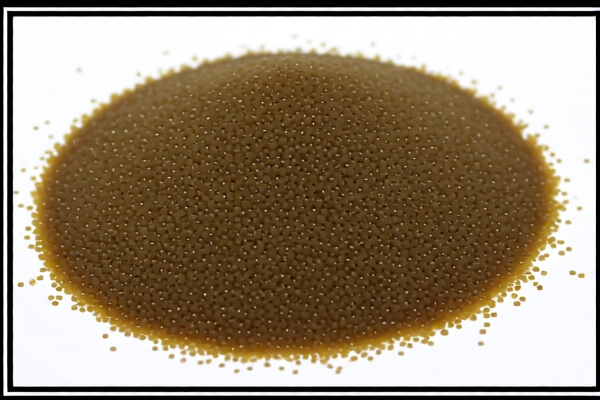
Product Images


AI Analysis
🧪 Antistatic Ethylene Elastomer Resin
🌐 HS Code Reference & Customs Clearance Guide | 2026 Latest Tariff Analysis | Professional-Class Clearance Strategy
📌 I. Product Definition & Classification: Do You Really Understand "Ethylene Elastomer Resin"?
"Antistatic Ethylene Elastomer Resin" refers to a polymeric material primarily composed of ethylene (PE base), modified to possess antistatic properties, and supplied in a primary/intermediate form (resin). In international trade, the classification hinges on two key factors: 1. Material Basis: It belongs to the category of Ethylene Polymers (Polyethylene/PE family). 2. Physical Form: The term "Resin" indicates a primary form (powder, pellets, or granules), not a finished product like sheets, films, or molded parts.
⚠️ Key Distinction:
- If the product is in primary form (resin/powder/pellets) → It falls under Chapter 39, Heading 3901 (Ethylene Polymers).
- If the product is in a finished shape (sheet, film, plate) → It may fall under Heading 3921 (Other Plates, Sheets, Film, Foil, and Strip).
- The "Antistatic" property is a functional additive and does not change the primary classification of the polymer base, unless the product becomes an electrical component (which "resin" implies it is not).
📦 II. HS Code Classification Details (2026 Latest Tariff Authority Comparison)
| HS Code | Product Description | Application Scenario | Key Matching Logic |
|---|---|---|---|
3901.90.10.00 |
Other articles of ethylene polymers, other than plates, sheets, film, foil, and strip; Ethylene Elastomers | Primary form ethylene elastomers, antistatic resins, PE blends | ✅ High Match: Explicitly covers "Ethylene Elastomer" in primary/resin form. |
3921.19.00.10 |
Other plates, sheets, film, foil, and strip of polymers of ethylene: Polyethylene | PE sheets/films with antistatic properties | ⚠️ Inference Match: Assumes the "resin" is processed into sheets/films. Lower preference if form is truly resin. |
3921.19.00.90 |
Other plates, sheets, film, foil, and strip of polymers of ethylene: Other | General PE products not elsewhere specified | ⚠️ Inference Match: Broad category for PE articles. Requires assumption of final form. |
3901.90.90.00 |
Other articles of ethylene polymers, other than specified in previous subheadings | General ethylene polymer products (non-elastomer, non-specified) | ✅ Fallback Match: If "Elastomer" is not confirmed, this generic category applies. |
🔍 Key Reminder:
- "Resin" = Primary Form: Customs authorities typically classify "Resin" under 3901 (Polymers in Primary Forms) rather than 3921 (Articles).
- "Elastomer" Specificity: If the product is technically an Ethylene-Propylene-Diene Monomer (EPDM) or similar ethylene-based elastomer, 3901.90.10.00 is the most precise fit.
- "Antistatic" is Irrelevant to HS: This is a functional property added via masterbatches or additives. It does not trigger a different HS code (like Chapter 85 for electrical goods) unless it is a finished electrical component.
💰 III. 2026 Latest Tariff Rate Details (Including Surcharge Policies)
✅ Applicable Country: United States (US)
✅ Country of Origin: China (CN)
✅ Effective Date: From November 10, 2025 (and subsequent imports)
🎯 1. 3901.90.10.00 – Ethylene Elastomers (Resin Form)
| Item | Content |
|---|---|
| Base Tariff Rate | 0% (ad valorem) |
| USITC Surcharge (Section 301) | +25% |
| IEEPA Surcharge (China-Specific) | +10% |
| Total Tax Rate | 35.0% |
| Tax Calculation | CIF Value × 35% |
| De Minimis Exemption Available? | ❌ NO (deny_de_minimis) |
| Legal Basis Path | IEEPA:9903.01.25 → USITC:3901.90.10.00 → FOOTNOTE:3901.90 |
📌 Explanation:
- The 0% base rate reflects normal trade relations for this specific subheading.
- The +25% is the standard Section 301 tariff on Chinese polymeric materials.
- The +10% is the IEEPA surcharge specifically targeting Chinese-origin goods under recent executive orders.
- Total 35% is a high tariff rate. Importers must plan for significant cost impacts.
🎯 2. 3921.19.00.10 / 3921.19.00.90 – Other Polyethylene Articles (Inferred Form)
| Item | Content |
|---|---|
| Base Tariff Rate | 6.5% (ad valorem) |
| USITC Surcharge (Section 301) | +25% |
| IEEPA Surcharge (China-Specific) | +10% |
| Total Tax Rate | 41.5% |
| Tax Calculation | CIF Value × 41.5% |
| De Minimis Exemption Available? | ❌ NO (deny_de_minimis) |
| Legal Basis Path | IEEPA:9903.01.24 → USITC:3921.19.00.10/90 → FOOTNOTE:3921 |
📌 Note:
- If customs determines the product is not in primary form (resin) but in a sheet/film form, the base rate jumps to 6.5%.
- Combined with the same surcharges, the total rate becomes 41.5%, which is 6.5% higher than the elastomer resin classification.
- Risk: Misclassifying a resin as a sheet/film can lead to underpayment and penalties. Conversely, misclassifying a sheet as resin might lead to overpayment but less risk of penalty.
🎯 3. 3901.90.90.00 – Other Ethylene Polymers (Generic)
| Item | Content |
|---|---|
| Base Tariff Rate | 6.5% |
| USITC Surcharge (Section 301) | +25% |
| IEEPA Surcharge (China-Specific) | +10% |
| Total Tax Rate | 41.5% |
| De Minimis Exemption Available? | ❌ NO (deny_de_minimis) |
📌 Explanation:
- This is a fallback category if the "Elastomer" designation is not sufficiently documented.
- The rate is identical to the 3921 series due to the same surcharge structure.
🛠️ IV. Customs Clearance Practical Advice (Real-World Pitfall Avoidance Guide)
✅ 1. Document Checklist (All Required)
| Document | Mandatory? | Notes |
|---|---|---|
| ✅ Product Specification Sheet | ✔️ | Must explicitly state: "Ethylene Elastomer," "Antistatic," "Primary Form (Resin/Pellets)." |
| ✅ Technical Data Sheet (TDS) | ✔️ | Shows chemical composition (ethylene content, additives). |
| ✅ Product Photos (Clear Labeling) | ✔️ | Show bags/silos labeled "Resin" or "Pellets," NOT "Sheet" or "Film." |
| ✅ Commercial Invoice | ✔️ | Must clearly state "Antistatic Ethylene Elastomer Resin" – avoid vague terms like "Plastic Material." |
| ✅ Certificate of Origin (CO) | ✔️ | Essential for verifying Chinese origin to apply surcharges accurately. |
| ✅ Customs Ruling (Optional but Recommended) | ✔️ | Pre-application for HS Code classification to avoid disputes. |
✅ 2. Declaration Tips (Critical Mantras)
🔥 "Resin is 3901, Sheet is 3921. Name it right, tax stays light!"
| Scenario | Correct Declaration | Wrong Practice |
|---|---|---|
| Product is Pellets/Powder | 3901.90.10.00 (Elastomer) or 3901.90.90.00 (Other) |
Declaring as 3921 (Sheet) → Higher Base Rate |
| Product is Sheet/Film | 3921.19.00.10/90 |
Declaring as 3901 (Resin) → Under-declaration Risk |
| Antistatic Additive Included | Still 3901 or 3921 |
Declaring as 8532 (Capacitors) → Illegal Misclassification |
| Mixed Packaging (Resin + Parts) | Declare Main Item Separately | Mixing → Audit Trigger |
📌 Key Point:
- "Antistatic" does NOT change the HS Code. Do not try to classify it under Chapter 85 (Electrical Machinery) unless it is a finished electrical component (e.g., antistatic bag, antistatic mat). As a "Resin," it is a raw material.
✅ 3. Special Case Handling
| Situation | Handling Advice |
|---|---|
| OEM Custom Resin | Provide customer order + formula sheet. Declare as "Ethylene Elastomer Resin" to support 3901.90.10.00. |
| Antistatic Masterbatch | If it’s a concentrate with high pigment/additive content, it may still be 3901.90.90.00. Ensure "Elastomer" base is declared. |
| Blended with Other Polymers | If >50% ethylene, 3901 applies. If less, it may fall under 3902 or 3903. Check composition. |
| Re-granulated Resin | Still 3901. Ensure it is not contaminated with other materials that would change classification. |
🌍 V. Global Main Market Clearance Comparison (2026 Latest)
| Country/Region | Recommended HS Code | Tariff Rate | Certification Requirements | Notes |
|---|---|---|---|---|
| 🇺🇸 USA | 3901.90.10.00 |
35% (Total) | None Specific | High tariffs due to Section 301 + IEEPA. |
| 🇨🇳 China | 3901.90.10.00 |
0% | None | No surcharges for domestic trade. |
| 🇪🇺 EU | 3901.90.90 |
0%~6.5% | REACH Registration | REACH compliance for additives is critical. |
| 🇦🇺 Australia | 3901.90.90 |
5% | None | Low base rate, no major surcharges. |
| 🇯🇵 Japan | 3901.90.90 |
0%~5% | JIS Standard | Free Trade Agreement (JSEPA) may apply if eligible. |
📌 Conclusion:
- USA is the most challenging market due to 35% total tariff.
- EU/JP/AU are more tariff-friendly, but REACH (EU) and JIS (JP) regulatory compliance is stricter.
- Strategic Advice: For US imports, consider supply chain diversification (e.g., sourcing from Vietnam or Mexico if possible) to avoid IEEPA/Section 301 surcharges.
📌 VI. Common Mistakes & Pitfall Guide (Blood-Teachings)
❌ Mistake 1: Declaring "Antistatic Resin" as "Electrical Component" (8532)
👉 Consequence: Illegal misclassification. Penalties + back taxes + potential seizure.
✅ Fix: It is a raw material, not a component. Stick to Chapter 39.
❌ Mistake 2: Confusing "Resin" with "Sheet"
👉 Consequence:
- If you declare Resin as Sheet (3921), you pay 41.5% instead of 35%.
- If you declare Sheet as Resin, Customs may audit you for under-declaration if they find physical evidence of sheets.
✅ Fix: Be precise. "Resin" = Powder/Pellets. "Sheet" = Flat product.
❌ Mistake 3: Ignoring "Antistatic" Additive Impact
👉 Consequence: If additives exceed certain thresholds, it may affect REACH registration in the EU.
✅ Fix: Provide full composition list for regulatory compliance, even if HS Code doesn’t change.
❌ Mistake 4: Not Providing Technical Data Sheet (TDS)
👉 Consequence: Customs cannot verify "Elastomer" status → Default to higher-tax generic category.
✅ Fix: Always attach TDS showing "Ethylene Elastomer" base.
🎯 VII. Conclusion: Precise Classification, Cost Optimization, Smooth Clearance!
🎯 Remember the Mantra:
🔹 "Resin is 3901, Sheet is 3921. Name it right, tax stays light!"
🔹 "Antistatic is a feature, not a class. Stick to Polymers, avoid the pass."
🔹 "USA 35%, EU 0-6%. Know your market, know your rate."
📌 Pro Tip:
- If your ethylene elastomer resin is originating from Vietnam, Mexico, or Thailand, you may exempt IEEPA and Section 301 surcharges in the US, reducing the total rate to 0%~6.5%.
- Consider applying for an Advance Ruling from US CBP if your product is borderline between "Elastomer" and "Other Polymer" to ensure clarity and avoid future disputes.
📣 Immediate Action:
📞 Contact a professional customs broker + Provide Product Photos + Apply for HS Code Advance Ruling
🚀 Let your Ethylene Elastomer Resin clear smoothly, maximize profits, and minimize risks!
✨ Professional Customs Clearance Starts with Accurate Classification!
💼 Every cent of your cost deserves precise calculation!
Customer Reviews
About HS Code Classification
The Harmonized System (HS) is an internationally standardized nomenclature developed by the World Customs Organization (WCO) to classify traded products. Over 200 countries use the HS system as the basis for customs tariffs, trade statistics, and import/export regulations.
Each HS code follows a hierarchical structure:
- Chapter (2 digits) — Broad category of goods (e.g., Chapter 84: Machinery and Mechanical Appliances)
- Heading (4 digits) — More specific grouping within the chapter
- Subheading (6 digits) — Internationally standardized breakdown, used by all WCO member countries
- National subdivisions (8-10 digits) — Country-specific extensions for further classification, such as US HTSUS 10-digit codes
Correct HS code classification is essential for smooth customs clearance, accurate duty payment, and compliance with trade regulations. Misclassification can lead to customs delays, overpayment of duties, or penalties.
When importing from CN to US, the applicable tariff rates may include:
- Most-Favored-Nation (MFN) rate — The standard duty rate applied to WTO members
- General rate — Applied to countries without trade agreements
- Trade remedy duties — Additional tariffs such as Section 301 (anti-dumping), Section 232 (national security), or countervailing duties
The information provided on this page is for reference purposes only. For official classification, please consult with your local customs authority or a licensed customs broker.