arm guard
CN → US| HS Code | Tariff Rate | Origin | Destination | Doc |
|---|---|---|---|---|
| 3926209010 | 40.0% | CN | US | Official Doc |
| 6216009000 | 21.3% | CN | US | Official Doc |
| 6216008000 | 21.0% | CN | US | Official Doc |
| 6116999560 | 13.8% | CN | US | Official Doc |
| 6116939400 | 28.6% | CN | US | Official Doc |
Product Images
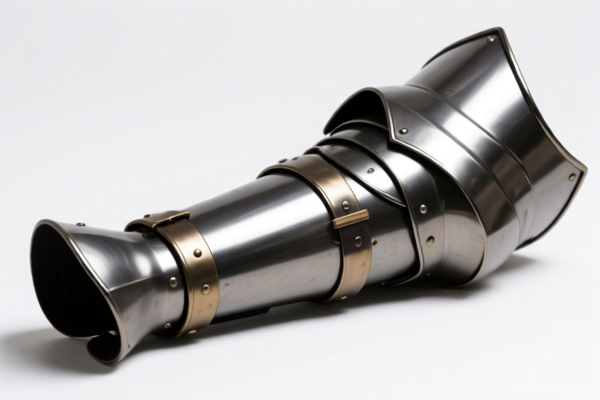

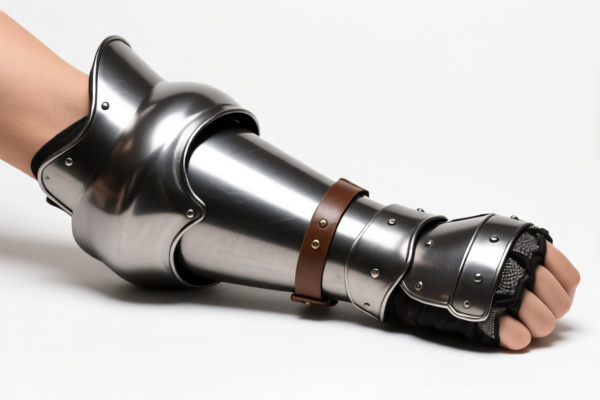
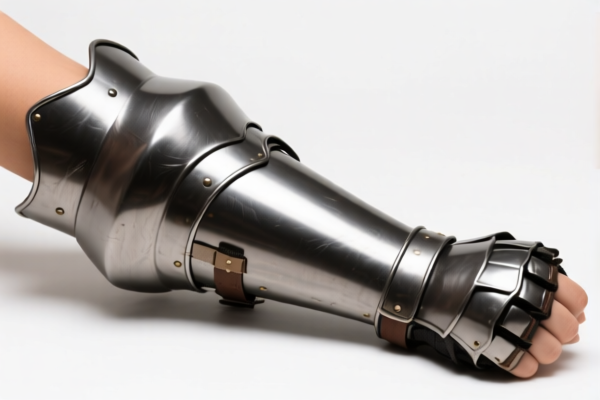
AI Analysis
🛡️ Arm Guards (Protective Gear for Arms)
🌐 HS Code Reference & Customs Clearance Guide | 2026 Latest Tariff Analysis | Professional Level通关 Strategy
📌 I. Product Definition & Classification: What Exactly Are "Arm Guards"?
Arm guards are protective accessories worn on the arms to prevent cuts, abrasions, or impacts. In international trade, their classification heavily depends on their material composition and structural form. They generally fall into two main categories:
- Textile-Based Arm Guards (Woven/Knitted): Made from high-strength synthetic fibers (e.g., nylon, polyester, Kevlar) or treated fabrics. These are classified under textile headings.
- Plastic/Composite-Based Arm Guards: Made from plastic coatings, synthetic fibers molded into shape, or hard plastic materials. These are classified under plastic articles or miscellaneous manufactured articles.
⚠️ Key Distinction Point:
- If the product is a flexible sleeve made of woven fabric with cut-resistant properties →归入 Textile Chapters (61/62)
- If the product is a rigid or semi-rigid sleeve made of plastic-coated fiber or pure plastic →归入 Chapter 39 (Plastics)
📦 II. HS Code Classification Details (Authoritative 2026 Tariff Comparison)
| HS Code | Product Description | Material/Feature | Total Tax Rate (US Import) |
|---|---|---|---|
3926.20.90.10 |
Other articles of plastics and articles of other materials of heading 3901 to 3914 | Plastic-coated synthetic fiber or plastic material; considered a plastic accessory. | 40.0% |
6216.00.90.00 |
Other gloves, mittens, and mitts | Protective gear; functionally similar to gloves/hand protectors but for arms; made of high-strength fiber/fabric. | 21.3% |
6216.00.80.00 |
Other gloves, mittens, and mitts (Other) | Protective gear; fallback category if not specifically wool/fine animal hair; fits logic of hand/arm protectors. | 21.0% |
6116.99.95.60 |
Other gloves, mittens, and mitts (Knitted/Crocheted) | Arm guard form factor; made of high-strength synthetic fiber; falls under other textile materials. | 13.8% |
6116.93.94.00 |
Other gloves, mittens, and mitts (Impregnated, Coated, or Covered with Plastics) | Protective equipment; made of synthetic fibers; matches synthetic fiber characteristics with coating. | 28.6% |
🔍 Key Reminder:
- Textile-based (Knitted/Woven) arm guards generally benefit from lower base tariffs (3.5%-3.8%) but are subject to additional duties.
- Plastic-based arm guards (3926.20.90.10) face the highest base tariff (5.0%) among the options.
- The functional logic ("protective gear") aligns best with Glove/Mitten headings (6216/6116) rather than general plastic articles, unless the plastic content is dominant and structural.
💰 III. 2026 Latest Tariff Rate Breakdown (Including Surcharges & Policy Add-ons)
✅ Applicable Country: United States (US)
✅ Country of Origin: China (CN)
✅ Effective Date: Ongoing (Post-2025 Trade Policies)
🎯 1. 3926.20.90.10 —— Plastic/Composite Arm Guards (Highest Tax)
| Item | Detail |
|---|---|
| Base Tariff | 5.0% |
| Section 301 Surcharge | 25.0% |
| Section 122 Tariff | 10.0% |
| Total Tax Rate | 40.0% |
| Calculation | CIF Value × 40% |
| De Minimis Exemption | ❌ Not Eligible |
| Legal Basis Path | 3926.20.90.10 → Section 301: 25% → Section 122: 10% |
📌 Explanation:
- This code classifies the item as a "plastic article."
- It incurs the Section 301 surcharge (25%) due to US-China trade tensions.
- It also attracts the Section 122 tariff (10%), making it the most expensive option for US import.
🎯 2. 6216.00.90.00 & 6216.00.80.00 —— Textile Arm Guards (Mid-Range Tax)
| Item | Detail |
|---|---|
| Base Tariff | 3.8% (for .90.00) / 3.5% (for .80.00) |
| Section 301 Surcharge | 7.5% |
| Section 122 Tariff | 10.0% |
| Total Tax Rate | 21.3% (for .90.00) / 21.0% (for .80.00) |
| Calculation | CIF Value × ~21% |
| De Minimis Exemption | ❌ Not Eligible |
| Legal Basis Path | 6216.00.90.00 / 6216.00.80.00 → Section 301: 7.5% → Section 122: 10% |
📌 Explanation:
- These codes classify the item as a "glove/mitten/protective garment" made of non-knitted or other textile materials.
- The Section 301 surcharge is reduced to 7.5% (lower than the 25% for plastics).
- Still subject to Section 122 (10%).
- Recommendation:6216.00.90.00is often preferred for general "other gloves/protective gear" due to broader functional alignment.
🎯 3. 6116.99.95.60 —— Knitted/Synthetic Fiber Arm Guards (Lowest Tax)
| Item | Detail |
|---|---|
| Base Tariff | 3.8% |
| Section 301 Surcharge | 0.0% |
| Section 122 Tariff | 10.0% |
| Total Tax Rate | 13.8% |
| Calculation | CIF Value × 13.8% |
| De Minimis Exemption | ❌ Not Eligible |
| Legal Basis Path | 6116.99.95.60 → Section 122: 10% (No Section 301) |
📌 Explanation:
- This code is for knitted or crocheted gloves/arm guards made of other textile materials.
- Crucial Advantage: It is exempt from Section 301 surcharges (0%).
- Only subject to Section 122 (10%).
- Best Option: If the arm guard is knitted and made of synthetic fiber, this is the most cost-effective classification.
🎯 4. 6116.93.94.00 —— Coated/Synthetic Arm Guards (High Tax)
| Item | Detail |
|---|---|
| Base Tariff | 18.6% |
| Section 301 Surcharge | 0.0% |
| Section 122 Tariff | 10.0% |
| Total Tax Rate | 28.6% |
| Calculation | CIF Value × 28.6% |
| De Minimis Exemption | ❌ Not Eligible |
| Legal Basis Path | 6116.93.94.00 → Section 122: 10% (No Section 301) |
📌 Explanation:
- This code is for gloves/arm guards impregnated, coated, or covered with plastics.
- Although exempt from Section 301, the base tariff is very high (18.6%).
- Total 28.6% is higher than the uncoated textile options.
- Use Case: Only if the plastic coating is essential for the product's function and structure.
🛠️ IV. Customs Clearance Practical Advice (Field Pitfall Avoidance Guide)
✅ 1. Required Documentation Checklist
| Document | Mandatory? | Description |
|---|---|---|
| ✅ Product Specification Sheet | ✔️ | Must specify material (e.g., "100% Nylon Woven" vs. "Plastic-Coated Fiber"), dimensions, and cut-resistant rating. |
| ✅ Material Composition Statement | ✔️ | Critical for distinguishing between Chapter 39 (Plastic) and Chapter 61/62 (Textile). |
| ✅ Product Photos | ✔️ | Clear images showing the sleeve structure, inner lining, and any plastic coating. |
| ✅ Commercial Invoice | ✔️ | Must clearly state "Protective Arm Guard, Material: [Specify]" |
| ✅ Packing List | ✔️ | Detail contents to avoid mixed shipments. |
✅ 2. Declaration Strategy (Key Mantras)
🔥 "Material Determines Code, Knitting Avoids Surcharge, Plastic Costs More!"
| Scenario | Correct HS Code | Wrong Practice | Consequence |
|---|---|---|---|
| Knitted Synthetic Fiber Arm Guard | 6116.99.95.60 |
Misdeclare as Plastic → 3926.20.90.10 |
Tax jumps from 13.8% to 40.0% |
| Woven/Non-Knitted Textile Arm Guard | 6216.00.90.00 |
Misdeclare as Knitted | Tax increases from 13.8% to 21.3% |
| Plastic-Coated Arm Guard | 6116.93.94.00 |
Misdeclare as Pure Plastic → 3926.20.90.10 |
Tax jumps from 28.6% to 40.0% |
| Rigid Plastic Arm Guard | 3926.20.90.10 |
Misdeclare as Textile | Risk of penalty/fine for misclassification |
✅ 3. Special Cases & Handling
| Situation | Handling Advice |
|---|---|
| Mixed Material Products | If >50% by weight is textile, prioritize Chapter 61/62. If plastic is dominant/structural, consider Chapter 39. |
| Custom OEM Arm Guards | Provide client design specs and material tests to prove textile vs. plastic nature. |
| High-Performance Cut-Resistant Gear | Emphasize "Textile/Fiber" in description to aim for 6116 or 6216 codes. |
| Plastic Rigid Guards | If rigid, 3926.20.90.10 is likely the only accurate code, but budget for 40% tax. |
🌍 V. Global Market Comparison (2026 Latest)
| Country/Region | Recommended HS Code | Tariff | Certification | Notes |
|---|---|---|---|---|
| 🇺🇸 USA | 6116.99.95.60 |
13.8% | No special cert needed | Best for knitted synthetic guards. Avoid 3926 due to 40% tax. |
| 🇺🇸 USA | 3926.20.90.10 |
40.0% | No special cert needed | Highest tax due to Section 301 + Section 122. |
| 🇪🇺 EU | 6216.00.90.00 |
~15-16% | CE (if PPE) | Different tariff structure; no Section 301. |
| 🇨🇳 China | 6216.00.90.00 |
~5-10% | CCC (if applicable) | Lower base tariffs. |
📌 Conclusion:
- For US Imports,6116.99.95.60is the optimal code for knitted synthetic arm guards due to 0% Section 301 surcharge.
- Avoid3926.20.90.10unless the product is purely plastic, as the 40% total tax is prohibitive.
- Section 122 (10%) applies to most non-exempt goods from China, so even the best-case scenario (6116) still incurs this fee.
📌 VI. Common Errors & Pitfalls (Lessons Learned)
❌ Error 1: Declaring a knitted fabric arm guard as "Plastic Article" (3926)
👉 Result: Tax increases from 13.8% to 40.0% → Overpayment of 26.2%.
❌ Error 2: Declaring a plastic-coated textile arm guard as 6116.99.95.60 (uncoated)
👉 Result: Misclassification. Should be 6116.93.94.00 (28.6%). Risk of audit and back taxes.
❌ Error 3: Ignoring Section 122 Tariff
👉 Result: Even if Section 301 is 0%, Section 122 adds 10% to all listed codes. Do not expect 0% total tax.
❌ Error 4: Vague Description "Arm Guard"
👉 Result: Customs may apply the highest default duty or request additional info, causing delays.
✅ Correct Practice:
"Knitted Arm Guard, 100% Polyester with Cut-Resistant Coating, For Industrial Use, Model XYZ"
🎯 VII. Conclusion: Professional Declaration, Cost Optimization!
🎯 Remember the Mantra:
🔹 "Knitted is King: 13.8% Total Tax."
🔹 "Woven is Queen: 21.0% Total Tax."
🔹 "Plastic is Pain: 40.0% Total Tax."
🔹 "Coated is Complicated: 28.6% Total Tax."
📌 Pro Tip:
If your arm guard is knitted and made of synthetic fiber, always declare under
6116.99.95.60to save 14.8%-26.2% in taxes compared to other options.
Request Advance Ruling from US Customs if your product has mixed materials to confirm the correct chapter.
📣 Immediate Action:
📞 Consult a licensed customs broker.
📸 Provide clear material samples and photos.
🚀 Optimize your HS Code to save up to 26% in tariffs!
✨ Professional Clearance Starts with Accurate Classification!
💼 Every Cent Saved is Pure Profit!
Customer Reviews
About HS Code Classification
The Harmonized System (HS) is an internationally standardized nomenclature developed by the World Customs Organization (WCO) to classify traded products. Over 200 countries use the HS system as the basis for customs tariffs, trade statistics, and import/export regulations.
Each HS code follows a hierarchical structure:
- Chapter (2 digits) — Broad category of goods (e.g., Chapter 84: Machinery and Mechanical Appliances)
- Heading (4 digits) — More specific grouping within the chapter
- Subheading (6 digits) — Internationally standardized breakdown, used by all WCO member countries
- National subdivisions (8-10 digits) — Country-specific extensions for further classification, such as US HTSUS 10-digit codes
Correct HS code classification is essential for smooth customs clearance, accurate duty payment, and compliance with trade regulations. Misclassification can lead to customs delays, overpayment of duties, or penalties.
When importing from CN to US, the applicable tariff rates may include:
- Most-Favored-Nation (MFN) rate — The standard duty rate applied to WTO members
- General rate — Applied to countries without trade agreements
- Trade remedy duties — Additional tariffs such as Section 301 (anti-dumping), Section 232 (national security), or countervailing duties
The information provided on this page is for reference purposes only. For official classification, please consult with your local customs authority or a licensed customs broker.