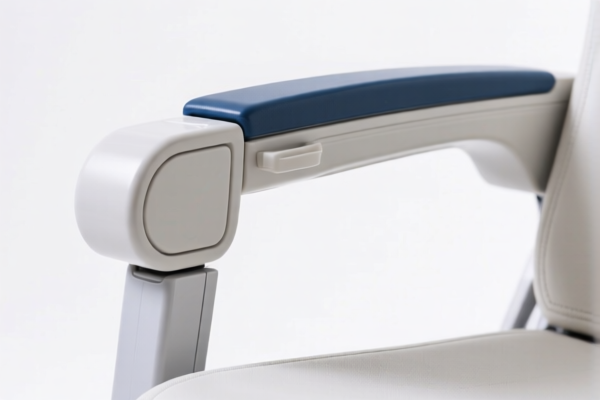
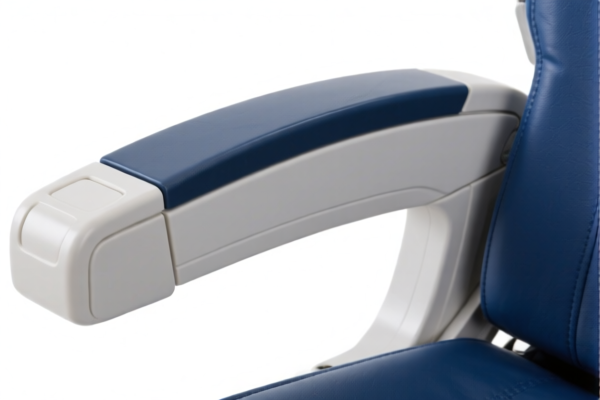
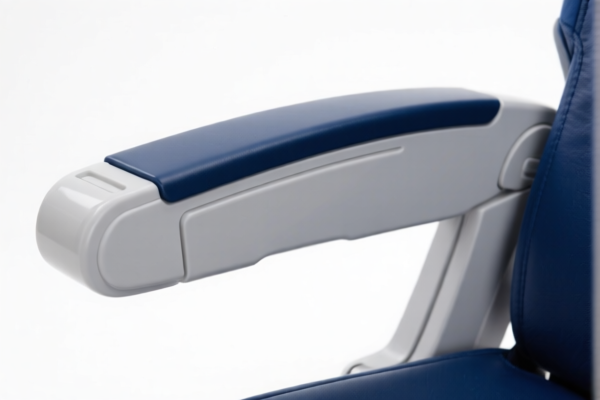
armrest cover
CN → US| HS Code | Tariff Rate | Origin | Destination | Doc |
|---|---|---|---|---|
| 3926305000 | 22.8% | CN | US | Official Doc |
| 4016990500 | 20.9% | CN | US | Official Doc |
| 6307908995 | 17.0% | CN | US | Official Doc |
| 4016996050 | 37.5% | CN | US | Official Doc |
| 6307909891 | 24.5% | CN | US | Official Doc |
Product Images
AI Analysis
🛋️ Armrest Cover (扶手罩套/扶手覆盖物)
🌐 HS Code Reference & Customs Clearance Guide | 2026 Latest Tariff Analysis | Professional Compliance Strategy
📌 I. Product Definition & Classification: Do You Really Know "Armrest Covers"?
Armrest covers are essential accessories used in automotive interiors, home furniture, and office seating. In international trade, their classification is highly dependent on material composition. A cover made of rubber falls into Chapter 40, while one made of fabric falls into Chapter 63. Misclassification is the #1 cause of customs delays and excessive duties.
⚠️ Key Distinction Points:
- If the material is Rubber/Elastomeric → Chapter 40 (e.g., 4016.99.05.00 or 4016.99.60.50).
- If the material is Textile/Fabric → Chapter 63 (e.g., 6307.90.89.95 or 6307.90.98.91).
- If the material is Plastic (rigid/hard parts) → Chapter 39 (e.g., 3926.30.50.00).
- Note: Soft, flexible covers are rarely classified as plastics unless they are rigid mounting brackets.
📦 II. HS Code Classification Details (Based on Provided Data)
Below are the 5 possible HS Codes derived from the provided dataset, categorized by material inference.
| HS Code | Product Description | Inferred Material | Category Scope | Total Tax Rate |
|---|---|---|---|---|
| 3926.30.50.00 | Plastic Fittings/Accessories for Armrests | Plastic | Other plastic articles | 22.8% |
| 4016.99.05.00 | Armrest Cover (Soft/Textured) | Sulfurized Rubber / Elastomer | Other household items | 20.9% |
| 6307.90.89.95 | Quilt Cover / Similar Textile Product | Cotton / Fiber Fabric | Other made-up textile articles | 17.0% |
| 4016.99.60.50 | Other Sulfurized Rubber Articles | Rubber / Plastic Elastomer | Other rubber/plastic elastic articles | 37.5% |
| 6307.90.98.91 | Other Made-up Textile Articles | Cloth / Synthetic Fiber | Other textile made-up articles | 24.5% |
🔍 Critical Analysis:
- Cheapest Duty:6307.90.89.95at 17.0% (if made of cotton/fabric).
- Most Expensive Duty:4016.99.60.50at 37.5% (rubber/plastic mix with high surcharges).
- Most Common for "Cover": Usually4016.99.05.00(Rubber) or6307.90.89.95(Fabric), depending on whether it's a rigid silicone mat or a soft cloth cover.
💰 III. 2026 Tariff Rate Breakdown (Detailed Policy Add-ons)
✅ Applicable Country: United States (US)
✅ Origin: China (CN)
✅ Effective Date: Post-November 2025 Imports
🎯 1. 3926.30.50.00 —— Plastic Fittings/Accessories
| Item | Detail |
|---|---|
| Base Duty | 5.3% |
| Section 301 Surcharge | 7.5% |
| Section 122 Surcharge | 10.0% |
| Total Tax Rate | 22.8% |
| Calculation | CIF Value × 22.8% |
| Legal Basis | Base Tariff + USITC Footnotes + IEEPA Add-ons |
📌 Explanation:
- Classified as "Other Plastic Articles."
- Subject to moderate Section 301 tariffs (7.5%) and the new Section 122 tariff (10%).
- Risk: If the item is soft/flexible, customs may reject this code in favor of Rubber (Ch. 40) or Textile (Ch. 63).
🎯 2. 4016.99.05.00 —— Other Sulfurized Rubber Articles (Household)
| Item | Detail |
|---|---|
| Base Duty | 3.4% |
| Section 301 Surcharge | 7.5% |
| Section 122 Surcharge | 10.0% |
| Total Tax Rate | 20.9% |
| Calculation | CIF Value × 20.9% |
| Legal Basis | Base Tariff + USITC Footnotes + IEEPA Add-ons |
📌 Explanation:
- Ideal for silicone armrest mats or rubberized grips.
- "Sulfurized rubber" implies vulcanized elastomers.
- Advantage: Lower base duty (3.4%) compared to plastic (5.3%).
🎯 3. 6307.90.89.95 —— Other Made-up Textile Articles (Quilt/Cover)
| Item | Detail |
|---|---|
| Base Duty | 7.0% |
| Section 301 Surcharge | 0.0% |
| Section 122 Surcharge | 10.0% |
| Total Tax Rate | 17.0% |
| Calculation | CIF Value × 17.0% |
| Legal Basis | Base Tariff + IEEPA Add-ons |
📌 Explanation:
- LOWEST TOTAL TAX.
- Applicable to fabric/cotton armrest covers (e.g., seat cushions, cloth covers).
- Key Advantage: Zero Section 301 Surcharge (0%), which significantly reduces the total burden compared to rubber or plastic options.
- Requirement: Must be clearly identified as textile/fiber.
🎯 4. 4016.99.60.50 —— Other Sulfurized Rubber Articles (General/Elastic)
| Item | Detail |
|---|---|
| Base Duty | 2.5% |
| Section 301 Surcharge | 25.0% |
| Section 122 Surcharge | 10.0% |
| Total Tax Rate | 37.5% |
| Calculation | CIF Value × 37.5% |
| Legal Basis | Base Tariff + USITC Footnotes + IEEPA Add-ons |
📌 Explanation:
- HIGHEST TAX RATE.
- The 25% Section 301 Surcharge is the killer here. This subheading likely attracts the highest tier of punitive tariffs.
- Avoid unless absolutely necessary (e.g., specific industrial rubber parts not fitting other categories).
🎯 5. 6307.90.98.91 —— Other Made-up Textile Articles (Other)
| Item | Detail |
|---|---|
| Base Duty | 7.0% |
| Section 301 Surcharge | 7.5% |
| Section 122 Surcharge | 10.0% |
| Total Tax Rate | 24.5% |
| Calculation | CIF Value × 24.5% |
| Legal Basis | Base Tariff + USITC Footnotes + IEEPA Add-ons |
📌 Explanation:
- Another textile option, but subject to Section 301 (7.5%).
- Use this if the item is a textile product but doesn't fit the "Quilt/Cover" description of6307.90.89.95.
🛠️ IV. Customs Clearance Practical Advice (Pitfall Avoidance Guide)
✅ 1. Preparation Checklist (Non-negotiable)
| Document | Required? | Description |
|---|---|---|
| ✅ Product Specification Sheet | ✔️ | Must specify Material Composition (e.g., "100% Cotton," "Vulcanized Silicone," "ABS Plastic"). |
| ✅ Material Safety Data Sheet (MSDS) | ✔️ | Especially for rubber/silicone products to prove sulfurization/elastomer status. |
| ✅ High-Resolution Photos | ✔️ | Show texture. Is it soft/foldable (Textile/Rubber) or rigid/hard (Plastic)? |
| ✅ Commercial Invoice | ✔️ | Clearly state "Armrest Cover" and material. Do NOT use vague terms like "Plastic Part." |
| ✅ Packing List | ✔️ | Ensure weight/volume matches the declared classification. |
✅ 2. Declaration Strategy (Key Mantras)
🔥 “Material Dictates Code, Texture Defines Chapter!”
| Scenario | Correct Classification | Wrong Approach | Consequence |
|---|---|---|---|
| Soft Cloth Cover | 6307.90.89.95 (17.0%) |
Classify as Rubber 4016.99.05.00 |
Pay 20.9% instead of 17.0% |
| Silicone Mat | 4016.99.05.00 (20.9%) |
Classify as Plastic 3926.30.50.00 |
Risk of rejection if too flexible |
| Hard Plastic Bracket | 3926.30.50.00 (22.8%) |
Classify as Rubber | Customs will re-classify and charge penalties |
| Rubber Armrest Grip | 4016.99.05.00 (20.9%) |
Classify as 4016.99.60.50 (37.5%) |
Overpay by 16.6% due to 301 Tariff! |
✅ 3. Special Case Handling
| Situation | Recommendation |
|---|---|
| Mixed Materials (e.g., Fabric with Rubber backing) | Declare based on the essential character. If fabric dominates, use Ch. 63. If rubber backing is structural, use Ch. 40. |
| OEM Custom Colors | Provide Pantone codes and material specs to avoid "unidentifiable goods" flags. |
| Kit Includes Mounting Hardware | If plastic clips are included, ensure the main article (Cover) dictates the HS Code, not the minor plastic accessories. |
🌍 V. Global Market Comparison (2026 Outlook)
| Market | Recommended HS Code (Textile) | Tax Rate (China Origin) | Notes |
|---|---|---|---|
| 🇺🇸 USA | 6307.90.89.95 |
17.0% (Lowest in dataset) | Zero 301 Tariff makes this the most cost-effective for fabric covers. |
| 🇺🇸 USA | 4016.99.05.00 (Rubber) |
20.9% | Moderate tax; good for silicone mats. |
| 🇪🇺 EU | Depends on Material | 0-10% | Generally no Section 122/301 equivalents, but verify local VAT. |
| 🇨🇳 China | Depends on Material | 5-10% | Lower base duties, no anti-dumping surcharges for general goods. |
📌 Conclusion for USA Importers:
- Fabric/Cotton Armrest Covers (6307.90.89.95) are the cheapest to import (17.0%) due to the 0% Section 301 surcharge.
- Rubber/Silicone Covers (4016.99.05.00) are the second cheapest (20.9%).
- Avoid4016.99.60.50(37.5%) unless you are certain it is the only applicable code, as the 25% 301 surcharge is punitive.
📌 VI. Common Errors & Pitfalls (Lessons Learned)
❌ Error 1: Classifying a Rubber Mat as Plastic (3926.30.50.00)
👉 Result: Customs may reject it because rubber has different chemical properties, leading to re-inspection and delays.
❌ Error 2: Using the "Generic" Rubber Code (4016.99.60.50)
👉 Result: Paying 37.5% instead of 20.9% or 17.0%. This is a pure profit loss due to incorrect sub-heading selection.
❌ Error 3: Ignoring the Section 301 Surcharge
👉 Result: Assuming base duty is the total cost. Failing to account for 7.5% or 25% extra leads to underpayment and penalties.
✅ Correct Practice:
"Armrest Cover, 100% Cotton, Soft Touch, Made-in-China" → Use
6307.90.89.95(17.0%).
"Silicone Armrest Grip, Non-slip, Made-in-China" → Use4016.99.05.00(20.9%).
🎯 VII. Conclusion: Precision Saves Money
🎯 Remember the Mantra:
🔹 "Fabric First, Zero 301, 17% Total!"
🔹 "Rubber Next, 20% Total, Avoid the 37.5% Trap!"
🔹 "Plastic is Middle Ground, 22.8% Total."
📌 Pro Tip:
If you have the choice between producing a fabric cover (17.0%) vs. a rubber cover (20.9%), the fabric option offers a 3.9% savings on total landed cost in the US market. Always confirm the material composition with your supplier before filing.
📣 Immediate Action:
📞 Consult your customs broker with the exact material percentage.
🚀 Apply for a Pre-Ruling (ACE Portal) if your volume is high to lock in the classification.
💼 Accurate classification is the difference between profit and loss!
✨ Professional Customs Clearance Starts with Precise Classification!
💼 Every Cent of Duty Saved is Pure Profit!
Customer Reviews
About HS Code Classification
The Harmonized System (HS) is an internationally standardized nomenclature developed by the World Customs Organization (WCO) to classify traded products. Over 200 countries use the HS system as the basis for customs tariffs, trade statistics, and import/export regulations.
Each HS code follows a hierarchical structure:
- Chapter (2 digits) — Broad category of goods (e.g., Chapter 84: Machinery and Mechanical Appliances)
- Heading (4 digits) — More specific grouping within the chapter
- Subheading (6 digits) — Internationally standardized breakdown, used by all WCO member countries
- National subdivisions (8-10 digits) — Country-specific extensions for further classification, such as US HTSUS 10-digit codes
Correct HS code classification is essential for smooth customs clearance, accurate duty payment, and compliance with trade regulations. Misclassification can lead to customs delays, overpayment of duties, or penalties.
When importing from CN to US, the applicable tariff rates may include:
- Most-Favored-Nation (MFN) rate — The standard duty rate applied to WTO members
- General rate — Applied to countries without trade agreements
- Trade remedy duties — Additional tariffs such as Section 301 (anti-dumping), Section 232 (national security), or countervailing duties
The information provided on this page is for reference purposes only. For official classification, please consult with your local customs authority or a licensed customs broker.