artificial flower
CN → US| HS Code | Tariff Rate | Origin | Destination | Doc |
|---|---|---|---|---|
| 9505102500 | 10.0% | CN | US | Official Doc |
| 6702104000 | 13.4% | CN | US | Official Doc |
| 6702903500 | 19.0% | CN | US | Official Doc |
| 9505105020 | 10.0% | CN | US | Official Doc |
| 3926400090 | 15.3% | CN | US | Official Doc |
Product Images
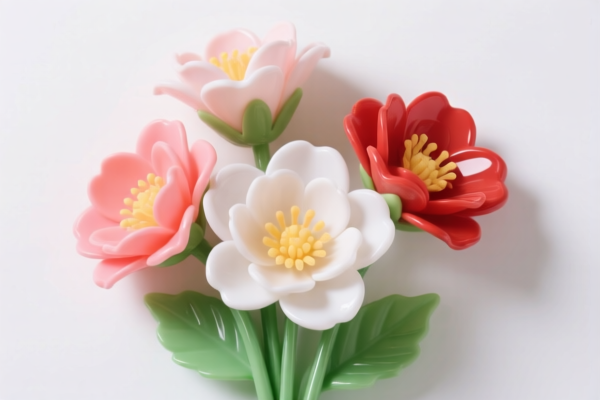
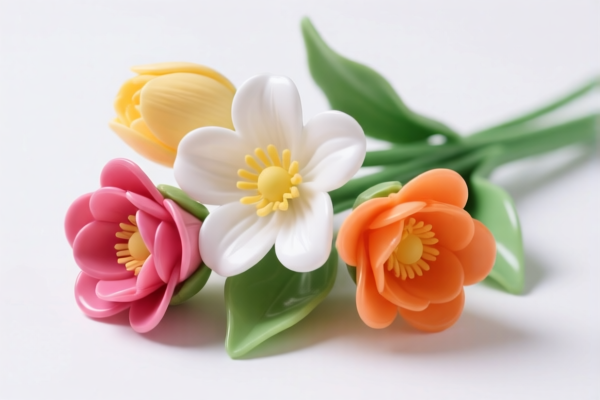
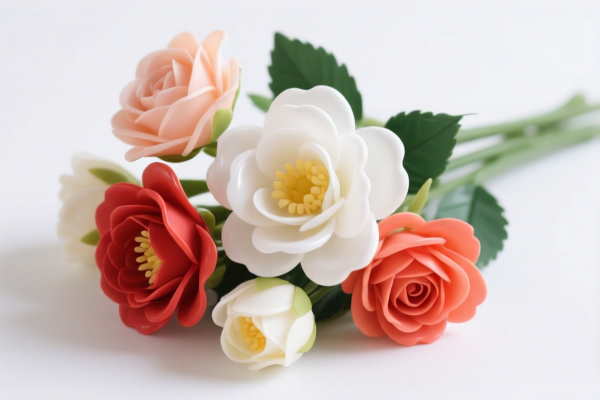
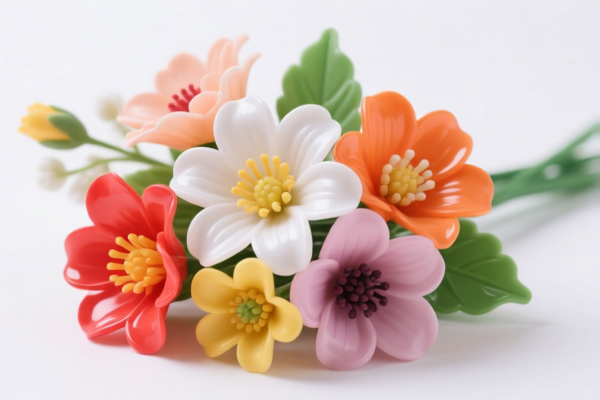
AI Analysis
💐 Artificial Flowers (Faux Florals & Decorative Plants)
🌐 HS Code Reference & Clearance Guide | 2026 Latest Tariff Analysis | Professional Customs Strategy
📌 I. Product Definition & Classification: Do You Truly Understand "Artificial Flowers"?
Artificial flowers, broadly defined as imitation flora used for decoration, interior design, or festive events, are classified differently based on their material composition and specific use. In international trade, they are primarily split into two categories:
- Simulated Floral Materials (General Decoration): Made from plastics, textiles, or other non-natural fibers, intended for general aesthetic use (e.g., home decor, event styling).
- Festive/Special Event Decorations: Specifically designed for holidays like Christmas, Halloween, or Easter, often made from plastic, silk, or paper, categorized by their function rather than just material.
⚠️ Key Classification Point:
- If the item is a general decorative item made of plastic or synthetic fibers → Likely falls under Chapter 67 (Artificial Flowers) or Chapter 39 (Plastic Articles).
- If the item is specifically marked for Christmas or specific holidays → It may fall under Chapter 95 (Festive Articles).
- Material Conflict: If the "flower" is made of metal, glass, or wood, different codes apply. Below we focus on the most common Plastic/Synthetic/Fabric variants.
📦 II. HS Code Classification Details (2026 Latest Tariff Authority Cross-Reference)
| HS Code | Product Description | Applicable Scenario | Material Composition |
|---|---|---|---|
6702.90.35.00 |
Simulated flowers of other materials | General decoration, mixed materials, non-plastic dominant | Synthetic Fibers / Mixed |
9505.10.50.20 |
Festive, carnival or other entertainment articles (General) | General holiday decor (not specifically Christmas) | Plastic / Silk / Paper |
6702.10.40.00 |
Simulated flowers, plastic | General decoration, plastic-based | Plastic |
9505.10.25.00 |
Christmas decorations | Specifically for Christmas trees, wreaths, etc. | Plastic / Glass / Wood |
3926.40.00.90 |
Other articles of plastic | Plastic ornamental plants/decorations not specified elsewhere | Plastic |
🔍 Key Reminder:
- Chapter 67 (6702) is the "home" for artificial flowers made of textiles, plastic, or other materials if they are general decor.
- Chapter 95 (9505) is reserved for festive articles. If you market them as "Christmas Decorations," customs may push you here.
- Chapter 39 (3926) captures plastic articles that don't fit specific subheadings. If the flower is purely a plastic ornamental object, this is a fallback.
💰 III. 2026 Latest Tariff Rate Breakdown (Including Surcharge, Policy Surcharge)
✅ Applicable Country: United States (US)
✅ Origin: China (CN)
✅ Effective Date: From November 10, 2025 (including subsequent imports)
🎯 1. 6702.90.35.00 – Simulated Flowers (Other Materials)
| Item | Content |
|---|---|
| Base Tariff | 9.0% (ad valorem) |
| Section 301 Surcharge | 0.0% |
| Section 122 Tariff (New) | +10.0% |
| Total Rate | 19.0% |
| Tax Calculation | CIF Value × 19.0% |
| De Minimis Exemption | ❌ Not Eligible (Subject to Section 321 exemption rules, but Section 122 typically overrides or complicates small package relief for China) |
| Legal Path | Section 122: 9903.01.24 → HTS: 6702.90.35.00 |
📌 Explanation:
- Base 9%: Standard Most Favored Nation (MFN) rate for artificial flowers of other materials.
- Section 122 Tariff (+10%): A newly imposed tariff under recent trade actions targeting specific Chinese goods, including certain floral/plastic decor items.
- Total 19%: This is a moderate-high tariff. Unlike some electronics, there is no 25% Section 301 surcharge, but the 10% Section 122 is significant.
🎯 2. 9505.10.50.20 – Festive Articles (General)
| Item | Content |
|---|---|
| Base Tariff | 0.0% (ad valorem) |
| Section 301 Surcharge | 0.0% |
| Section 122 Tariff (New) | +10.0% |
| Total Rate | 10.0% |
| Tax Calculation | CIF Value × 10.0% |
| De Minimis Exemption | ❌ Not Eligible (Section 122 applies) |
| Legal Path | Section 122: 9903.01.24 → HTS: 9505.10.50.20 |
📌 Explanation:
- Base 0%: Many festive decorations enjoy a zero base rate.
- Section 122 Tariff (+10%): The new tariff catches up here, eliminating the base rate advantage.
- Total 10%: This is a competitive rate compared to other categories, making it attractive if you can classify goods as "festive articles" broadly.
🎯 3. 6702.10.40.00 – Simulated Flowers (Plastic)
| Item | Content |
|---|---|
| Base Tariff | 3.4% (ad valorem) |
| Section 301 Surcharge | 0.0% |
| Section 122 Tariff (New) | +10.0% |
| Total Rate | 13.4% |
| Tax Calculation | CIF Value × 13.4% |
| De Minimis Exemption | ❌ Not Eligible |
| Legal Path | Section 122: 9903.01.24 → HTS: 6702.10.40.00 |
📌 Explanation:
- Base 3.4%: Lower base rate for plastic artificial flowers compared to other materials.
- Section 122 Tariff (+10%): Adds the new tariff layer.
- Total 13.4%: A mid-range tariff. If your flowers are clearly plastic, this is often a safer, predictable classification than mixed materials.
🎯 4. 9505.10.25.00 – Christmas Decorations
| Item | Content |
|---|---|
| Base Tariff | 0.0% (ad valorem) |
| Section 301 Surcharge | 0.0% |
| Section 122 Tariff (New) | +10.0% |
| Total Rate | 10.0% |
| Tax Calculation | CIF Value × 10.0% |
| De Minimis Exemption | ❌ Not Eligible |
| Legal Path | Section 122: 9903.01.24 → HTS: 9505.10.25.00 |
📌 Explanation:
- Base 0%: Christmas decorations are often zero-rated at base.
- Section 122 Tariff (+10%): Again, the new tariff applies.
- Total 10%: Same as general festive articles. Key point: You must explicitly market and label these as Christmas items to qualify for this specific subheading.
🎯 5. 3926.40.00.90 – Other Plastic Articles
| Item | Content |
|---|---|
| Base Tariff | 5.3% (ad valorem) |
| Section 301 Surcharge | 0.0% |
| Section 122 Tariff (New) | +10.0% |
| Total Rate | 15.3% |
| Tax Calculation | CIF Value × 15.3% |
| De Minimis Exemption | ❌ Not Eligible |
| Legal Path | Section 122: 9903.01.24 → HTS: 3926.40.00.90 |
📌 Explanation:
- Base 5.3%: Plastic articles generally have a moderate base rate.
- Section 122 Tariff (+10%): The new tariff applies.
- Total 15.3%: Higher than Chapter 67/95 options. This is typically a fallback for plastic items that don't fit the specific "simulated flower" or "festive" descriptions. Avoid if possible.
🛠️ IV. Customs Clearance Practical Advice (Battle-Tested Pitfall Guide)
✅ 1. Documentation Checklist (Non-Negotiable)
| Document | Required | Explanation |
|---|---|---|
| ✅ Product Spec Sheet | ✔️ | Must detail material (e.g., "PVC Plastic," "Polyester Fabric," "Paper"). |
| ✅ Product Photos | ✔️ | Clear images showing the item is clearly an imitation flower, not fresh or dried. |
| ✅ Commercial Invoice | ✔️ | Describe as "Artificial Silk Flowers" or "Plastic Simulated Floral Arrangement." Do not just write "Flower." |
| ✅ Labeling/Packaging | ✔️ | Labels must state "Imitation," "Artificial," or "Fake" to avoid confusion with live plants (which require phytosanitary certificates). |
| ✅ Holiday Proof (if claiming 9505) | ✔️ | If using HS 9505.10.25.00, marketing materials should show Christmas theme. |
✅ 2. Declaration Tips (Key Mantra)
🔥 "Material First, Use Second; 'Artificial' Must Be Stated!"
| Scenario | Correct Declaration | Wrong Practice |
|---|---|---|
| General Home Decor | 6702.10.40.00 (Plastic) or 6702.90.35.00 (Other) |
Calling it "Flower" → Customs may hold for plant inspection |
| Christmas Specific | 9505.10.25.00 (Christmas) |
General "Artificial Flower" → Higher tax or mismatch |
| Mixed Material (Silk + Plastic) | 6702.90.35.00 (Other) |
Claiming Plastic Only → Classification error |
| Plastic Ornamental Plant | 3926.40.00.90 (Plastic Article) |
Forcing into 6702 → Rejection if not flower-shaped |
✅ 3. Special Situations
| Situation | Handling Advice |
|---|---|
| Live Plants Mixed with Artificial | Never mix. Live plants require USDA/APHIS inspection. Artificial do not. Keep separate shipments or clearly separate in packaging. |
| LED Artificial Flowers | Still classified under 6702 or 9505 if the primary function is decorative, not lighting. The LEDs are considered accessory. |
| Fabric/Textile Flowers | Must use 6702.90.35.00. Do not use plastic codes. Material accuracy is critical. |
| Small Package (De Minimis) | While Section 321 (under $800) often exempts duties, Section 122 (the new 10% tariff) may still apply or complicate clearance. Assume tax liability. |
🌍 V. Global Market Clearance Comparison (2026 Latest)
| Country/Region | Recommended HS Code | Tariff (China Origin) | Certification Requirements | Notes |
|---|---|---|---|---|
| 🇺🇸 USA | 6702.10.40.00 or 9505.10.25.00 |
10% - 13.4% | None (General) | Section 122 is the key new cost factor. |
| 🇨🇳 China | 6702.90.35.00 |
~10-15% | None | Domestic production often lower cost. |
| 🇪🇺 EU | 6702.90 |
5-8% | CE (if electrical), REACH (chemicals) | No Section 122 equivalent, but low value VAT applies. |
| 🇬🇧 UK | 6702.90 |
5-8% | UKCA (if electrical) | Post-Brexit rules may vary. |
| 🇯🇵 Japan | 6702.90 |
5-10% | JIS (if electrical) | Strict labeling laws on origin. |
📌 Conclusion:
- USA is the most complex due to the new Section 122 10% tariff, which affects all major HS codes for artificial flowers.
- EU/UK/Japan are more stable but require chemical safety (REACH/JIS) compliance if the flowers contain dyes or plastics.
- Key Cost Driver: The 10% Section 122 is new and must be factored into all US pricing models.
📌 VI. Common Errors & Pitfalls (Lessons Learned)
❌ Error 1: Labeling "Artificial Flower" as just "Flower"
👉 Consequence: Customs may suspect it's a live plant → Phytosanitary Inspection → Delayed clearance or destruction.
❌ Error 2: Using 9505.10.25.00 for Year-Round Decor
👉 Consequence: If not specifically Christmas-themed, customs may reclassify to 6702 → Back taxes + Penalties.
❌ Error 3: Ignoring Material Composition
👉 Consequence: Declaring "Plastic" when it's "Polyester Fabric" → Wrong HS Code → 19% vs 13.4% tax difference.
❌ Error 4: Assuming De Minimis Exemption for Section 122
👉 Consequence: Small packages may still be flagged for Section 122 tariff → Unexpected costs.
✅ Correct Practice:
"Artificial Silk Flowers, Decorative Use, Made of Synthetic Fibers, Model XYZ, For Home Interior"
"Plastic Simulated Christmas Wreath, Holiday Decoration, HS 9505.10.25.00"
🎯 VII. Conclusion: Professional Classification, Cost Efficiency!
🎯 Remember the Mantra:
🔹 "Material First, Use Second. 'Artificial' is Key. Section 122 is New."
🔹 "Plastic = 13.4%, Festive = 10%, Other = 19%. Choose wisely!"
🔹 "HS Code Determines Cost, Misclassification Costs More!"
📌 Tips:
- If your product is Year-Round Decor, use 6702.10.40.00 (13.4%) or 6702.90.35.00 (19.0%).
- If it is Christmas-Specific, use 9505.10.25.00 (10.0%).
- Always ensure "Artificial" or "Imitation" is on the label and invoice.
- Consult a customs broker for pre-classification rulings if volume is high.
📣 Take Action Now:
📞 Contact your Customs Broker + Provide Material Specs + Apply for Advance Ruling
🚀 Ensure Smooth Clearance, Avoid Section 122 Surprises, and Maximize Profit Margins!
✨ Professional Clearance Starts with Accurate Classification!
💼 Every Cent of Tax Saved is Pure Profit!
Customer Reviews
About HS Code Classification
The Harmonized System (HS) is an internationally standardized nomenclature developed by the World Customs Organization (WCO) to classify traded products. Over 200 countries use the HS system as the basis for customs tariffs, trade statistics, and import/export regulations.
Each HS code follows a hierarchical structure:
- Chapter (2 digits) — Broad category of goods (e.g., Chapter 84: Machinery and Mechanical Appliances)
- Heading (4 digits) — More specific grouping within the chapter
- Subheading (6 digits) — Internationally standardized breakdown, used by all WCO member countries
- National subdivisions (8-10 digits) — Country-specific extensions for further classification, such as US HTSUS 10-digit codes
Correct HS code classification is essential for smooth customs clearance, accurate duty payment, and compliance with trade regulations. Misclassification can lead to customs delays, overpayment of duties, or penalties.
When importing from CN to US, the applicable tariff rates may include:
- Most-Favored-Nation (MFN) rate — The standard duty rate applied to WTO members
- General rate — Applied to countries without trade agreements
- Trade remedy duties — Additional tariffs such as Section 301 (anti-dumping), Section 232 (national security), or countervailing duties
The information provided on this page is for reference purposes only. For official classification, please consult with your local customs authority or a licensed customs broker.