artificial leather tool box
CN → US| HS Code | Tariff Rate | Origin | Destination | Doc |
|---|---|---|---|---|
| 4202929336 | 52.6% | CN | US | Official Doc |
| 4202929100 | 52.6% | CN | US | Official Doc |
| 3926901000 | 20.9% | CN | US | Official Doc |
| 3926909989 | 22.8% | CN | US | Official Doc |
| 4202929336 | 52.6% | CN | US | Official Doc |
Product Images
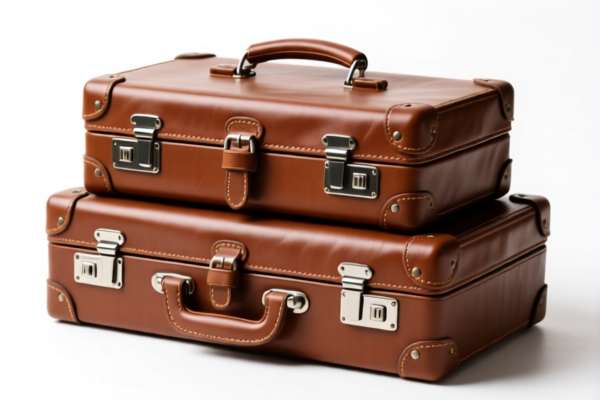
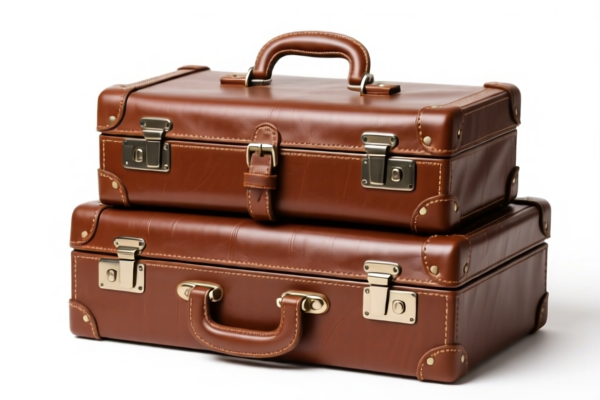
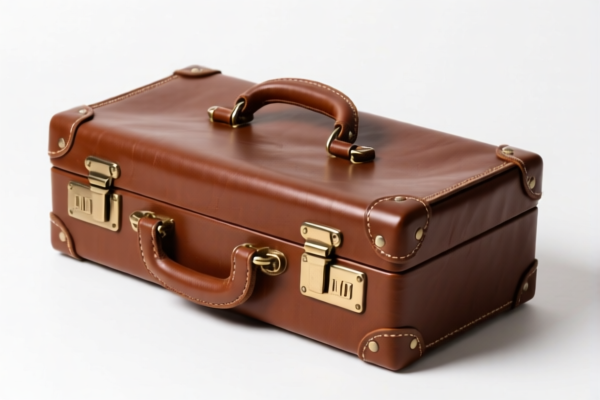
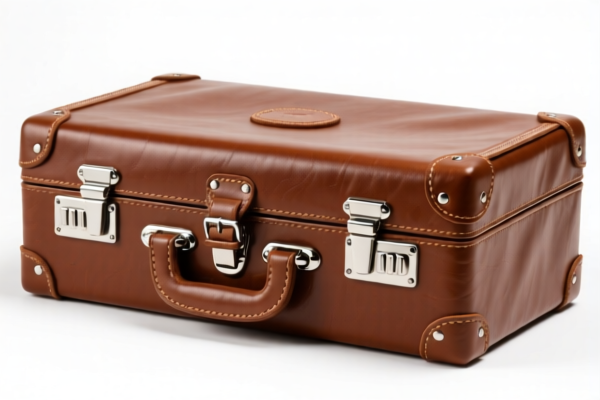
AI Analysis
🧰 Artificial Leather Tool Box: HS Code Classification & Tariff Deep Dive
🌐 HS Code Reference & Customs Clearance Guide | 2026 Latest Tariff Analysis | Professional Clearance Strategy
📌 1. Product Definition & Classification: What Exactly is an "Artificial Leather Tool Box"?
An Artificial Leather Tool Box is a portable container designed to store, organize, and transport tools. In international trade, its classification hinges on two critical factors: 1. Surface Material: Is the outer surface primarily composed of leather/substitutes, or is it considered a textile/plastic material? 2. Structure: Is it a rigid container, a soft case, or a molded item?
⚠️ Key Classification Logic:
- If the item is primarily viewed as a bag/case with a leather-like exterior → It falls under Chapter 42 (Articles of Leather; Saddle and Harness).
- If the item is viewed as a general plastic/chemical product container → It may fall under Chapter 39 (Articles of Plastics).
- The "Artificial Leather" Ambiguity: "Artificial Leather" can be classified as either "Substitutes for Leather" (Ch 42) or "Textile/Plastic Material" (Ch 39/42 depending on backing). This creates multiple valid HS codes with vastly different tax implications.
📦 2. HS Code Classification Details (Based on Provided Data)
The provided data identifies 4 distinct HS Codes for an Artificial Leather Tool Box, split into two main categories: Chapter 42 (Leather-like) and Chapter 39 (Plastic/General).
| HS Code | Classification Logic | Surface/Material Interpretation | Tax Rate Category |
|---|---|---|---|
4202.92.93.36 |
Leather-like Container | Outer surface made of leather or substitutes for leather. Fits the logic of bags/cases covered by leather. | High Tax (52.6%) |
4202.92.91.00 |
Textile Substitute | Considered a container where the outer surface is made of textile materials (often how artificial leather backed by fabric is interpreted). | High Tax (52.6%) |
3926.90.10.00 |
Plastic Consumer Good | Treated as a finished consumer product made of synthetic leather (polyurethane/PVC), falling under general plastic articles. | Medium Tax (20.9%) |
3926.90.99.89 |
General Plastic Article | Treated as a plastic/resin product with no specific "leather" classification. A "catch-all" for plastic articles. | Lowest Tax (22.8%) |
🔍 Critical Distinction:
- Ch 42 (Codes 4202.92.9x): Focuses on the form (bag/case/box) and surface (leather-like). These codes attract higher tariffs due to stricter trade measures.
- Ch 39 (Codes 3926.90.x): Focuses on the material (plastic/synthetic resin). These codes are often seen as more generic industrial/consumer goods and have lower tariffs.
💰 3. 2026 Latest Tariff Rate Breakdown (Detailed Tax Clauses)
✅ Applicable Country: United States (US)
✅ Origin: China (CN)
✅ Effective Date: 2025 onwards (Subject to current trade policies)
🎯 A. High Tariff Category: Chapter 42 (Leather-like/Textile Containers)
HS Codes: 4202.92.93.36 & 4202.92.91.00
Total Tax Rate: 52.6%
| Tax Component | Rate | Legal Basis/Description |
|---|---|---|
| Base Duty | 17.6% | Standard Most-Favored-Nation (MFN) rate for articles of leather/textile containers. |
| Section 301 Duty | 25.0% | Additional tariffs imposed on Chinese goods under the Trade Act of 1974, Section 301. |
| Section 122 Duty | 10.0% | Specific administrative tariff clause (referenced as "122条款" in data). |
| TOTAL | 52.6% | Sum: 17.6% + 25.0% + 10.0% |
📌 Explanation:
- The 25% Section 301 duty is the primary driver of the high cost.
- The 10% Section 122 duty is an additional surcharge often applied to specific consumer goods categories.
- No De Minimis Exemption: These items are significant consumer goods and do not qualify for low-value shipment exemptions.
🎯 B. Medium/Low Tariff Category: Chapter 39 (Plastic/Synthetic Products)
HS Codes: 3926.90.10.00 & 3926.90.99.89
1. 3926.90.10.00 — Plastic Consumer Goods
Total Tax Rate: 20.9%
| Tax Component | Rate | Legal Basis/Description |
|---|---|---|
| Base Duty | 3.4% | MFN rate for other plastic articles. |
| Section 301 Duty | 7.5% | Lower Section 301 rate applicable to certain plastic consumer goods. |
| Section 122 Duty | 10.0% | Same administrative surcharge as above. |
| TOTAL | 20.9% | Sum: 3.4% + 7.5% + 10.0% |
2. 3926.90.99.89 — General Plastic Articles
Total Tax Rate: 22.8%
| Tax Component | Rate | Legal Basis/Description |
|---|---|---|
| Base Duty | 5.3% | MFN rate for other plastic articles not specified elsewhere. |
| Section 301 Duty | 7.5% | Same Section 301 rate as 3926.90.10.00. |
| Section 122 Duty | 10.0% | Same administrative surcharge as above. |
| TOTAL | 22.8% | Sum: 5.3% + 7.5% + 10.0% |
📌 Comparison:
- Choosing Chapter 42 (Leather-like) costs 52.6%.
- Choosing Chapter 39 (Plastic) costs 20.9% - 22.8%.
- Potential Savings: Up to ~30% in total duty by successfully classifying the product as a plastic article rather than a leather article.
🛠️ 4. Customs Clearance Strategy & Practical Advice
✅ 1. Classification Strategy: How to Choose the Right Code?
The classification depends on material composition and customs interpretation of "Artificial Leather."
| Strategy | Recommended HS Code | Risk Level | Cost Impact |
|---|---|---|---|
| Aggressive (Low Cost) | 3926.90.10.00 or 3926.90.99.89 |
Medium | Saves ~30% |
| Conservative (Safe) | 4202.92.93.36 |
Low | High Cost |
💡 How to Justify Chapter 39 (Plastic):
- Argue that the "Artificial Leather" is actually PVC or PU Coated Fabric/Plastic Sheet.
- Provide Material Safety Data Sheets (MSDS) or Material Composition Certificates stating the outer layer is polyurethane (PU) or polyvinyl chloride (PVC), which are plastic polymers.
- Emphasize that the item lacks the structural characteristics of traditional leather goods (e.g., tanning process, natural fiber backing).
- Use terms like "Synthetic Plastic Case" or "Polymer-Coated Storage Container" in commercial invoices instead of "Leather Tool Box."⚠️ Risk of Chapter 42:
- If Customs inspectors determine the material resembles leather enough to be classified as "Substitutes for Leather" under HTSUS 4202, they will apply the 52.6% rate.
- Once classified as Ch 42, it is very difficult to reclassify without a Binding Ruling.
✅ 2. Documentation Checklist (Critical for Success)
| Document | Requirement | Purpose |
|---|---|---|
| Commercial Invoice | Describe as "Synthetic Polymer Tool Case" or "PVC-Coated Storage Box" | Avoid "Leather" terminology if aiming for Ch 39. |
| Material Certificate | Must specify PU/PVC content and lack of animal fiber. | Proves material is plastic, not leather substitute. |
| Product Photos | Close-ups of texture, seams, and interior. | Visual proof of synthetic nature. |
| Composition Statement | "100% Synthetic Polymer (PU) with Plastic Lining." | Official declaration of material. |
| Bill of Lading/Packing List | Consistent description with Invoice. | Prevents discrepancy flags. |
✅ 3. Clearance Tips (Pro Tips)
🔥 "Material is King, Description is Queen!"
- Avoid the Word "Leather": In all marketing materials and invoices, use "Artificial," "Synthetic," "PU," "PVC," or "Vinyl." Do not use "Genuine" or unqualified "Leather."
- Pre-Ruling Application: If the shipment value is high, apply for an Advance Ruling from US Customs (CBP). Submit samples and material specs to get a binding decision. This protects you from retroactive duty assessments.
- Section 301 Exclusions: Check if your specific HS Code (especially
3926.90.99.89) is on the Section 301 Exclusion List. Some plastic items have been excluded from the 25% tariff. Note: Data shows 7.5% for Ch 39, suggesting it may already be lower, but exclusions can remove even that. - Don't Split Shipment for Tax Avoidance: If you have multiple items, declare them accurately. Misclassification can lead to penalties, fines, and seizure.
🌍 5. Global Market Comparison (2026)
| Destination | Recommended HS Code | Est. Total Duty | Key Requirement |
|---|---|---|---|
| 🇺🇸 USA | 3926.90.10.00 (Ch 39) |
20.9% | Material Certs proving PU/PVC. |
| 🇺🇸 USA | 4202.92.93.36 (Ch 42) |
52.6% | High risk if material is ambiguous. |
| 🇪🇺 EU | 4202.92 or 3926.90 |
Varies | EU often favors Chapter 42 for "leather-like" bags. |
| 🇨🇳 China | 4202.92 |
Low/Zero | FTA benefits may apply if origin is eligible. |
📌 Conclusion:
- USA is the most critical market due to Section 301 and 122 duties.
- Classifying as Ch 39 (Plastic) saves ~30% compared to Ch 42.
- Success depends on material documentation.
📌 6. Common Pitfalls & Avoidance Guide
❌ Pitfall 1: Using "Leather Tool Box" on the Invoice while claiming Ch 39.
👉 Result: Customs will reject Ch 39 and assign Ch 42 → 52.6% Duty + Penalties.
❌ Pitfall 2: Ignoring Section 122 Duty.
👉 Result: Underpaying duty by 10% → Back Taxes + Interest.
❌ Pitfall 3: Assuming all "Artificial Leather" is the same.
👉 Result: Different backing materials (fabric vs. plastic sheet) can lead to different classifications. Always check the lining and structure.
✅ Best Practice:
"Synthetic PU-Coated Tool Case, Model T-100, 100% Polymer Exterior, No Animal Products."
🎯 7. Final Recommendation
🎯 For Maximum Savings & Compliance:
1. Aim for HS Code 3926.90.10.00 (20.9% Total Duty).
2. Justify it by proving the outer material is PVC/PU (Plastics).
3. Prepare a Material Composition Certificate and Product Photos.
4. Avoid the word "Leather" in official declarations.
💼 Remember:
"Classification is not just about looks; it's about chemistry. Prove it's plastic, save the tariff!"
📣 Immediate Action Items:
📞 Consult with your customs broker before shipping.
📄 Generate material test reports focusing on polymer content.
📝 Revise commercial invoices to reflect synthetic/plastic nature.
✨ Smart Classification = Smart Profits.
💼 Don't let ambiguity cost you 30%.
Customer Reviews
About HS Code Classification
The Harmonized System (HS) is an internationally standardized nomenclature developed by the World Customs Organization (WCO) to classify traded products. Over 200 countries use the HS system as the basis for customs tariffs, trade statistics, and import/export regulations.
Each HS code follows a hierarchical structure:
- Chapter (2 digits) — Broad category of goods (e.g., Chapter 84: Machinery and Mechanical Appliances)
- Heading (4 digits) — More specific grouping within the chapter
- Subheading (6 digits) — Internationally standardized breakdown, used by all WCO member countries
- National subdivisions (8-10 digits) — Country-specific extensions for further classification, such as US HTSUS 10-digit codes
Correct HS code classification is essential for smooth customs clearance, accurate duty payment, and compliance with trade regulations. Misclassification can lead to customs delays, overpayment of duties, or penalties.
When importing from CN to US, the applicable tariff rates may include:
- Most-Favored-Nation (MFN) rate — The standard duty rate applied to WTO members
- General rate — Applied to countries without trade agreements
- Trade remedy duties — Additional tariffs such as Section 301 (anti-dumping), Section 232 (national security), or countervailing duties
The information provided on this page is for reference purposes only. For official classification, please consult with your local customs authority or a licensed customs broker.