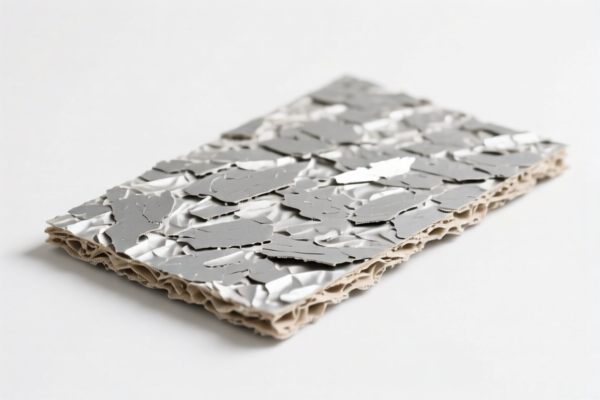
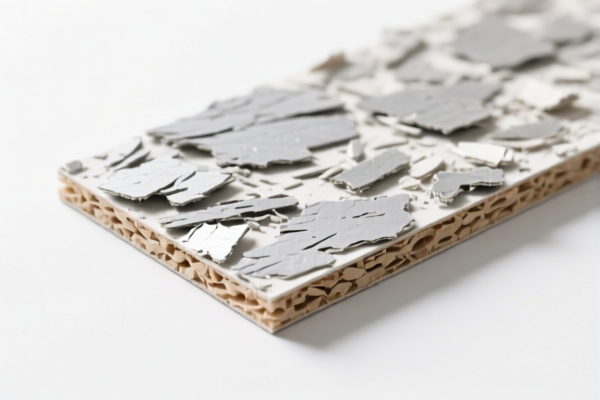
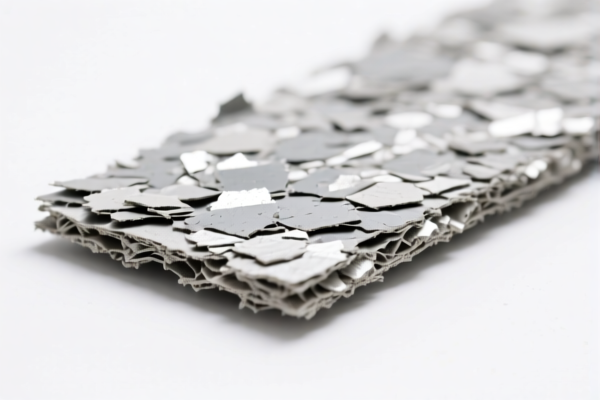
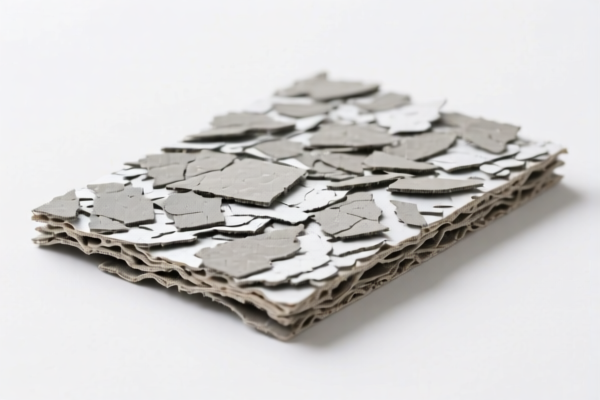
asbestos board
CN → US| HS Code | Tariff Rate | Origin | Destination | Doc |
|---|---|---|---|---|
| 6810990080 | 35.0% | CN | US | Official Doc |
| 6810195000 | 38.9% | CN | US | Official Doc |
| 6812999000 | 35.0% | CN | US | Official Doc |
| 6812991000 | 35.0% | CN | US | Official Doc |
| 3816002050 | 38.0% | CN | US | Official Doc |
Product Images
AI Analysis
🏗️ Asbestos Board (石棉水泥板/石棉砂浆)
🌐 HS Code Reference & Customs Clearance Guide | 2026 Latest Tariff Analysis | Strategic Classification Strategy
📌 I. Product Definition & Classification: Do You Really Know "Asbestos Board"?
"Asbestos Board" is a broad term in international trade that typically refers to cement-based composite materials containing asbestos fibers. In customs classification, the exact HS Code depends heavily on the specific material composition and physical form. The data provided identifies three distinct categories for this product family, primarily affecting customs duty rates and regulatory scrutiny due to health and trade restrictions.
⚠️ Critical Distinction:
- Cement/Artificial Stone Boards (e.g.,6810.99.00.80): Classified as cement products. - Cement/Asbestos Cement Boards (e.g.,6810.19.50.00): Classified specifically as asbestos cement products. - Asbestos Mortar/Mixtures (e.g.,6812.99.90.00,6812.99.10.00,3816.00.20.50): Classified as mixed products, refractory mortars, or other asbestos-based mixtures.
📦 II. HS Code Classification Details (2026 Latest Tariff Authority Comparison)
| HS Code | Product Description | Applicable Scenario | Material/Form Characteristic |
|---|---|---|---|
6810.99.00.80 |
Asbestos Cement Board, Material: Cement/Artificial Stone, Form: Board | Standard cement product category | Cement board form, no specific asbestos cement classification |
6810.19.50.00 |
Asbestos Cement Board, Material: Cement/Asbestos Cement, Form: Board | Cement or artificial stone products category | Specific asbestos-cement composition |
6812.99.90.00 |
Asbestos Mortar, Contains Asbestos, Form: Mixture Product | Other categories: Asbestos-based mixtures | Mixture product, mixed form |
6812.99.10.00 |
Asbestos Mortar, Contains Asbestos, Form: Asbestos Fiber Mixture | Asbestos products and their mixtures | Asbestos fiber mixture |
3816.00.20.50 |
Asbestos Mortar, Belongs to Mortar Category | Refractory mortar material and form characteristics | Refractory mortar, no material conflict |
🔍 Key Reminder:
- If the product is a solid board made of cement and asbestos, it falls under Chapter 68 (6810.19.50.00) or 6810.99.00.80 depending on precise material definition. - If the product is a powder, paste, or loose mixture (mortar), it falls under Chapter 68 (6812.99.x.x) or Chapter 38 (3816.00.20.50). - Misclassification between "Board" and "Mortar" can lead to significant tax differences and compliance risks.
💰 III. 2026 Latest Tariff Rate Details (Including Additional Taxes & Policy Surcharges)
✅ Applicable Country: United States (US)
✅ Origin: China (CN)
✅ Effective Time: Current trade policies including Section 301 and IEEPA surcharges
🎯 1. 6810.99.00.80 —— Asbestos Cement Board (Cement/Artificial Stone)
| Item | Content |
|---|---|
| Base Tariff | 0.0% (ad valorem) |
| Section 301 Surcharge | +25.0% |
| 122 Section Tariff | +10.0% |
| Total Tariff Rate | 35.0% |
| Tax Calculation | CIF Value × 35% |
| De Minimis Eligibility | ❌ Not Eligible (High-risk category) |
| Legal Basis Path | USITC:6810.99.00.80 → Section301:25% → IEEPA/122:10% |
📌 Explanation:
- Base Tariff: 0% indicates it is classified as a general cement product. - Section 301 (25%): Applies to almost all Chinese-manufactured industrial goods. - 122 Section (10%): Additional surcharge based on current trade enforcement directives. - Total 35%: High cost impact, must be factored into pricing strategies.
🎯 2. 6810.19.50.00 —— Asbestos Cement Board (Cement/Asbestos Cement)
| Item | Content |
|---|---|
| Base Tariff | 3.9% |
| Section 301 Surcharge | +25.0% |
| 122 Section Tariff | +10.0% |
| Total Tariff Rate | 38.9% |
| Tax Calculation | CIF Value × 38.9% |
| De Minimis Eligibility | ❌ Not Eligible |
| Legal Basis Path | USITC:6810.19.50.00 → Section301:25% → IEEPA/122:10% |
📌 Note:
- This classification explicitly identifies "Asbestos Cement," which may trigger stricter health/safety inspections. - Total 38.9%: The highest base rate among board classifications, making it the most expensive option for importers.
🎯 3. 6812.99.90.00 —— Asbestos Mortar (Mixture Product)
| Item | Content |
|---|---|
| Base Tariff | 0.0% |
| Section 301 Surcharge | +25.0% |
| 122 Section Tariff | +10.0% |
| Total Tariff Rate | 35.0% |
| Tax Calculation | CIF Value × 35% |
| De Minimis Eligibility | ❌ Not Eligible |
| Legal Basis Path | USITC:6812.99.90.00 → Section301:25% → IEEPA/122:10% |
📌 Explanation:
- Classified under "Other Articles of Asbestos." - Lower base tariff but subject to same high surcharges. - Often requires more detailed ingredient disclosure due to "mixture" nature.
🎯 4. 6812.99.10.00 —— Asbestos Mortar (Asbestos Fiber Mixture)
| Item | Content |
|---|---|
| Base Tariff | 0.0% |
| Section 301 Surcharge | +25.0% |
| 122 Section Tariff | +10.0% |
| Total Tariff Rate | 35.0% |
| Tax Calculation | CIF Value × 35% |
| De Minimis Eligibility | ❌ Not Eligible |
| Legal Basis Path | USITC:6812.99.10.00 → Section301:25% → IEEPA/122:10% |
📌 Note:
- Specific to "Asbestos Fiber Mixtures." - Identical tax burden to6812.99.90.00but may require proof of fiber content.
🎯 5. 3816.00.20.50 —— Asbestos Mortar (Refractory Mortar)
| Item | Content |
|---|---|
| Base Tariff | 3.0% |
| Section 301 Surcharge | +25.0% |
| 122 Section Tariff | +10.0% |
| Total Tariff Rate | 38.0% |
| Tax Calculation | CIF Value × 38% |
| De Minimis Eligibility | ❌ Not Eligible |
| Legal Basis Path | USITC:3816.00.20.50 → Section301:25% → IEEPA/122:10% |
📌 Important:
- Classified under "Prepared Binders for Foundry Moulds; Chemical Products and Preparations of the Chemical or Allied Industries." - If used for high-temperature applications, this classification may apply. - Total 38%: Slightly lower than the asbestos-cement board (38.9%) but higher than the standard cement board (35.0%).
🛠️ IV. Customs Clearance Practical Advice (Battle-Tested Pitfall Avoidance Guide)
✅ 1. Document Checklist (Missing Items Not Allowed)
| Document | Mandatory | Description |
|---|---|---|
| ✅ Product Spec Sheet | ✔️ | Must detail chemical composition (asbestos content %), physical form (board vs. powder), and usage. |
| ✅ Safety Data Sheet (SDS) | ✔️ | Crucial for asbestos-containing products; proves compliance with health regulations. |
| ✅ Product Photos (Clear) | ✔️ | Show packaging, labeling, and physical form (board, bagged mortar, etc.). |
| ✅ Commercial Invoice | ✔️ | Must accurately describe goods as "Asbestos Cement Board" or "Asbestos Mortar," not generic "Construction Material." |
| ✅ Packing List | ✔️ | Detail net/gross weight; ensure consistency with invoice. |
| ✅ Certificate of Origin | ✔️ | Required for surcharge calculation and trade policy verification. |
✅ 2. Declaration Techniques (Key Mnemonic)
🔥 “Form Defines Code, Asbestos Needs Proof, Name Must Be Precise, Taxes Follow Logic!”
| Scenario | Correct Declaration | Error to Avoid |
|---|---|---|
| Solid Board, Cement/Asbestos | 6810.19.50.00 |
Declare as "Cement Board" (6810.99.00.80) → Risk of penalty for misdeclaration |
| Solid Board, Cement/Artificial Stone | 6810.99.00.80 |
Declare as "Asbestos Product" → Unnecessary scrutiny |
| Powder/Mortar, Asbestos Mix | 6812.99.90.00 or 6812.99.10.00 |
Declare as "Board" → Physical mismatch, customs hold |
| Refractory Mortar | 3816.00.20.50 |
Declare as "General Mortar" → May miss higher base rate or inspection requirements |
✅ 3. Special Situations
| Situation | Handling Advice |
|---|---|
| Mixed Shipments | Declare "Board" and "Mortar" on separate lines if they fall under different HS Codes. Do not lump them together. |
| Asbestos Content Declaration | Be explicit. Vague descriptions like "Construction Material" will trigger mandatory lab testing, causing delays. |
| Refractory Use | If the mortar is for high-heat applications, provide technical specs to support 3816.00.20.50. |
| Small Quantity Samples | Even small quantities are subject to high tariffs (35-38.9%) and are not eligible for de minimis exemptions due to the high tariff rate. |
🌍 V. Global Market Customs Comparison (2026 Latest)
| Country/Region | Recommended HS Code | Tariff (China Origin) | Certification/Regulation | Notes |
|---|---|---|---|---|
| 🇺🇸 USA | 6810.19.50.00 / 6812.99.90.00 |
35% - 38.9% | OSHA Compliance, SDS Required | High tariffs, strict asbestos handling rules |
| 🇨🇳 China | 6810.19.50.00 / 6812.99.90.00 |
Variable | GB Standards for Asbestos Products | Domestic regulations on asbestos use may restrict import/export |
| 🇪🇺 EU | 6810.19.50 / 6812.99.90 |
0-5% (if eligible) | REACH, Asbestos Ban Restrictions | Note: Asbestos is largely banned/restricted in EU. Import may be prohibited. |
| 🇨🇦 Canada | 6810.19.50 / 6812.99.90 |
0-5% | WHMIS, Asbestos Regulation | Strict environmental and health regulations |
📌 Conclusion:
- USA is the primary market shown, with high tariffs (35-38.9%) but generally allows import if declared correctly. - EU/Canada have stringent bans or restrictions on asbestos. Importing asbestos-containing products into these regions is highly risky or prohibited. Check local laws before shipping.
📌 VI. Common Errors & Pitfall Guide (Lessons Learned)
❌ Error 1: Declaring "Asbestos Cement Board" as "Cement Tile" (6911.10.10.00)
👉 Consequence: Misclassification. If found to contain asbestos, penalties, back taxes, and potential smuggling charges.
❌ Error 2: Using generic term "Building Material" on Invoice
👉 Consequence: Customs will assign a default HS code, likely leading to incorrect tax assessment and delays.
❌ Error 3: Ignoring SDS (Safety Data Sheet)
👉 Consequence: CBP (Customs and Border Protection) may refuse entry due to lack of safety information for hazardous materials.
❌ Error 4: Not distinguishing between "Board" and "Mortar"
👉 Consequence: Wrong HS Code selection leads to either overpaying (if higher base rate code used) or underpaying (if lower rate code used incorrectly), both triggering audits.
✅ Correct Practice:
"Asbestos Cement Board, 1200x2400mm, Thickness 6mm, Material: Cement/Asbestos, For Construction Use, Model: ACB-001"
🎯 VII. Conclusion: Precise Classification Saves Costs and Ensures Compliance
🎯 Remember the Mnemonic:
🔹 "Form Determines Code, Asbestos Needs Proof."
🔹 "35% for Boards/Mixtures, 38.9% for Cement-Asbestos."
🔹 "SDS is Mandatory, Vague Names Lead to Holds."
📌 Pro Tip:
If your product is not made in China (e.g., Vietnam, Thailand), you may avoid the 25% Section 301 and 10% 122 Section surcharges. However, you must prove Origin correctly to benefit.
📣 Immediate Action:
📞 Consult a Customs Broker + Prepare Detailed SDS + Verify Exact Material Composition
🚀 Ensure Smooth Clearance, Avoid Delays, Protect Profit Margins!
✨ Professional Customs Clearance Starts with Accurate Classification!
💼 Every Percentage Point of Tariff Counts!
Customer Reviews
About HS Code Classification
The Harmonized System (HS) is an internationally standardized nomenclature developed by the World Customs Organization (WCO) to classify traded products. Over 200 countries use the HS system as the basis for customs tariffs, trade statistics, and import/export regulations.
Each HS code follows a hierarchical structure:
- Chapter (2 digits) — Broad category of goods (e.g., Chapter 84: Machinery and Mechanical Appliances)
- Heading (4 digits) — More specific grouping within the chapter
- Subheading (6 digits) — Internationally standardized breakdown, used by all WCO member countries
- National subdivisions (8-10 digits) — Country-specific extensions for further classification, such as US HTSUS 10-digit codes
Correct HS code classification is essential for smooth customs clearance, accurate duty payment, and compliance with trade regulations. Misclassification can lead to customs delays, overpayment of duties, or penalties.
When importing from CN to US, the applicable tariff rates may include:
- Most-Favored-Nation (MFN) rate — The standard duty rate applied to WTO members
- General rate — Applied to countries without trade agreements
- Trade remedy duties — Additional tariffs such as Section 301 (anti-dumping), Section 232 (national security), or countervailing duties
The information provided on this page is for reference purposes only. For official classification, please consult with your local customs authority or a licensed customs broker.