asbestos friction plates
CN → US| HS Code | Tariff Rate | Origin | Destination | Doc |
|---|---|---|---|---|
| 8708301010 | 35.0% | CN | US | Official Doc |
| 6813200010 | 35.0% | CN | US | Official Doc |
| 8708305040 | 0.0% | CN | US | Official Doc |
Product Images
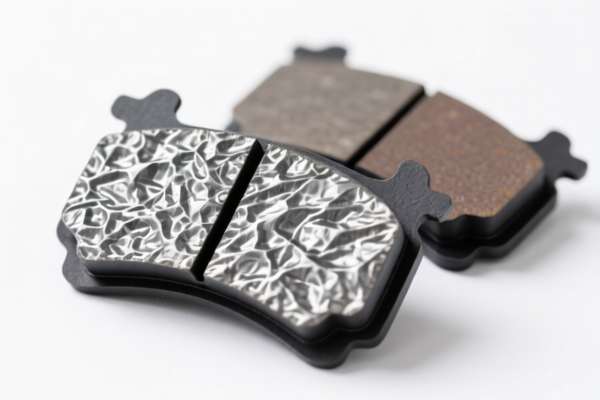
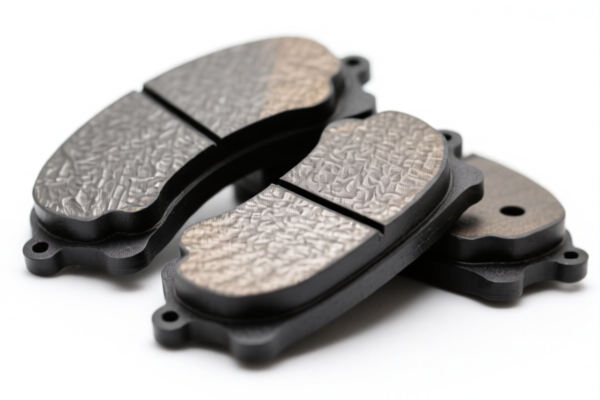
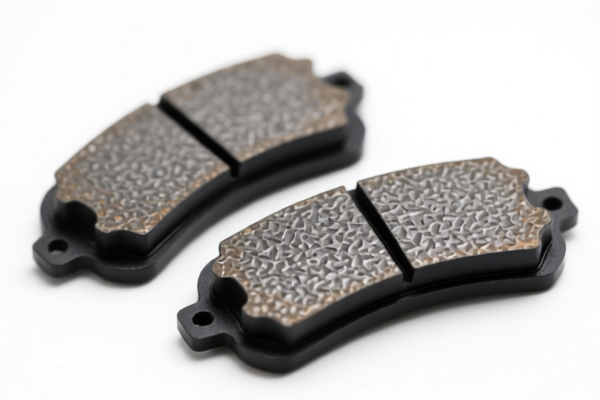
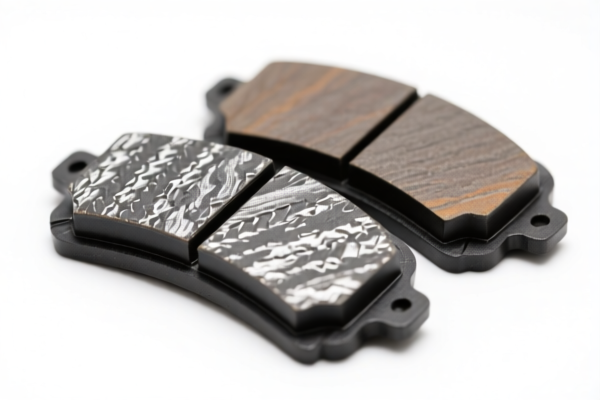
AI Analysis
🛑 Asbestos Friction Plates (Brake Linings)
🌐 HS Code Reference & Customs Clearance Guide | 2026 Latest Tariff Analysis | Professional Clearance Strategy
📌 I. Product Definition & Classification: Do You Really Understand "Asbestos Brake Plates"?
Asbestos friction plates, commonly known as brake linings or brake blocks, are critical components of vehicle braking systems. In international trade, they are primarily classified under Chapter 87 (Vehicles other than railway or tramway rolling-stock) or Chapter 68 (Articles of stone or of plaster, cement, asbestos, mica or similar materials), depending on their specific form and intended use.
Key Distinction:
- Vehicle Parts: If the product is specifically designed for installation in automotive braking systems (cars, trucks, buses), it typically falls under HS 8708.
- Industrial/Material Goods: If the product is classified broadly as an article of asbestos material or industrial friction material, it may fall under HS 6813.
⚠️ Critical Note:
Due to the hazardous nature of asbestos, many countries impose strict bans or heavy surcharges. In the US market, these products face significant "Section 301" and "IEEPA" tariffs.
📦 II. HS Code Classification Details (2026 Latest Tariff Authority Comparison)
Based on the provided data, here are the three specific HS Codes identified for Asbestos Friction Plates:
| HS Code | Product Description | Summary |
|---|---|---|
8708.30.10.10 |
Asbestos brake lining, shape conforms to brake pad, material is asbestos, falls under brake lining category | Automotive brake system component |
6813.20.00.10 |
Asbestos brake lining, material is asbestos, shape is brake pad or friction material, meets classification requirements | General asbestos friction material |
8708.30.50.40 |
Asbestos brake lining, belongs to braking system parts, material is asbestos, compatible with installed brake lining attributes | Automotive braking system part |
🔍 重点提醒:
- 8708.30.10.10 and 8708.30.50.40 are both classified under Chapter 87 (Vehicle Parts), specifically for braking systems. - 6813.20.00.10 is classified under Chapter 68 (Articles of Asbestos), treating it more as a raw material or industrial article. - Despite different HS codes, all three categories attract high additional tariffs in the US market.
💰 III. 2026 Latest Tariff Rate Details (Including Surcharges, Policy Add-ons)
✅ Applicable Country: United States (US)
✅ Country of Origin: China (CN)
✅ Effective Date: From November 10, 2025 (including subsequent imports)
🎯 1. 8708.30.10.10 —— Asbestos Brake Lining (Vehicle Part)
| Item | Content |
|---|---|
| Base Tariff Rate | 0% (ad valorem) |
| Section 301 Surcharge | +25% (China-specific) |
| Section 122 Tariff | +10% (Specific to certain asbestos products) |
| Total Tariff Rate | 35% |
| Tax Calculation | CIF Value × 35% |
| De Minimis Exemption | ❌ Not Available (deny_de_minimis) |
| Legal Basis Path | Section 301 → Section 122 → USITC:8708.30.10.10 |
📌 Explanation:
- The 25% comes from US Trade Law Section 301 against Chinese goods. - The 10% is a specific tariff under Section 122 for certain asbestos-related items. - Total 35% is a high cost that must be anticipated.
🎯 2. 6813.20.00.10 —— Asbestos Brake Lining (Friction Material)
| Item | Content |
|---|---|
| Base Tariff Rate | 0% |
| Section 301 Surcharge | +25% |
| Section 122 Tariff | +10% |
| Total Tariff Rate | 35% |
| Tax Calculation | CIF × 35% |
| De Minimis Exemption | ❌ Not Available |
| Legal Basis Path | Section 301 → Section 122 → USITC:6813.20.00.10 |
📌 Note:
- Same tariff structure as above. - Whether classified as a vehicle part or a friction material, the 35% total duty applies.
🎯 3. 8708.30.50.40 —— Asbestos Brake Lining (Braking System Part)
| Item | Content |
|---|---|
| Base Tariff Rate | 2.5% |
| Section 301 Surcharge | +25% |
| Section 122 Tariff | +10% |
| Total Tariff Rate | 37.5% |
| Tax Calculation | CIF × 37.5% |
| De Minimis Exemption | ❌ Not Available |
| Legal Basis Path | Section 301 → Section 122 → USITC:8708.30.50.40 |
📌 Note:
- This code has a base tariff of 2.5%, making the total 37.5%. - Still subject to the same surcharges.
🛠️ IV. Customs Clearance Practical Advice (Battlefield Pit-Avoidance Guide)
✅ 1. Required Documentation Checklist (All Required)
| Document | Mandatory | Description |
|---|---|---|
| ✅ Product Specification Sheet | ✔️ | Must include material composition (asbestos content), dimensions, and braking performance data. |
| ✅ Material Safety Data Sheet (MSDS) | ✔️ | Critical for hazardous material declaration; must confirm asbestos type and quantity. |
| ✅ Product Photos (with Nameplate) | ✔️ | Clear images showing the item, labels, and packaging. |
| ✅ Commercial Invoice | ✔️ | Must clearly state "Asbestos Friction Plates" and HS Code. |
| ✅ Packing List | ✔️ | Detailed breakdown of packages to avoid volume/discrepancy issues. |
| ✅ Certificate of Origin (CO) | ✔️ | Essential for tariff calculation; misdeclaration can lead to penalties. |
✅ 2. Declaration Techniques (Key Mnemonics)
🔥 "Material Matters, Code Determines Cost, Misclassification Means Penalty!"
| Scenario | Correct Declaration | Incorrect Action |
|---|---|---|
| Asbestos Brake Pads for Cars | 8708.30.10.10 or 8708.30.50.40 |
Misdeclare as "Ceramic Brake Pads" → High Risk of Audit |
| Asbestos Friction Material (Industrial) | 6813.20.00.10 |
Misdeclare as "Non-hazardous Rubber" → Customs Seizure |
| Mixed Packaged Goods | Whole Package Declaration | Split Declaration → Higher Tariff Base |
✅ 3. Special Situations Handling
| Situation | Handling Advice |
|---|---|
| OEM Custom Brake Pads | Provide customer order + design drawings to prove intended use. |
| Asbestos Content > Threshold | If asbestos content exceeds local limits, import may be banned. Check EPA regulations. |
| Samples for Testing | Even samples are subject to full duties; do not use "gift" loophole for asbestos items. |
| Warehousing in Third Countries | Transshipment does not erase origin. US Customs traces back to China. |
🌍 V. Global Market Clearance Comparison (2026 Latest)
| Country/Region | Recommended HS Code | Tariff | Certification Requirements | Notes |
|---|---|---|---|---|
| 🇺🇸 United States | 8708.30.10.10 / 6813.20.00.10 |
35% - 37.5% | No specific CE, but EPA hazardous material rules apply | Highest Cost Market |
| 🇨🇳 China | 8708.30.10.10 |
5% | GB Standards | Domestic trade allowed, but strict environmental controls |
| 🇪🇺 European Union | 8708.30.10.10 |
0% (if ECE approved) | ECHA Restriction: Asbestos is largely banned in EU | Import Prohibited in many cases |
| 🇯🇵 Japan | 8708.30.10.10 |
0-5% | JIS Standards | Strict asbestos bans under ALP Law |
📌 Conclusion:
- USA is the only major market where asbestos friction plates are allowed but heavily taxed. - EU and Japan generally ban or severely restrict asbestos imports. - China allows domestic trade but with strict environmental and safety regulations.
📌 VI. Common Errors & Pitfall Avoidance (Blood & Tears Lessons)
❌ Error 1: Declaring "Asbestos Brake Pads" as "Ceramic Brake Pads" to avoid tariffs.
👉 Consequence: Customs seizure, fines, and blacklist!
❌ Error 2: Omitting "Asbestos" from the description.
👉 Consequence: Violation of hazardous material laws → Severe penalties.
❌ Error 3: Using "Brake Linings" without specifying material.
👉 Consequence: Unclear classification → Delayed clearance, additional inspections.
❌ Error 4: Assuming de minimis exemption applies to small packages.
👉 Consequence: Asbestos items are exempt from de minimis → Full duty charged even on small samples.
✅ Correct Practice:
"Asbestos Brake Friction Plates, Model XYZ, Material: Asbestos, HS Code: 8708.30.10.10, Origin: China"
🎯 VII. Conclusion: Professional Declaration, Save Time, Reduce Costs!
🎯 Remember the Mnemonic:
🔹 "Asbestos = High Duty (35-37.5%) + No De Minimis + Strict Hazmat Rules"
🔹 "HS Code Determines Fate, Tariff Difference Is Huge, Misdeclaration Leads to Seizure!"
📌 Tips:
- If your asbestos friction plates are originating from Vietnam, Mexico, Thailand, or Malaysia, you may apply for IEEPA Exemption or FTZ status, reducing tariffs to 0%~5%.
- Apply for Advance Ruling before shipping to confirm HS Code and tariff liability.
- Do not attempt to hide asbestos content; transparency is key to avoiding legal risks.
📣 Immediate Action:
📞 Contact Professional Customs Broker + Provide Product Specs + Apply for HS Code Advance Ruling
🚀 Ensure your Asbestos Friction Plates clear customs smoothly, avoid delays, and protect your profit margins!
✨ Professional Clearance Starts with Accurate Classification!
💼 Every Cent of Cost Deserves Precise Calculation!
Customer Reviews
About HS Code Classification
The Harmonized System (HS) is an internationally standardized nomenclature developed by the World Customs Organization (WCO) to classify traded products. Over 200 countries use the HS system as the basis for customs tariffs, trade statistics, and import/export regulations.
Each HS code follows a hierarchical structure:
- Chapter (2 digits) — Broad category of goods (e.g., Chapter 84: Machinery and Mechanical Appliances)
- Heading (4 digits) — More specific grouping within the chapter
- Subheading (6 digits) — Internationally standardized breakdown, used by all WCO member countries
- National subdivisions (8-10 digits) — Country-specific extensions for further classification, such as US HTSUS 10-digit codes
Correct HS code classification is essential for smooth customs clearance, accurate duty payment, and compliance with trade regulations. Misclassification can lead to customs delays, overpayment of duties, or penalties.
When importing from CN to US, the applicable tariff rates may include:
- Most-Favored-Nation (MFN) rate — The standard duty rate applied to WTO members
- General rate — Applied to countries without trade agreements
- Trade remedy duties — Additional tariffs such as Section 301 (anti-dumping), Section 232 (national security), or countervailing duties
The information provided on this page is for reference purposes only. For official classification, please consult with your local customs authority or a licensed customs broker.