asphalt mixture
CN → USProduct Images
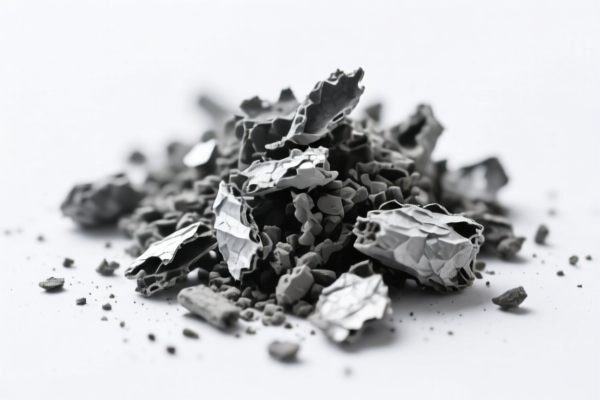
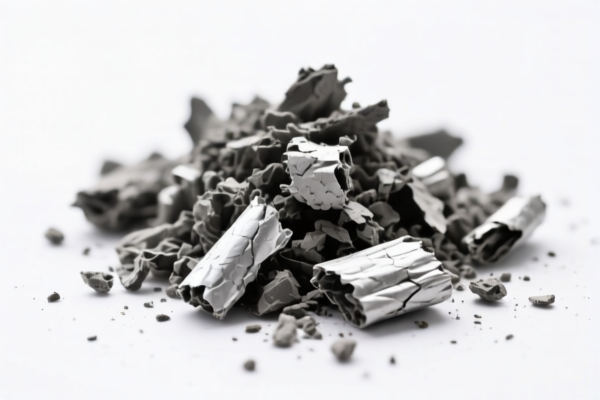
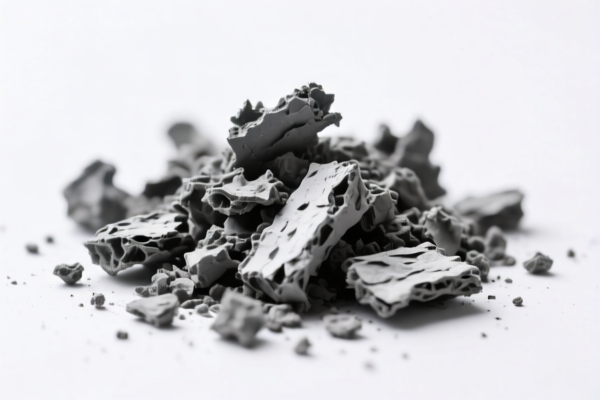
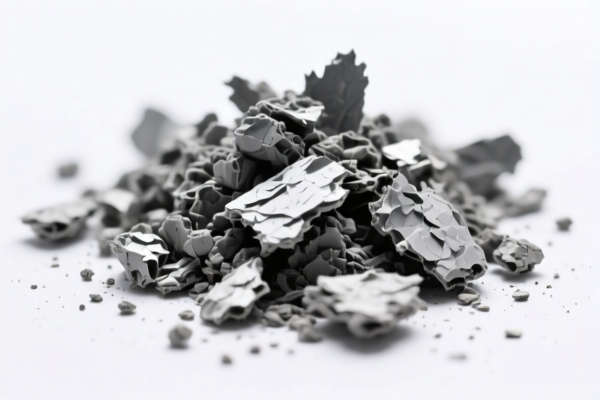
AI Analysis
🚧 Asphalt Mixture (Hot Mix Asphalt / HMA)
🌐 HS Code Reference & Customs Clearance Guide | 2026 Latest Tariff Analysis | Professional-Level Entry Strategy
📌 1. Product Definition & Classification: What Exactly is "Asphalt Mixture"?
Asphalt Mixture, commonly known as Hot Mix Asphalt (HMA), is the primary material used for paving roads, airports, parking lots, and industrial floors. It is a composite material consisting primarily of two components: 1. Aggregates: Crushed stone, sand, or gravel (the structural skeleton). 2. Asphalt Cement: A viscous, black liquid derived from crude oil distillation (the binder).
In international trade, the classification depends heavily on whether the product is "loose" (uncompacted) or "ready-to-use mixture."
⚠️ Key Distinction Point:
- If the product is pure asphalt cement/binder without aggregates → Classified under Chapter 27 (Petroleum Products).
- If the product is a mechanical mixture of aggregates and asphalt binder (ready for paving) → Classified under Chapter 68 (Mineral Products).
- Crucial Note: Pre-packed asphalt mixtures used for road construction are NOT considered "prepared foods" or simple chemicals; they are construction materials.
📦 2. HS Code Classification Details (2026 Latest Tariff Authority Comparison)
| HS Code | Product Description | Application Scenario | Contains Aggregates? |
|---|---|---|---|
2714.90.00.00 |
Asphalt and other varieties of mineral tar (excluding petroleum沥青 and oils) | Pure asphalt binder/cement; Raw material before mixing with stone | ❌ No (Pure Binder) |
2715.00.00.00 |
Asphalt mixtures based on natural asphalt, on natural bitumen, on petroleum bitumen, on coal tar bitumen, or on mineral tar (e.g., asphalt cement) | Ready-to-use asphalt mixtures for paving roads, runways, etc. | ✅ Yes |
2517.10.00.00 |
Cobbles, setting-cobbles, paving stones, flagstones, and curbstones, whether or not heat-treated; Granulated or crushed stone (whether or not treated) | Crushed stone/aggregates before mixing with asphalt | ❌ No (Just Stone) |
3006.50.00.00 |
First-aid boxes and kits | Not applicable (Common mistake due to "kit" terminology) | N/A |
🔍 Key Reminder:
- Most commercial "Asphalt Mixture" shipments (ready for paving) fall under2715.00.00.00.
- Do not classify pre-mixed asphalt under2714.90.00.00(pure asphalt) if aggregates are present. Customs will reject this as incomplete description.
- If importing only the stone aggregate to be mixed locally, classify under2517.10.00.00or2517.20.00.00(gravel/crushed stone).
💰 3. 2026 Latest Tariff Rate Details (Including Surcharge & Policy Add-ons)
✅ Applicable Country: United States (US)
✅ Country of Origin: China (CN)
✅ Effective Time: Post-2025 adjustments (Section 301 Tariffs still apply to many industrial goods)
🎯 1. 2715.00.00.00 —— Asphalt Mixtures (Ready-to-Use)
| Item | Content |
|---|---|
| Base MFN Rate | 0% (General Ad Valorem) |
| Section 301 Surcharge (China Origin) | +7.5% (List 4B - Industrial Materials) |
| Additional Duties (if applicable) | Check specific USITC footnotes for anti-dumping/countervailing duties (CVD/AD) on specific Chinese asphalt producers. Note: Some specific Chinese asphalt products have been subject to CVD. |
| Total Estimated Rate | ~7.5% (Base + Section 301) + Potential AD/CVD |
| Tax Calculation | CIF Value × (0% + 7.5% + AD/CVD %) |
| De Minimis Eligibility | ❌ No (Section 301 goods are generally excluded from de minimis if value exceeds thresholds, but asphalt mixtures are bulk cargo, not small parcels) |
| Legal Basis Path | USITC:2715.00.00.00 → Section 301: Footnote 9903.88.03 |
📌 Explanation:
- While the base rate is 0%, the Section 301 tariff adds a significant burden for Chinese-origin goods.
- Anti-Dumping (AD) & Countervailing Duties (CVD): In recent years, the US Department of Commerce has investigated certain asphalt and roofing materials. If your specific product falls under a pending or active AD/CVD order, the rate can jump from 7.5% to 100%+. Always check the specific manufacturer's ID.
🎯 2. 2714.90.00.00 —— Pure Asphalt/Cement (If Misclassified)
| Item | Content |
|---|---|
| Base MFN Rate | 0% |
| Section 301 Surcharge | +7.5% |
| Total Rate | ~7.5% |
| Risk | High risk of misclassification penalty if aggregates are present. |
🛠️ 4. Customs Clearance Practical Advice (Battle-Tested Pitfall Guide)
✅ 1. Required Documentation Checklist (Non-Negotiable)
| Document | Must Provide | Description |
|---|---|---|
| ✅ Product Specification Sheet | ✔️ | Must detail: Aggregate type (limestone/granite), Asphalt content %, Viscosity grade (e.g., PG 64-22), Temperature range. |
| ✅ Material Safety Data Sheet (MSDS/SDS) | ✔️ | Crucial for hazardous material classification (Asphalt emits fumes at high temps). |
| ✅ Certificate of Origin (CO) | ✔️ | Required to determine Section 301 applicability. |
| ✅ Commercial Invoice | ✔️ | Must clearly state "Asphalt Mixture for Road Construction" and HS Code 2715.00.00.00. |
| ✅ Bill of Lading | ✔️ | Bulk cargo declaration required. |
| ✅ Test Report | ✔️ | Proof of asphalt content and aggregate gradation (to prove it's a "mixture" and not just stone). |
✅ 2. Declaration Tips (Key Mnemonics)
🔥 "Mixture is Chapter 27, Pure is 2714, Stone is 2517. Don't mix them up or face fines!"
| Scenario | Correct Declaration | Wrong Practice |
|---|---|---|
| Ready-to-pave asphalt (Stone + Binder) | 2715.00.00.00 |
Declaring as 2714.90.00.00 → Misclassification Penalty |
| Just crushed stone (no asphalt) | 2517.10.00.00 |
Declaring as 2715.00.00.00 → Overpayment + Delay |
| Pure liquid asphalt binder | 2714.90.00.00 |
Declaring as 2715.00.00.00 → Under-valuation Risk |
| Asphalt shingles (Roofing) | 6807.90.00.00 |
Declaring as 2715.00.00.00 → Wrong Chapter |
✅ 3. Special Cases Handling
| Situation | Handling Advice |
|---|---|
| Hot Mix vs. Cold Mix | Hot Mix (HMA) is typically 2715.00.00.00. Cold Mix (emulsified asphalt with stone) may also fall under 2715.00.00.00 but requires detailed technical data to prove it's a "mixture" and not just "emulsified asphalt" (2714.90). |
| Pre-mixed in Drums | If packed in small drums for retail (e.g., driveway repair), ensure it's still classified as 2715.00.00.00 if it contains aggregates. If it's just pure asphalt in a can, it's 2714.90.00.00. |
| Anti-Dumping (AD) Check | Critical: Check if the specific Chinese manufacturer is on the AD/CVD list for "Asphalt" or "Roofing Materials." If yes, the duty rate is much higher. |
🌍 5. Global Market Clearance Comparison (2026 Latest)
| Country/Region | Recommended HS Code | Tariff (China Origin) | Certification Requirements | Notes |
|---|---|---|---|---|
| 🇺🇸 United States | 2715.00.00.00 |
7.5% (Section 301) + Potential AD/CVD | SDS, ASTM Standards | High risk of AD/CVD; Check Commerce Dept. |
| 🇪🇺 European Union | 2715.00.00 |
0% (Most Favored Nation) | REACH, RoHS (if applicable) | Low base duty, but strict environmental compliance. |
| 🇨🇳 China (Import) | 2715.00.00 |
3% | GB Standards | Low import duty for raw materials. |
| 🇦🇺 Australia | 2715.00.00 |
5% | GMark (if electrical components in plant) | Standard duty applies. |
| 🇨🇦 Canada | 2715.00.00 |
0% (CUSMA Eligible if from Mexico/US) | SDS | Free trade if originating from Canada/Mexico. |
📌 Conclusion:
- US is the most complex market due to Section 301 tariffs and AD/CVD risks.
- EU/Canada/Australia are more straightforward with low/zero base tariffs.
- Always verify Origin: If asphalt is produced in Vietnam or Mexico, Section 301 tariffs may not apply, but you must prove substantial transformation.
📌 6. Common Mistakes & Pitfall Guide (Blood & Tears Lessons)
❌ Mistake 1: Classifying "Asphalt Mixture" as 2714.90.00.00 (Pure Asphalt)
👉 Consequence: Customs may suspect under-declaration of value or misclassification. If aggregates are present, this is illegal.
👉 Result: Fines + Release Delay.
❌ Mistake 2: Ignoring Anti-Dumping Duties (AD)
👉 Consequence: Many Chinese asphalt producers face AD rates of 10% to 100%+. If you don't check, you might arrive at port and find a $50,000 extra bill.
👉 Result: Financial Shock + Cash Flow Crisis.
❌ Mistake 3: Missing SDS (Safety Data Sheet)
👉 Consequence: Asphalt is considered hazardous due to fumes and temperature. Without SDS, EPA/Customs may block entry.
👉 Result: Cargo Held at Port → Storage Fees.
❌ Mistake 4: Declaring "Road Construction Materials" vaguely
👉 Consequence: Vague descriptions trigger manual inspection.
👉 Result: Delayed clearance.
✅ Correct Approach:
"Hot Mix Asphalt (HMA), PG 64-22 Grade, Containing Crushed Limestone Aggregate, for Road Paving, Manufacturer: [Name], Country: China, HS: 2715.00.00.00"
🎯 7. Conclusion: Professional Declaration, Save Time & Money!
🎯 Remember the Mnemonic:
🔹 "Mixture is 2715, Pure is 2714, Stone is 2517. Check for AD/CVD, or the bill will be huge!"
🔹 "SDS is a must, Origin matters for 301. Declare correctly, or face the audit!"
📌 Pro Tip:
If your asphalt mixture is produced in Vietnam, Thailand, or Mexico, ensure you have a Certificate of Origin to claim FTZ/NAFTA/CUSMA benefits or avoid Section 301 tariffs. For Chinese origin, verify the AD/CVD status with a customs broker before shipment.
📣 Immediate Action:
📞 Contact a licensed Customs Broker + Provide MSDS + Verify AD/CVD Status
🚀 Ensure your Asphalt Mixture passes customs smoothly, avoids surprise duties, and keeps your project on schedule!
✨ Professional Clearance Starts with Accurate Classification!
💼 Every Dollar Saved on Duties is Pure Profit!
Customer Reviews
About HS Code Classification
The Harmonized System (HS) is an internationally standardized nomenclature developed by the World Customs Organization (WCO) to classify traded products. Over 200 countries use the HS system as the basis for customs tariffs, trade statistics, and import/export regulations.
Each HS code follows a hierarchical structure:
- Chapter (2 digits) — Broad category of goods (e.g., Chapter 84: Machinery and Mechanical Appliances)
- Heading (4 digits) — More specific grouping within the chapter
- Subheading (6 digits) — Internationally standardized breakdown, used by all WCO member countries
- National subdivisions (8-10 digits) — Country-specific extensions for further classification, such as US HTSUS 10-digit codes
Correct HS code classification is essential for smooth customs clearance, accurate duty payment, and compliance with trade regulations. Misclassification can lead to customs delays, overpayment of duties, or penalties.
When importing from CN to US, the applicable tariff rates may include:
- Most-Favored-Nation (MFN) rate — The standard duty rate applied to WTO members
- General rate — Applied to countries without trade agreements
- Trade remedy duties — Additional tariffs such as Section 301 (anti-dumping), Section 232 (national security), or countervailing duties
The information provided on this page is for reference purposes only. For official classification, please consult with your local customs authority or a licensed customs broker.