auto vinyl wrap tool
CN → US| HS Code | Tariff Rate | Origin | Destination | Doc |
|---|---|---|---|---|
| 8205906000 | 0.0% | CN | US | Official Doc |
| 3926909989 | 22.8% | CN | US | Official Doc |
| 3926908500 | 24.0% | CN | US | Official Doc |
| 8205517500 | 38.7% | CN | US | Official Doc |
| 8205906000 | 0.0% | CN | US | Official Doc |
Product Images
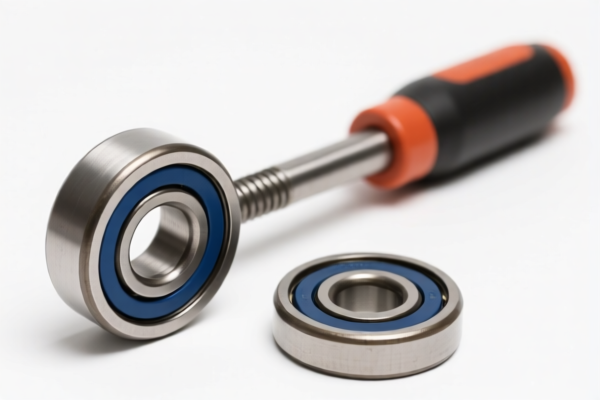
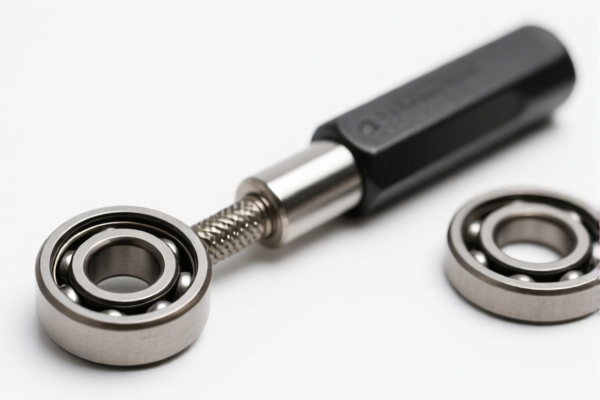
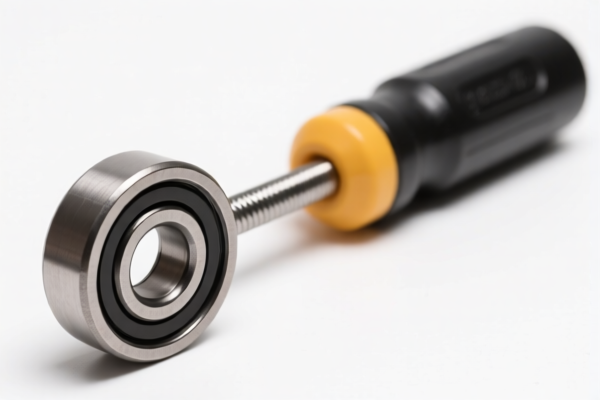
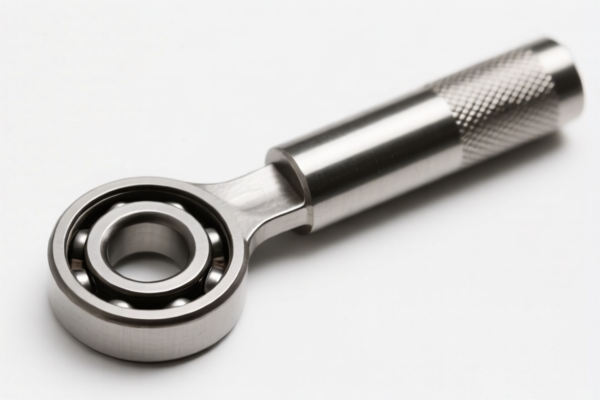
AI Analysis
🚗 Auto Vinyl Wrap Tools (Wrapping Kits & Applicators)
🌐 HS Code Reference & Customs Clearance Guide | 2026 Updated Tariff Analysis | Professional Entry Strategies
📌 I. Product Definition & Classification: What Exactly Are These Tools?
Auto vinyl wrap tools are specialized manual instruments designed to facilitate the application of adhesive films (PVC, PP, TPU) onto vehicle surfaces. In international trade, they are not classified as "parts of vehicles" but rather as hand tools or miscellaneous manufactured articles.
Based on the specific material and mechanical structure, they fall into two primary categories: 1. Hard Plastic Applicators/Squeegees: Non-metallic, flat or curved plastic blades used for smoothing film. 2. Metal/Handle-Based Tools: Tools with handles, often metal or mixed materials, used for trimming, lifting, or stretching film.
⚠️ Key Distinction Point:
- If the tool is primarily plastic (e.g., a simple squeegee card, plastic scraper) → It falls under Chapter 39 (Plastics).
- If the tool has metal components or is classified as a generic hand tool without specific listing → It falls under Chapter 82 (Base Metal Tools) or 85 (Electrical, if heated, though manual is specified here).
📦 II. HS Code Classification Details (2026 Latest Tariff Alignment)
Based on the provided dataset, here are the five most relevant HS Codes for auto vinyl wrap tools, ranked by commonality and tax implication.
| HS Code | Product Description | Summary from Data | Total Tax Rate (China Origin) | Key Tax Components |
|---|---|---|---|---|
| 3926.90.99.89 | Other articles of plastics, not specified elsewhere | Inferred material is mostly plastic; fits "other plastic articles." | 22.8% | Base: 5.3% + Sec 301: 7.5% + Section 122: 10% |
| 3926.90.85.00 | Other plastic articles (sub-category) | Typically plastic; reasonable match for general plastic tool accessories. | 24.0% | Base: 6.5% + Sec 301: 7.5% + Section 122: 10% |
| 8205.90.60.00 | Hand tools, unspecified names; sets/parts | Manual operation tools; accessory/parts logic for tool sets. | Variable + 35% | Base: Variable + Sec 301: 25% + Section 122: 10% |
| 8205.51.75.00 | Other hand tools; household auxiliary tools | Auxiliary manual tool; fallback for other household tools. | 38.7% | Base: 3.7% + Sec 301: 25% + Section 122: 10% |
| 8205.90.60.00 | Accessories/Supports for hand tools | Fits logic for hand tool kits or related tool accessories. | Variable + 35% | Base: Variable + Sec 301: 25% + Section 122: 10% |
🔍 Critical Insight:
- Plastic Squeegees/Scrapers: Best classified under 3926.90.99.89 (22.8% total). This is often the lowest tax burden for simple plastic wrapping tools.
- Metal-Handled Knives/Rollers: Classified under 8205. Note that the Section 301 tariff is 25%, plus a 10% Section 122 tariff, plus base duty. The total effective rate is significantly higher (35%–38.7%).
💰 III. 2026 Detailed Tariff Breakdown (US Market)
✅ Applicable Country: United States (US)
✅ Origin: China (CN)
✅ Effective Time: Current enforcement of Section 301 and Section 122 tariffs.
🎯 1. 3926.90.99.89 — Plastic Wrapping Tools (Squeegees, Scrapers)
| Item | Detail |
|---|---|
| Base Duty Rate | 5.3% |
| Section 301 Additional Duty | +7.5% (List 4A products) |
| Section 122 Additional Duty | +10% (Specific to certain categories or recent updates) |
| Total Effective Rate | 22.8% |
| Calculation Method | CIF Value × 22.8% |
| De Minimis Eligibility | ❌ No (De Minimis typically excludes Section 301/122 goods) |
| Legal Basis Path | HTSUS:3926.90.99.89 → Section 301 (14 U.S.C. 301) → Section 122 |
📌 Explanation:
- This is the most cost-effective classification for plastic-only wrap tools.
- The 7.5% is part of the ongoing US-China trade adjustments.
- The 10% is a separate administrative or statutory addition depending on the specific product list inclusion.
🎯 2. 3926.90.85.00 — Other Plastic Articles
| Item | Detail |
|---|---|
| Base Duty Rate | 6.5% |
| Section 301 Additional Duty | +7.5% |
| Section 122 Additional Duty | +10% |
| Total Effective Rate | 24.0% |
| Calculation Method | CIF Value × 24.0% |
| De Minimis Eligibility | ❌ No |
| Legal Basis Path | HTSUS:3926.90.85.00 → Section 301 → Section 122 |
📌 Note:
- Slightly higher base duty than .89, but still the preferred category for plastic tools over metal ones.
- Use this if the specific plastic article is listed in sub-heading .85 in the current HTSUS edition.
🎯 3. 8205.51.75.00 — Metal/Assorted Hand Tools
| Item | Detail |
|---|---|
| Base Duty Rate | 3.7% |
| Section 301 Additional Duty | +25.0% |
| Section 122 Additional Duty | +10% |
| Total Effective Rate | 38.7% |
| Calculation Method | CIF Value × 38.7% |
| De Minimis Eligibility | ❌ No |
| Legal Basis Path | HTSUS:8205.51.75.00 → Section 301 (25% rate) → Section 122 |
📌 Warning:
- The 25% Section 301 rate is significantly higher than the 7.5% for plastics.
- Avoid this code for plastic tools. Only use if the tool is predominantly metal (e.g., steel roller handles, metal trim knives).
🎯 4. 8205.90.60.00 — Hand Tools & Sets (Unspecified)
| Item | Detail |
|---|---|
| Base Duty Rate | Variable (Often 0-5% depending on specific sub-class) |
| Section 301 Additional Duty | +25.0% |
| Section 122 Additional Duty | +10% |
| Total Effective Rate | ~35.0%+ |
| Calculation Method | CIF Value × (Base + 25% + 10%) |
| De Minimis Eligibility | ❌ No |
| Legal Basis Path | HTSUS:8205.90.60.00 → Section 301 → Section 122 |
📌 Note:
- This code is a "catch-all" for hand tools not specifically listed elsewhere.
- If your product is a "kit" (e.g., squeegee + knife + roller), CBP may view it as a set, applying the tariff of the essential component.
🛠️ IV. Customs Clearance Practical Advice (Best Practices)
✅ 1. Preparation Checklist (Non-Negotiable)
| Document | Required? | Purpose |
|---|---|---|
| Product Photos | ✅ Yes | Must clearly show material (plastic vs. metal) and lack of electrical components (for manual tools). |
| Material Specification | ✅ Yes | Explicitly state: "100% PVC Plastic" or "Aluminum Handle, Plastic Blade." |
| HS Code Justification | ✅ Yes | Brief memo explaining why it’s classified under Ch. 39 (Plastic) vs Ch. 82 (Metal). |
| Commercial Invoice | ✅ Yes | Describe as "Manual Vinyl Wrap Applicator Tools (Plastic)" NOT "Vehicle Parts." |
| Packing List | ✅ Yes | Ensure no mixed kits that complicate classification (e.g., don't mix metal and plastic in one box unless necessary). |
✅ 2. Declaration Strategy (Critical Tips)
🔥 "Plastic is Cheaper, Metal is Heavier on Tax!"
| Scenario | Recommended HS Code | Risk |
|---|---|---|
| Plastic Squeegee/Scraper | 3926.90.99.89 |
Low risk, low tax (22.8%). |
| Plastic Roller Tool | 3926.90.99.89 |
Low risk, low tax (22.8%). |
| Metal Trim Knife/Handle | 8205.51.75.00 |
High risk, high tax (38.7%). |
| Mixed Kit (Plastic + Metal) | 3926.90.99.89 (if plastic is essential) |
High Risk: CBP may determine metal is the essential component → Tax jumps to 38.7%. |
| Electric Heat Gun (if included) | 8516.32.00.00 |
Different Category: Has its own tariff structure (often higher or different exemptions). |
📌 Pro Tip:
If you sell a "Starter Kit" that includes plastic squeegees and a metal razor knife:
- Strategy A: Ship separately (Plastic tools under Ch. 39, Metal knives under Ch. 82).
- Strategy B: Classify the kit as Plastic Tools if the plastic squeegees are considered the "essential character" (value/quantity/function), but be prepared for CBP scrutiny. Separation is safer.
✅ 3. Special Cases
| Case | Handling Advice |
|---|---|
| OEM Branding | Ensure the invoice says "Generic Auto Wrapping Tool" if no brand, or clearly state the brand to avoid "Anti-Dumping" reviews if applicable. |
| "Set" Classification | If packaged together, CBP may apply GRI 3(b) (Essential Character). If the set is 90% plastic tools, argue for Ch. 39. |
| Samples | Even samples are subject to duty if value exceeds de minimis limits for Section 301/122 goods. Do not assume samples are tax-free. |
🌍 V. Global Market Comparison (2026)
| Region | Recommended HS Code | Est. Total Duty (China Origin) | Notes |
|---|---|---|---|
| 🇺🇸 USA | 3926.90.99.89 |
22.8% | Includes Section 301 (7.5%) + Sec 122 (10%). |
| 🇺🇸 USA | 8205.51.75.00 |
38.7% | High tariff due to metal content (25% Sec 301). |
| 🇪🇺 EU | 3926.90.99 |
~3-6.5% | No Section 301. Standard EU duty. |
| 🇨🇳 China | 3926.90.99 |
5.3-6.5% | Import duty only. No retaliatory tariffs. |
| 🇬🇧 UK | 3926.90.99 |
~3-5% | Post-Brexit tariffs, generally lower than US. |
📌 Conclusion:
The USA is the most expensive market due to Section 301 and Section 122 tariffs.
Plastic tools (Ch. 39) are significantly cheaper to import than Metal tools (Ch. 82).
📌 VI. Common Errors & Pitfalls (Learn from Others)
❌ Mistake 1: Classifying plastic squeegees as "Auto Parts" (8708.99).
👉 Result: Wrong classification, potential penalty, and higher duties if misidentified.
✅ Fix: Always use Chapter 39 for plastic hand tools.
❌ Mistake 2: Under-declaring value to avoid Section 301.
👉 Result: Severe penalties, seizure of goods, and loss of import privileges.
✅ Fix: Declare accurate CIF value. The 7.5-10% additional tax is unavoidable for Chinese goods.
❌ Mistake 3: Claiming "De Minimis" for Section 301/122 goods.
👉 Result: CBP will seize packages under $800 if they contain Section 301 goods from China.
✅ Fix: Pay duties upfront or use a duty-paid shipping method.
🎯 VII. Conclusion: Optimize Your Cost & Compliance
🎯 Golden Rule:
🔹 "Plastic Tools = 22.8% Tax (Smart Choice)"
🔹 "Metal Tools = 38.7% Tax (Expensive)"
🔹 "Kit Mixing = High Audit Risk"
📌 Action Plan:
1. Source Plastic-Heavy Tools: Maximize the use of plastic components to stay under Chapter 39.
2. Separate Kits: Ship plastic applicators and metal knives in separate packages if possible.
3. Accurate Description: Use "Manual Plastic Wrapping Tool" on invoices. Avoid vague terms like "Auto Accessory."
4. Pre-Audit: If importing large volumes, consider a CBP Binding Ruling to confirm the HS Code for your specific product mix.
📣 Immediate Next Step:
📞 Review your Bill of Lading: Ensure materials are clearly listed.
📊 Calculate Landed Cost: Include 22.8% (for plastic) or 38.7% (for metal) in your pricing model.
🚀 Stay Compliant: The US Customs and Border Protection is actively enforcing Section 301/122. Do not cut corners.
✨ Precision in Classification, Profit in Practice!
💼 Your margins depend on the right HS Code.
Customer Reviews
About HS Code Classification
The Harmonized System (HS) is an internationally standardized nomenclature developed by the World Customs Organization (WCO) to classify traded products. Over 200 countries use the HS system as the basis for customs tariffs, trade statistics, and import/export regulations.
Each HS code follows a hierarchical structure:
- Chapter (2 digits) — Broad category of goods (e.g., Chapter 84: Machinery and Mechanical Appliances)
- Heading (4 digits) — More specific grouping within the chapter
- Subheading (6 digits) — Internationally standardized breakdown, used by all WCO member countries
- National subdivisions (8-10 digits) — Country-specific extensions for further classification, such as US HTSUS 10-digit codes
Correct HS code classification is essential for smooth customs clearance, accurate duty payment, and compliance with trade regulations. Misclassification can lead to customs delays, overpayment of duties, or penalties.
When importing from CN to US, the applicable tariff rates may include:
- Most-Favored-Nation (MFN) rate — The standard duty rate applied to WTO members
- General rate — Applied to countries without trade agreements
- Trade remedy duties — Additional tariffs such as Section 301 (anti-dumping), Section 232 (national security), or countervailing duties
The information provided on this page is for reference purposes only. For official classification, please consult with your local customs authority or a licensed customs broker.