automotive sealant black
CN → US| HS Code | Tariff Rate | Origin | Destination | Doc |
|---|---|---|---|---|
| 3926904510 | 38.5% | CN | US | Official Doc |
| 3214100020 | 38.7% | CN | US | Official Doc |
| 4016931020 | 37.5% | CN | US | Official Doc |
| 3214100010 | 38.7% | CN | US | Official Doc |
Product Images
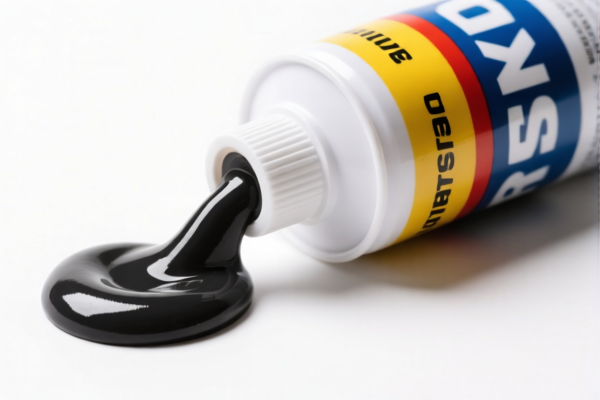
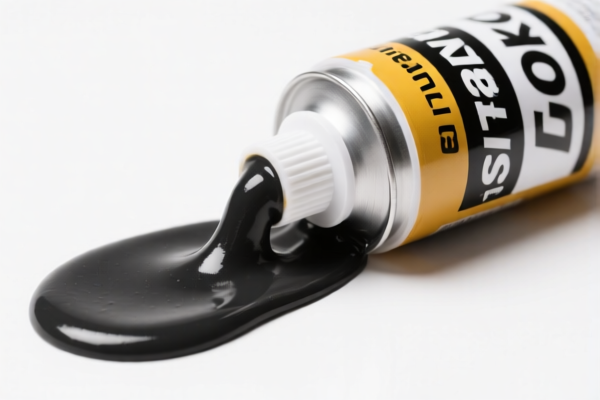
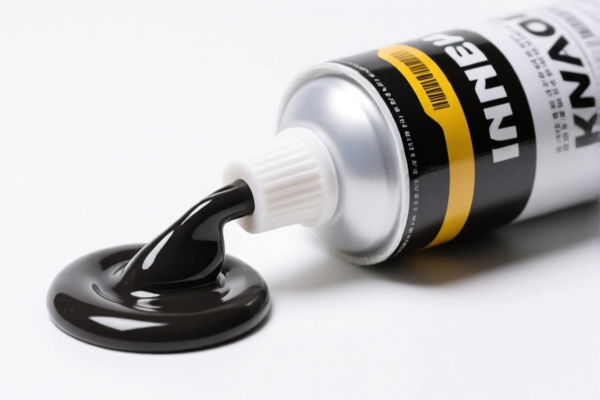

AI Analysis
🚗 Automotive Sealant Black (Automotive Sealant)
🌐 HS Code Reference & Customs Clearance Guide | 2026 Latest Tariff Analysis | Professional Clearance Strategy
📌 Part 1: Product Definition & Classification – Do You Really Understand "Automotive Sealant"?
Automotive sealant is a critical material used in vehicle manufacturing, assembly, and maintenance. It serves three primary functions: sealing, bonding, and vibration damping. In international trade, the classification depends heavily on its physical state (liquid paste vs. solid gasket) and chemical composition (rubber-based vs. synthetic polymer).
For "Black Automotive Sealant," the key distinction is: * Is it a liquid/paste applied during assembly? → Likely classified under Chapter 32 (Prepared binders, sealants, caulking compounds). * Is it a solid pre-formed gasket or strip? → Likely classified under Chapter 39 (Plastics) or Chapter 40 (Rubber).
⚠️ Key Distinction Point:
- If the product is a viscous paste/liquid dispensed from a cartridge or tube → HS Code 3214 (Sealants/Caulking Compounds).
- If the product is a solid gasket/ring (even if made of synthetic material) → HS Code 3926 (Plastic articles) or 4016 (Rubber articles).
📦 Part 2: HS Code Classification Details (2026 Latest Tariff Authoritative Comparison)
Based on the provided data, here are the four possible classifications for "Automotive Sealant Black" and the logic behind each.
| HS Code | Product Description | Application Scenario | Basis for Classification |
|---|---|---|---|
3214.10.00.20 |
Sealants (Mastics), Other | Liquid/Paste Sealant: General purpose black sealant for auto body sealing, window bonding, or gap filling. | Success. Matches "Sealants (Mastics)". Inferred chemical base aligns with "Other" sealants. |
3214.10.00.10 |
Caulking Compounds | Liquid/Paste Sealant: Specifically identified as "Caulking" due to its application in sealing joints. | Success. "Caulking compounds" perfectly matches the use case of "Sealant". "Black" is a visual attribute, not a chemical determinant. |
3926.90.45.10 |
Plastic Articles - Sealing Gaskets | Solid Gasket/Washer: If the "sealant" is actually a pre-formed plastic gasket or strip used for sealing. | Logic: Item is for sealing; material inferred as synthetic plastic/rubber; form fits "Gasket/Sealing Part". |
4016.93.10.20 |
Rubber Articles - Other Sealing Gaskets | Solid Rubber Gasket: If the "sealant" is a vulcanized rubber seal/gasket. | Logic: Auto sealing component; material inferred as vulcanized rubber; fits "Other sealing parts" logic. |
🔍 Critical Reminder:
- Liquid/Paste forms (tubes, cartridges) → Chapter 32 (3214).
- Solid/Pre-formed forms (gaskets, rings) → Chapter 39 (3926) or Chapter 40 (4016).
- Misclassifying a paste as a gasket (or vice versa) is a high-risk error leading to detention.
💰 Part 3: 2026 Latest Tariff Rate Breakdown (Including Surcharges & Policy Add-ons)
✅ Applicable Country: United States (US)
✅ Country of Origin: China (CN)
✅ Effective Date: 2025 Nov 10 onwards (for subsequent imports)
🎯 1. 3214.10.00.20 – Sealants (Mastics), Other
| Item | Details |
|---|---|
| Base Tariff | 3.7% |
| Section 301 Surtax | +25.0% |
| 122 Clause Tariff | +10.0% |
| Total Effective Rate | 38.7% |
| Tax Calculation | CIF Value × 38.7% |
| De Minimis Eligibility | ❌ No (Generally denied for chemical sealants from CN) |
| Legal Basis Path | Base:3214.10.00.20 → 301:25% → 122 Clause:10% |
📌 Explanation:
- This is a liquid/paste sealant.
- The 25% Section 301 tariff applies to most chemical products from China.
- The 10% 122 Clause tariff is an additional surcharge targeting specific industrial inputs.
- Total: 38.7%. This is a high-cost item for importers.
🎯 2. 3214.10.00.10 – Caulking Compounds
| Item | Details |
|---|---|
| Base Tariff | 3.7% |
| Section 301 Surtax | +25.0% |
| 122 Clause Tariff | +10.0% |
| Total Effective Rate | 38.7% |
| Tax Calculation | CIF Value × 38.7% |
| De Minimis Eligibility | ❌ No |
| Legal Basis Path | Base:3214.10.00.10 → 301:25% → 122 Clause:10% |
📌 Note:
- Technically almost identical to3214.10.00.20in terms of tax burden.
- The distinction between "Mastics" and "Caulking compounds" is often semantic in customs declaration if the product is a generic black auto sealant.
- Same 38.7% rate.
🎯 3. 3926.90.45.10 – Plastic Articles (Gaskets/Seals)
| Item | Details |
|---|---|
| Base Tariff | 3.5% |
| Section 301 Surtax | +25.0% |
| 122 Clause Tariff | +10.0% |
| Total Effective Rate | 38.5% |
| Tax Calculation | CIF Value × 38.5% |
| De Minimis Eligibility | ❌ No |
| Legal Basis Path | Base:3926.90.45.10 → 301:25% → 122 Clause:10% |
📌 Warning:
- This code is for solid plastic gaskets/seals, not liquid sealant.
- If you declare a liquid paste as this code, CBP will likely reject it.
- Rate: 38.5% (Slightly cheaper than 3214 due to 0.2% lower base rate, but risk of misclassification is severe).
🎯 4. 4016.93.10.20 – Rubber Articles (Gaskets/Seals)
| Item | Details |
|---|---|
| Base Tariff | 2.5% |
| Section 301 Surtax | +25.0% |
| 122 Clause Tariff | +10.0% |
| Total Effective Rate | 37.5% |
| Tax Calculation | CIF Value × 37.5% |
| De Minimis Eligibility | ❌ No |
| Legal Basis Path | Base:4016.93.10.20 → 301:25% → 122 Clause:10% |
📌 Note:
- This code is for solid rubber gaskets.
- It has the lowest base rate (2.5%) among the four options.
- Rate: 37.5%.
- Crucial: Only use this if the product is a pre-formed rubber seal, NOT a liquid sealant.
🛠️ Part 4: Customs Clearance Practical Advice (Real-World Pitfall Avoidance)
✅ 1. Preparation Checklist (Non-negotiable)
| Document | Required? | Explanation |
|---|---|---|
| ✅ Product Spec Sheet | ✔️ | Must detail: Physical State (Liquid/Solid), Chemical Composition (Silicone, Polyurethane, Rubber?), Curing Time. |
| ✅ Product Photos | ✔️ | Clear images of the packaging (tube, cartridge, box) AND the product itself. Crucial for distinguishing paste vs. solid gasket. |
| ✅ Commercial Invoice | ✔️ | Must accurately describe: "Black Automotive Sealant (Paste)" or "Black Rubber Gasket". |
| ✅ Safety Data Sheet (SDS) | ✔️ | Required for chemical imports. CBP will verify if it’s a hazardous material. |
| ✅ Packing List | ✔️ | Net/Gross weight, dimensions. |
✅ 2. Declaration Strategy (Key Mantras)
🔥 "Liquid is 3214, Solid is 3926/4016. Name it Right or Pay the Price!"
| Scenario | Correct Declaration | Wrong Action |
|---|---|---|
| Tube/Cartridge Paste | 3214.10.00.10 or .20 |
Declare as "Plastic Part" → Smuggling/Misclassification Risk |
| Pre-formed Rubber Ring | 4016.93.10.20 |
Declare as "Sealant" → CBP Questioning |
| Pre-formed Plastic Washer | 3926.90.45.10 |
Declare as "Chemical" → Unnecessary Inspection |
| Mix of Both | Separate Lines | Combined Declaration → Delay/Fines |
✅ 3. Special Handling Tips
| Situation | Advice |
|---|---|
| OEM Custom Sealant | Provide the OEM specification sheet showing it’s for automotive use. |
| Hazardous Content | If the sealant contains solvents, declare as HazMat to avoid port refusal. |
| Origin Marking | Ensure the product packaging is marked "Made in China" to avoid 301/122 clause disputes. |
| Value Declaration | Declare accurately. Low-balling leads to audits and penalty fees (Liquidated Damages). |
🌍 Part 5: Global Market Comparison (2026 Latest)
| Country/Region | Recommended HS Code | Tariff Rate (CN Origin) | Certification | Notes |
|---|---|---|---|---|
| 🇺🇸 USA | 3214.10.00.10/.20 |
38.7% | None specific | High tariff due to 301 + 122 Clause. |
| 🇪🇺 EU | 3214.10.00 |
6.8% (approx) | REACH | No 301/122. Standard MFN rate. |
| 🇨🇳 China | 3214.10.00 |
12% | CCC (if applicable) | Import tax only. |
| 🇲🇽 Mexico | 3214.10.00 |
0% (if USMCA) | NOM | Potential for duty-free if rules of origin met. |
📌 Conclusion:
- USA is the most expensive market for this product due to 38.7% total tariff.
- EU and others are significantly cheaper.
- For US imports, cost planning must include the full 38.7%.
📌 Part 6: Common Mistakes & Pitfall Guide (Lessons Learned)
❌ Mistake 1: Declaring a liquid paste as a plastic part (3926) to hide the chemical nature.
👉 Consequence: CBP detects chemical content via SDS inspection → Seizure + Penalty.
❌ Mistake 2: Using vague descriptions like "Auto Part" or "Glue".
👉 Consequence: CBP assigns highest possible duty or holds shipment for Classification Audit.
❌ Mistake 3: Ignoring the 122 Clause.
👉 Consequence: Underpayment of duties → Interest + Penalties.
✅ Correct Practice:
"Black Automotive Sealant, Polyurethane-based Paste, in Cartridge, For Window Sealing, Made in China"
🎯 Part 7: Conclusion – Professional Declaration Saves Money!
🎯 Remember the Mantras:
🔹 "Paste is Chemical (3214), Solid is Material (39/40)."
🔹 "38.7% is the US Reality for Sealants from China."
🔹 "122 Clause is 10% – Don’t Forget It!"
📌 Pro Tip:
If you are importing large volumes, consider applying for a Binding Tariff Ruling (BTR) from CBP. This provides legal certainty on your HS Code and protects you from future audit penalties.
📣 Immediate Action:
📞 Consult a licensed US Customs Broker.
📄 Provide Product Photos + SDS + Spec Sheet.
🚀 Accurate Classification is your first step to smooth clearance and cost control!
✨ Professional Customs Clearance Starts with Precision!
💼 Every Percent of Tariff Counts – Know Your HS Code!
Customer Reviews
About HS Code Classification
The Harmonized System (HS) is an internationally standardized nomenclature developed by the World Customs Organization (WCO) to classify traded products. Over 200 countries use the HS system as the basis for customs tariffs, trade statistics, and import/export regulations.
Each HS code follows a hierarchical structure:
- Chapter (2 digits) — Broad category of goods (e.g., Chapter 84: Machinery and Mechanical Appliances)
- Heading (4 digits) — More specific grouping within the chapter
- Subheading (6 digits) — Internationally standardized breakdown, used by all WCO member countries
- National subdivisions (8-10 digits) — Country-specific extensions for further classification, such as US HTSUS 10-digit codes
Correct HS code classification is essential for smooth customs clearance, accurate duty payment, and compliance with trade regulations. Misclassification can lead to customs delays, overpayment of duties, or penalties.
When importing from CN to US, the applicable tariff rates may include:
- Most-Favored-Nation (MFN) rate — The standard duty rate applied to WTO members
- General rate — Applied to countries without trade agreements
- Trade remedy duties — Additional tariffs such as Section 301 (anti-dumping), Section 232 (national security), or countervailing duties
The information provided on this page is for reference purposes only. For official classification, please consult with your local customs authority or a licensed customs broker.