baby bottle cap
CN → US| HS Code | Tariff Rate | Origin | Destination | Doc |
|---|---|---|---|---|
| 3924104000 | 13.4% | CN | US | Official Doc |
| 3924900500 | 20.6% | CN | US | Official Doc |
| 7013492090 | 40.0% | CN | US | Official Doc |
| 3923300090 | 38.0% | CN | US | Official Doc |
| 3923300010 | 38.0% | CN | US | Official Doc |
Product Images
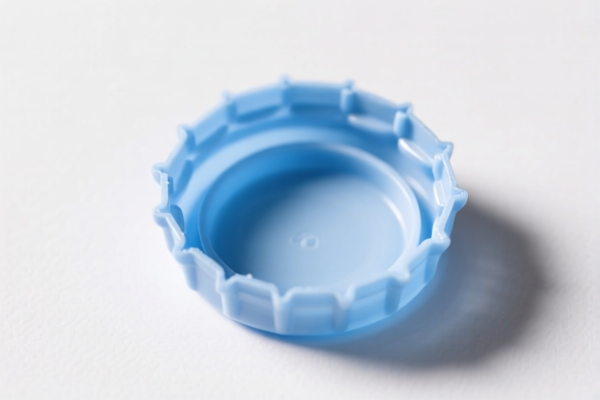
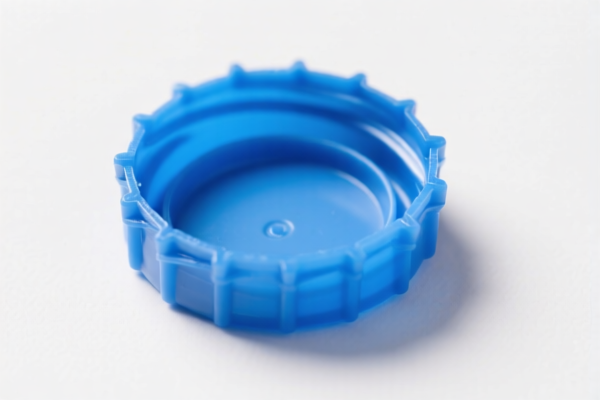
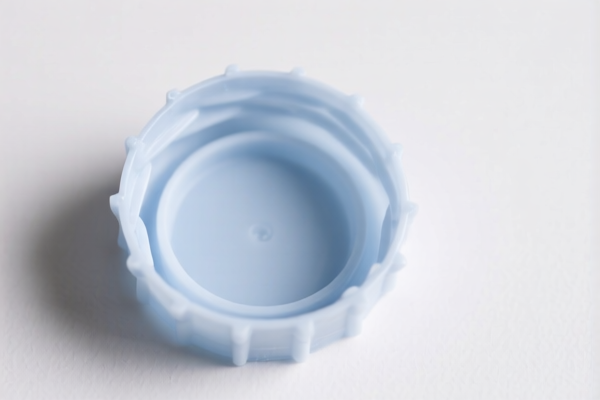
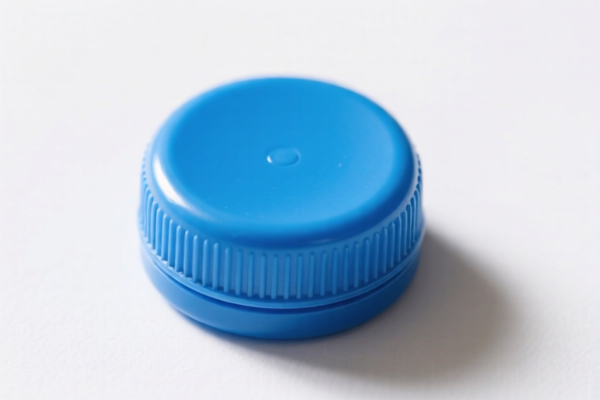
AI Analysis
🍼 Baby Bottle Cap: The Tiny Hero with a Huge Tax Bill
🌐 HS Code Reference & Customs Clearance Guide | 2026 Latest Tariff Analysis | Professional-Level Clearance Strategy
📌 One. Product Definition & Classification: Do You Really Understand "Baby Bottle Cap"?
A Baby Bottle Cap is not just a small plastic piece; in the eyes of customs, it can be classified into three very different categories based on its function, material, and completeness. Misclassification here can lead to a tax rate difference of 27% (from 13.4% to 40%) or even trigger additional penalties.
In international trade, the classification of "Baby Bottle Cap" usually falls into one of these three scenarios:
1. A Complete Accessory for Baby Tableware (Most Common) If the cap is part of a complete baby bottle or tableware set, or if it is clearly designed for use as baby tableware (e.g., sippy cup lids, nursing bottle caps), it falls under Baby Products/Tableware.
⚠️ Key Point: If the item is used for babies and is part of the tableware system, it belongs to Chapter 39.10.
2. A General Plastic Packaging Component If the cap is a general plastic cap used for bottles (e.g., water bottles, juice bottles, or chemical bottles) and not specifically for baby feeding, it may fall under Plastic Packaging/Containers.
⚠️ Key Point: If it's not for babies, but just a bottle cap, it belongs to Chapter 39.23.
3. A Glass/Tableware Component (Rare but Possible) If the cap is made of glass (e.g., a stopper for a glass baby bottle or a decorative lid), it falls under Glass Tableware.
⚠️ Key Point: Material determines the chapter. Glass = Chapter 70.
📦 2. HS Code Classification Details (2026 Latest Tariff Authority Comparison)
| HS Code | Product Description | Application Scenario | Tax Rate (Total) | Key Differentiator |
|---|---|---|---|---|
3924.10.40.00 |
Baby Products/Tableware (Plastic Material) | Complete baby bottles, sippy cups, or caps specifically designed for baby feeding. | 13.4% | ✅ Lowest Risk Specifically for "Baby" use. |
3924.90.05.00 |
Other Plastic Baby Products | Baby products not covered in other subheadings (e.g., specialized caps, parts). | 20.6% | ⚠️ Medium Risk Still "Baby" but not standard tableware. |
3923.30.00.90 |
Plastic Bottles, Jars, etc. | General plastic bottles/caps for packaging (not for baby feeding). | 38.0% | ❌ High Cost Classified as general packaging. |
3923.30.00.10 |
Plastic Packaging (Bottle Type) | General plastic bottle packaging components. | 38.0% | ❌ High Cost Same as above, general packaging. |
7013.49.20.90 |
Glass/Tableware Items | Glass bottle caps or glass tableware components. | 40.0% | 💸 Highest Cost Glass items face high base tariffs. |
🔍 Critical Reminder:
- If it's for Babies: Always prioritize 3924.xxxx. The tax rate is significantly lower (13.4%-20.6%).
- If it's for General Packaging: You will face 38.0%. This is a common trap! Many suppliers misdeclare "Baby Bottle Cap" as "Plastic Cap" to avoid scrutiny, but if customs sees it's for babies, they may reclassify it. However, if it's genuinely for general use, 3923 is correct.
- Material Matters: If it's glass, it's 40.0%. Plastic is much cheaper.
💰 3. 2026 Latest Tariff Rate Details (Including Surtaxes, Policy Surcharges)
✅ Applicable Country: USA (US)
✅ Origin: China (CN)
✅ Effective Date: November 10, 2025 onwards (including subsequent imports)
🎯 1. 3924.10.40.00 —— Baby Tableware (Plastic)
| Item | Content |
|---|---|
| Base Tariff | 3.4% (ad valorem) |
| Section 301 Surcharge | 0.0% (No additional 301 tariff for this specific HS code in some interpretations, but check latest updates. Note: Data says 0.0%) |
| 122 Clause Tariff | 10% (Targeting China) |
| Total Tax Rate | 13.4% |
| Tax Calculation | CIF Value × 13.4% |
| De Minimis Eligibility | ❌ No (Generally, items with Section 301/122 tariffs are not eligible for de minimis exemption if declared as such, but please verify specific CBP rulings) |
| Legal Basis Path | HTSUS:3924.10.40.00 → 122 Clause: 10% |
📌 Explanation:
- This is the most favorable code for baby bottle caps.
- Base Tariff: 3.4%
- 122 Clause: 10% (Specific anti-dumping/countervailing or policy surcharge)
- Total: 13.4%
- Why is it low? Because it's classified as "Baby Products," which often enjoys lower base tariffs, but still subject to the 10% 122 clause.
🎯 2. 3924.90.05.00 —— Other Plastic Baby Products
| Item | Content |
|---|---|
| Base Tariff | 3.1% |
| Section 301 Surcharge | 7.5% |
| 122 Clause Tariff | 10% |
| Total Tax Rate | 20.6% |
| Tax Calculation | CIF Value × 20.6% |
| De Minimis Eligibility | ❌ No |
| Legal Basis Path | HTSUS:3924.90.05.00 → Section 301: 7.5% → 122 Clause: 10% |
📌 Note:
- This code is for baby products that are not standard tableware (e.g., specialized caps, parts).
- The tax is 7.2% higher than3924.10.40.00.
- Action: If your product can be clearly defined as "Tableware" (even if it's just the cap), try to use3924.10.40.00.
🎯 3. 3923.30.00.90 / 3923.30.00.10 —— General Plastic Packaging (Bottles)
| Item | Content |
|---|---|
| Base Tariff | 3.0% |
| Section 301 Surcharge | 25.0% |
| 122 Clause Tariff | 10% |
| Total Tax Rate | 38.0% |
| Tax Calculation | CIF Value × 38.0% |
| De Minimis Eligibility | ❌ No |
| Legal Basis Path | HTSUS:3923.30.00 → Section 301: 25% → 122 Clause: 10% |
📌 Warning:
- If you misdeclare a baby bottle cap as a "general plastic cap," you might pay 38.0%.
- However, if you genuinely use it for general packaging (not babies), this is the correct code.
- Risk: Customs may investigate if the product is marketed as "Baby." If so, they may reclassify it to 3924, but you might still pay penalties for incorrect initial declaration.
- Tip: If it's for babies, do not use this code. It's too expensive and risky.
🎯 4. 7013.49.20.90 —— Glass Tableware
| Item | Content |
|---|---|
| Base Tariff | 22.5% |
| Section 301 Surcharge | 7.5% |
| 122 Clause Tariff | 10% |
| Total Tax Rate | 40.0% |
| Tax Calculation | CIF Value × 40.0% |
| De Minimis Eligibility | ❌ No |
| Legal Basis Path | HTSUS:7013.49.20.90 → Section 301: 7.5% → 122 Clause: 10% |
📌 Note:
- Glass items have a high base tariff (22.5%).
- Only use this if the cap is made of glass. Plastic is much cheaper.
🛠️ 4. Practical Customs Clearance Advice (Battlefield Pit-Avoidance Guide)
✅ 1. Documentation Checklist (All Required)
| Document | Required | Description |
|---|---|---|
| ✅ Product Specification | ✔️ | Material (Plastic/Glass), Intended Use (Baby/General), Dimensions |
| ✅ Product Photos | ✔️ | Clear images showing the cap, including any baby-related markings (e.g., "BPA Free," "For Babies") |
| ✅ Commercial Invoice | ✔️ | Clearly state "Baby Bottle Cap" or "Plastic Cap for Baby Bottle" |
| ✅ Proof of Intended Use | ✔️ | If claiming 3924.10.40.00, provide marketing materials showing it's for babies |
| ✅ Packaging List | ✔️ | Specify if caps are sold separately or with bottles |
✅ 2. Declaration Tips (Key Mantra)
🔥 “For Babies? Use 3924! General Use? Use 3923! Glass? Use 7013!”
| Scenario | Correct Declaration | Wrong Declaration | Consequence |
|---|---|---|---|
| Baby Bottle Cap (Plastic) | 3924.10.40.00 (Baby Tableware) |
3923.30.00.90 (General Packaging) |
❌ Overpaying tax (13.4% vs 38.0%) |
| General Plastic Cap | 3923.30.00.90 (General Packaging) |
3924.10.40.00 (Baby Tableware) |
❌ Risk of penalty for false declaration |
| Glass Bottle Stopper | 7013.49.20.90 (Glass Tableware) |
3924.10.40.00 |
❌ Wrong HS Code, high penalty risk |
📌 Note:
- If it's for Babies: Always use 3924.xxxx. The tax is lower, and it's more accurate.
- If it's for General Use: Use 3923.xxxx. Do not claim it's for babies if it's not.
- Material Check: If it's glass, it's 7013.
✅ 3. Special Cases
| Scenario | Handling Advice |
|---|---|
| OEM Baby Bottle Caps | Provide the customer's design drawings and marketing materials to prove it's for babies. |
| Mixed Packaging (Bottles + Caps) | Declare the entire set under the most specific code (likely 3924.10.40.00 for baby bottles). |
| Caps with Silicone Rings | If the silicone ring is integral to the cap's function as a baby bottle seal, it's still part of the 3924.10.40.00 classification. |
| Non-Baby Plastic Caps | Use 3923.30.00.90. Be prepared for a 38.0% tax rate. |
🌍 5. Global Market Customs Comparison (2026 Latest)
| Country/Region | Recommended HS Code | Tariff | Certification Requirements | Notes |
|---|---|---|---|---|
| 🇺🇸 USA | 3924.10.40.00 |
13.4% (Baby) | FDA Compliance, BPA-Free Cert | High scrutiny on "Baby" claims |
| 🇨🇳 China | 3924.10.40.00 |
~5-10% | CCC (if applicable) | Lower base tariffs |
| 🇪🇺 EU | 3924.10.40.00 |
~6-10% | CE, REACH, LFGB | Strict chemical safety standards |
| 🇦🇺 Australia | 3924.10.40.00 |
~5% | SAA Mark | Moderate tariffs |
| 🇯🇵 Japan | 3924.10.40.00 |
~0-5% | JIS, PSE | Low tariffs, strict quality control |
📌 Conclusion:
- USA: The 13.4% rate for baby products is competitive compared to 38.0% for general packaging.
- EU/China: Tariffs are generally lower, but certification requirements are strict.
- Key Takeaway: For the US market, accurately declaring "Baby" status is crucial to saving 24.6% in taxes.
📌 6. Common Errors & Pitfall Avoidance Guide (Blood and Tears Lessons)
❌ Error 1: Declaring "Baby Bottle Cap" as "Plastic Cap" (General Packaging)
👉 Consequence: You pay 38.0% instead of 13.4%. You lose 24.6% in taxes!
❌ Error 2: Declaring "General Plastic Cap" as "Baby Bottle Cap"
👉 Consequence: Customs may reject the declaration for false information, leading to delays, fines, or confiscation.
❌ Error 3: Not providing Proof of Intended Use
👉 Consequence: Customs cannot verify if it's for babies. They may default to the higher tax rate or demand additional documentation.
❌ Error 4: Using "Glass" for plastic caps
👉 Consequence: Wrong material classification, leading to 40.0% tax rate and potential penalties.
✅ Correct Practice:
"Baby Bottle Cap, Plastic, BPA-Free, 2.5cm Diameter, For Use with Baby Bottles, Model XYZ, FDA Compliant"
🎯 7. Conclusion: Professional Declaration, Save Time, Save Money!
🎯 Remember the Mantra:
🔹 "For Babies? Use 3924! Save 24%! For General? Use 3923! Pay 38%! For Glass? Use 7013! Pay 40%!"
🔹 "HS Code Determines Life, Tax Rate Differs by 25 Points, One Step Wrong, Thousands in Taxes!"
📌 Tips:
- If your baby bottle caps are originating from Vietnam, Mexico, Thailand, Malaysia, you may be eligible for IEEPA exemptions or lower tariffs.
- Apply for Advance Ruling if your product is on the borderline between "Baby Tableware" and "General Packaging."
- Always keep marketing materials that show the product is intended for babies to support your declaration.
📣 Act Now:
📞 Contact a Professional Customs Broker + Provide Product Photos + Apply for HS Code Advance Ruling
🚀 Let Your Baby Bottle Caps Clear Customs Smoothly, Export Efficiently, and Double Your Profits!
✨ Professional Customs Clearance Starts with Accurate Classification!
💼 Every Penny of Your Cost Deserves to Be Precisely Calculated!
Customer Reviews
About HS Code Classification
The Harmonized System (HS) is an internationally standardized nomenclature developed by the World Customs Organization (WCO) to classify traded products. Over 200 countries use the HS system as the basis for customs tariffs, trade statistics, and import/export regulations.
Each HS code follows a hierarchical structure:
- Chapter (2 digits) — Broad category of goods (e.g., Chapter 84: Machinery and Mechanical Appliances)
- Heading (4 digits) — More specific grouping within the chapter
- Subheading (6 digits) — Internationally standardized breakdown, used by all WCO member countries
- National subdivisions (8-10 digits) — Country-specific extensions for further classification, such as US HTSUS 10-digit codes
Correct HS code classification is essential for smooth customs clearance, accurate duty payment, and compliance with trade regulations. Misclassification can lead to customs delays, overpayment of duties, or penalties.
When importing from CN to US, the applicable tariff rates may include:
- Most-Favored-Nation (MFN) rate — The standard duty rate applied to WTO members
- General rate — Applied to countries without trade agreements
- Trade remedy duties — Additional tariffs such as Section 301 (anti-dumping), Section 232 (national security), or countervailing duties
The information provided on this page is for reference purposes only. For official classification, please consult with your local customs authority or a licensed customs broker.