baby bottle drying rack
CN → US| HS Code | Tariff Rate | Origin | Destination | Doc |
|---|---|---|---|---|
| 7323999080 | 88.4% | CN | US | Official Doc |
| 7323999030 | 88.4% | CN | US | Official Doc |
| 3924905650 | 20.9% | CN | US | Official Doc |
| 7615109100 | 70.6% | CN | US | Official Doc |
| 3924104000 | 13.4% | CN | US | Official Doc |
Product Images
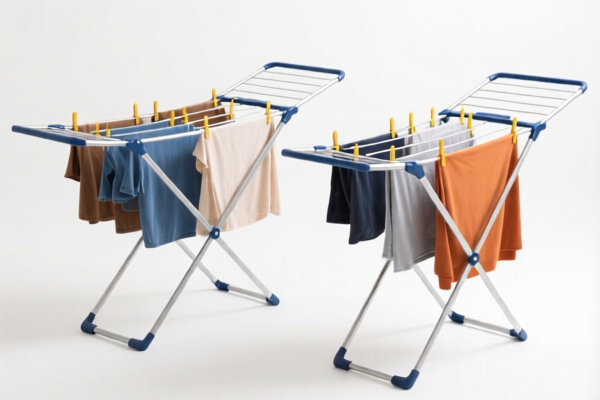
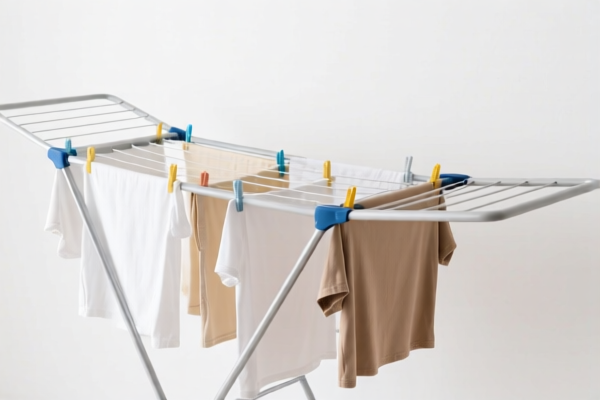
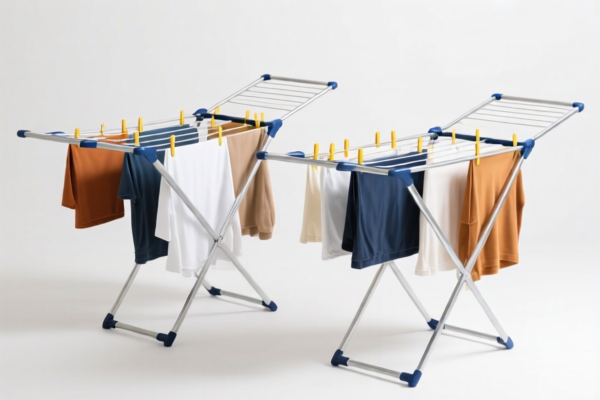
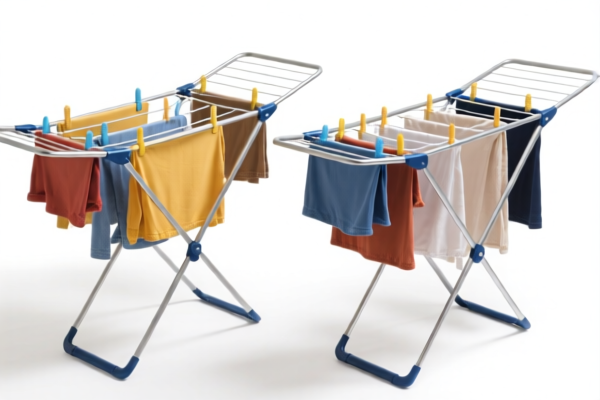
AI Analysis
🍼 Baby Bottle Drying Rack (Kitchen & Home Utility Items)
🌐 HS Code Reference & Customs Clearance Guide | 2026 Latest Tariff Analysis | Strategic Compliance Strategy
📌 I. Product Definition & Classification: What Exactly Is a "Baby Bottle Drying Rack"?
A Baby Bottle Drying Rack is a specialized storage and drying solution for infant feeding accessories. In international trade, its classification hinges primarily on material composition and functional intent. It is generally categorized under household or kitchen utensils, but the specific HS Code varies significantly based on whether it is made of metal (steel/iron), plastic, or aluminum.
Key Material Distinctions: * Metal (Iron/Steel): Classified under Chapter 73 (Articles of Iron or Steel). * Plastic: Classified under Chapter 39 (Plastics and Articles Thereof). * Aluminum: Classified under Chapter 76 (Aluminum and Articles Thereof).
⚠️ Critical Classification Point:
- If made of Iron/Steel: Look to HS 7323.99. High tariffs due to Section 301 and Section 232/122 measures.
- If made of Plastic: Look to HS 3924.90 or 3924.10. Variable tariffs depending on specific plastic article sub-categories.
- If made of Aluminum: Look to HS 7615.10. High tariffs due to Section 232/122 measures.
📦 II. HS Code Classification Details (2026 Latest Tariff Authority Comparison)
| HS Code | Product Description | Material Inference | Total Tax Rate |
|---|---|---|---|
7323.99.90.80 |
Other articles of table, kitchen or other household utensils of iron or steel | Iron/Steel | 88.4% |
7323.99.90.30 |
Other articles of table, kitchen or other household utensils of iron or steel | Iron/Steel | 88.4% |
3924.90.56.50 |
Other household articles of plastics, kitchen or tableware | Plastic | 20.9% |
7615.10.91.00 |
Table, kitchen or other household articles of aluminum | Aluminum | 70.6% |
3924.10.40.00 |
Tableware and kitchenware of plastics | Plastic | 13.4% |
🔍 Key Insight:
- Metal Racks (Steel): Face the highest burden (~88.4%) due to combined base tariffs and multiple trade remedies.
- Aluminum Racks: Face a significant burden (~70.6%) primarily due to aluminum-specific trade duties.
- Plastic Racks: Offer the most favorable tax structure (13.4% – 20.9%), depending on whether they are classified broadly as "household articles" or specifically as "tableware/kitchenware."
💰 III. 2026 Latest Tariff Rate Breakdown (Including Additional Duties & Policy Surcharges)
✅ Applicable Country: United States (US)
✅ Origin: China (CN)
✅ Effective Time: 2025–2026 (Current Trade Policy)
🎯 1. 7323.99.90.80 & 7323.99.90.30 —— Iron/Steel Household Articles
| Item | Content |
|---|---|
| Base Duty | 3.4% |
| Section 301 Additional Duty | +25.0% |
| Section 122 / 232 Related Surcharge | +50.0% (Specific to Steel/Aluminum/Copper articles under certain clauses) |
| Total Effective Rate | 88.4% |
| Tax Calculation | CIF Value × 88.4% |
| De Minimis Eligibility | ❌ Not Eligible (High risk of seizure or forced liquidation at low-value thresholds due to high duty rates) |
| Legal Basis Path | Section 301: 9903.88.01 → Section 232/122 Steel Surcharge → USITC: 7323.99.90 |
📌 Explanation:
- The 25% is the standard Section 301 tariff on Chinese steel goods.
- The 50% is the critical multiplier for steel articles under recent trade enforcement measures (often linked to Section 232 national security concerns or specific Section 122 provisions).
- Total 88.4% makes steel drying racks extremely expensive for US importers. Price competitiveness is severely damaged.
🎯 2. 7615.10.91.00 —— Aluminum Household Articles
| Item | Content |
|---|---|
| Base Duty | 3.1% |
| Section 301 Additional Duty | +7.5% |
| Section 122 / 232 Related Surcharge | +50.0% (Specific to Steel/Aluminum/Copper articles) |
| Total Effective Rate | 70.6% |
| Tax Calculation | CIF Value × 70.6% |
| De Minimis Eligibility | ❌ Not Eligible |
| Legal Basis Path | Section 301: 9903.88.01 → Section 232 Aluminum Surcharge → USITC: 7615.10.91 |
📌 Explanation:
- Aluminum is also subject to significant trade remedy duties.
- The 50% surcharge applies specifically to aluminum products under certain enforcement clauses.
- While slightly lower than steel, 70.6% remains a prohibitive tax barrier for cost-sensitive baby products.
🎯 3. 3924.90.56.50 —— Plastic Household Articles (General)
| Item | Content |
|---|---|
| Base Duty | 3.4% |
| Section 301 Additional Duty | +7.5% |
| Section 122 Surcharge | +10.0% |
| Total Effective Rate | 20.9% |
| Tax Calculation | CIF Value × 20.9% |
| De Minimis Eligibility | ⚠️ Check Thresholds (Subject to de minimis rules if under $800, but high duty rate may trigger scrutiny) |
| Legal Basis Path | Section 301: 9903.88.01 → Section 122: 10% → USITC: 3924.90.56 |
📌 Explanation:
- Plastic articles are not subject to the heavy Section 232 steel/aluminum surcharges.
- The 10% Section 122 duty applies to certain plastic goods.
- 20.9% is a moderate burden, making plastic racks a more viable import option compared to metal.
🎯 4. 3924.10.40.00 —— Plastic Tableware & Kitchenware
| Item | Content |
|---|---|
| Base Duty | 3.4% |
| Section 301 Additional Duty | 0.0% |
| Section 122 Surcharge | +10.0% |
| Total Effective Rate | 13.4% |
| Tax Calculation | CIF Value × 13.4% |
| De Minimis Eligibility | ✅ Potentially Eligible (Subject to current $800 de minimis rules, but verify latest enforcement) |
| Legal Basis Path | Section 122: 10% → USITC: 3924.10.40 |
📌 Explanation:
- Lowest Tax Burden: Only 13.4%.
- No Section 301 Duty: This specific sub-category (likely falling under "tableware/kitchenware" exclusions or lower-rated tiers) enjoys a 0% Section 301 rate.
- Strategic Advantage: For importers, shifting supply chain to plastic racks classified under this code can save ~75% in tariffs compared to steel.
🛠️ IV. Customs Clearance Practical Advice (Battle-Tested Pitfall Guide)
✅ 1. Preparation Checklist (Non-Negotiable)
| Document | Required? | Notes |
|---|---|---|
| ✅ Product Specification Sheet | ✔️ | Must clearly state material (e.g., "100% PP Plastic" vs "Stainless Steel"). |
| ✅ Material Composition Statement | ✔️ | Critical for HS Code determination. Mixed materials? Declare the principal component. |
| ✅ Product Photos (Clear & Detailed) | ✔️ | Show structure, logo, and any "Made in China" labels. |
| ✅ Commercial Invoice | ✔️ | Describe as "Baby Bottle Drying Rack," not just "Plastic Rack." |
| ✅ Packing List | ✔️ | Ensure weight and dimensions match invoice. |
✅ 2. Declaration Strategy (Key Mantras)
🔥 "Material Defines Code, Code Defines Cost! Never Guess the HS!"
| Scenario | Correct Declaration | Wrong Action |
|---|---|---|
| Steel Rack | 7323.99.90.80/30 + Disclose Steel Content |
Misdeclare as Plastic → Risk of fraud penalties + back taxes + 88.4% liability |
| Plastic Rack | 3924.10.40.00 (if tableware-like) or 3924.90.56.50 |
Generic "Household Item" → Delays in clearance |
| Aluminum Rack | 7615.10.91.00 |
Misdeclare as Steel → Incorrect duty calculation |
| Mixed Material | Declare principal material (e.g., "Plastic with Metal Hooks") | Vague description "Multi-material Rack" → Customs will likely select highest duty code |
✅ 3. Special Situations Handling
| Situation | Handling Advice |
|---|---|
| Bamboo/Wood Parts | If >50% value is wood, HS may shift to Chapter 44. Check rules of origin. |
| OEM Branding | Provide authorization letter. Avoid "generic" claims that trigger higher scrutiny. |
| Small Business (De Minimis) | For shipments < $800, ensure HS Code is accurate. High-duty items (Steel/Alu) may still be seized or required to pay duty immediately despite de minimis waiver exceptions for certain categories. |
| Plastic vs. Silicone | Silicone is often classified under Chapter 40. Verify if your "plastic" rack is actually silicone, which may have different rates. |
🌍 V. Global Market Comparison (2026 Latest)
| Market | Recommended HS Code | Tariff Rate (China Origin) | Notes |
|---|---|---|---|
| 🇺🇸 USA | 3924.10.40.00 |
13.4% | Best for Plastic. Steel/Alu face 70-88%. |
| 🇨🇳 China | 3924.10.40.00 |
~5-8% | Low entry barrier. |
| 🇪🇺 EU | 3924.10.40.00 |
4.2% | No Section 301 equivalents. |
| 🇬🇧 UK | 3924.10.40.00 |
4.2% | Post-Brexit tariffs align closely with EU. |
| 🇨🇦 Canada | 3924.10.40.00 |
0% (Under CUSMA if Canadian/US origin) | High duty for non-originating goods. |
📌 Conclusion:
- USA is the most hostile market for Metal/Aluminum drying racks due to overlapping trade remedies.
- Plastic racks are the only cost-effective option for US importers from China in 2026.
- Consider supply chain diversification (Vietnam/Mexico) for metal racks to avoid Section 301/232 duties.
📌 VI. Common Mistakes & Pitfalls (Blood & Tears Lessons)
❌ Mistake 1: Declaring a Steel Rack as "Plastic" to avoid duties.
👉 Consequence: Customs inspection reveals metal content → 100% tax refund demand + fines + potential fraud investigation.
❌ Mistake 2: Ignoring the "Aluminum" surcharge.
👉 Consequence: Importer pays 3.1% base duty, then gets hit with a $50,000 bill for the 50% surcharge on a container load.
❌ Mistake 3: Using vague descriptions like "Kitchen Organizer."
👉 Consequence: Customs assigns a default HS Code with the highest possible duty (often the steel category by error).
✅ Correct Practice:
"Plastic Baby Bottle Drying Rack, Food Grade PP, No Metal Components, Model XYZ, For Household Use"
🎯 VII. Conclusion: Smart Classification, Maximize Profit!
🎯 Remember the Mantra:
🔹 "Steel & Aluminum = 70-88% Tax (Avoid!)”
🔹 "Plastic = 13-21% Tax (Go For It!)"
🔹 "HS Code is Not Just a Number, It's Your Bottom Line!"
📌 Pro Tip:
If you must import Steel or Aluminum racks, consider:
1. Supply Chain Shift: Source from Vietnam, India, or Mexico (check preferential rates).
2. Pre-Ruling: Apply for a Binding Ruling from CBP to confirm HS Code and duty rate before shipping.
3. Material Optimization: Redesign product to use Plastic or Bamboo components to drop into Chapter 39 or 44.
📣 Immediate Action Required:
📞 Consult a Licensed Customs Broker
📄 Provide Material Specs & Photos
🚀 Optimize HS Code to Save Up to 75% in Duties!
✨ Precise Classification Starts Here!
💼 Your Profit Margin Depends on Your HS Code!
Customer Reviews
About HS Code Classification
The Harmonized System (HS) is an internationally standardized nomenclature developed by the World Customs Organization (WCO) to classify traded products. Over 200 countries use the HS system as the basis for customs tariffs, trade statistics, and import/export regulations.
Each HS code follows a hierarchical structure:
- Chapter (2 digits) — Broad category of goods (e.g., Chapter 84: Machinery and Mechanical Appliances)
- Heading (4 digits) — More specific grouping within the chapter
- Subheading (6 digits) — Internationally standardized breakdown, used by all WCO member countries
- National subdivisions (8-10 digits) — Country-specific extensions for further classification, such as US HTSUS 10-digit codes
Correct HS code classification is essential for smooth customs clearance, accurate duty payment, and compliance with trade regulations. Misclassification can lead to customs delays, overpayment of duties, or penalties.
When importing from CN to US, the applicable tariff rates may include:
- Most-Favored-Nation (MFN) rate — The standard duty rate applied to WTO members
- General rate — Applied to countries without trade agreements
- Trade remedy duties — Additional tariffs such as Section 301 (anti-dumping), Section 232 (national security), or countervailing duties
The information provided on this page is for reference purposes only. For official classification, please consult with your local customs authority or a licensed customs broker.