baby bottle warmer
CN → US| HS Code | Tariff Rate | Origin | Destination | Doc |
|---|---|---|---|---|
| 8516908500 | 38.9% | CN | US | Official Doc |
| 8516909000 | 38.9% | CN | US | Official Doc |
| 8419815080 | 17.5% | CN | US | Official Doc |
| 3924900500 | 20.6% | CN | US | Official Doc |
| 3924104000 | 13.4% | CN | US | Official Doc |
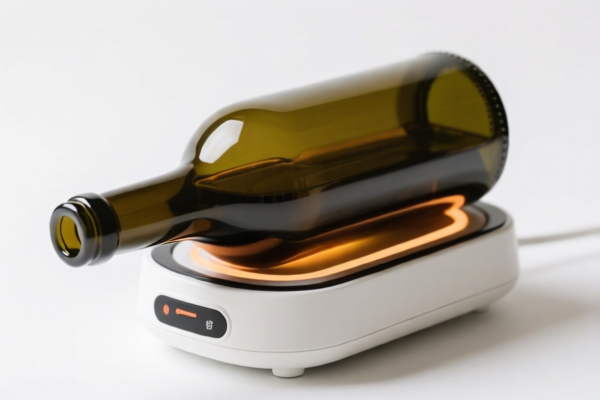
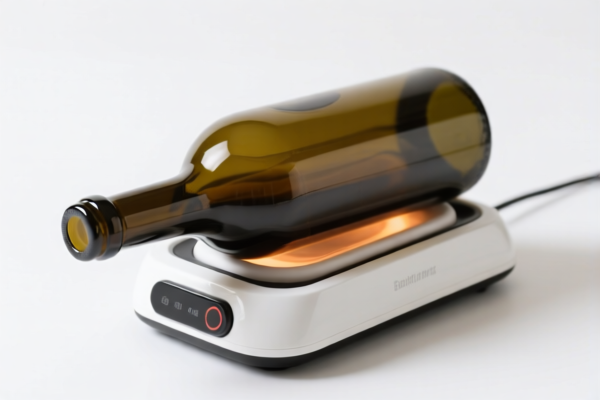
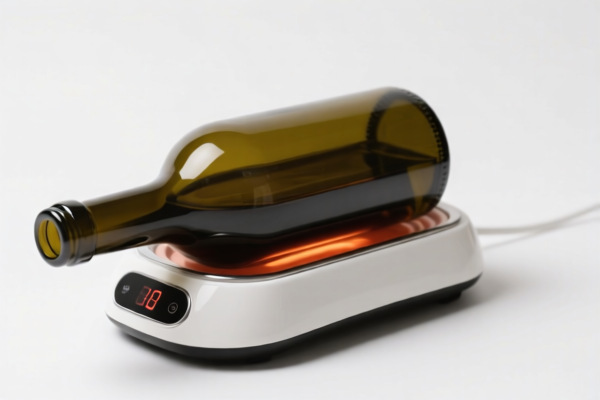
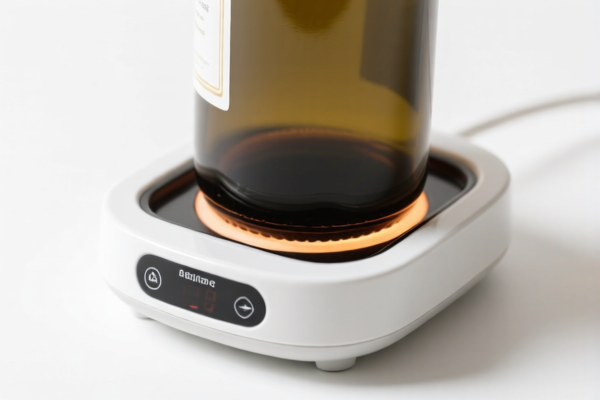
Product Images
AI Analysis
🍼 Baby Bottle Warmer – Comprehensive HS Code & Tariff Guide (2026 Update)
🌐 HS Code Classification & Customs Clearance Strategy | 2026 Tariff Breakdown | Expert-Level Compliance Tips
📌 One Product, Multiple Classifications – Know Which One Applies to You!
The Baby Bottle Warmer is a modern essential for parents, designed to safely and efficiently warm milk or formula. However, in international trade, its classification depends on design, function, and internal components — not just the name.
⚠️ Critical Insight:
- If it heats liquid via electric heating elements, it’s classified as an electric heating appliance → higher tariffs.
- If it’s a plastic container with no internal heating, it’s not a warmer → different rules apply.
- Misclassification = 38.9% vs. 13.4% tariffs → a 25% difference in cost!
📦 1. HS Code Classification Breakdown (2026 Official Tariff Data)
| HS Code | Product Description | Functional Basis | Key Clue |
|---|---|---|---|
8516.90.85.00 |
Other electric heating appliances, not elsewhere specified | Heats liquids using electricity (like water heater, space heater) | Contains heating element |
8516.90.90.00 |
Other electric heating appliances, for heating liquids | Same as above – specifically for heating liquids | Used to warm milk/formula |
8419.81.50.80 |
Other appliances for heating or cooking food/liquid | General-purpose heating device for food/liquids | Can be used for warming baby bottles |
3924.90.05.00 |
Other plastic articles for infants or toddlers | Plastic baby products not elsewhere specified | No heating function |
3924.10.40.00 |
Plastic tableware, kitchenware, or household articles | Plastic utensils, containers, or cookware | Plastic bottle, no electronics |
🔍 Key Determinant:
- Does it have a heating element, power supply, or control circuit?
→ YES → HS Code 8516.90.85.00 / 8516.90.90.00
→ NO → HS Code 3924.90.05.00 / 3924.10.40.00
💰 2. 2026 Tariff Analysis (U.S. Market | China Origin | Effective Nov 10, 2025)
✅ Applicable to: United States (US)
✅ Origin: China (CN)
✅ Effective Date: November 10, 2025 (inclusive)
🎯 1. 8516.90.85.00 & 8516.90.90.00 – Electric Heating Appliances (With Heating Element)
| Tax Component | Amount | Legal Basis | Notes |
|---|---|---|---|
| Base Tariff | 3.9% | U.S. Harmonized Tariff Schedule (HTSUS) | Standard rate for electric heaters |
| Section 301 (USITC) Tariff | +25.0% | Trade Act of 1974, Section 301 | Applies to Chinese-origin goods |
| Section 122 (IEEPA) Tariff | +10.0% | International Emergency Economic Powers Act | Applies to goods from China/HK |
| Total Effective Tariff | 38.9% | Sum of all three | Highest possible rate |
📌 Legal Pathway:
IEEPA:9903.01.25→IEEPA:9903.01.24→USITC:8516.90.85.00→FOOTNOTE:9903.88.01✅ Taxable Value: CIF (Cost + Insurance + Freight) × 38.9%
❌ No de minimis exemption – even $100 shipment triggers full 38.9%
🔥 High-Risk Category – U.S. CBP often audits these items
🎯 2. 8419.81.50.80 – Appliances for Heating/Cooking Food/Liquid
| Tax Component | Amount | Legal Basis | Notes |
|---|---|---|---|
| Base Tariff | 0.0% | HTSUS 8419.81.50.80 | Zero duty for this subheading |
| Section 301 (USITC) Tariff | +7.5% | USITC Footnote 9903.88.01 | Applies to Chinese-origin goods |
| Section 122 (IEEPA) Tariff | +10.0% | IEEPA:9903.01.24 | Applies to China/HK origin |
| Total Effective Tariff | 17.5% | Sum of two | Significantly lower than 38.9% |
📌 Legal Pathway:
IEEPA:9903.01.24→USITC:8419.81.50.80→FOOTNOTE:9903.88.01✅ Taxable Value: CIF × 17.5%
❌ No de minimis exemption – still applies
✅ Best for devices with heating function but not standalone heaters
🎯 3. 3924.90.05.00 – Plastic Articles for Infants/Toddlers
| Tax Component | Amount | Legal Basis | Notes |
|---|---|---|---|
| Base Tariff | 3.1% | HTSUS 3924.90.05.00 | Standard for plastic baby items |
| Section 301 (USITC) Tariff | +7.5% | USITC Footnote 9903.88.01 | Applies to China-origin goods |
| Section 122 (IEEPA) Tariff | +10.0% | IEEPA:9903.01.24 | Applies to China/HK origin |
| Total Effective Tariff | 20.6% | Sum of all three | For non-electric plastic bottles |
📌 Legal Pathway:
IEEPA:9903.01.24→USITC:3924.90.05.00→FOOTNOTE:9903.88.01✅ Taxable Value: CIF × 20.6%
❌ No de minimis exemption
✅ For plastic bottles without heating function
🎯 4. 3924.10.40.00 – Plastic Tableware/Kitchenware
| Tax Component | Amount | Legal Basis | Notes |
|---|---|---|---|
| Base Tariff | 3.4% | HTSUS 3924.10.40.00 | Standard for plastic kitchenware |
| Section 301 (USITC) Tariff | +0.0% | No 301 tariff | Not subject to USITC 301 |
| Section 122 (IEEPA) Tariff | +10.0% | IEEPA:9903.01.24 | Applies to China/HK origin |
| Total Effective Tariff | 13.4% | Sum of two | Lowest among all options |
📌 Legal Pathway:
IEEPA:9903.01.24→HTSUS:3924.10.40.00✅ Taxable Value: CIF × 13.4%
❌ No de minimis exemption
✅ Best for plastic baby bottles without electronics
🛠️ 3. Customs Clearance Best Practices (Pro Tips to Avoid Penalties)
✅ 1. Critical Documentation (Must-Have)
| Document | Required? | Why It Matters |
|---|---|---|
| ✅ Product Specification Sheet | ✔️ | Shows heating element, power input, voltage |
| ✅ Circuit Diagram / Internal Photo | ✔️ | Proves presence/absence of heating coil |
| ✅ Product Photos (Front, Back, Bottom, Label) | ✔️ | Helps CBP verify function |
| ✅ Commercial Invoice | ✔️ | Must state "Baby Bottle Warmer" or "Plastic Baby Bottle" |
| ✅ Certificate of Origin (CO) | ✔️ | Needed for tariff eligibility |
| ✅ Test Reports (FCC, CE, RoHS, UL) | ✔️ | Especially for electronic models |
| ✅ Packing List | ✔️ | Shows if warmer and bottle are shipped together |
✅ 2.申报技巧(Key Rules to Remember)
🔥 "No Heating = No 38.9%!"
- If it only holds warm water (like a thermal bottle), not a warmer, use 3924.10.40.00 → 13.4% only
- If it has a heating plate, power cord, or digital control, use 8516.90.85.00 → 38.9%
- If it’s a plastic bottle with no electronics, never use 8516 — you’ll get audited!📌 Pro Tip:
- Use “Baby Bottle Warmer” only if it heats liquid via electricity
- Use “Plastic Baby Bottle” if it’s just a container
- Never say “heating device” if there’s no heating element
✅ 3. Special Cases & Risk Mitigation
| Scenario | Recommended Action |
|---|---|
| Warmer + Bottle Sold Together | Declare separately – one as 8516.90.85.00, one as 3924.10.40.00 |
| Warmer with USB Charging | Still 8516.90.85.00 → 38.9% applies |
| Warmer with Temperature Sensor | Still 8516.90.85.00 → 38.9% |
| Warmer Made in Vietnam/Mexico | May qualify for IEEPA exemption → 0% tariff |
| Warmer with Non-Heating Function Only | Use 3924.10.40.00 → 13.4% |
🌍 4. Global Market Tariff Comparison (2026)
| Country | Recommended HS Code | Base Tariff | Additional Taxes | Total Effective Tariff | Notes |
|---|---|---|---|---|---|
| 🇺🇸 USA | 8516.90.85.00 |
3.9% | +25% +10% | 38.9% | High-risk; no de minimis |
| 🇨🇳 China | 8516.90.85.00 |
5% | 0% | 5% | No extra tariffs |
| 🇪🇺 EU | 8516.90.85.00 |
0% | 0% | 0% | CE certification required |
| 🇦🇺 Australia | 8516.90.85.00 |
5% | 0% | 5% | RCM compliance needed |
| 🇯🇵 Japan | 8516.90.85.00 |
0% | 0% | 0% | PSE certification needed |
📌 Insight:
- The U.S. is the only market with 38.9% tariff on electric warmers
- China, EU, Japan, Australia have much lower or zero tariffs
- Consider shifting manufacturing to Vietnam/Mexico to avoid U.S. tariffs
📌 5. Common Mistakes & Costly Errors
❌ Mistake 1: Declaring a heating warmer as 3924.10.40.00
👉 Result: 13.4% instead of 38.9% → underpaid duties → penalties + interest
❌ Mistake 2: Declaring a plastic bottle as 8516.90.85.00
👉 Result: 38.9% instead of 13.4% → overpaying by 25%
❌ Mistake 3: Not providing internal photos or circuit diagrams
👉 Result: CBP delays, audits, or even detention of goods
❌ Mistake 4: Using generic name like “Baby Heating Device”
👉 Result: Incorrect classification → refusal or seizure
✅ Correct Declaration Example:
"Electric Baby Bottle Warmer, 120V, 50W, with Digital Temperature Control, Model XYZ, FCC & RoHS Certified"
🎯 6. Final Verdict: How to Save Thousands
🔹 If your product has a heating element → Use
8516.90.85.00→ 38.9%
🔹 If it’s just a plastic bottle → Use3924.10.40.00→ 13.4%
🔹 If it’s a warming device without standalone heater → Use8419.81.50.80→ 17.5%💡 Pro Tip:
- Apply for Advance Ruling (Pre-Decision) from U.S. CBP → lock in the correct HS Code
- Move production to Vietnam/Mexico → avoid 38.9% entirely
📣 Call to Action: Don’t Let Tariffs Sink Your Profit!
📞 Contact a U.S. Customs Broker NOW
📂 Send product photos, specs, and circuit diagrams
🚀 Get a pre-approval on your HS Code
💰 Save 25%+ in tariffs – every shipment
✨ Smart Classification = Lower Costs = Faster Shipping = Happy Customers!
💼 Your product’s future depends on one line: the HS Code.
✅ Get it right — or pay the price.
📌 Remember:
🔹 Heating = 38.9%
🔹 No Heating = 13.4%
🔹 Name ≠ Function – Prove It with Docs!
Customer Reviews
About HS Code Classification
The Harmonized System (HS) is an internationally standardized nomenclature developed by the World Customs Organization (WCO) to classify traded products. Over 200 countries use the HS system as the basis for customs tariffs, trade statistics, and import/export regulations.
Each HS code follows a hierarchical structure:
- Chapter (2 digits) — Broad category of goods (e.g., Chapter 84: Machinery and Mechanical Appliances)
- Heading (4 digits) — More specific grouping within the chapter
- Subheading (6 digits) — Internationally standardized breakdown, used by all WCO member countries
- National subdivisions (8-10 digits) — Country-specific extensions for further classification, such as US HTSUS 10-digit codes
Correct HS code classification is essential for smooth customs clearance, accurate duty payment, and compliance with trade regulations. Misclassification can lead to customs delays, overpayment of duties, or penalties.
When importing from CN to US, the applicable tariff rates may include:
- Most-Favored-Nation (MFN) rate — The standard duty rate applied to WTO members
- General rate — Applied to countries without trade agreements
- Trade remedy duties — Additional tariffs such as Section 301 (anti-dumping), Section 232 (national security), or countervailing duties
The information provided on this page is for reference purposes only. For official classification, please consult with your local customs authority or a licensed customs broker.