baby romper
CN → US| HS Code | Tariff Rate | Origin | Destination | Doc |
|---|---|---|---|---|
| 6209303010 | 33.5% | CN | US | Official Doc |
| 6111206010 | 25.6% | CN | US | Official Doc |
| 6110909071 | 23.5% | CN | US | Official Doc |
| 6110909073 | 23.5% | CN | US | Official Doc |
| 6209205030 | 26.8% | CN | US | Official Doc |
Product Images
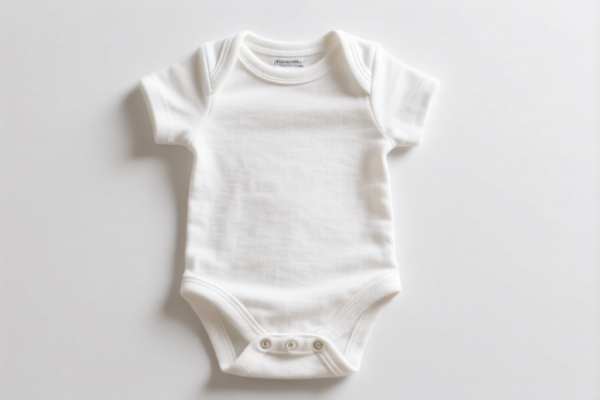
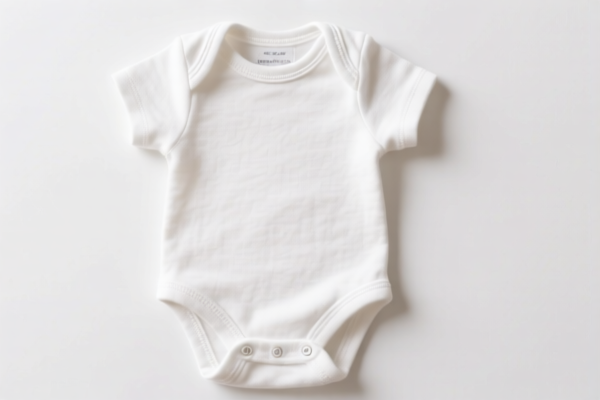
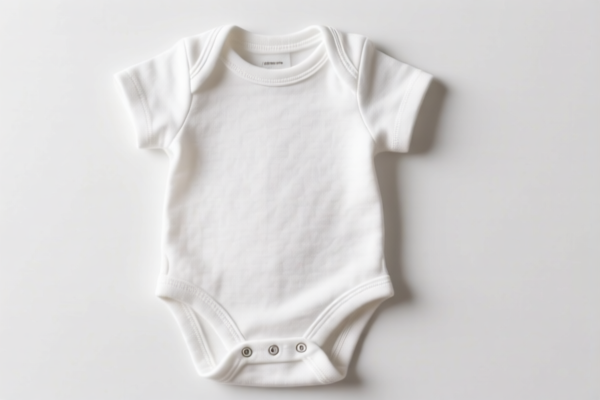
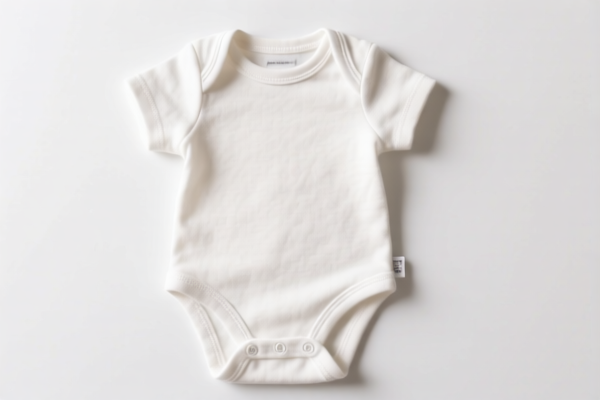
AI Analysis
👶 Baby Romper (Infant Bodysuit/Onesie)
🌐 HS Code Reference & Clearance Guide | 2026 Latest Tariff Analysis | Professional Customs Strategy
📌 I. Product Definition & Classification: What Exactly is a "Baby Romper"?
A Baby Romper is a one-piece garment for infants, typically covering the torso and legs, often with snaps at the crotch for diaper changes. In international trade, its classification hinges on three critical factors: 1. Material: Knitted/Crocheted (Chapter 61) vs. Woven (Chapter 62). 2. Specific Use: Is it classified specifically as "Baby Clothing" (Heading 6209 or 6111) or general "Other Clothing" (Heading 6110)? 3. Form: Is it a complete garment or a component?
⚠️ Key Distinction:
- If it is Knitted/Crocheted and specifically for infants → Heading 6111 (Chapter 61).
- If it is Woven and specifically for infants → Heading 6209 (Chapter 62).
- If material is synthetic vs. cotton, the base duty rate changes significantly.
📦 II. HS Code Classification Details (2026 Latest Tariff Authority Comparison)
Based on the provided data, here are the five most likely HS Codes for a Baby Romper, ranked by total tax burden and classification logic.
| HS Code | Product Description | Material/Type Logic | Total Tax Rate | Why This Code? |
|---|---|---|---|---|
6209.30.30.10 |
Woven Baby Garments (Other) | Woven + Synthetic Fiber (Inferred) | 33.5% | Matches "Infant Clothing" form. Inferred synthetic material due to lack of "Cotton" label. High base duty (16%). |
6111.20.60.10 |
Knitted/Crocheted Baby Cotton Clothing | Knitted + Cotton (Inferred) | 25.6% | Matches "Infant Clothing" form. Inferred cotton (common for babies). Lower base duty (8.1%). |
6209.20.50.30 |
Woven Baby Garments (Other) | Woven + Cotton (Inferred) | 26.8% | Matches "Infant Clothing" form. Inferred cotton. Moderate base duty (9.3%). |
6110.90.90.71 |
Knitted/Crocheted Other Clothing | Knitted + Other Textile | 23.5% | Matches "Knitted Garment" form. Generic "Other" category (not specific to infants in heading, but covers them). Lowest base duty (6%). |
6110.90.90.73 |
Knitted/Crocheted Other Clothing | Knitted + Other Textile | 23.5% | Similar to above, specific subtype for "Other" knitted articles. Lowest base duty (6%). |
🔍 Critical Insight:
- Chapter 61 (Knitted) generally has lower base tariffs (6-8%) compared to Chapter 62 (Woven) (9-16%). - Cotton items often have lower base duties than Synthetic items in the infant clothing category. - "122 Clause" Tariffs and Section 301 (Section 122) apply uniformly across all these codes as additional surcharges.
💰 III. 2026 Latest Tariff Rate Breakdown (Including Surcharges & Policy Add-ons)
✅ Applicable Country: United States (US)
✅ Origin: China (CN)
✅ Effective Date: 2025/2026 Tariff Schedule
🎯 1. 6209.30.30.10 — Woven Baby Garments (Synthetic Inferred)
| Item | Detail |
|---|---|
| Base Tariff | 16.0% |
| Section 301 Add-on | 7.5% |
| "122 Clause" Surcharge | 10.0% |
| Total Tax Rate | 33.5% |
| Calculation | CIF Value × 33.5% |
| De Minimis Exemption | ❌ Not Eligible (High-duty goods usually excluded from $800 de minimis if classified strictly, though small packages may slip; check current CBP enforcement trends). |
| Legal Basis | HTSUS 6209.30.30.10 + Trade Act Section 301 + Executive Order 14013 (122 Clause). |
📌 Explanation:
- 16.0% Base: High because it’s woven synthetic infant wear. - 7.5% + 10%: Standard penalties on Chinese goods. - Total 33.5%: Significant cost driver.
🎯 2. 6111.20.60.10 — Knitted/Crocheted Baby Cotton Clothing
| Item | Detail |
|---|---|
| Base Tariff | 8.1% |
| Section 301 Add-on | 7.5% |
| "122 Clause" Surcharge | 10.0% |
| Total Tax Rate | 25.6% |
| Calculation | CIF Value × 25.6% |
| De Minimis Exemption | ❌ Not Eligible (Generally restricted for textiles from China). |
| Legal Basis | HTSUS 6111.20.60.10 + Trade Act Section 301 + Executive Order 14013. |
📌 Explanation:
- 8.1% Base: Lower due to cotton content and knitted structure. - Total 25.6%: Still high, but ~8% cheaper than synthetic woven options.
🎯 3. 6209.20.50.30 — Woven Baby Garments (Cotton Inferred)
| Item | Detail |
|---|---|
| Base Tariff | 9.3% |
| Section 301 Add-on | 7.5% |
| "122 Clause" Surcharge | 10.0% |
| Total Tax Rate | 26.8% |
| Calculation | CIF Value × 26.8% |
| De Minimis Exemption | ❌ Not Eligible. |
| Legal Basis | HTSUS 6209.20.50.30 + Trade Act Section 301 + Executive Order 14013. |
📌 Explanation:
- 9.3% Base: Woven but cotton. More expensive than knitted cotton (8.1%) but cheaper than synthetic (16%).
🎯 4 & 5. 6110.90.90.71 & 6110.90.90.73 — Knitted/Crocheted Other Clothing
| Item | Detail |
|---|---|
| Base Tariff | 6.0% |
| Section 301 Add-on | 7.5% |
| "122 Clause" Surcharge | 10.0% |
| Total Tax Rate | 23.5% |
| Calculation | CIF Value × 23.5% |
| De Minimis Exemption | ❌ Not Eligible. |
| Legal Basis | HTSUS 6110.90.90.71/73 + Trade Act Section 301 + Executive Order 14013. |
📌 Explanation:
- 6.0% Base: Lowest base duty because it falls under "Other" knitted garments, not specific infant headings. - Total 23.5%: Cheapest option among the five. - Risk: Customs may reclassify as infant clothing (6111 or 6209) if packaging/marketing clearly indicates "Baby," leading to back taxes.
🛠️ IV. Clearance Practical Advice (Real-World Pitfall Avoidance)
✅ 1. Documentation Checklist (Non-Negotiable)
| Document | Required? | Notes |
|---|---|---|
| ✅ Product Specification Sheet | ✔️ | Must specify: Material Composition (e.g., 100% Cotton), Construction (Knitted vs. Woven), Age Group (0-24 months). |
| ✅ High-Res Product Photos | ✔️ | Show snaps at crotch, overall shape, and fabric texture (to prove knitted vs. woven). |
| ✅ Commercial Invoice | ✔️ | Clearly state: "Baby Romper, Knitted Cotton, for Infants 6-12M." Avoid vague terms like "Clothing." |
| ✅ Packing List | ✔️ | List item counts, weights, and dimensions. |
| ✅ Certificate of Origin (CO) | ✔️ | Proof of Chinese origin (triggers 17.5% additional tariffs). |
✅ 2. Declaration Strategy (Key Mantra)
🔥 "Material is King, Knit is Light, 'Baby' is Specific, Accuracy Saves Money!"
| Scenario | Recommended HS Code | Reason |
|---|---|---|
| Knitted, 100% Cotton, for Babies | 6111.20.60.10 |
Specific infant heading + low base duty. |
| Woven, 100% Cotton, for Babies | 6209.20.50.30 |
Specific infant heading. |
| Knitted, Synthetic, for Babies | 6111.20.60.10 (if misc) or specific synthetic infant code |
Check if synthetic infant heading exists; if not, use generic. Note: Data implies 6111.20 is cotton-focused; check synthetic infant codes if applicable. |
| Generic Knitted Bodysuit (Not explicitly "Baby") | 6110.90.90.71 |
Lowest base duty (6%), but risky if marketed to babies. |
| Woven Synthetic Romper | 6209.30.30.10 |
Highest base duty (16%). |
⚠️ Warning:
- If you declare a Cotton Knitted Romper as6110.90.90.71(6% base) to save money, but the CBP inspector sees "Baby" branding, they will reclassify it to6111.20.60.10(8.1% base) and issue a Bill of Revision. - If you declare a Synthetic Woven Romper as6110..., it will be rejected immediately (Chapter 61 vs 62 mismatch).
✅ 3. Special Circumstances
| Situation | Recommendation |
|---|---|
| Mixed Materials (e.g., 80% Cotton, 20% Polyester) | Classify based on the material that gives the garment its essential character. For rompers, usually the main body fabric. |
| OEM/White Label | Even if no brand, if size charts indicate "Infant," customs may apply infant duties. Declare accurately based on physical attributes. |
| Sets (Romper + Hat) | If sold as a set, classify the entire set based on the principal item (the Romper). Do not split the hat and romper. |
| De Minimis ($800) | High Risk: Due to the 17.5% added tariffs (7.5% + 10%) and textile sensitivity, many small shipments of Chinese baby clothes are flagged for inspection. Assume they are not exempt from additional duties. |
🌍 V. Global Market Clearance Comparison (2026)
| Country/Region | Recommended HS Code (Example) | Base Duty | Additional Taxes (China Origin) | Total Estimated Duty | Notes |
|---|---|---|---|---|---|
| 🇺🇸 USA | 6111.20.60.10 |
8.1% | +17.5% (301 + 122) | 25.6% | Strict enforcement on "Baby" labeling. |
| 🇨🇳 China | 6111.20.60.10 |
8.1% | None | 8.1% | No Section 301 tariffs. |
| 🇪🇺 EU | 6111.20.60.10 |
12% | None (WTO rate) | 12% | No US-style add-ons. |
| 🇬🇧 UK | 6111.20.60.10 |
12% | None | 12% | Post-Brexit rules align closely with EU. |
| 🇨🇦 Canada | 6111.20.60.10 |
17.5% | None | 17.5% | CUSMA benefits may apply if produced in North America. |
📌 Conclusion:
- USA is the most expensive market due to the combination of standard MFN tariffs and political surcharges (Section 301 + 122 Clause). - EU/UK/Canada have higher base duties but no political surcharges, making them potentially more predictable for cost calculation.
📌 VI. Common Errors & Pitfall Guide (Lessons Learned)
❌ Error 1: Declaring a Knitted romper as Woven (6209...)
👉 Consequence: Customs inspector checks fabric under microscope → Finds knitting → Reclassifies to 6111 → Potential penalty for misdeclaration.
❌ Error 2: Using vague description "Baby Clothes" without material
👉 Consequence: Customs assigns highest possible duty based on uncertainty → May result in 6209.30.30.10 (33.5%) instead of 25.6%.
❌ Error 3: Assuming "De Minimis" exemption for small packages
👉 Consequence: Textiles from China are highly scrutinized. Even under $800, shipments are often opened, duties assessed, and delayed. Do not rely on de minimis for Chinese baby clothes.
❌ Error 4: Ignoring the "122 Clause"
👉 Consequence: Forgetting the 10% surcharge leads to underpayment and subsequent CBSA/CPB audits.
✅ Correct Approach:
"Baby Romper, Knitted, 100% Cotton, for Infants 0-12 Months, Model XYZ, Made in China"
🎯 VII. Conclusion: Professional Declaration, Cost Savings!
🎯 Remember the Mantra:
🔹 "Knit is Lower Duty, Cotton is Cheaper than Synth, 'Baby' Title Changes the Chapter, Accuracy Prevents Audit!"
🔹 "USA Tariffs are High (23-34%), EU is Moderate (12%), China is Low (8%)."
📌 Pro Tip:
- If you are shipping small quantities for testing, budget for the 25.6% tax. Do not assume it will slip through.
- Consider pre-classification rulings from CBP if you are launching a new line of baby rompers to ensure the correct HS Code (6111 vs 6110) is locked in.
📣 Immediate Action:
📞 Consult a licensed customs broker.
📸 Provide fabric swatches and product photos with size labels.
🚀 Clear Customs Smoothly, Maximize Profit Margins!
✨ Professional Clearance Starts with Precise Classification!
💼 Every Percent of Duty Saved is Pure Profit!
Customer Reviews
About HS Code Classification
The Harmonized System (HS) is an internationally standardized nomenclature developed by the World Customs Organization (WCO) to classify traded products. Over 200 countries use the HS system as the basis for customs tariffs, trade statistics, and import/export regulations.
Each HS code follows a hierarchical structure:
- Chapter (2 digits) — Broad category of goods (e.g., Chapter 84: Machinery and Mechanical Appliances)
- Heading (4 digits) — More specific grouping within the chapter
- Subheading (6 digits) — Internationally standardized breakdown, used by all WCO member countries
- National subdivisions (8-10 digits) — Country-specific extensions for further classification, such as US HTSUS 10-digit codes
Correct HS code classification is essential for smooth customs clearance, accurate duty payment, and compliance with trade regulations. Misclassification can lead to customs delays, overpayment of duties, or penalties.
When importing from CN to US, the applicable tariff rates may include:
- Most-Favored-Nation (MFN) rate — The standard duty rate applied to WTO members
- General rate — Applied to countries without trade agreements
- Trade remedy duties — Additional tariffs such as Section 301 (anti-dumping), Section 232 (national security), or countervailing duties
The information provided on this page is for reference purposes only. For official classification, please consult with your local customs authority or a licensed customs broker.