back stretching bar
CN → US| HS Code | Tariff Rate | Origin | Destination | Doc |
|---|---|---|---|---|
| 9506910010 | 22.1% | CN | US | Official Doc |
| 9506910030 | 22.1% | CN | US | Official Doc |
Product Images
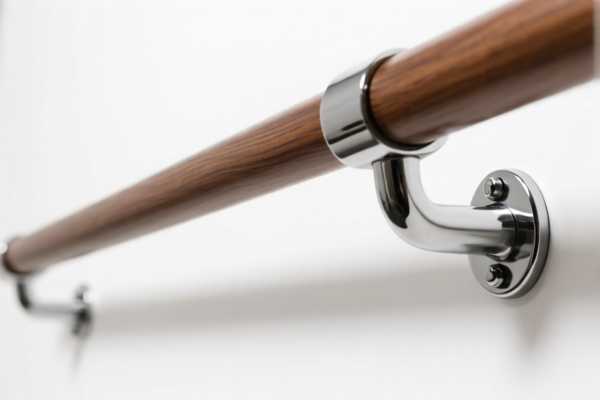
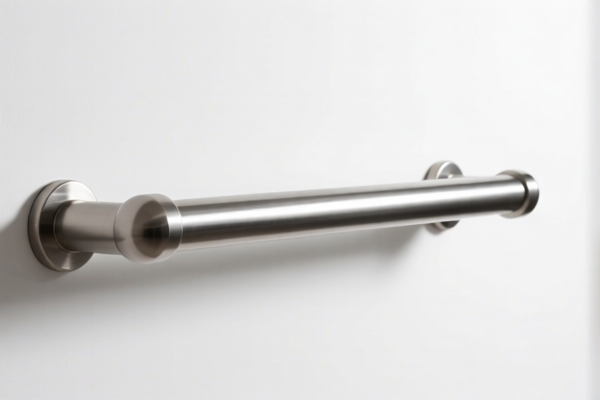
AI Analysis
🧘♂️ Back Stretching Bar (Exercise Equipment)
🌐 HS Code Reference & Customs Clearance Guide | 2026 Latest Tariff Analysis | Professional Level Clearance Strategy
📌 I. Product Definition & Classification: Do You Really Understand "Back Stretching Bars"?
A Back Stretching Bar, often referred to in the industry as a Back Stretcher, Spinal Decompression Bar, or Lumbar Massager Bar, is a device used for general physical exercise, gymnastics, or athletic rehabilitation. Its primary function is to support the spine, stretch the back muscles, and improve posture.
In international trade, it falls under Chapter 95 (Toys, games, and sports requisites). Specifically, it is classified as "Articles and equipment for general physical exercise, gymnastics, or athletics."
⚠️ Key Distinction Points:
- If the product is a standalone bar for stretching, exercising, or rehabilitation (even if it has foam rollers or pads attached) → It is considered "Articles and equipment for general physical exercise" or "Other" exercise equipment.
- It is NOT classified as a "Medical Device" unless explicitly certified and marketed for treating specific diseases (which is rare for consumer-grade stretch bars).
- It is NOT a "Part or Accessory" of a machine, but rather a complete article for exercise.
📦 II. HS Code Classification Details (2026 Latest Tariff Authority Comparison)
Based on the provided data, the Back Stretching Bar is classified under HS Code 9506.91.00, which covers "Articles and equipment for general physical exercise, gymnastics, or athletics; parts and accessories thereof."
| HS Code | Product Description | Application Scenario | Classification Logic |
|---|---|---|---|
9506.91.00.10 |
Exercise Cycles | ⚠️ Note: This sub-heading is labeled "Exercise Cycles" in the provided data. However, generic "Back Stretching Bars" are NOT exercise cycles. This code is likely MISLEADING if applied strictly to non-cycle equipment. Correction: In many tariff schedules, 9506.91.10 is for "Exercise cycles," while other equipment falls under "Other." Let's look at the next code. | |
9506.91.00.30 |
Other | ✅ Correct Classification | Back Stretching Bars do not fit "Exercise Cycles." Therefore, they fall under "Other" articles for general physical exercise, gymnastics, or athletics. This is the standard bucket for non-motorized home fitness equipment like stretch bars, pull-up bars, and yoga accessories. |
🔍 Critical Analysis of Provided Data:
The provided data lists two HS codes under 9506.91.00: 1.9506.91.00.10described as "Exercise cycles" 2.9506.91.00.30described as "Other"A Back Stretching Bar is NOT an exercise cycle. Therefore, the correct classification from the provided data is:
9506.91.00.30(Other: Articles and equipment for general physical exercise, gymnastics or athletics; parts and accessories thereof)
💰 III. 2026 Latest Tariff Rate Detail (Including Additional Taxes & Policy Surcharges)
✅ Applicable Country: China (Export from China, Import to US with Section 301/IEEPA implications as per the tax detail provided)
✅ Origin: China (CN)
✅ 生效时间 (Effective Time): As per the provided tax detail, the rates are current.
🎯 HS Code: 9506.91.00.30 – Other Exercise/Gymnastics Equipment
| Item | Content |
|---|---|
| Base Tariff (MFN) | 4.6% (Ad valorem) |
| Additional Tariff (Section 301/USITC) | +7.5% (General additional tariff for Chapter 95 goods in many cases, or specific to this HTS) |
| Steel/Aluminum/Copper Surcharge | +50% (⚠️ CRITICAL: If the back stretching bar is made primarily of steel, aluminum, or copper tubes/pipes, this 50% surcharge MAY apply. Many back stretchers have metal frames. If it is made of plastic/wood/fabric, this 50% does NOT apply. You must check the material composition.) |
| Total Tariff (Scenario A: Non-Metal/Mixed) | 4.6% + 7.5% = 12.1% |
| Total Tariff (Scenario B: Metal Frame) | 4.6% + 7.5% + 50% = 62.1% (If subject to steel/aluminum surcharge) |
| Tax Calculation | CIF Value × Total Tax Rate |
| De Minimis Exemption | ❌ Not Eligible (Section 301 tariffs generally do not apply to de minimis, but full imports do) |
| Legal Basis Path | HTSUS: 9506.91.00.30 → Additional Duty: 7.5% → Steel/Aluminum Surcharge: 50% (if applicable) |
📌 Explanation:
- Base Tariff (4.6%): Standard duty for exercise equipment.
- Additional Tariff (7.5%): As per the provided data, this is added.
- Steel/Aluminum/Copper Surcharge (50%): This is a major risk factor.
- If your Back Stretching Bar has a metal frame (steel or aluminum), US Customs may apply the 50% surcharge under the "Steel/Aluminum/Copper products" tariff lines.
- If the bar is plastic, wood, or covered entirely in foam/rubber with minimal metal, you can argue against the 50% surcharge.
- Recommendation: Clearly state the material composition in the commercial invoice and bill of lading.
🛠️ IV. Customs Clearance Practical Advice (Real-World Pitfall Avoidance)
✅ 1. Preparation Checklist (All Required)
| Document | Must Provide | Description |
|---|---|---|
| ✅ Product Specification Sheet | ✔️ | Include dimensions, weight, max load capacity, and material composition (e.g., "ABS Plastic shell, Steel inner tube"). |
| ✅ Product Photos | ✔️ | Show the entire product, labels, and any assembly parts. Highlight if it is plastic or metal. |
| ✅ Commercial Invoice | ✔️ | Crucial: Must state "Back Stretching Bar" or "Exercise Equipment for General Physical Exercise." Do not use vague terms like "Gym Accessory" without detail. |
| ✅ Packing List | ✔️ | List all components. If it comes with accessories (e.g., foam rollers, resistance bands), list them separately but note they are for the main product. |
| ✅ Material Declaration | ✔️ | Explicitly state: "Frame Material: Plastic/Aluminum/Steel." This determines the 50% surcharge. |
| ✅ Country of Origin Certificate | ✔️ | Required for US Customs. |
✅ 2. Declaration Tips (Key Mnemonics)
🔥 "Metal Frame? Check 50%! Plastic/Other? 12.1% Only!"
| Situation | Correct Declaration | Incorrect Practice |
|---|---|---|
| Metal Frame Stretch Bar | HS 9506.91.00.30 + Declare "Steel/Aluminum Frame" |
Hide material → Risk of penalty & back taxes |
| Plastic/Wood Stretch Bar | HS 9506.91.00.30 + Declare "Non-metal frame" |
Over-declare metal → Pay unnecessary 50% |
| Set with Accessories | Declare Main Product + "Accessories not valued separately" | Split value → Risk of misclassification |
| Medical Claim | Do NOT claim "Medical Device" unless certified | Misclassification → FDA issues |
✅ 3. Special Cases Handling
| Situation | Handling Advice |
|---|---|
| OEM Custom Stretch Bar | Provide client order + design blueprint to prove it's for personal fitness, not medical treatment. |
| Partially Metal (e.g., Steel Tubes with Plastic Covers) | High Risk: Customs may view it as "Steel Product." Try to provide a Breakdown of Value (e.g., 70% Plastic/Rubber, 30% Steel) to argue against the 50% surcharge, though success is not guaranteed. |
| Used/Second-hand Equipment | Generally prohibited or heavily restricted. Declare as "New" if possible, or ensure compliance with used goods regulations. |
| Battery-Operated Vibration Bars | If it has a motor/battery, it may move to 9506.99 or 8504/8543. The provided data (9506.91.00) assumes non-motorized. If motorized, consult a customs broker for re-classification. |
🌍 V. Global Market Clearance Comparison (2026 Latest)
| Country/Region | Recommended HS Code | Tariff (China Origin) | Certification Requirements | Notes |
|---|---|---|---|---|
| 🇺🇸 USA | 9506.91.00.30 |
12.1% (Non-metal) 62.1% (Metal) |
None required for basic use | Steel/Aluminum surcharge is the main cost driver. |
| 🇨🇳 China | 9506.91.00.30 |
8-10% (Import) | CCC (if applicable) | For import into China. |
| 🇪🇺 EU | 9506.99.80 |
1.7% | CE (if electrical) | Lower base duty. No Section 301. |
| 🇬🇧 UK | 9506.99.80 |
4% | UKCA | Post-Brexit rules. |
| 🇦🇺 Australia | 9506.99.90 |
5% | None | No high surcharges. |
📌 Conclusion:
- USA has the highest potential cost due to Section 301 and Steel/Aluminum surcharges.
- EU/UK/Australia have stable, lower tariffs.
- Material Declaration is Key: For the US, if you can prove the product is not primarily steel/aluminum/copper, you save 50%.
📌 VI. Common Errors & Pitfall Avoidance (Blood Lessons)
❌ Error 1: Declaring a Steel Tube Back Stretch Bar as "Plastic Exercise Equipment" to avoid the 50% surcharge.
👉 Consequence: Customs inspection reveals steel → 12.1% penalty + back taxes + potential fraud charges.
❌ Error 2: Using vague description "Gym Toy" on the invoice.
👉 Consequence: Customs holds the shipment for clarification → Delays & Storage Fees.
❌ Error 3: Assuming all exercise equipment is 12.1%.
👉 Consequence: Forgetting the 50% Steel/Aluminum/Copper surcharge for metal-framed products → Massive underpayment.
❌ Error 4: Classifying under "Medical Devices" incorrectly.
👉 Consequence: FDA review → Shipment Held/Rejected.
✅ Correct Practice:
"Back Stretching Bar, Model XYZ, Non-Motorized, Exercise Equipment for General Physical Fitness. Frame Material: Steel Tube (Powder Coated) / Plastic Housing. HS Code: 9506.91.00.30."
🎯 VII. Conclusion: Professional Declaration Saves Money!
🎯 Remember the Mnemonic:
🔹 "Metal Frame? Pay 50% Surcharge!
Non-Metal? Pay 12.1% Only!
Be Transparent, Avoid Penalties, Stay Compliant!"
🔹 "HS Code 9506.91.00.30 is your friend, but Material is your boss!"
📌 Pro Tip:
If your Back Stretching Bar has a metal frame, consider:
1. Design Modification: Use more plastic/rubber to reduce metal content percentage.
2. Pre-Ruling: Apply for an Advance Ruling from US Customs to confirm if your specific design qualifies for the lower 12.1% rate (by arguing it is not primarily a steel product).
📣 Immediate Action:
📞 Contact a Professional Customs Broker
📦 Provide Detailed Material Composition
🚀 Ensure Accurate HS Code 9506.91.00.30 Declaration
💼 Save Up to 50% in Tariffs by Getting It Right!
✨ Professional Clearance Starts with Precise Classification!
💼 Every Dollar of Cost is Worth Calculating Precisely!
Customer Reviews
About HS Code Classification
The Harmonized System (HS) is an internationally standardized nomenclature developed by the World Customs Organization (WCO) to classify traded products. Over 200 countries use the HS system as the basis for customs tariffs, trade statistics, and import/export regulations.
Each HS code follows a hierarchical structure:
- Chapter (2 digits) — Broad category of goods (e.g., Chapter 84: Machinery and Mechanical Appliances)
- Heading (4 digits) — More specific grouping within the chapter
- Subheading (6 digits) — Internationally standardized breakdown, used by all WCO member countries
- National subdivisions (8-10 digits) — Country-specific extensions for further classification, such as US HTSUS 10-digit codes
Correct HS code classification is essential for smooth customs clearance, accurate duty payment, and compliance with trade regulations. Misclassification can lead to customs delays, overpayment of duties, or penalties.
When importing from CN to US, the applicable tariff rates may include:
- Most-Favored-Nation (MFN) rate — The standard duty rate applied to WTO members
- General rate — Applied to countries without trade agreements
- Trade remedy duties — Additional tariffs such as Section 301 (anti-dumping), Section 232 (national security), or countervailing duties
The information provided on this page is for reference purposes only. For official classification, please consult with your local customs authority or a licensed customs broker.