bait cage
CN → US| HS Code | Tariff Rate | Origin | Destination | Doc |
|---|---|---|---|---|
| 4602110500 | 40.0% | CN | US | Official Doc |
| 4602190500 | 40.0% | CN | US | Official Doc |
| 9507908000 | 19.0% | CN | US | Official Doc |
| 9507906000 | 65.0% | CN | US | Official Doc |
Product Images
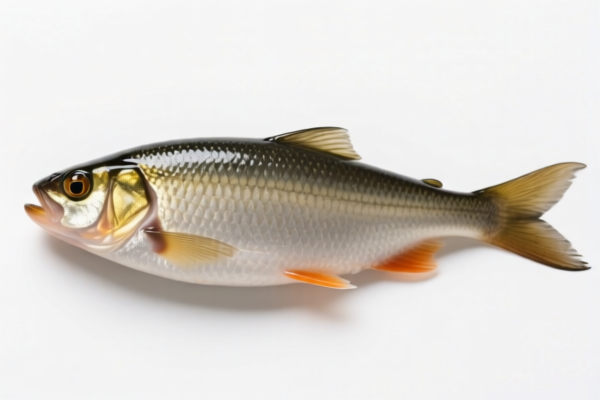
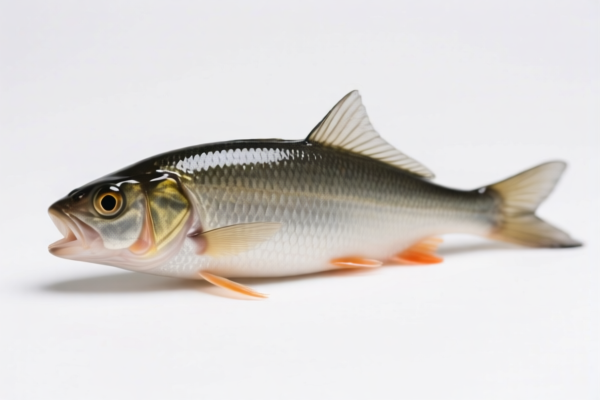
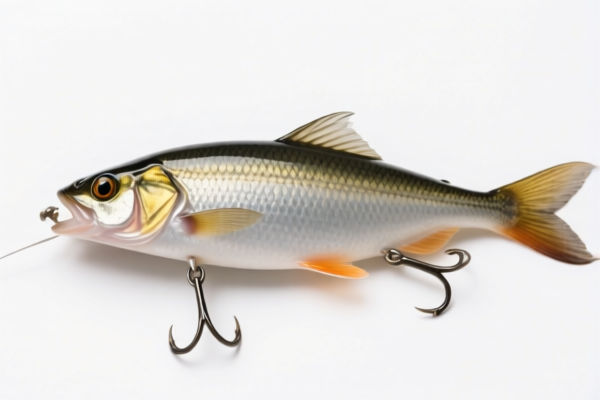
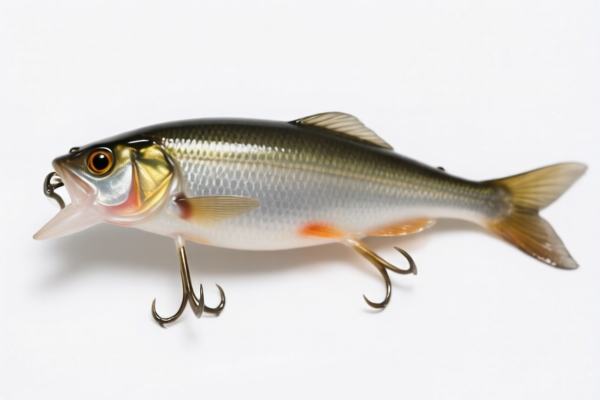
AI Analysis
🎣 Bait Cage (Fish Bait Traps)
🌐 HS Code Reference & Customs Clearance Guide | 2026 Latest Tariff Analysis | Professional Entry Strategies
📌 I. Product Definition & Classification: Do You Really Understand "Bait Cages"?
A Bait Cage is a specialized fishing accessory designed to hold live bait (such as minnows, crabs, or shrimp) in the water while preventing them from escaping or being eaten by predatory fish. In international trade, the classification of a bait cage depends entirely on its material composition and function.
It is generally split into two main categories:
- Woven/Plaited Bait Cages: Made from natural fibers (bamboo, rattan, grass). Classified under Chapter 46.
- Manufactured Fishing Gear: Made from metal, plastic, or synthetic nets. Classified under Chapter 95 (Fishing Equipment).
⚠️ Key Distinction Point:
- If the cage is hand-woven from plant materials (bamboo, rattan, etc.) → It is a Basket/Tray → HS Code 4602.
- If the cage is manufactured (metal wire, plastic mesh, netting) → It is Fishing Gear → HS Code 9507.
📦 II. HS Code Classification Details (2026 Latest Tariff Authority Comparison)
| HS Code | Product Description | Applicable Scenario | Material/Construction |
|---|---|---|---|
4602.11.05.00 |
Bait cage classified as bamboo or vegetable fiber woven baskets/trays | Traditional bamboo/rattan bait cages; hand-woven natural fiber traps | ✅ Bamboo, Rattan, Grass |
4602.19.05.00 |
Bait cage classified as plant material or woven material fish cages/trays | Cages made from other non-bamboo plant fibers or complex woven structures | ✅ Other Plant Fibers |
9507.90.80.00 |
Bait cage classified as fishing gear; other articles similar to fishing nets | General fishing gear not elsewhere specified; plastic/mixed material traps | ❌ Synthetic/Mixed |
9507.90.60.00 |
Bait cage classified as related netting or fishing equipment apparatus | Specifically metal, aluminum, or copper wire cages; net-based bait holders | ✅ Metal/Aluminum/Copper/Nets |
🔍 Key Reminder:
- Natural vs. Manufactured: The biggest risk is misclassifying a metal/plastic cage as "woven plant material" (Chapter 46) or vice versa.
- Material Dictates Code:
- Bamboo/Plant →4602.xx
- Metal/Plastic/Net →9507.xx
- Specific Warning for9507.90.60.00: If your bait cage is made of Steel, Aluminum, or Copper, a 50% additional tariff may apply on top of the base tax!
💰 III. 2026 Latest Tariff Rate Breakdown (Including Additional Taxes & Policy Surcharges)
✅ Applicable Country: United States (US)
✅ Origin: China (CN)
✅ Effective Date: Current Trade Policies (Section 301 & Section 122)
🎯 1. 4602.11.05.00 & 4602.19.05.00 —— Woven/Bamboo Bait Cages
These codes fall under Chapter 46 (Articles of bamboo, cork, or of materials of plaiting). While the base tariff is low, Section 301 and Section 122 tariffs significantly increase the cost.
| Item | Content |
|---|---|
| Base Tariff | 5.0% (Ad Valorem) |
| Section 301 Additional Tariff | +25.0% (Retained from Trump-era tariffs) |
| Section 122 Tariff | +10.0% (Specific to certain fishing-related items or broad categories depending on current enforcement) |
| Total Effective Tax Rate | 40.0% |
| Tax Calculation | CIF Value × 40% |
| De Minimis Exemption | ❌ Not Eligible (Section 301 and 122 tariffs usually void de minimis benefits for China) |
| Legal Basis Path | USITC:4602.11.05.00 → FTC:301 → USC:2122 |
📌 Explanation:
- Even though bamboo products are often seen as "handicrafts," they are not exempt from the 25% Section 301 tariff if made in China.
- The additional 10% Section 122 tariff may apply depending on specific customs rulings for fishing aids.
- Total Burden: 40%. This is moderate but significant for low-margin bulk items.
🎯 2. 9507.90.80.00 —— General Fishing Gear Bait Cages (Plastic/Mixed)
This code covers fishing gear and tackle that does not fall under specific nets or rods. It is a common classification for plastic, mesh, or mixed-material bait cages.
| Item | Content |
|---|---|
| Base Tariff | 9.0% (Ad Valorem) |
| Section 301 Additional Tariff | +0.0% (Some fishing gear items have been excluded or are not subject to the full 25% list, but verify current exclusions) |
| Section 122 Tariff | +10.0% |
| Total Effective Tax Rate | 19.0% |
| Tax Calculation | CIF Value × 19% |
| De Minimis Exemption | ❌ Not Eligible (Due to Section 122 and general trade policy) |
| Legal Basis Path | USITC:9507.90.80.00 → USC:2122 |
📌 Note:
- This is often the most cost-effective classification for plastic or synthetic bait cages.
- The 19% total rate is significantly lower than the 40% for bamboo cages.
- Crucial: Ensure the product description clearly states "Fishing Gear/Tackle" and not "Basket."
🎯 3. 9507.90.60.00 —— Metal/Net Bait Cages (Steel, Aluminum, Copper)
⚠️ HIGH RISK CODE ⚠️
If your bait cage is made of metal wire (steel, aluminum, copper) or is a net-based trap, this code applies. It triggers a massive additional tariff for metal products.
| Item | Content |
|---|---|
| Base Tariff | 5.0% (Ad Valorem) |
| Section 301 Additional Tariff | +0.0% (Fishing gear base may be exempt, BUT...) |
| Section 122 Tariff | +10.0% |
| Metal Product Additional Tariff | +50.0% (Specific surcharge for Steel, Aluminum, Copper products) |
| Total Effective Tax Rate | 65.0% |
| Tax Calculation | CIF Value × 65% |
| De Minimis Exemption | ❌ Not Eligible |
| Legal Basis Path | USITC:9507.90.60.00 → USC:2122 → Metal Tariff Provisions |
📌 Warning:
- The 50% metal surcharge is devastating. A metal wire bait cage from China will face a 65% total tax.
- Recommendation: Avoid importing metal bait cages from China unless you have a very high margin. Consider sourcing from Vietnam, India, or Thailand for metal items to avoid these punitive tariffs.
🛠️ IV. Customs Clearance Practical Advice (Combat Pitfall Guide)
✅ 1. Required Documentation Checklist (Non-negotiable)
| Document | Must Provide | Description |
|---|---|---|
| ✅ Product Specifications | ✔️ | Material (Bamboo, Plastic, Metal), Dimensions, Weight, Capacity |
| ✅ Material Breakdown | ✔️ | Critical for distinguishing between 4602 (Plant) and 9507 (Fishing Gear) |
| ✅ Product Photos | ✔️ | Clear images showing the weaving style or mesh type. Must show the opening mechanism. |
| ✅ Commercial Invoice | ✔️ | Must state "Fishing Bait Cage" or "Woven Plant Basket" accurately. Avoid vague terms like "Container." |
| ✅ Packing List | ✔️ | Net weight vs. Gross weight. |
| ✅ Origin Certificate | ✔️ | If not China-origin, to avoid Section 301/122 tariffs. |
✅ 2. Declaration Tips (Key Mantra)
🔥 "Material Defines Code, Metal is Expensive, Bamboo is Moderate, Plastic is Best!"
| Scenario | Correct Declaration | Wrong Practice |
|---|---|---|
| Bamboo/Rattan Cage | 4602.11.05.00 |
Misdeclare as 9507 → Potential fraud penalty |
| Plastic/Mesh Cage | 9507.90.80.00 |
Misdeclare as 4602 → 40% Tax vs 19% Tax (Loss of savings) |
| Metal Wire Cage | 9507.90.60.00 |
Misdeclare as 9507.90.80.00 → 65% Tax vs 19% Tax (Huge Risk!) |
| Mixed Material Cage | Analyze Primary Material | Declare as "Fishing Accessory" → Customs may reclassify and penalize |
📌 Critical Tip:
- If the cage has a plastic handle but is bamboo-woven, it is still 4602.
- If the cage is metal wire with a plastic net insert, it is likely 9507.90.60.00 (Metal Surcharge Applies!).
- Do not split shipment: Sending metal parts and plastic parts separately to avoid tariffs is smuggling.
✅ 3. Special Circumstances Handling
| Scenario | Handling Advice |
|---|---|
| OEM Custom Cages | Provide design drawings. If designed for a specific brand, ensure the invoice matches the brand owner's address. |
| Pre-cut Bamboo Strips | If sold as raw materials for making cages, classify under Chapter 46 or 47, not 4602. Different tax rate. |
| Metal Cages from China | Strongly Advise Against importing metal bait cages from China due to the 65% total tariff. Source from Southeast Asia or India. |
| Plastic Cages from China | Recommended. Use 9507.90.80.00 for the lowest effective tax rate (19%). |
🌍 V. Global Market Clearance Comparison (2026 Latest)
| Country/Region | Recommended HS Code | Tariff (China Origin) | Certification | Remarks |
|---|---|---|---|---|
| 🇺🇸 USA | 9507.90.80.00 (Plastic) |
19% | None | Best option for plastic |
| 🇺🇸 USA | 4602.11.05.00 (Bamboo) |
40% | None | High tax, but legal |
| 🇺🇸 USA | 9507.90.60.00 (Metal) |
65% | None | Avoid due to 50% metal surcharge |
| 🇪🇺 EU | 9507.90.80 |
0-5% | CE (if applicable) | No Section 301/122 |
| 🇨🇳 China | 9507.90.80 |
9-12% | CCC (if applicable) | Standard import |
📌 Conclusion:
- USA Market: Plastic/Mesh cages (9507.90.80.00) are the most profitable due to the lower 19% rate.
- Metal Cages: Extremely unprofitable from China due to the 65% rate.
- Bamboo Cages: Viable but high tax (40%). Ensure quality is high to justify the cost.
📌 VI. Common Errors & Pitfalls (Blood & Tears Lessons)
❌ Error 1: Declaring a Metal Wire Cage as "Woven Basket" (4602)
👉 Consequence: Customs detects metal, reclassifies to 9507.90.60.00, applies 65% tax + penalties.
👉 Result: Loss of 25%+ in profit.
❌ Error 2: Declaring a Plastic Cage as "Fishing Net" without specifying material
👉 Consequence: Customs may doubt the classification, leading to hold-ups and demurrage fees.
👉 Result: Delayed shipment, extra storage costs.
❌ Error 3: Ignoring Section 122 Tariff in calculations
👉 Consequence: Planning for 5-10% tax, but actual bill is 19-40%.
👉 Result: Negative profit margin.
❌ Error 4: Mixing Bamboo and Metal parts and declaring as one item
👉 Consequence: Customs may split the shipment, taxing each part separately at higher rates.
👉 Result: Unpredictable total tax.
✅ Correct Approach:
"Plastic Bait Cage, 10cm x 10cm, Mesh Size 5mm, Model XYZ, Imported from China"
🎯 VII. Conclusion: Smart Classification, Cost Control!
🎯 Remember the Mantra:
🔹 "Plastic is King (19%), Bamboo is Moderate (40%), Metal is Death (65%)."
🔹 "Material determines HS Code, HS Code determines Tax."
📌 Pro Tip:
If your product is made of mixed materials (e.g., bamboo frame with metal clasp), consult a customs broker to determine the essential character. However, to be safe, many importers opt for fully plastic/mesh cages (9507.90.80.00) to secure the 19% tax rate and avoid the metal surcharge or high bamboo tariffs.
📣 Immediate Action:
📞 Contact your customs broker
📷 Provide clear photos of the material texture
🚀 Optimize your supply chain by sourcing metal items from non-China origins if targeting the US market!
✨ Professional clearance starts with accurate classification!
💼 Every percentage point of tax saved is pure profit!
Customer Reviews
About HS Code Classification
The Harmonized System (HS) is an internationally standardized nomenclature developed by the World Customs Organization (WCO) to classify traded products. Over 200 countries use the HS system as the basis for customs tariffs, trade statistics, and import/export regulations.
Each HS code follows a hierarchical structure:
- Chapter (2 digits) — Broad category of goods (e.g., Chapter 84: Machinery and Mechanical Appliances)
- Heading (4 digits) — More specific grouping within the chapter
- Subheading (6 digits) — Internationally standardized breakdown, used by all WCO member countries
- National subdivisions (8-10 digits) — Country-specific extensions for further classification, such as US HTSUS 10-digit codes
Correct HS code classification is essential for smooth customs clearance, accurate duty payment, and compliance with trade regulations. Misclassification can lead to customs delays, overpayment of duties, or penalties.
When importing from CN to US, the applicable tariff rates may include:
- Most-Favored-Nation (MFN) rate — The standard duty rate applied to WTO members
- General rate — Applied to countries without trade agreements
- Trade remedy duties — Additional tariffs such as Section 301 (anti-dumping), Section 232 (national security), or countervailing duties
The information provided on this page is for reference purposes only. For official classification, please consult with your local customs authority or a licensed customs broker.