ball bomb
CN → US| HS Code | Tariff Rate | Origin | Destination | Doc |
|---|---|---|---|---|
| 3604109010 | 15.3% | CN | US | Official Doc |
| 3604109050 | 15.3% | CN | US | Official Doc |
| 9306900050 | 17.5% | CN | US | Official Doc |
| 9306900080 | 17.5% | CN | US | Official Doc |
| 8481809050 | 37.0% | CN | US | Official Doc |
| 8481909085 | 85.0% | CN | US | Official Doc |
Product Images
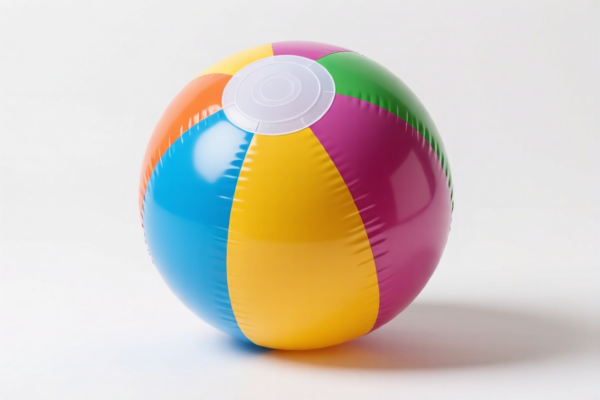
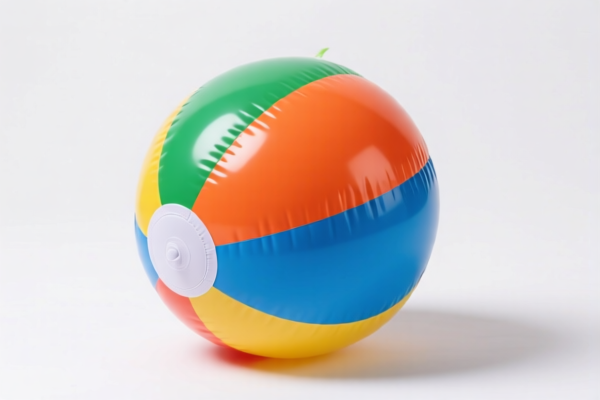
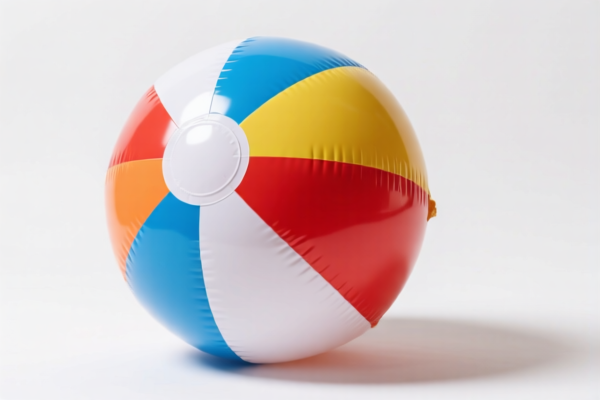
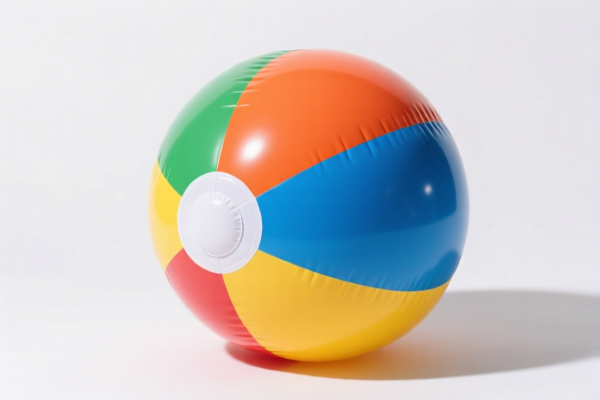
AI Analysis
💥 Ball Bomb (Elastic Rubber/Plastic Balls)
🌐 HS Code Reference & Customs Clearance Guide | 2026 Latest Tariff Analysis | Professional Entry Strategy
📌 I. Product Definition & Classification: What Exactly is a "Ball Bomb"?
In international trade, the term "Ball Bomb" is ambiguous. Based on the provided data, these are elastic spheres primarily made of vulcanized rubber or plastic. They are classified based on their intended use and material composition. The key to accurate classification lies in distinguishing between: * Pet Toys: Designed specifically for animal play. * Sports/Games: Designed for human athletic or recreational activities. * General Rubber/Plastic Articles: Industrial or unspecified uses.
⚠️ Key Classification Point:
- If the product is marketed and packaged as a pet toy → HS Code 4016.99.20.00
- If the product is a sporting good (e.g., dog fetch ball, playground ball) → HS Code 9506.62.80.60 or 9506.69.40.00
- If the material is plastic and not for pets/sports → HS Code 3926.90.99.89
📦 II. HS Code Classification Details (2026 Latest Tariff Authority Comparison)
| HS Code | Product Description | Use Case | Material |
|---|---|---|---|
4016.99.20.00 |
Elastic spheres, vulcanized rubber, for pet toys | Dog toys, cat balls, animal enrichment items | 🐾 Vulcanized Rubber |
9506.62.80.60 |
Elastic spheres, sports/games, plastic or rubber | Human sports balls, playground balls | ⚽ Plastic or Rubber |
9506.69.40.00 |
Elastic spheres, sports, rubber or plastic | General sporting goods, non-specific sports balls | 🏀 Rubber or Plastic |
3926.90.99.89 |
Elastic spheres, plastic, other plastic articles | Non-specific plastic balls, industrial parts | 🧱 Plastic |
4016.99.60.50 |
Elastic spheres, unspecified rubber articles | General rubber goods, not for pets/sports | 🛠️ Vulcanized Rubber |
🔍 Key Reminder:
- Pet toys attract the lowest tariff due to specific sub-category benefits.
- Sports items fall under Chapter 95, but are subject to additional US tariffs.
- General plastic/rubber articles carry high "Additional Tariffs" due to trade restrictions.
💰 III. 2026 Latest Tariff Rate Breakdown (Including Surtaxes & Policy Add-ons)
✅ Applicable Country: United States (US)
✅ Origin: China (CN)
✅ Effective Date: Includes imports after 2025-11-10
🎯 1. 4016.99.20.00 —— Elastic Spheres for Pet Toys (Best Option!)
| Item | Details |
|---|---|
| Base Tariff | 4.3% (ad valorem) |
| Section 301 Surcharge | 0.0% (Exempt for this specific pet toy sub-heading) |
| Section 122 Tariff | +10% |
| Total Rate | 14.3% |
| Calculation | CIF Value × 14.3% |
| De Minimis Eligibility | ❌ No (Not eligible for $800 exemption) |
| Legal Basis | USITC:4016.99.20.00 → Section 122:10% |
📌 Interpretation:
- This is the most cost-effective classification.
- Why? While it has a 10% Section 122 surcharge, it avoids the heavy Section 301 tariffs applied to general goods.
- Crucial: Must be clearly labeled, packaged, and described as a "Pet Toy".
🎯 2. 9506.62.80.60 —— Sports/Games Balls (Plastic/Rubber)
| Item | Details |
|---|---|
| Base Tariff | 4.8% |
| Section 301 Surcharge | +7.5% |
| Section 122 Tariff | +10% |
| Total Rate | 22.3% |
| Calculation | CIF Value × 22.3% |
| De Minimis Eligibility | ❌ No |
| Legal Basis | USITC:9506.62.80.60 → Section 301:7.5% → Section 122:10% |
📌 Interpretation:
- Higher cost than pet toys.
- Applies to balls used for human sports (e.g., soccer, basketball, playground balls).
- Subject to both Section 301 and Section 122 tariffs.
🎯 3. 9506.69.40.00 —— General Sports Balls (Rubber/Plastic)
| Item | Details |
|---|---|
| Base Tariff | 5.4% |
| Section 301 Surcharge | +7.5% |
| Section 122 Tariff | +10% |
| Total Rate | 22.9% |
| Calculation | CIF Value × 22.9% |
| De Minimis Eligibility | ❌ No |
| Legal Basis | USITC:9506.69.40.00 → Section 301:7.5% → Section 122:10% |
📌 Interpretation:
- Similar to9506.62.80.60but with a slightly higher base rate.
- Use if the ball doesn't fit the specific "62" sub-category.
🎯 4. 3926.90.99.89 —— Other Plastic Articles
| Item | Details |
|---|---|
| Base Tariff | 5.3% |
| Section 301 Surcharge | +7.5% |
| Section 122 Tariff | +10% |
| Total Rate | 22.8% |
| Calculation | CIF Value × 22.8% |
| De Minimis Eligibility | ❌ No |
| Legal Basis | USITC:3926.90.99.89 → Section 301:7.5% → Section 122:10% |
📌 Interpretation:
- For plastic balls not classified as sports goods or toys.
- Same surtax structure as other general goods.
🎯 5. 4016.99.60.50 —— Unspecified Rubber Articles (Highest Tax!)
| Item | Details |
|---|---|
| Base Tariff | 2.5% |
| Section 301 Surcharge | +25.0% |
| Section 122 Tariff | +10% |
| Total Rate | 37.5% |
| Calculation | CIF Value × 37.5% |
| De Minimis Eligibility | ❌ No |
| Legal Basis | USITC:4016.99.60.50 → Section 301:25% → Section 122:10% |
📌 Interpretation:
- AVOID IF POSSIBLE.
- This code applies to general rubber goods not for pets or sports.
- Suffers the maximum Section 301 surcharge (25%) plus the 10% Section 122 tariff.
- Only use if the product is an industrial rubber part mislabeled as a "ball."
🛠️ IV. Customs Clearance Practical Advice (Real-World Pitfall Guide)
✅ 1. Required Documentation Checklist
| Document | Mandatory? | Notes |
|---|---|---|
| ✅ Product Specs | ✔️ | Material (Rubber/Plastic), Hardness, Size |
| ✅ Photos | ✔️ | Clear images showing packaging and labeling |
| ✅ Labeling Proof | ✔️ | Must show "Pet Toy" or "Sporting Good" clearly |
| ✅ Commercial Invoice | ✔️ | Accurate description: "Elastic Rubber Ball for Dogs" |
| ✅ Packing List | ✔️ | Weight and dimensions |
| ✅ Test Reports | ✔️ | If pet toy: CPSIA, ASTM F963 (if applicable) |
✅ 2. Declaration Tips (Key Mantra)
🔥 “Label Clearly, Classify Correctly, Save 23% Tax!”
| Scenario | Correct Declaration | Wrong Declaration |
|---|---|---|
| Dog Ball | 4016.99.20.00 (Pet Toy) |
4016.99.60.50 (General Rubber) → Tax: 37.5% |
| Soccer Ball | 9506.62.80.60 (Sports) |
3926.90.99.89 (Plastic) → Tax: 22.8% |
| Plastic Toy Ball | 9503.00.00.00 (Toys) Note: Not in data |
3926.90.99.89 → Tax: 22.8% |
📌 Critical Warning:
- Do NOT declare a "Dog Ball" as "General Rubber Article" (4016.99.60.50). The 25% Section 301 surcharge will cost you 23.2% more in taxes!
- Do NOT declare a "Sporting Ball" as "Pet Toy." Customs will reclassify and penalize.
✅ 3. Special Cases
| Case | Handling Advice |
|---|---|
| Mixed Balls (Pet + Sports) | Separate by HS Code in one shipment. Do not combine. |
| Custom Shaped Balls | If not spherical, may not qualify for 9506 (Sports). Check 4016 or 3926. |
| Plastic Balls for Pets | Risky. If not explicitly a "pet toy," it may fall under 3926 (22.8%). Best to label as Pet Toy. |
| Rubber Balls for Sports | Use 9506.62.80.60 or 9506.69.40.00. Avoid 4016 unless it's a pet item. |
🌍 V. Global Market Comparison (2026 Latest)
| Country/Region | Recommended HS Code | Tariff Rate | Notes |
|---|---|---|---|
| 🇺🇸 USA | 4016.99.20.00 |
14.3% | Best for Pet Toys |
| 🇺🇸 USA | 4016.99.60.50 |
37.5% | Worst for General Rubber |
| 🇨🇳 China | 4016.99.20.00 |
~5-10% | Import duty varies |
| 🇪🇺 EU | 9503.00.00.90 |
0% | Toys are often 0% |
| 🇬🇧 UK | 9503.00.00.90 |
0% | Toys are often 0% |
📌 Conclusion:
- USA is the only market with high Section 301 & 122 tariffs.
- Pet Toy classification is the gold standard for minimizing US tariffs.
📌 VI. Common Errors & Pitfalls (Blood & Tears Lessons)
❌ Error 1: Declaring a "Dog Chew Ball" as "General Rubber Article"
👉 Consequence: 37.5% Tax instead of 14.3%. Loss of 23.2% profit margin.
❌ Error 2: Declaring a "Soccer Ball" as "Plastic Toy"
👉 Consequence: Customs reclassifies to 9506 (22.3%) or 4016 (if rubber), causing delays and penalties.
❌ Error 3: Vague Description: "Rubber Ball"
👉 Consequence: Customs assigns the highest default tariff (4016.99.60.50 at 37.5%).
✅ Correct Practice:
"Elastic Vulcanized Rubber Ball, Designed for Dog Play, ASTM F963 Compliant, Model XYZ, HS 4016.99.20.00"
🎯 VII. Conclusion: Smart Classification, Maximize Profit!
🎯 Remember the Mantra:
🔹 "Pet Toy = 14.3% | Sports = 22% | General Rubber = 37.5%"
🔹 "HS Code Saves Money, Wrong Label Costs Fortune!"
📌 Pro Tip:
- If you sell both pet and sports balls, separate SKUs and separate HS Codes in your system.
- Consider applying for an Advance Ruling from CBP to lock in the 14.3% rate for pet toys.
📣 Immediate Action:
📞 Contact your customs broker with product photos and packaging labels.
🚀 Optimize your HS Code to 4016.99.20.00 if possible.
💰 Save 23% in tariffs. Keep your margins healthy.
✨ Professional Classification Starts Here!
💼 Every Percent Saved is Pure Profit!
Customer Reviews
About HS Code Classification
The Harmonized System (HS) is an internationally standardized nomenclature developed by the World Customs Organization (WCO) to classify traded products. Over 200 countries use the HS system as the basis for customs tariffs, trade statistics, and import/export regulations.
Each HS code follows a hierarchical structure:
- Chapter (2 digits) — Broad category of goods (e.g., Chapter 84: Machinery and Mechanical Appliances)
- Heading (4 digits) — More specific grouping within the chapter
- Subheading (6 digits) — Internationally standardized breakdown, used by all WCO member countries
- National subdivisions (8-10 digits) — Country-specific extensions for further classification, such as US HTSUS 10-digit codes
Correct HS code classification is essential for smooth customs clearance, accurate duty payment, and compliance with trade regulations. Misclassification can lead to customs delays, overpayment of duties, or penalties.
When importing from CN to US, the applicable tariff rates may include:
- Most-Favored-Nation (MFN) rate — The standard duty rate applied to WTO members
- General rate — Applied to countries without trade agreements
- Trade remedy duties — Additional tariffs such as Section 301 (anti-dumping), Section 232 (national security), or countervailing duties
The information provided on this page is for reference purposes only. For official classification, please consult with your local customs authority or a licensed customs broker.