ball pen
CN → US| HS Code | Tariff Rate | Origin | Destination | Doc |
|---|---|---|---|---|
| 9608100000 | 0.0% | CN | US | Official Doc |
| 9608600000 | 0.0% | CN | US | Official Doc |
| 9608500000 | 0.0% | CN | US | Official Doc |
| 3926903500 | 24.0% | CN | US | Official Doc |
| 3926904000 | 12.8% | CN | US | Official Doc |
Product Images
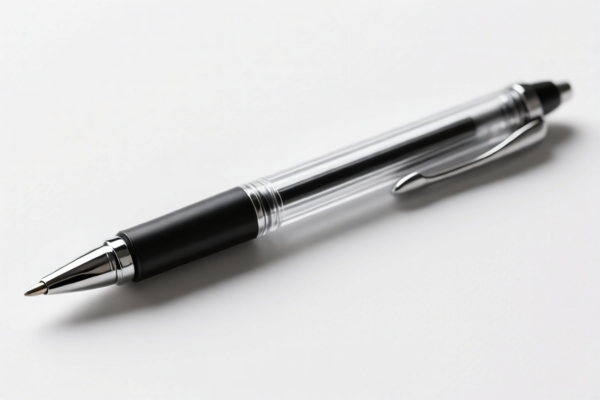
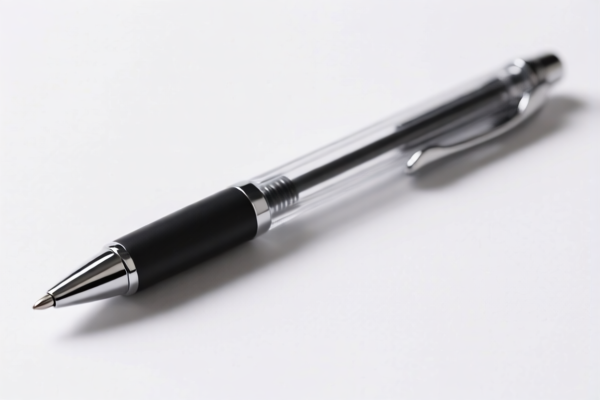
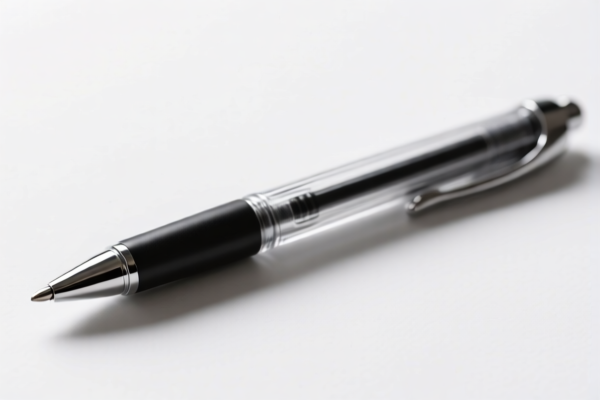
AI Analysis
🖊️ Ballpoint Pens (Writing Instruments)
🌐 HS Code Reference & Clearance Guide | 2026 Latest Tariff Analysis | Professional Customs Strategy
📌 I. Product Definition & Classification: Do You Really Understand "Ballpoint Pens"?
Ballpoint pens are ubiquitous writing instruments found in offices, schools, and households. In international trade, classification depends strictly on composition, format, and packaging. Misclassification can lead to significant tariff differences or customs delays.
⚠️ Key Distinction Points:
- Single Refillable Pen: Falls under subheadings for single ballpoint pens. - Disposable Pens: Often grouped with single ballpoint pens if they share the same classification logic. - Sets: If packed together with other writing instruments (e.g., pencils, erasers), they may fall under "Writing Sets." - Loose Refills/Parts: If sold separately (e.g., just the ball tip or ink cartridge), they may be classified as parts or accessories, not finished pens.
📦 II. HS Code Classification Details (2026 Latest Tariff Authority Mapping)
Based on the provided data, here are the 5 specific classifications for "Ball Pens" and their rationale:
| HS Code | Product Description | Rationale for Classification | Tax Applicability |
|---|---|---|---|
9608.10.00.00 |
Ballpoint Pens (Single/Standard) | Exact match with the classification explanation for "Ballpoint Pens." Matches form and use perfectly. | Base: 0.8¢/ea + 5.4% Additional: 7.5% + 10% |
9608.60.00.00 |
Ballpoint Pens (Specific Type) | Name fully complies with specific product name requirements in classification explanations. Likely refers to a specific subtype or refill type defined in HS notes. | Base: 0.4¢/ea + 2.7% Additional: 7.5% + 10% |
9608.50.00.00 |
Ballpoint Pen Sets | Complies with the description for "Sets composed of two or more sub-items (e.g., ballpoint pens)." Applies when pens are bundled with other items. | Rate applicable to each article in absence of this subheading Additional: 7.5% + 10% |
3926.90.35.00 |
Ball (Loose Beads/Parts) | Inferred as "beads" (spherical objects). Classified as "Beads and articles thereof" under Chapter 39 (Plastics). | 24.0% (Total) |
3926.90.40.00 |
Ball Pen Refills/Components | Inferred as parts/accessories (ball tips/bearings) for writing instruments. Classified under "Other articles of plastics" as a catch-all for components. | 12.8% (Total) |
🔍 Critical Note:
- Finished Pens (9608.xx) are significantly cheaper to import than Parts/Components (3926.xx) in some contexts, but the specific tax rates vary wildly. - Sets (9608.50) apply only when multiple items are packed for retail sale as a single unit. - Loose Parts (3926.xx) are NOT pens. If you import only ball bearings or refills, do not use9608.
💰 III. 2026 Latest Tariff Rate Breakdown (Including Additional Taxes)
✅ Applicable Country: USA (US)
✅ Country of Origin: China (CN)
✅ Effective Date: From November 10, 2025 onwards (for subsequent imports)
🎯 1. 9608.10.00.00 – Ballpoint Pens (Standard)
| Item | Details |
|---|---|
| Base Tariff | 0.8¢ per piece + 5.4% (ad valorem) |
| Section 301 Additional Tariff | +7.5% (ad valorem) |
| Section 122 Tariff (Bipartisan) | +10% (ad valorem) |
| Total Tax Burden | High Complexity (Per-unit + Percentage + Surcharges) |
| Tax Calculation | (0.8¢ × Quantity) + (5.4% × Value) + (7.5% × Value) + (10% × Value) |
| De Minimis Exemption | ❌ NOT ELIGIBLE (Deny de minimis) |
| Legal Basis | Section 301: 9903.01.25 → Section 122: 10% |
📌 Explanation:
- This is the most common classification for standard ballpoint pens. - Cost Warning: The combination of per-unit duty + ad valorem + 17.5% total additional tariffs (7.5% + 10%) makes this a high-cost category. - De Minimis (Section 321): Cannot be used. All shipments must go through formal entry.
🎯 2. 9608.60.00.00 – Ballpoint Pens (Specific Subtype)
| Item | Details |
|---|---|
| Base Tariff | 0.4¢ per piece + 2.7% (ad valorem) |
| Section 301 Additional Tariff | +7.5% (ad valorem) |
| Section 122 Tariff (Bipartisan) | +10% (ad valorem) |
| Total Tax Burden | Moderate (Lower base rate than 9608.10) |
| Tax Calculation | (0.4¢ × Quantity) + (2.7% × Value) + (7.5% × Value) + (10% × Value) |
| De Minimis Exemption | ❌ NOT ELIGIBLE (Deny de minimis) |
📌 Explanation:
- Slightly lower base rate compared to9608.10. - Still subject to the same high additional tariffs. - Ensure your product description precisely matches the "specific product name" required for this subheading to avoid reclassification penalties.
🎯 3. 9608.50.00.00 – Ballpoint Pen Sets
| Item | Details |
|---|---|
| Base Tariff | Rate applicable to each article in the set (pro-rata) |
| Section 301 Additional Tariff | +7.5% (ad valorem) |
| Section 122 Tariff (Bipartisan) | +10% (ad valorem) |
| Total Tax Burden | Variable (Depends on contents of the set) |
| De Minimis Exemption | ❌ NOT ELIGIBLE (Deny de minimis) |
📌 Explanation:
- Only applies if the pens are sold in a retail package with other writing instruments or accessories. - If the set contains items with different HS codes, each item’s duty is calculated separately, then summed. - Risk: If the set is not properly labeled or packed as a "set," customs may dismantle it and assess duties on individual items, potentially at higher rates.
🎯 4. 3926.90.35.00 – Ball Bearings/Refills (Plastic Beads)
| Item | Details |
|---|---|
| Base Tariff | 6.5% |
| Section 301 Additional Tariff | +7.5% |
| Section 122 Tariff (Bipartisan) | +10% |
| Total Tax Rate | 24.0% |
| De Minimis Exemption | ❌ NOT ELIGIBLE (Deny de minimis) |
📌 Explanation:
- DO NOT USE for finished pens. This is for loose balls or plastic bead components. - High flat rate (24%) makes this inefficient for high-volume shipments. - Likely used for industrial plastic beads or specific refill components not classified under 9608.
🎯 5. 3926.90.40.00 – Pen Parts/Accessories (Plastic)
| Item | Details |
|---|---|
| Base Tariff | 2.8% |
| Section 301 Additional Tariff | 0.0% |
| Section 122 Tariff (Bipartisan) | +10% |
| Total Tax Rate | 12.8% |
| De Minimis Exemption | ❌ NOT ELIGIBLE (Deny de minimis) |
📌 Explanation:
- Applies to parts of writing instruments made of plastic (e.g., barrels, caps, ball tips). - Important: If you import refills (ink cartridges), this may be the correct code if they are considered "parts." - Savings: Section 301 tariff is 0% for this subheading, making it significantly cheaper than finished pens (9608) if you can legally classify your product as "parts." - Risk: Customs may challenge this if the item is considered a "finished good" rather than a part.
🛠️ IV. Customs Clearance Practical Advice (Battle-Tested Pitfall Guide)
✅ 1. Documentation Checklist (Missing Items = Delays)
| Document | Required? | Notes |
|---|---|---|
| ✅ Product Specification Sheet | ✔️ | Must detail: material (plastic/metal), ink type, refillable/disposable. |
| ✅ Product Photos | ✔️ | Clear images of the pen, packaging, and any logos. |
| ✅ Commercial Invoice | ✔️ | Must clearly state: "Ballpoint Pen, Model XYZ, Material: Plastic, Origin: China." |
| ✅ Packing List | ✔️ | Specify if items are sold individually or in sets. |
| ✅ Customs Bond | ✔️ | Required for formal entry (de minimis not allowed). |
✅ 2. Classification Strategy (Key Tips)
| Scenario | Correct HS Code | Why? |
|---|---|---|
| Standard Ballpoint Pen | 9608.10.00.00 |
Matches "Ballpoint Pen" definition exactly. |
| Pen in a Gift Box with Pencil | 9608.50.00.00 |
Classified as a "Writing Set." |
| Loose Plastic Ball Tip | 3926.90.40.00 |
Considered a "part/accessory," not a pen. |
| Refill Cartridge (Ink) | 3926.90.40.00 (if plastic) or 9608.30 (if ink-based) |
Depends on material and whether it's considered a "part" or "consumable." |
| Ball Bearing (Industrial) | 3926.90.35.00 |
Classified as "plastic beads," not a pen part. |
🔥 Pro Tip:
If you are importing refills or parts, consider using3926.90.40.00(12.8% total) instead of9608.10.00.00(complex + higher base). However, ensure the product is not a finished pen. Misclassification can lead to fraud allegations.
✅ 3. Special Cases
| Case | Handling Advice |
|---|---|
| OEM Private Label Pens | Provide OEM agreement and design drawings. Ensure no trademark issues. |
| Pens with Electronic Components (e.g., LED pens) | May be classified under 8513 (Electric torches/lamps) if they light up. Not 9608! |
| Pens for Medical Use | If sterile, may require FDA registration. Classification remains 9608, but clearance is stricter. |
| Pens Sold in Bulk (Loose) | Use 9608.10.00.00. Ensure packaging is retail-ready if claiming "set" status. |
🌍 V. Global Market Clearance Comparison (2026)
| Country/Region | Recommended HS Code | Tariff (China Origin) | Certification | Notes |
|---|---|---|---|---|
| 🇺🇸 USA | 9608.10.00.00 |
~22.9% + 0.8¢/ea | None | High additional tariffs. No de minimis. |
| 🇨🇳 China | 9608.10.00.00 |
5% (Import) | CCC (if applicable) | No Section 301/122. |
| 🇪🇺 EU | 9608.10.00.00 |
0% (Most) | CE (if electronic) | Standard FTA rates may apply. |
| 🇬🇧 UK | 9608.10.00.00 |
4% | UKCA (if applicable) | Post-Brexit rules apply. |
| 🇯🇵 Japan | 9608.10.00.00 |
0% (Most) | PSE (if electronic) | Low tariffs. |
📌 Conclusion:
- USA is the most expensive market due to Section 301 and Section 122 tariffs. - EU/UK/Japan offer much better tariff conditions for ballpoint pens. - If targeting the US, consider supply chain diversification (e.g., sourcing from Vietnam/Malaysia) to avoid China-specific tariffs.
📌 VI. Common Errors & Pitfalls (Blood Lessons)
❌ Error 1: Declaring refills as finished pens
👉 Consequence: Overpaying duties. Refills (3926.90.40.00) are cheaper (12.8%) than pens (9608.10.00.00 ~22.9% + per-unit fee).
👉 Fix: Classify refills/parts correctly.
❌ Error 2: Declaring pens with LED lights as ballpoint pens
👉 Consequence: Misclassification. Electronic pens may fall under 8513 (lamps) or 8543 (electrical machines).
👉 Fix: Check if the product has electrical components.
❌ Error 3: Ignoring Section 122 Tariff (10%)
👉 Consequence: Underpayment of duties. This is a new, high-impact tariff for many goods.
👉 Fix: Always calculate 10% additional on top of Section 301.
❌ Error 4: Assuming de minimis ($800) applies
👉 Consequence: Shipment seized. Ballpoint pens from China are explicitly denied de minimis.
👉 Fix: Use formal entry with a customs bond.
🎯 VII. Conclusion: Precision Classification = Profit Protection
🎯 Remember the Mantras:
🔹 "Pens are 9608, Parts are 3926. Don't mix them!"
🔹 "Section 301 + Section 122 = 17.5% Extra. Plan for it!"
🔹 "No De Minimis for China Pens. Bond Up!"
📌 Pro Tip:
If your pens are electronic (e.g., LED, USB-powered), do not use 9608. Classify under 8513 or 8543. This could change your tariff entirely.
📣 Immediate Action:
📞 Contact a licensed customs broker to confirm HS Code for your specific product type.
📦 Label all shipments clearly: "Ballpoint Pen, China Origin, Subject to Section 301 & 122 Tariffs."
🚀 Optimize your supply chain to minimize duty costs and ensure smooth US customs clearance.
✨ Professional Customs Clearance Starts with Accurate Classification!
💼 Every Percent Saved is Pure Profit!
Customer Reviews
About HS Code Classification
The Harmonized System (HS) is an internationally standardized nomenclature developed by the World Customs Organization (WCO) to classify traded products. Over 200 countries use the HS system as the basis for customs tariffs, trade statistics, and import/export regulations.
Each HS code follows a hierarchical structure:
- Chapter (2 digits) — Broad category of goods (e.g., Chapter 84: Machinery and Mechanical Appliances)
- Heading (4 digits) — More specific grouping within the chapter
- Subheading (6 digits) — Internationally standardized breakdown, used by all WCO member countries
- National subdivisions (8-10 digits) — Country-specific extensions for further classification, such as US HTSUS 10-digit codes
Correct HS code classification is essential for smooth customs clearance, accurate duty payment, and compliance with trade regulations. Misclassification can lead to customs delays, overpayment of duties, or penalties.
When importing from CN to US, the applicable tariff rates may include:
- Most-Favored-Nation (MFN) rate — The standard duty rate applied to WTO members
- General rate — Applied to countries without trade agreements
- Trade remedy duties — Additional tariffs such as Section 301 (anti-dumping), Section 232 (national security), or countervailing duties
The information provided on this page is for reference purposes only. For official classification, please consult with your local customs authority or a licensed customs broker.