balloon lights
CN → US| HS Code | Tariff Rate | Origin | Destination | Doc |
|---|---|---|---|---|
| 9405913000 | 47.0% | CN | US | Official Doc |
| 9405911000 | 47.0% | CN | US | Official Doc |
| 7018901000 | 20.7% | CN | US | Official Doc |
| 7018905000 | 41.6% | CN | US | Official Doc |
| 3926907500 | 14.2% | CN | US | Official Doc |
Product Images

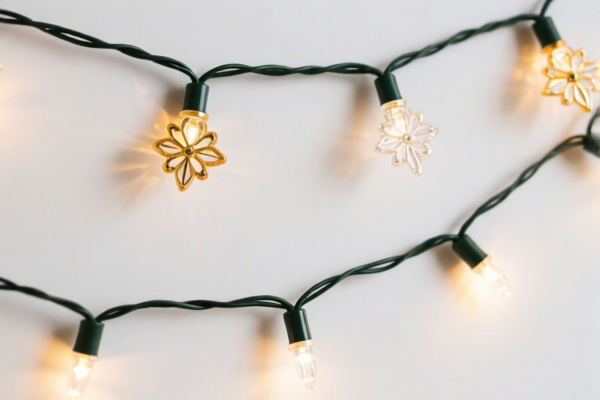
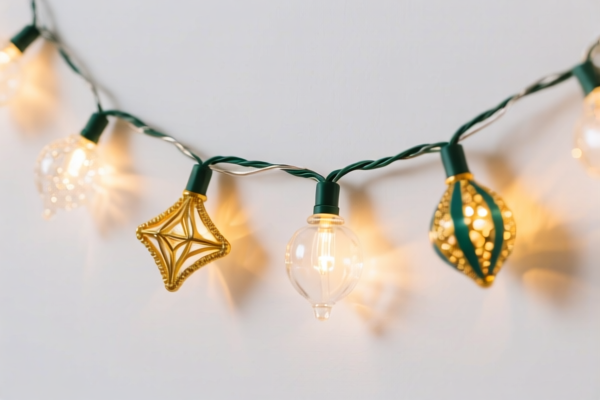
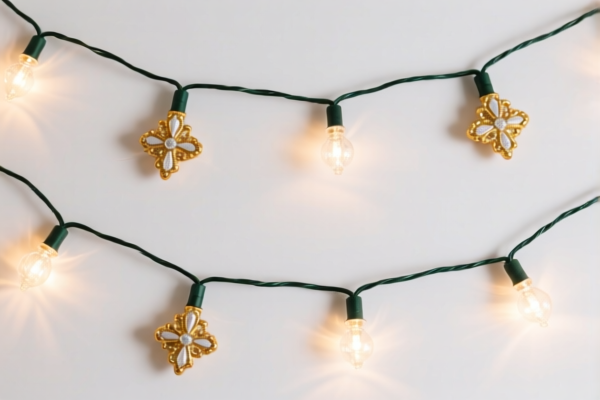
AI Analysis
🎈 Balloon Lights (Decorative & Functional)
🌐 HS Code Reference & Customs Clearance Guide | 2026 Tax Rate Breakdown | Strategic Clearance Strategy
📌 I. Product Definition & Classification: Do You Really Know "Balloon Lights"?
Balloon Lights are a hybrid product category, typically defined as glass or plastic spherical ornaments that emit light. They are widely used in holiday decor, garden lighting, and interior ambiance.
In international trade, the classification of "Balloon Lights" depends entirely on their primary function and material composition:
- As Lighting Equipment (Lamps/Shades): If the primary purpose is to emit light and the glass sphere acts as a shade or bulb housing.
- As Glass Artifacts/Ornaments: If the primary purpose is decorative display, even if it has an internal light source.
- As Inflatable/Plastic Toys: If the material is latex/plastic and the form is an inflatable balloon (note: the data provided distinguishes "glass balloon lights" from "plastic balloons," but we must address the classification logic).
⚠️ Critical Distinction:
- If it is a Glass Sphere with a light source inside →归入 Heading 9405 (Lamps) or 7018 (Glass Ornaments).
- If it is a Plastic/Latex Inflatable →归入 3926 (Plastic Articles).
- The Data Logic: The provided dataset specifically addresses Glass vs. Plastic and Lamp vs. Ornament classifications.
📦 II. HS Code Classification Details (2026 Tariff Schedule Alignment)
Based on the provided data, here is the authoritative breakdown for "Balloon Lights" (focusing on Glass Spheres and Plastic Balloons):
| HS Code | Product Description | Material/Form | Function Logic |
|---|---|---|---|
9405.91.10.00 |
Glass Balloon Lights (Lamps/Shades) | Glass | Lamps & Lamp Shades. Fits logic: Material (Glass) + Usage (Lighting). |
9405.91.30.00 |
Glass Balloon Lights (Specific Shade/Bulb) | Glass | Lamp Shades/Bulbs. Fits logic: Specific form of lighting fixture. |
7018.90.10.00 |
Glass Balloon Lights (Glass Artifacts) | Glass | Glass Small Articles. Fits logic: Decorative, not primarily for lighting (avoids "artificial eye" conflict). |
7018.90.50.00 |
Glass Balloon Lights (Ornaments/Decor) | Glass | Glass Ornaments. Fits logic: Decorative use, fits glass decoration category. |
3926.90.75.00 |
Plastic/Latex Balloon Lights (Inflated) | Plastic/Latex | Inflatable/Plastic Articles. Fits logic: Material (Plastic) + Form (Inflated). |
🔍 Key Logic Analysis:
-9405Series: Used if the item is primarily for illumination. The "glass ball" is the shade or the bulb itself. -7018Series: Used if the item is primarily a decorative glass piece, even if it can hold a light. Customs may tax this lower (or differently) depending on the specific "122 Clause." -3926Series: Used only if the material is Plastic/Latex (inflatable balloons), not glass.
💰 III. 2026 Latest Tariff Rate Breakdown (Including Surcharges & Policy Add-ons)
✅ Applicable Market: US (Based on "122 Clause" and surcharge logic in data)
✅ Origin: China (CN)
✅ Effective Date: Current / 2026 Projection (Based on provided surcharge details)
🎯 1. 9405.91.10.00 & 9405.91.30.00 (Glass Lamp Shades/Bulbs)
Classification: Lighting Fixtures (Glass)
| Item | Content |
|---|---|
| Base Duty | 12.0% |
| Section 301 / "Add-on" Tariff | +25.0% |
| Section 122 Tariff | +10.0% |
| Total Tax Rate | 47.0% |
| Tax Calculation | CIF Value × 47% |
| De Minimis Exemption? | ❌ NO (High tariff items usually excluded) |
| Legal Path | Base Duty (12%) + Section 301 (25%) + Sec 122 (10%) |
📌 Interpretation:
- If you declare these as "Lamps" (9405), the total tax hits 47%. This is a very high cost for the importer. - Section 301 (25%): The standard US-China trade war tariff. - Section 122 (10%): Specific additional duty on certain goods. - Risk: High. Many importers try to reclassify to7018to lower costs, but this is risky if the product is clearly functional lighting.
🎯 2. 7018.90.10.00 (Glass Small Articles / Ornaments)
Classification: Glass Decorative Items (Non-Lighting Primary)
| Item | Content |
|---|---|
| Base Duty | 3.2% |
| Section 301 / "Add-on" Tariff | +7.5% |
| Section 122 Tariff | +10.0% |
| Total Tax Rate | 20.7% |
| Tax Calculation | CIF Value × 20.7% |
| De Minimis Exemption? | ❌ NO (Likely denied due to 122 clause) |
| Legal Path | Base Duty (3.2%) + Sec 301 (7.5%) + Sec 122 (10%) |
📌 Interpretation:
- Significant Savings: This is a ~26% difference compared to the Lamp classification (47.0%vs20.7%). - Condition: The glass ball must be proven to be a "Small Glass Article" or "Ornament" rather than a primary "Lamp Shade." - Warning: If the product contains a bulb, socket, and cord and is sold as a "light," customs may reject7018and force9405(47%).
🎯 3. 7018.90.50.00 (Glass Ornaments/Decorations)
Classification: Decorative Glass
| Item | Content |
|---|---|
| Base Duty | 6.6% |
| Section 301 / "Add-on" Tariff | +25.0% |
| Section 122 Tariff | +10.0% |
| Total Tax Rate | 41.6% |
| Tax Calculation | CIF Value × 41.6% |
| De Minimis Exemption? | ❌ NO |
| Legal Path | Base Duty (6.6%) + Sec 301 (25%) + Sec 122 (10%) |
📌 Interpretation:
- This category is for Decorative Glass where the 301 tariff (25%) applies. - Cost: Still very high (41.6%). It is better to aim for7018.90.10.00(20.7%) if possible, or accept9405(47%) if it is strictly a lamp.
🎯 4. 3926.90.75.00 (Plastic/Latex Balloons)
Classification: Inflatable Plastic Goods
| Item | Content |
|---|---|
| Base Duty | 4.2% |
| Section 301 / "Add-on" Tariff | +0.0% |
| Section 122 Tariff | +10.0% |
| Total Tax Rate | 14.2% |
| Tax Calculation | CIF Value × 14.2% |
| De Minimis Exemption? | ⚠️ Check (May qualify for low-risk status, but 122 clause applies) |
| Legal Path | Base Duty (4.2%) + Sec 122 (10%) |
📌 Interpretation:
- Lowest Tax: Only 14.2% because Section 301 (25%) is 0% for this specific plastic article code in the provided data. - Material: Must be strictly Latex or Plastic (not glass). - Form: Must be an Inflated balloon. If it is a "glass balloon light," this code is illegal.
🛠️ IV. Customs Clearance Practical Advice (Real-World Pitfalls)
✅ 1. Material Declaration (The #1 Rule)
🔥 "Glass = Lamp or Ornament; Plastic = Inflatable Toy"
| Scenario | Correct Code | Risk if Wrong |
|---|---|---|
| Glass Sphere with Light | 9405.91.x (Lamp) OR 7018.90.1 (Ornament) |
Misclassification: If you declare 3926 (Plastic) for glass, you get confiscated goods + fines. |
| Glass Sphere (No Light) | 7018.90.x (Ornament) |
Risk: If customs sees a light socket, they will reclassify to 9405 (47% tax). |
| Plastic Inflatable Ball | 3926.90.75.00 |
Safe: Lowest tax (14.2%) if it is truly plastic/inflatable. |
✅ 2.申报技巧 (Declaration Strategy)
🔥 Key Mantra: "Function Dictates Code, Material Dictates Risk."
| Situation | Recommended Strategy |
|---|---|
| Product is a Lamp | Declare as 9405.91.x. Do not try to fake it as 7018 unless the light function is incidental. Expect 47% tax. |
| Product is Decor (Glass) | Declare as 7018.90.10.00. Provide photos showing it is a "decorative glass ornament" with no permanent wiring. Tax: 20.7%. |
| Product is Inflatable | Declare as 3926.90.75.00. Ensure the invoice says "Inflatable Balloon," not "Glass Light." Tax: 14.2%. |
✅ 3. Special Case Handling
| Situation | Handling Suggestion |
|---|---|
| "Glass Balloon" with LED inside | High Risk: Customs often classifies these as 9405 (Lamps) because the light is the primary function. Prepare for 47%. |
| Glass Ornament with Battery Insert | Strategy: Declare as 7018.90.10.00 (Glass Small Article) if the light is removable and the primary purpose is decoration. |
| Plastic "Balloon" with LED | Clarify: If it is inflatable (latex), use 3926. If it is a rigid plastic shell shaped like a balloon, it might be 9405 (Lamp) or 3926 (Plastic Art). Check material rigidity. |
🌍 V. Summary & Cost Comparison
| HS Code | Description | Total Tax | Risk Level | Recommendation |
|---|---|---|---|---|
9405.91.10/30 |
Glass Lamp/Shade | 47.0% | Medium | Use if strictly a lighting fixture. |
7018.90.10 |
Glass Ornament | 20.7% | High | Use ONLY if it's a "decor" piece, not a "lamp." |
7018.90.50 |
Glass Decor | 41.6% | Low | Higher tax than 7018.10, avoid if possible. |
3926.90.75 |
Plastic Balloon | 14.2% | Low | Best rate, but only for Plastic/Latex items. |
📌 Conclusion:
- Glass "Balloon Lights" are expensive (20.7% to 47%) due to Section 122 and 301 tariffs. - Plastic Inflatable "Balloon Lights" are cheapest (14.2%) but require strict material compliance. - Do not misdeclare glass as plastic. It is fraud.
📌 VI. Common Mistakes & How to Avoid Them
❌ Mistake 1: Declaring a Glass lamp as 3926 (Plastic) to save 30%.
👉 Consequence: Seizure, heavy fines, and blacklisting.
✅ Fix: Use 9405 or 7018 with accurate photos.
❌ Mistake 2: Declaring a Functional Lamp as 7018.90.10 (Ornament) to avoid the 47% tax.
👉 Consequence: Customs audit, re-classification to 9405, and payment of 47% + penalty.
✅ Fix: If it has a plug/socket and emits light primarily, declare as 9405.
❌ Mistake 3: Ignoring the Section 122 (10%) clause.
👉 Consequence: Underestimated landed cost.
✅ Fix: Always include the 10% in your cost calculation.
🎯 VII. Final Professional Advice
🎯 Strategy for Importers:
1. Identify Material First: Is it Glass or Plastic?
2. Identify Function First: Is it for Lighting or Decoration?
3. Calculate Tax:
- Glass + Light = 47% (9405)
- Glass + Decor = 20.7% (7018.90.10)
- Plastic + Inflatable = 14.2% (3926.90.75)
🔹 Remember: "Glass Balloon Lights" are NOT "Plastic Balloons."
🔹 Tax Gap: The difference between9405(47%) and7018(20.7%) is 26.3%. This is the margin between profit and loss.
🔹 Safety: Ensure your product description matches the physical reality (e.g., "Glass Ornament" vs. "LED Lamp").
📌 Action Item:
📞 Contact your Customs Broker: Provide clear photos showing the material and the lighting mechanism.
🚀 Verify HS Code: Apply for a Pre-Ruling if the product is borderline between9405and7018.
✨ Precision Classification = Maximum Profit!
💼 Every 1% of tariff saved is pure margin!
Customer Reviews
About HS Code Classification
The Harmonized System (HS) is an internationally standardized nomenclature developed by the World Customs Organization (WCO) to classify traded products. Over 200 countries use the HS system as the basis for customs tariffs, trade statistics, and import/export regulations.
Each HS code follows a hierarchical structure:
- Chapter (2 digits) — Broad category of goods (e.g., Chapter 84: Machinery and Mechanical Appliances)
- Heading (4 digits) — More specific grouping within the chapter
- Subheading (6 digits) — Internationally standardized breakdown, used by all WCO member countries
- National subdivisions (8-10 digits) — Country-specific extensions for further classification, such as US HTSUS 10-digit codes
Correct HS code classification is essential for smooth customs clearance, accurate duty payment, and compliance with trade regulations. Misclassification can lead to customs delays, overpayment of duties, or penalties.
When importing from CN to US, the applicable tariff rates may include:
- Most-Favored-Nation (MFN) rate — The standard duty rate applied to WTO members
- General rate — Applied to countries without trade agreements
- Trade remedy duties — Additional tariffs such as Section 301 (anti-dumping), Section 232 (national security), or countervailing duties
The information provided on this page is for reference purposes only. For official classification, please consult with your local customs authority or a licensed customs broker.