ballpoint pens
CN → US| HS Code | Tariff Rate | Origin | Destination | Doc |
|---|---|---|---|---|
| 9608100000 | 0.0% | CN | US | Official Doc |
| 9608600000 | 0.0% | CN | US | Official Doc |
| 9608500000 | 0.0% | CN | US | Official Doc |
| 3926903500 | 24.0% | CN | US | Official Doc |
| 3926904000 | 12.8% | CN | US | Official Doc |
Product Images
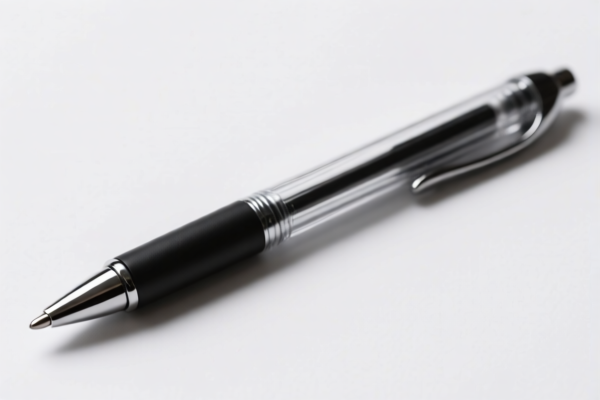
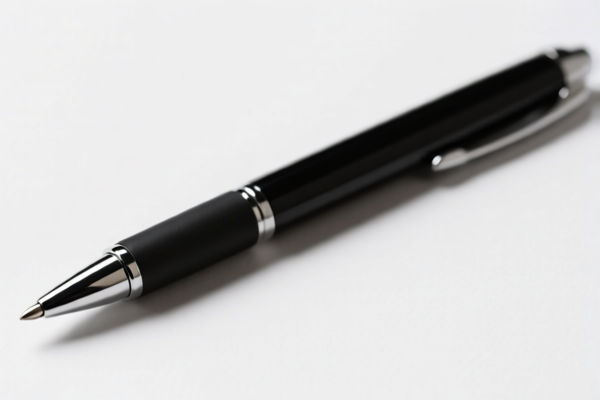
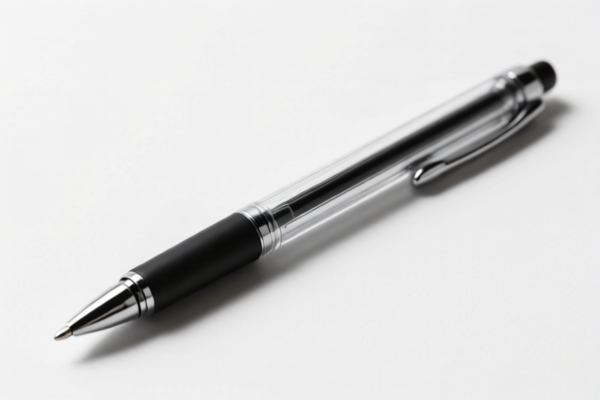
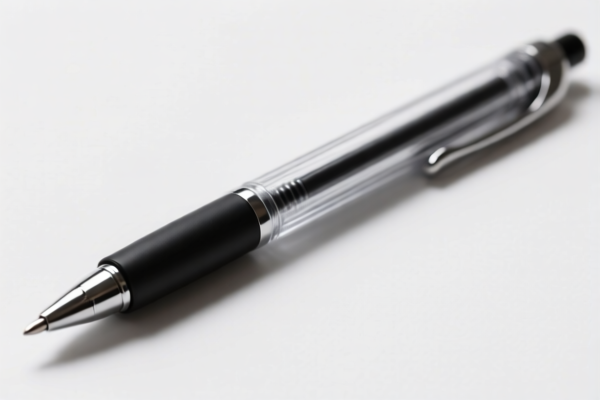
AI Analysis
🖊️ Ballpoint Pens: HS Code Classification & Tariff Strategy (2026 Edition)
🌐 HS Code Reference & Customs Clearance Guide | Latest Tariff Analysis for Chinese Imports to the US | Professional Clearance Strategy
📌 I. Product Definition & Classification: Do You Really Understand "Ballpoint Pens"?
Ballpoint pens are ubiquitous writing instruments found in offices, schools, and creative studios worldwide. In international trade, they are not a single monolithic category. Their classification depends heavily on their form (single vs. set) and component status (finished good vs. spare parts).
Writing Instruments (Finished Goods):
* Standard Ballpoint Pens (9608.10): The most common type. Matches the classification explanation for "ballpoint pens" perfectly in form and use.
* Pen Sets (9608.50): Kits containing two or more subs-items (e.g., a ballpoint pen + a refill, or multiple colors). Matches the description of sets composed of articles.
Spare Parts & Accessories:
* Ball Bearings/Refills (9608.60): The specific "ball" component or refill mechanism itself.
* Plastic/Metal Beads (3926.90): If treated as raw material/plastic beads rather than functional pen components, they fall under general plastic articles.
⚠️ Key Distinction Point:
- If it is a complete, functional pen ready for writing →归入 9608.10.00.00 or 9608.60.00.00 (depending on specific design nuance in the provided data).
- If it is a multi-piece gift set →归入 9608.50.00.00.
- If it is a loose ball/refill component or generic plastic bead →归入 3926.90.xxxx.
📦 II. HS Code Classification Details (2026 Latest Tariff Authority Match)
Based on the provided dataset, here is the precise mapping for "Ballpoint Pens":
| HS Code | Product Description | Applicable Scenario | Classification Logic |
|---|---|---|---|
9608.10.00.00 |
Ballpoint Pen (Standard) | Standard single ballpoint pens. | Name matches "ballpoint pen" in classification explanation exactly. |
9608.60.00.00 |
Ballpoint Pen (Specific/Sub-type) | Specific design variants meeting sub-item requirements. | Name fully complies with specific nomenclature requirements in classification. |
9608.50.00.00 |
Ballpoint Pen Set | Gift sets, multi-packs, or kits containing pens. | Matches morphology of "sets of two or more subs-items." |
3926.90.35.00 |
Plastic Beads/Ball (Raw Material) | Inferred as plastic beads/particles, not functional pens. | Form matches "beads and articles thereof" under plastics. |
3926.90.40.00 |
Pen Spare Parts (Ball/Refill) | Loose balls or refill tips classified as plastic/metal parts. | Classified as "spare parts for writing instruments" or general plastic articles. |
🔍 Important Reminder:
- Do not mix categories: A "Pen Set" (9608.50) cannot be declared as individual pens (9608.10) to save tax. Customs checks packaging and contents. - Component vs. Finished Good: Loose "balls" (3926.90) have different tax rates than functional "refills/pens" (9608.60). Ensure your invoice describes the function, not just the shape.
💰 III. 2026 Latest Tariff Rate Breakdown (Including Surcharges & Policy Add-ons)
✅ Applicable Country: United States (US)
✅ Origin: China (CN)
✅ Effective Time: Current rates including Section 301 & Section 122 surcharges.
🎯 1. 9608.10.00.00 —— Standard Ballpoint Pen
| Item | Detail |
|---|---|
| Base Duty | 0.8¢ each + 5.4% (Ad Valorem) |
| Section 301 Surcharge | 7.5% |
| Section 122 Surcharge | 10% |
| Total Rate | 5.4% + 0.8¢/unit + 17.5% Surcharges |
| Calculation Logic | Base % + Flat Fee + (% of Surcharges) |
📌 Explanation:
- The Base Duty is a combination of a specific duty (0.8 cents per unit) and an ad valorem rate (5.4%).
- Section 301 (7.5%) and Section 122 (10%) are additional tariffs applied to Chinese goods.
- Total Effective Surcharge: 17.5%. This makes the final landed cost significantly higher than the base duty.
🎯 2. 9608.60.00.00 —— Specific Ballpoint Pen / Refill Type
| Item | Detail |
|---|---|
| Base Duty | 0.4¢ each + 2.7% (Ad Valorem) |
| Section 301 Surcharge | 7.5% |
| Section 122 Surcharge | 10% |
| Total Rate | 2.7% + 0.4¢/unit + 17.5% Surcharges |
| Calculation Logic | Lower base rate, but still subject to full surcharges. |
📌 Note:
- This code offers a lower base duty (2.7% vs 5.4%) compared to standard pens.
- However, the surcharge structure (17.5%) remains identical.
- Use this code only if your product explicitly meets the "specific item name" requirement in the classification explanation.
🎯 3. 9608.50.00.00 —— Ballpoint Pen Set
| Item | Detail |
|---|---|
| Base Duty | Rate applicable to each article in the set |
| Section 301 Surcharge | 7.5% (Applied to the total value) |
| Section 122 Surcharge | 10% (Applied to the total value) |
| Total Rate | Varies per component + 17.5% Surcharges |
| Calculation Logic | Break down the set into individual components for base duty, then apply surcharges to the total. |
📌 Strategy:
- If the set contains high-duty items, the total base duty may be higher.
- Crucial: You must declare the individual value of each pen in the set to calculate the correct base duty.
🎯 4. 3926.90.35.00 —— Plastic Beads (Non-Functional)
| Item | Detail |
|---|---|
| Base Duty | 6.5% |
| Section 301 Surcharge | 7.5% |
| Section 122 Surcharge | 10% |
| Total Rate | 24.0% |
| Calculation Logic | 6.5% Base + 17.5% Surcharges. |
⚠️ Warning:
- This is a high flat percentage (24%).
- Only use if the goods are clearly raw plastic beads and not functional pen parts. Misclassification here can lead to penalties if Customs determines they are actually pen parts (9608).
🎯 5. 3926.90.40.00 —— Pen Spare Parts / Balls
| Item | Detail |
|---|---|
| Base Duty | 2.8% |
| Section 301 Surcharge | 0.0% (Exempt or lower rate in this specific sub-item context) |
| Section 122 Surcharge | 10% |
| Total Rate | 12.8% |
| Calculation Logic | 2.8% Base + 10% Surcharge. |
💡 Best Opportunity:
- This code has the lowest total tax rate (12.8%) among all options.
- Condition: The item must genuinely be a spare part (e.g., loose ball bearings for pens) or a general plastic article under this specific subheading.
- Risk: If declared as "ballpoint pen" but arrives as loose parts, Customs may reject it. If declared as "parts" but they are functional pens, they may reclassify to9608(higher tax). Accuracy is key.
🛠️ IV. Customs Clearance Operational Advice (Practical Pitfall Guide)
✅ 1. Documentation Checklist (Non-negotiable)
| Document | Required | Notes |
|---|---|---|
| ✅ Product Specification Sheet | ✔️ | Must include: Material (plastic/metal), Function (writing/refill), Unit Type. |
| ✅ Photos (Labeled) | ✔️ | Clear images of the pen, tip, and any set packaging. |
| ✅ Commercial Invoice | ✔️ | Exact Description: Do NOT just write "Pen". Write "Ballpoint Pen, Plastic Body, Refillable" or "Ballpoint Pen Set, 6pcs". |
| ✅ Packing List | ✔️ | For sets (9608.50), list each item individually. |
| ✅ HS Code Pre-ruling | ✔️ | Highly recommended for 3926 vs 9608 ambiguity. |
✅ 2. Declaration Tips (Golden Rules)
🔥 "Describe Function, Not Just Shape; Set Needs Breakdown!"
| Scenario | Correct Declaration | Incorrect Declaration |
|---|---|---|
| Single Pen | 9608.10.00.00 - "Ballpoint Pen" |
3926.90.35.00 - "Plastic Bead" (Misclassification) |
| Pen Set | 9608.50.00.00 - "Ballpoint Pen Set" |
9608.10.00.00 - Declaring 6 pens as 6 separate items to avoid set rules |
| Loose Refills/Balls | 9608.60.00.00 or 3926.90.40.00 |
"Ballpoint Pen" (If not assembled/functional) |
| Raw Plastic Beads | 3926.90.35.00 |
"Pen Parts" (If not intended for pens) |
✅ 3. Special Cases & Risk Management
| Case | Handling Advice |
|---|---|
| Mixed Containers | If one container has pens (9608) and beads (3926), declare separately. Do not combine to "average" the tax. |
| "Gift Sets" with Non-Pen Items | If a pen set includes a notebook, Customs may apply the GRI 3(b) rule: Tax based on the item giving essential character (usually the pen). |
| Origin Declaration | Ensure Certificate of Origin matches the HS Code. Misdeclaring origin can trigger additional penalties beyond tariffs. |
| Value of Set | For 9608.50, ensure the individual value of each pen is stated. If undervalued, Customs will assess based on market value. |
🌍 V. Global Market Comparison (2026)
| Country/Region | Recommended HS Code | Est. Total Duty (China Origin) | Key Requirement |
|---|---|---|---|
| 🇺🇸 USA | 9608.10.00.00 |
~22-23% (5.4% + 0.8¢ + 17.5% surcharges) | Section 301 & 122 apply strictly. |
| 🇨🇳 China | 9608.10.00.00 |
~6-7% | Standard import duty. |
| 🇪🇺 EU | 9608.10.00.00 |
0% (Usually free) | CE Marking required for some plastics. |
| 🇬🇧 UK | 9608.10.00.00 |
0% | UKCA Marking. |
📌 Conclusion:
- The US market is the most expensive for Chinese ballpoint pens due to the 17.5% in additional tariffs.
-3926.90.40.00offers the lowest rate (12.8%) but carries high classification risk. Use only if the product is genuinely a spare part/raw material.
-9608.60.00.00is a safe middle ground with lower base duty (2.7%) but same surcharges.
📌 VI. Common Mistakes & Pitfalls (Lessons Learned)
❌ Mistake 1: Declaring a Pen Set as Individual Pens
👉 Consequence: Customs may reject the "individual" claim if they are packed together, leading to reclassification to 9608.50 (potentially higher base duty) and delays.
❌ Mistake 2: Declaring Functional Pens as Plastic Beads (3926.90.35.00)
👉 Consequence: 24% duty vs ~23% for pens. No significant saving, but high risk of penalty for misclassification. If they are clearly pens, Customs will enforce 9608.
❌ Mistake 3: Ignoring the 0.8¢ per unit fee
👉 Consequence: For large volumes of low-cost pens, the specific duty (0.8¢) can add up significantly. Calculate total landed cost including this per-unit fee.
✅ Correct Practice:
"Ballpoint Pen, Plastic, Blue Ink, Refillable, Model XYZ.
Ballpoint Pen Set, 12 Colors, Gift Box, Includes Pen Holder."
🎯 VII. Conclusion: Precision Classification Saves Money!
🎯 Key Takeaways:
🔹 "Pen vs. Bead": If it writes, it's
9608. If it's raw plastic, it's3926.
🔹 "Set vs. Single": Packaged together? Declare as Set (9608.50).
🔹 "Surcharge Reality": No matter the base duty, 17.5% in surcharges is standard for most9608items from China.
🔹 "Lowest Rate Risk":3926.90.40.00(12.8%) is cheapest but risky. Use only if you are 100% sure it's a spare part.
📌 Pro Tip:
If your business volume is high, apply for a Customs Binding Ruling (CBBR) for your specific pen designs. This locks in the HS Code and prevents unexpected audits.
📣 Action Required:
📞 Consult a Customs Broker: Verify if your "pen" fits
9608.60(lower base duty) or9608.10.
📄 Prepare Detailed Specs: Show the internal mechanism (ballpoint vs. rollerball) to justify the code.
🚀 Optimize Packaging: Ensure sets are clearly labeled as "Sets" to avoid misdeclaration penalties.
✨ Professional Clearance Starts with Accurate Classification!
💼 Every Cent Saved on Duty is Pure Profit!
Customer Reviews
About HS Code Classification
The Harmonized System (HS) is an internationally standardized nomenclature developed by the World Customs Organization (WCO) to classify traded products. Over 200 countries use the HS system as the basis for customs tariffs, trade statistics, and import/export regulations.
Each HS code follows a hierarchical structure:
- Chapter (2 digits) — Broad category of goods (e.g., Chapter 84: Machinery and Mechanical Appliances)
- Heading (4 digits) — More specific grouping within the chapter
- Subheading (6 digits) — Internationally standardized breakdown, used by all WCO member countries
- National subdivisions (8-10 digits) — Country-specific extensions for further classification, such as US HTSUS 10-digit codes
Correct HS code classification is essential for smooth customs clearance, accurate duty payment, and compliance with trade regulations. Misclassification can lead to customs delays, overpayment of duties, or penalties.
When importing from CN to US, the applicable tariff rates may include:
- Most-Favored-Nation (MFN) rate — The standard duty rate applied to WTO members
- General rate — Applied to countries without trade agreements
- Trade remedy duties — Additional tariffs such as Section 301 (anti-dumping), Section 232 (national security), or countervailing duties
The information provided on this page is for reference purposes only. For official classification, please consult with your local customs authority or a licensed customs broker.