bamboo dinner plate
CN → US| HS Code | Tariff Rate | Origin | Destination | Doc |
|---|---|---|---|---|
| 4419110000 | 13.2% | CN | US | Official Doc |
| 4419199000 | 13.2% | CN | US | Official Doc |
| 4602114500 | 41.6% | CN | US | Official Doc |
| 4420110010 | 13.2% | CN | US | Official Doc |
Product Images
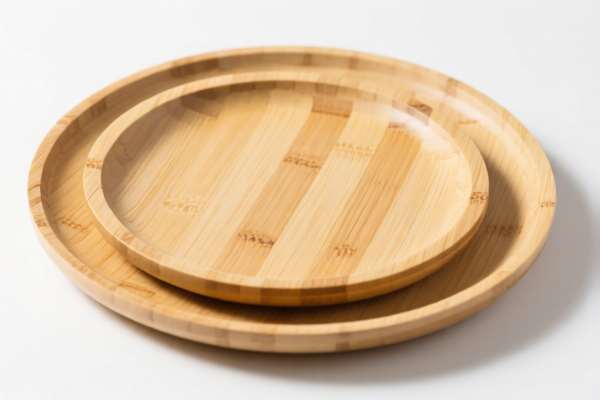
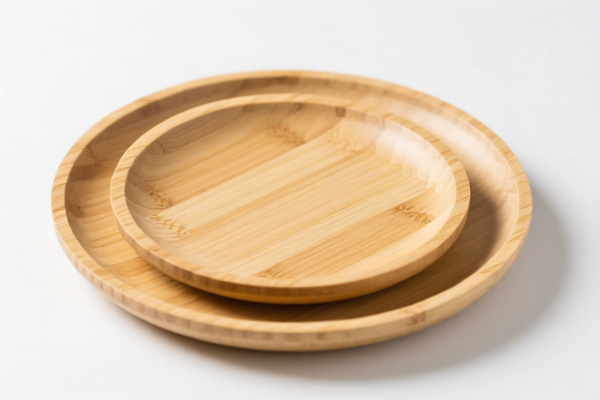
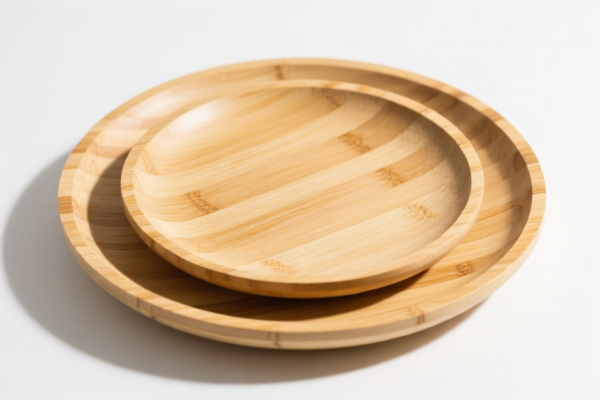
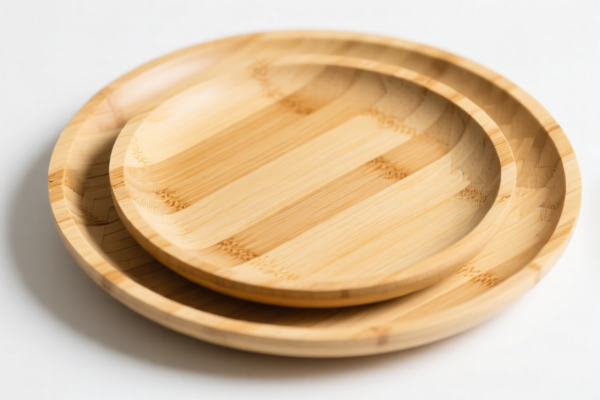
AI Analysis
🎋 Bamboo Dinner Plates (Bamboo Tableware)
🌐 HS Code Reference & Customs Clearance Guide | 2026 Latest Tariff Analysis | Professional Clearance Strategy
📌 I. Product Definition & Classification: Do You Really Understand "Bamboo Dinner Plates"?
Bamboo dinner plates are eco-friendly, sustainable tableware made from processed bamboo fibers or solid bamboo strips. In international trade, the classification depends heavily on the manufacturing process (molded vs. woven) and specific usage.
Solid/Molded Bamboo Items: Plates made from compressed bamboo powder or solid slices, molded into shapes. These generally fall under Chapter 44 (Wood and Articles of Wood).
Woven/Plaited Bamboo Items: Plates or containers made from interlaced bamboo strips or plant materials. These fall under Chapter 46 (Vegetable Plaiting Materials).
⚠️ Key Distinction Point:
- If the item is a molded plate or a solid accessory →归入 4419.11.00.00 or 4419.19.90.00
- If the item is woven, plaited, or basket-like in structure → 归入 4602.11.45.00
- If it is a decorative/structural accessory rather than a functional plate → 归入 4420.11.00.10
📦 II. HS Code Classification Details (2026 Latest Tariff Authority Comparison)
| HS Code | Product Description | Applicable Scenario | Manufacturing Process |
|---|---|---|---|
4419.11.00.00 |
Table and kitchenware of bamboo | Bamboo dinner plates (Molded or solid) | Molded/Solid Bamboo |
4419.19.90.00 |
Other table and kitchenware of bamboo | Bamboo dinner plates (if not specifically listed in 4419.11) | Molded/Solid Bamboo |
4602.11.45.00 |
Articles of bamboo, cane, or other plaiting materials | Woven bamboo plates or basket-like containers | Woven/Plaited |
4420.11.00.10 |
Other articles of bamboo | Bamboo plate accessories, decorative holders, or non-functional parts | Solid Bamboo/Accessory |
🔍 Critical Reminder:
- "Dinner Plate" usually implies a functional eating surface. If it is a standard molded plate,4419.11.00.00is the primary classification.
- If the plate is made by weaving strips (like a mat), it MUST be classified under4602.11.45.00, which carries a significantly higher tariff burden.
- Do not misclassify woven items as molded items to avoid tariff evasion penalties.
💰 III. 2026 Latest Tariff Rate Details (Including Surtaxes & Policy Add-ons)
✅ Applicable Country: United States (US)
✅ Country of Origin: China (CN)
✅ Effective Time: From November 10, 2025 (including subsequent imports)
🎯 1. 4419.11.00.00 —— Bamboo Tableware (Molded/Solid Plates)
| Item | Content |
|---|---|
| Basic Tariff | 3.2% (Ad Valorem) |
| Section 301 Surcharge | 0.0% |
| Section 122 Surcharge | 10% |
| Total Tax Rate | 13.2% |
| Tax Calculation | CIF Value × 13.2% |
| De Minimis Eligibility | ❌ No (Subject to scrutiny under Section 122) |
| Legal Basis Path | HTSUS:4419.11.00.00 → Section 122 Surcharge 10% |
📌 Explanation:
- Base Tariff (3.2%): Standard MFN rate for bamboo tableware.
- Section 122 Tariff (10%): This is a critical addition. Section 122 imposes a 10% surcharge on imports from countries where the US has a significant trade deficit (including China). This applies to most consumer goods, including bamboo products.
- Section 301 (0%): Note that in this specific dataset, the Section 301 surcharge is listed as 0.0% for this code, which is favorable compared to other categories. However, always verify current ITA exclusions.
- Total: 13.2%. This is a moderate tariff level but still significant for low-margin goods.
🎯 2. 4419.19.90.00 —— Other Bamboo Tableware
| Item | Content |
|---|---|
| Basic Tariff | 3.2% |
| Section 301 Surcharge | 0.0% |
| Section 122 Surcharge | 10% |
| Total Tax Rate | 13.2% |
| Tax Calculation | CIF Value × 13.2% |
| De Minimis Eligibility | ❌ No |
| Legal Basis Path | HTSUS:4419.19.90.00 → Section 122 Surcharge 10% |
📌 Note:
- Similar to4419.11.00.00, this code carries the same 13.2% total tariff.
- Use this code if the plate does not fit the specific definition of 4419.11 (e.g., specific shape or size exclusions).
- The tax burden is identical; ensure the description matches the physical product accurately.
🎯 3. 4602.11.45.00 —— Woven Bamboo Articles (Woven Plates)
| Item | Content |
|---|---|
| Basic Tariff | 6.6% |
| Section 301 Surcharge | 25.0% |
| Section 122 Surcharge | 10% |
| Total Tax Rate | 41.6% |
| Tax Calculation | CIF Value × 41.6% |
| De Minimis Eligibility | ❌ No |
| Legal Basis Path | HTSUS:4602.11.45.00 → Section 301 Footnote + Section 122 Surcharge |
📌 Warning:
- High Tariff Alert: If your "plate" is actually woven or plaited, the tariff jumps to 41.6%.
- The 25% Section 301 tariff is the main driver here. This code is heavily penalized.
- Do not attempt to misclassify woven items as molded items (4419) to save 28.4%. Customs audits are strict on material structure.
🎯 4. 4420.11.00.10 —— Other Bamboo Articles (Accessories)
| Item | Content |
|---|---|
| Basic Tariff | 3.2% |
| Section 301 Surcharge | 0.0% |
| Section 122 Surcharge | 10% |
| Total Tax Rate | 13.2% |
| Tax Calculation | CIF Value × 13.2% |
| De Minimis Eligibility | ❌ No |
| Legal Basis Path | HTSUS:4420.11.00.10 → Section 122 Surcharge |
📌 Note:
- This code is for accessories or non-functional bamboo items (e.g., plate stands, decorative bamboo frames).
- If you are shipping actual dinner plates, do not use this code. Misclassification as "accessory" for a main product will lead to penalties.
- The tariff is 13.2%, same as the main tableware codes, but the product definition is strictly different.
🛠️ IV. Customs Clearance Practical Advice (Avoiding Pitfalls)
✅ 1. Documentation Checklist (Mandatory)
| Document | Required | Description |
|---|---|---|
| ✅ Product Specification Sheet | ✔️ | Detail material (100% bamboo vs. bamboo composite), manufacturing method (molded vs. woven). |
| ✅ Product Photos | ✔️ | Clear images showing the plate's structure, any coatings, and packaging. |
| ✅ Commercial Invoice | ✔️ | Must state "Bamboo Dinner Plates" and HS Code. Avoid vague terms like "Kitchen Items." |
| ✅ Packing List | ✔️ | Itemize counts and weights. |
| ✅ Certificate of Origin (CO) | ✔️ | Essential for proving Chinese origin (which triggers Section 122). |
| ✅ Food Contact Safety Declaration | ✔️ | FDA compliance statement for bamboo products intended for food use. |
✅ 2. Declaration Tips (Key Mantra)
🔥 "Molded is 4419, Woven is 4602. 122 Applies, 301 Varies!"
| Scenario | Correct Declaration | Incorrect Practice |
|---|---|---|
| Standard Molded Plate | 4419.11.00.00 |
Misclassifying as 4602 → 41.6% Tariff |
| Woven Plate | 4602.11.45.00 |
Misclassifying as 4419 → 13.2% Tariff (High Risk) |
| Bamboo Stand/Holder | 4420.11.00.10 |
Declaring as "Plate" → Misclassification |
| Mixed Container | List all items separately | Bundling all as "Bamboo Goods" → Valuation Issues |
✅ 3. Special Circumstances Handling
| Situation | Handling Advice |
|---|---|
| Bamboo Composite (with Resin) | If >95% bamboo, still 4419. If mostly resin/plastic with bamboo veneer, it may shift to 3926 (Plastics). Check material composition! |
| Laminated Bamboo | Still considered "Bamboo" under 4419. Ensure it is not classified as "Wood" under a different code if it loses its bamboo identity. |
| Packaging Waste | If bamboo plates are used as filler/padding, they are not "tableware" but "packaging materials." Different HS code applies. |
| Section 122 Impact | Since Section 122 adds 10%, ensure your pricing model accounts for this mandatory surcharge. It is not negotiable. |
🌍 V. Global Market Customs Comparison (2026 Latest)
| Country/Region | Recommended HS Code | Tariff Rate | Certification Requirements | Notes |
|---|---|---|---|---|
| 🇺🇸 USA | 4419.11.00.00 |
13.2% | FDA Food Contact | Section 122 adds 10%. High scrutiny on woven vs. molded. |
| 🇨🇳 China | 4419.11.00.00 |
5-10% | No special import tax for export | Domestic standard applies. |
| 🇪🇺 EU | 4602.11.00 / 4419 |
0-5% | FSC/PEFC Certification (Sustainability) | No Section 122. Focus on eco-certification. |
| 🇬🇧 UK | 4419.11.00 |
0-5% | Post-Brexit Rules of Origin | Similar to EU, but verify UK-specific tariffs. |
| 🇦🇺 Australia | 4419.11.00 |
5% | Biosecurity Quarantine | Strict biosecurity checks for raw bamboo. |
📌 Conclusion:
- USA has the most complex tariff structure due to Section 122 (10%) and potential Section 301 (25% for woven items).
- EU/UK are more favorable on base tariffs but require sustainability certifications (FSC).
- Cost Strategy: For US market, ensure molded plates are clearly declared as4419.11.00.00to avoid the 41.6% woven tariff trap.
📌 VI. Common Errors & Pitfall Guide (Lessons Learned)
❌ Mistake 1: Calling woven bamboo plates "Dinner Plates" and classifying as 4419
👉 Consequence: Customs detects woven structure → Re-classification to 4602 + 28.4% retroactive tax + penalties!
❌ Mistake 2: Ignoring Section 122 Surcharge
👉 Consequence: Underpaying tariffs by 10%. Customs will demand back payment + interest.
❌ Mistake 3: Vague Description ("Bamboo Items")
👉 Consequence: Customs assessment delay, potential higher duty assessment due to uncertainty.
❌ Mistake 4: Misclassifying Bamboo Composite as Pure Bamboo
👉 Consequence: If resin content is high, it may be classified as Plastic (3926), which has different regulations and tariffs.
✅ Correct Practice:
"Molded Bamboo Dinner Plate, 100% Bamboo Fiber, Food Grade Coating, Model XYZ, FDA Compliant"
HS Code:4419.11.00.00
🎯 VII. Conclusion: Professional Declaration, Save Money, Ensure Compliance!
🎯 Remember the Mantra:
🔹 "Molded 13.2%, Woven 41.6%. Section 122 is 10%. Don't Guess, Classify Right!"
🔹 "Woven is NOT Tableware of Wood. Check Structure, Check Tariff!"
📌 Pro Tip:
If your bamboo products are sourced from Vietnam, Cambodia, or Laos, you may avoid Section 122 and Section 301 surcharges entirely, potentially reducing the tariff to 6.6% (Base only) or even 0% under certain FTAs.
✅ Recommendation:
📞 Consult a licensed customs broker + Provide material composition report + Apply for Advance Ruling if unsure about woven vs. molded status.
📣 Take Action Now:
🚀 Verify your product structure (Molded vs. Woven)
💰 Calculate landed cost with 13.2% (Molded) or 41.6% (Woven)
📦 Ensure accurate HS Code declaration to avoid detention
✨ Professional Clearance Starts with Accurate Classification!
💼 Every percentage point counts in your profit margin!
Customer Reviews
About HS Code Classification
The Harmonized System (HS) is an internationally standardized nomenclature developed by the World Customs Organization (WCO) to classify traded products. Over 200 countries use the HS system as the basis for customs tariffs, trade statistics, and import/export regulations.
Each HS code follows a hierarchical structure:
- Chapter (2 digits) — Broad category of goods (e.g., Chapter 84: Machinery and Mechanical Appliances)
- Heading (4 digits) — More specific grouping within the chapter
- Subheading (6 digits) — Internationally standardized breakdown, used by all WCO member countries
- National subdivisions (8-10 digits) — Country-specific extensions for further classification, such as US HTSUS 10-digit codes
Correct HS code classification is essential for smooth customs clearance, accurate duty payment, and compliance with trade regulations. Misclassification can lead to customs delays, overpayment of duties, or penalties.
When importing from CN to US, the applicable tariff rates may include:
- Most-Favored-Nation (MFN) rate — The standard duty rate applied to WTO members
- General rate — Applied to countries without trade agreements
- Trade remedy duties — Additional tariffs such as Section 301 (anti-dumping), Section 232 (national security), or countervailing duties
The information provided on this page is for reference purposes only. For official classification, please consult with your local customs authority or a licensed customs broker.