baseball gloves
CN → US| HS Code | Tariff Rate | Origin | Destination | Doc |
|---|---|---|---|---|
| 6116100800 | 20.3% | CN | US | Official Doc |
| 6216000800 | 18.3% | CN | US | Official Doc |
| 6116930800 | 20.3% | CN | US | Official Doc |
| 4203214000 | 35.0% | CN | US | Official Doc |
| 4203212000 | 38.0% | CN | US | Official Doc |
| 6216004600 | 20.3% | CN | US | Official Doc |
Product Images
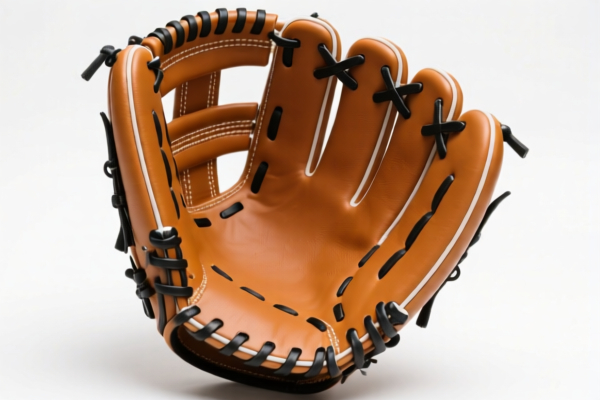
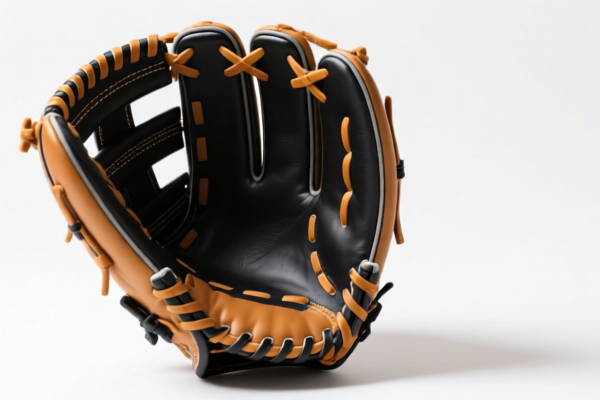
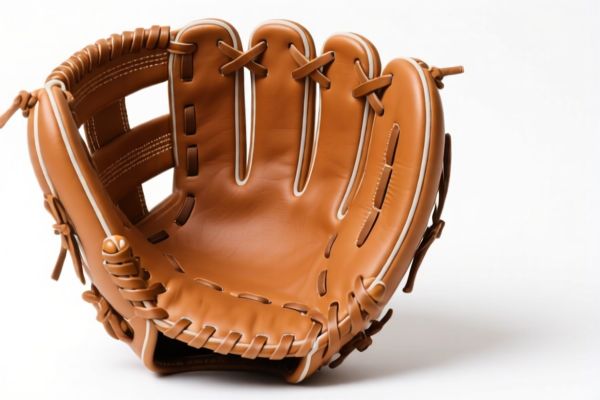
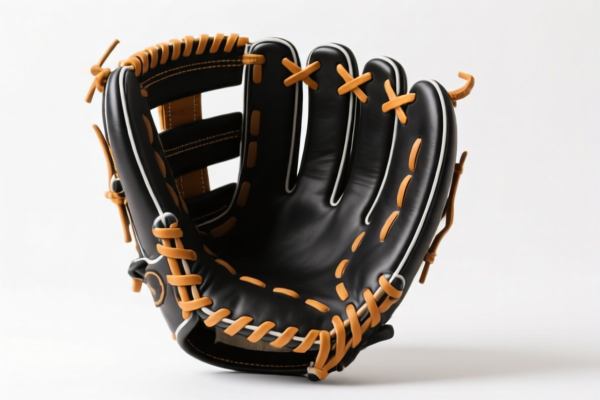
AI Analysis
🧢 Baseball Gloves (Left-Handed)
🌐 HS Code Reference & Clearance Guide | 2026 Latest Tariff Analysis | Professional Customs Strategy
📌 I. Product Definition & Classification: What Exactly Is a "Baseball Glove"?
Baseball gloves are specialized protective gear designed for catching balls during the sport of baseball or softball. In international trade, they are classified based on material composition and manufacturing method. The distinction is critical because it determines whether the glove is treated as a knitted garment/accessory (Chapter 61) or a leather goods item (Chapter 42).
Key Classification Logic: * Knitted/Weaved (Chapter 61): If the glove is made from knitted synthetic fibers (e.g., polyester, nylon) or includes significant textile lining/coating that defines its character, it may fall under 6116 or 6216. * Leather/Synthetic Leather (Chapter 42): If the glove is primarily constructed from leather (or composition leather) and shaped for specific sport use, it often falls under 4203. * "Left-Handed" Specificity: The term "Left-Handed" (worn on the left hand, used by right-handed throwers) does not change the HS code classification logic but is a key descriptive element for customs accuracy.
⚠️ Critical Distinction Point:
- If the glove is knitted or made of textile materials with coating → Chapter 61/62 (Lower Base Duty).
- If the glove is made of Leather or Composition Leather → Chapter 42 (Higher Base Duty + Significant Additional Tariffs).
📦 II. HS Code Classification Details (2026 Latest Tariff Authority Comparison)
Based on the provided data, here are the six potential HS Codes for Left-Handed Baseball Gloves, categorized by material and structure:
| HS Code | Product Description & Summary | Primary Material Characteristic |
|---|---|---|
6116.10.08.00 |
Left-Handed Baseball Glove; classified as a glove, likely coated or containing functional materials based on common sense. | Knitted/Weaved Textile with Coating |
6216.00.08.00 |
Left-Handed Baseball Glove; form factor is a glove, surface may contain leather or plastic/rubber coating, fits sports protective gear. | Non-Knitted Textile or Coated Material |
6116.93.08.00 |
Left-Handed Baseball Glove; form and use match sports purpose; material likely synthetic fiber or leather blend. | Other Knitted/Weaved Gloves (Synthetic) |
4203.21.40.00 |
Left-Handed Baseball Glove; purpose and form match; material likely leather or synthetic leather. | Leather or Composition Leather |
4203.21.20.00 |
Left-Handed Baseball Glove; purpose and form fully match; material likely leather or synthetic leather. | Leather or Composition Leather |
6216.00.46.00 |
Left-Handed Baseball Glove; form and use match sports; material likely artificial fiber or leather. | Other Gloves (Non-Knitted) |
🔍 Key Takeaway:
- Chapters 61/62 (6116.../6216...): Generally have lower base duties (0.8% - 2.8%) but still incur significant additional tariffs.
- Chapter 42 (4203...): Has 0% to 3.0% base duty but is subject to a massive 25% Additional Tariff (Section 301), resulting in the highest total tax burden.
💰 III. 2026 Latest Tariff Rate Breakdown (Including Additional Taxes & Policy Surcharges)
✅ Applicable Country: United States (US)
✅ Origin: China (CN)
✅ Effective Time: Current rates include Section 301 and Section 232/IEEPA surcharges where applicable.
🎯 1. Knitted/Weaved Gloves (Chapter 61/62)
Applies to HS Codes: 6116.10.08.00, 6116.93.08.00, 6216.00.08.00, 6216.00.46.00
These codes generally attract a 7.5% Additional Tariff (Section 301 for many textiles) and a 10% "122 Clause" Tariff (often associated with specific trade remedies or anti-dumping measures depending on the specific product line and origin).
A. 6116.10.08.00 & 6116.93.08.00 (Knitted/Weaved)
| Item | Content |
|---|---|
| Base Duty | 2.8% |
| Additional Tariff (Sec 301) | +7.5% |
| "122 Clause" Tariff | +10.0% |
| Total Tax Rate | 20.3% |
| Tax Calculation | CIF Value × 20.3% |
| De Minimis Eligibility | ❌ No (De Minimis does not apply to goods from China subject to these surcharges) |
📌 Explanation:
- The 7.5% comes from the Section 301 trade remedy list applicable to many textile/apparel items.
- The 10% is labeled as "122 Clause Tariff" in the data, representing additional statutory surcharges.
- Total: 20.3%. This is the most cost-effective classification if the glove is made of synthetic/knitted materials.
B. 6216.00.08.00 & 6216.00.46.00 (Non-Knitted/Coated)
| Item | Content |
|---|---|
| Base Duty | 0.8% |
| Additional Tariff (Sec 301) | +7.5% |
| "122 Clause" Tariff | +10.0% |
| Total Tax Rate | 18.3% |
| Tax Calculation | CIF Value × 18.3% |
| De Minimis Eligibility | ❌ No |
📌 Explanation:
- Similar to the above, but with a lower 0.8% base duty.
- Total: 18.3%. This is the lowest total tax rate among all options, assuming the glove qualifies as a non-knitted coated glove (often true for cheaper synthetic leather or coated fabric gloves).
🎯 2. Leather Goods (Chapter 42)
Applies to HS Codes: 4203.21.40.00, 4203.21.20.00
These codes are subject to a much higher 25% Additional Tariff (Section 301) on leather goods, plus the 10% "122 Clause" Tariff.
A. 4203.21.40.00
| Item | Content |
|---|---|
| Base Duty | 0.0% |
| Additional Tariff (Sec 301) | +25.0% |
| "122 Clause" Tariff | +10.0% |
| Total Tax Rate | 35.0% |
| Tax Calculation | CIF Value × 35.0% |
| De Minimis Eligibility | ❌ No |
B. 4203.21.20.00
| Item | Content |
|---|---|
| Base Duty | 3.0% |
| Additional Tariff (Sec 301) | +25.0% |
| "122 Clause" Tariff | +10.0% |
| Total Tax Rate | 38.0% |
| Tax Calculation | CIF Value × 38.0% |
| De Minimis Eligibility | ❌ No |
📌 Explanation:
- The 25% surcharge is the standard Section 301 rate for many leather products.
- Total: 35.0% - 38.0%. This is significantly more expensive than the textile alternatives.
- Warning: Misclassifying a textile glove as a leather glove (or vice versa) can lead to audits, penalties, and incorrect tax payments.
🛠️ IV. Customs Clearance Practical Advice (Pitfall Avoidance Guide)
✅ 1. Documentation Checklist (Essential Items)
| Document | Must Provide | Description |
|---|---|---|
| ✅ Product Specifications | ✔️ | Detailed description: Material (Knitted vs. Leather), Lining, Padding, Closure Type. |
| ✅ Composition Label | ✔️ | Clear statement: e.g., "Outer: 100% Polyester Knitted Fabric" OR "Outer: Genuine Leather". |
| ✅ Product Photos | ✔️ | Front, back, palm, and wrist view. Must show texture (knit vs. smooth leather). |
| ✅ Commercial Invoice | ✔️ | Must accurately describe the item as "Baseball Glove, Left-Handed" with precise HS Code. |
| ✅ Bill of Lading/Air Waybill | ✔️ | Standard shipping documents. |
✅ 2. Classification Strategy (Key Mnemonic)
🔥 "Check the Material! Knitted = Low Tax, Leather = High Tax!"
| Scenario | Recommended HS Code Range | Total Tax Rate | Why? |
|---|---|---|---|
| Synthetic/Knitted Glove | 6116... or 6216... |
18.3% - 20.3% | Lower base duty + 7.5% surcharge. Best for budget/synthetic gloves. |
| Leather/Synthetic Leather Glove | 4203.21... |
35.0% - 38.0% | Higher base duty (sometimes) + 25% surcharge. Expensive. Avoid if possible via material adjustment. |
📌 Actionable Tip:
- If your product is made of PU Leather (Polyurethane) or Coated Fabric, argue for Chapter 61/62 (6216...or6116...) if the material is not genuine leather. This can save you ~15-20% in taxes.
- If it is Genuine Leather, you must use Chapter 42 (4203...). No way around the 25% surcharge.
✅ 3. Special Handling Notes
| Situation | Handling Advice |
|---|---|
| "Left-Handed" Labeling | Always specify "Left-Handed" in the description to avoid confusion with "Right-Handed" or "Universal" gloves, but note that it doesn't affect the HS code itself. |
| Mixed Materials | If a glove has a leather palm and knitted wrist, customs may classify it based on the chief character (usually the palm for gloves). Be prepared to justify your classification. |
| De Minimis (Section 321) | ❌ Not Applicable. Goods from China subject to Section 301 or other surcharges are generally excluded from the $800 de minimis exemption. Do not rely on Section 321 for these items. |
🌍 V. Global Market Comparison (2026 Update)
| Region | Recommended HS Code | Est. Tax Rate (China Origin) | Notes |
|---|---|---|---|
| 🇺🇸 United States | 6216.00.08.00 (Lowest Tax) |
18.3% | Best option for synthetic/coated gloves. |
| 🇺🇸 United States | 4203.21.40.00 (Leather) |
35.0% | High tax due to Section 301. |
| 🇨🇳 China (Export) | N/A | 0% | No export duty on gloves. |
| 🇪🇺 European Union | 4203.21 / 6116 |
Varies (0-12%) | No Section 301-style tariffs, but anti-dumping may apply. |
📌 Conclusion:
- The US market is the most tariff-sensitive for Chinese baseball gloves.
- Material choice is critical: Synthetic/Knitted gloves (6216.00.08.00) offer the lowest tax rate at 18.3%, while Leather gloves (4203.21.40.00) incur 35.0%.
- Pro Tip: If possible, design the glove with synthetic/coated materials to qualify for the lower Chapter 61/62 classification.
📌 VI. Common Errors & Pitfalls (Lessons Learned)
❌ Error 1: Classifying a Knitted Synthetic Glove as Leather (4203...)
👉 Consequence: You pay 35%+ tax instead of 18.3%. Overpayment!
❌ Error 2: Classifying a Leather Glove as Knitted (6116...)
👉 Consequence: Customs audit, penalty, and back-tariff of 15-20%. Fines!
❌ Error 3: Ignoring the "Left-Handed" Spec
👉 Consequence: Confusion at customs, potential delay in clearance, or rejection if the description doesn't match the physical product.
❌ Error 4: Assuming De Minimis ($800) Applies
👉 Consequence: Package held at border, duties collected anyway, and storage fees. Do not use De Minimis for China-origin goods under these HS codes.
✅ Correct Practice:
"Left-Handed Baseball Glove, Synthetic Leather Palm, Knitted Wrist, Polyester Lining, Model X, Made in China"
→ Use6216.00.08.00(if coated synthetic) or6116.10.08.00(if knitted) for 18.3%-20.3%.
🎯 VII. Conclusion: Precision Classification Saves Money!
🎯 Remember the Golden Rule:
🔹 "Material is King! Synthetic/Knitted = 18-20%, Leather = 35-38%!"
🔹 "Don't guess the HS Code. Check the fabric first!"
📌 Tips:
- If your glove is imported from Vietnam, Mexico, or Thailand, tariffs may be significantly lower or zero (check FTA agreements).
- For high-value leather gloves, consider Advance Rulings from US Customs to ensure classification is correct and avoid penalties.
📣 Immediate Action:
📞 Contact your freight forwarder to verify the material composition.
🚀 Declare accurately to avoid delays and maximize profit margins.
✨ Professional Customs Clearance Starts with Accurate Classification!
💼 Every percentage point of tax saved is pure profit!
Customer Reviews
About HS Code Classification
The Harmonized System (HS) is an internationally standardized nomenclature developed by the World Customs Organization (WCO) to classify traded products. Over 200 countries use the HS system as the basis for customs tariffs, trade statistics, and import/export regulations.
Each HS code follows a hierarchical structure:
- Chapter (2 digits) — Broad category of goods (e.g., Chapter 84: Machinery and Mechanical Appliances)
- Heading (4 digits) — More specific grouping within the chapter
- Subheading (6 digits) — Internationally standardized breakdown, used by all WCO member countries
- National subdivisions (8-10 digits) — Country-specific extensions for further classification, such as US HTSUS 10-digit codes
Correct HS code classification is essential for smooth customs clearance, accurate duty payment, and compliance with trade regulations. Misclassification can lead to customs delays, overpayment of duties, or penalties.
When importing from CN to US, the applicable tariff rates may include:
- Most-Favored-Nation (MFN) rate — The standard duty rate applied to WTO members
- General rate — Applied to countries without trade agreements
- Trade remedy duties — Additional tariffs such as Section 301 (anti-dumping), Section 232 (national security), or countervailing duties
The information provided on this page is for reference purposes only. For official classification, please consult with your local customs authority or a licensed customs broker.