baseball gloves right hand
CN → US| HS Code | Tariff Rate | Origin | Destination | Doc |
|---|---|---|---|---|
| 6116100800 | 20.3% | CN | US | Official Doc |
| 6216000800 | 18.3% | CN | US | Official Doc |
| 6116930800 | 20.3% | CN | US | Official Doc |
| 4203214000 | 35.0% | CN | US | Official Doc |
| 4203212000 | 38.0% | CN | US | Official Doc |
| 6216004600 | 20.3% | CN | US | Official Doc |
Product Images
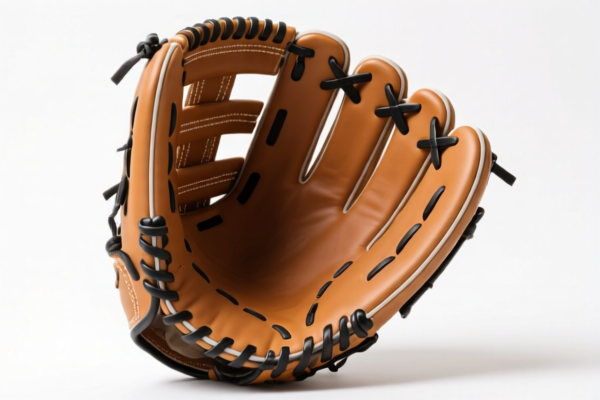
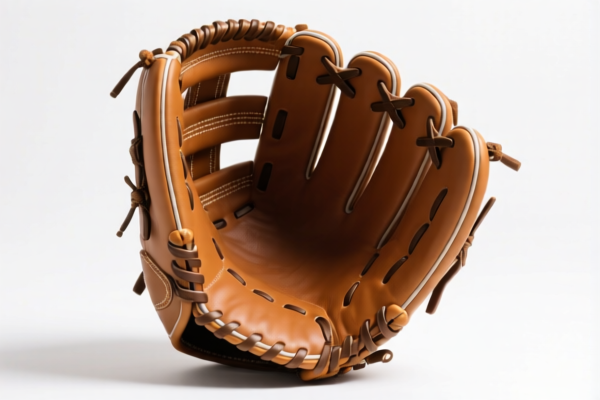
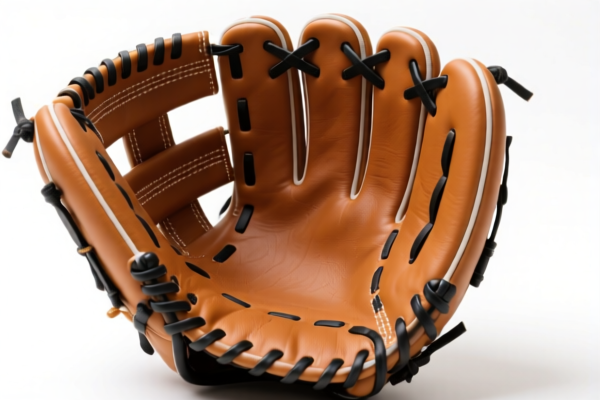
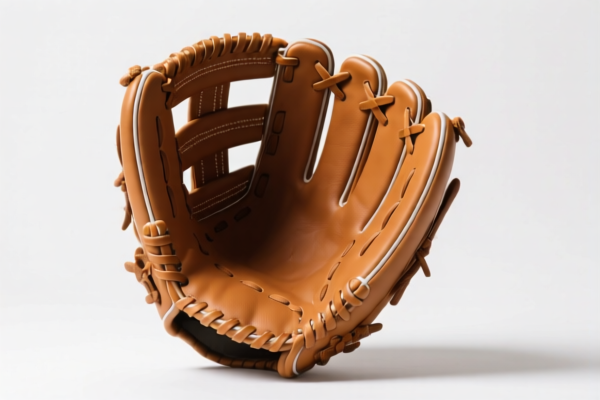
AI Analysis
🧤 Baseball Gloves (Right-Handed)
🌐 HS Code Reference & Customs Clearance Guide | 2026 Latest Tariff Analysis | Professional Clearance Strategy
📌 I. Product Definition and Classification: What Exactly is a "Right-Handed Baseball Glove"?
A baseball glove is a large leather or synthetic fabric glove, typically used by fielders in the sport of baseball. The term "Right-Handed" refers to the hand into which the glove is worn.
- Right-Handed Glove: Worn on the Left Hand. This is the standard glove for a right-handed thrower.
- Left-Handed Glove: Worn on the Right Hand.
⚠️ Key Distinction for Customs:
- In customs classification, "Right-Handed" gloves are technically gloves for the Left Hand.
- Misidentifying the handedness can lead to incorrect documentation, though the HS code classification often remains similar based on material.
- The core classification depends on: Material (Leather vs. Textiles/Synthetics) and Structure (Knitted vs. Non-Knitted).
📦 II. HS Code Classification Details (2026 Latest Tariff Authority Comparison)
Based on the provided data for Left-Handed Baseball Gloves (which applies to Right-Handed gloves as they are the mirror image), here are the potential HS Codes and their rationales:
| HS Code | Product Description | Rationale & Material Inference | Applicable Scenario |
|---|---|---|---|
6116.10.08.00 |
Gloves, coated or covered with plastics or rubber, knitted or crocheted | Based on glove form and coated/functional material inference. Likely refers to knitted gloves with plastic/rubber coating (e.g., catcher's mitts or specialized training gloves). | Knitted base with rubber/plastic coating. |
6216.00.08.00 |
Gloves, not knitted or crocheted, coated or covered with plastics or rubber | Based on glove form and leather or plastic/rubber coating inference. Likely refers to non-knitted gloves (standard leather/synthetic) with a surface coating. | Standard leather/synthetic baseball gloves (non-knitted). |
6116.93.08.00 |
Other gloves, knitted or crocheted, of synthetic fibers | Based on sports use and synthetic fiber or leather material inference. Applies to knitted gloves made of synthetic materials. | Knitted synthetic gloves. |
4203.21.40.00 |
Apparel and clothing accessories, of leather or composition leather; gloves, mittens and mitts | Based on leather or synthetic leather material and sports protection purpose. Applies to leather or composition leather gloves (common for high-end baseball gloves). | Pure leather or synthetic leather gloves (non-knitted). |
4203.21.20.00 |
Gloves, mittens and mitts, of leather or composition leather | Similar to above, but potentially different sub-category for leather goods. Applies to leather/synthetic leather gloves under Chapter 42. | Pure leather or synthetic leather gloves. |
6216.00.46.00 |
Gloves, not knitted or crocheted, of artificial textiles | Based on artificial fiber or leather material and sports use. Applies to non-knitted gloves made of artificial textiles. | Non-knitted synthetic textile gloves. |
🔍 Important Note:
- Chapter 61 (Knitted/Crocheted) vs. Chapter 62 (Non-Knitted) is the primary split.
- Chapter 42 (Leather Goods) often takes precedence over Chapter 62 for gloves made primarily of leather or composition leather, even if they are not knitted.
- "Right-Handed" gloves are functionally identical to "Left-Handed" gloves in terms of material and construction, so the same HS codes apply.
💰 III. 2026 Latest Tariff Rate Breakdown (Including Additional Taxes, Policy Surcharges)
✅ Applicable Country: United States (US)
✅ Origin: China (CN)
✅ Effective Time: 2025年11月10日起 (From November 10, 2025)
🎯 1. 6116.10.08.00 & 6116.93.08.00 — Knitted/Coated Gloves (Textile Base)
| Item | Details |
|---|---|
| Base Tariff | 2.8% (ad valorem) |
| Section 301 Tariff | +7.5% (Additional duty under USITC Footnote 9903.88.01) |
| IEEPA Tariff (122 Clause) | +10% (Against Chinese/ Hong Kong products, effective Nov 10, 2025) |
| Total Rate | 20.3% |
| Tax Calculation | CIF Value × 20.3% |
| De Minimis Exemption | ❌ Not Eligible (deny_de_minimis) |
| Legal Basis Path | IEEPA:9903.01.25 → USITC:6116.xx → FOOTNOTE:9903.88.01 |
📌 Explanation:
- Base 2.8%: Standard MFN rate for knit gloves.
- 301 Clause 7.5%: Standard additional duty for many textile/glove products.
- IEEPA 10%: New surcharge effective Nov 2025.
- Total 20.3%: Significant but manageable. Must declare correctly as "Knitted" if applicable.
🎯 2. 6216.00.08.00 & 6216.00.46.00 — Non-Knitted Gloves (Textile/Coated Base)
| Item | Details |
|---|---|
| Base Tariff | 0.8% (for 6216.00.08.00) / 2.8% (for 6216.00.46.00) |
| Section 301 Tariff | +7.5% |
| IEEPA Tariff (122 Clause) | +10% |
| Total Rate | 18.3% (for 6216.00.08.00) or 20.3% (for 6216.00.46.00) |
| Tax Calculation | CIF Value × Total Rate |
| De Minimis Exemption | ❌ Not Eligible (deny_de_minimis) |
| Legal Basis Path | IEEPA:9903.01.24 → USITC:6216.00 → FOOTNOTE:9903.88.01 |
📌 Note:
- Non-knitted gloves often have a lower base tariff (0.8%) compared to knitted ones.
- Still subject to 17.5%–20.3% total duty due to additional tariffs.
- Crucial: Ensure "Non-Knitted" is correctly identified to avoid over-tariffing if misclassified as knit.
🎯 3. 4203.21.40.00 & 4203.21.20.00 — Leather/Synthetic Leather Gloves
| Item | Details |
|---|---|
| Base Tariff | 0.0% (for 4203.21.40.00) / 3.0% (for 4203.21.20.00) |
| Section 301 Tariff | +25.0% |
| IEEPA Tariff (122 Clause) | +10% |
| Total Rate | 35.0% (for 4203.21.40.00) / 38.0% (for 4203.21.20.00) |
| Tax Calculation | CIF Value × Total Rate |
| De Minimis Exemption | ❌ Not Eligible (deny_de_minimis) |
| Legal Basis Path | IEEPA:9903.01.25 → USITC:4203.21 → FOOTNOTE:9903.88.01 |
📌 Warning:
- High Tariff Alert: Leather gloves are subject to a 25% Section 301 tariff (much higher than the 7.5% for textiles).
- Total Rate 35%-38%: This is significantly more expensive.
- Strategy: If the glove is made of synthetic leather or textile rather than genuine leather, try to classify under Chapter 61/62 to save 15-20% in tariffs.
- Definition: "Leather or composition leather" includes artificial leather. If it's 100% synthetic fabric, avoid Chapter 42.
🛠️ IV. Customs Clearance Practical Advice (Battle-Tested Pitfall Guide)
✅ 1. Documentation Checklist (Non-Negotiable)
| Document | Required | Notes |
|---|---|---|
| ✅ Product Specification Sheet | ✔️ | Material composition (e.g., "100% Genuine Leather" vs. "Polyester with Rubber Coating"). |
| ✅ High-Resolution Photos | ✔️ | Show palm, back, lacing, and brand label. Crucial for proving material type. |
| ✅ Commercial Invoice | ✔️ | Clearly state "Baseball Glove for Left Hand (Right-Handed Thrower)". |
| ✅ Packing List | ✔️ | Include dimensions and weight. |
| ✅ Country of Origin Certificate | ✔️ | Essential for determining Section 301 and IEEPA applicability. |
| ✅ Material Declaration | ✔️ | Explicitly state if gloves are Knitted or Non-Knitted and Leather vs. Textile. |
✅ 2. Declaration Tips (Key Mnemonic)
🔥 "Material First, Then Hand, Knitted vs. Non-Knitted, Chapter Split is Key!"
| Situation | Correct Declaration | Wrong Practice |
|---|---|---|
| Leather Glove | 4203.21.xx.xx |
Misdeclaring as 6216.00 → 35%+ tax instead of 18-20%? (No, 42 is higher, so don't misdeclare down). Risk: Customs audits material. |
| Synthetic Textile Glove | 6216.00.xx.xx or 6116.xx.xx |
Calling it "Leather" → 35% tax. |
| Right-Handed Glove | Declare as "Glove for Left Hand" | Declaring as "Glove for Right Hand" → Confusion, but HS code may still be correct. Best to match physical item. |
| Knitted vs. Non-Knitted | Check weave structure | Confusing knit vs. non-knit can lead to wrong Chapter (61 vs. 62). |
📌 Critical Strategy for Leather Gloves:
- If the glove is made of genuine leather, expect 35%-38% tariff.
- If the glove is made of synthetic leather (PU/PVC), it might still fall under 4203 (Composition Leather), but 6216 (Artificial Textile) could be argued if it's primarily textile-based. Consult a customs broker for "Composition Leather" definition.
✅ 3. Special Cases Handling
| Scenario | Handling Advice |
|---|---|
| OEM Custom Gloves | Provide design drawings showing material layers. If using synthetic leather, specify "PU Leather" not "Genuine Leather". |
| Glove with Padding | Padding material must be declared. If padding is textile, it doesn't change the outer material classification. |
| Glove for Children | Same HS codes apply. No special tariff exemption for kids' gloves. |
| Used Gloves | ❌ Prohibited/Restricted: Many countries restrict used textile/leather goods. Declare as New. |
🌍 V. Global Market Clearance Comparison (2026 Latest)
| Country/Region | Recommended HS Code | Tariff (China Origin) | Certification Requirements | Notes |
|---|---|---|---|---|
| 🇺🇸 USA | 4203.21 or 6216.00 |
35-38% (Leather) / 18-20% (Textile) | None specific for gloves, but FCC/CE not applicable | IEEPA 10% surcharge applies. De Minimis denied. |
| 🇨🇳 China | 4203.21 or 6216.00 |
0-5% | CCC (if applicable) | Low tariff. Good for import into China. |
| 🇪🇺 EU | 4203.10 or 6116.10 |
4-12% | CE (if safety gear), REACH | No Section 301/IEEPA surcharges. |
| 🇦🇺 Australia | 4203.21 or 6216.00 |
5-10% | RCM (if electrical accessories) | No special surcharges. |
| 🇯🇵 Japan | 4203.21 or 6216.00 |
0-10% | PSE (if applicable) | FTA benefits may apply. |
📌 Conclusion:
- USA is the most expensive market due to 301 and IEEPA tariffs.
- Leather gloves suffer the most (35-38%).
- Textile/Synthetic gloves are more cost-effective for the US market (18-20%).
📌 VI. Common Mistakes & Pitfall Guide (Lessons Learned)
❌ Mistake 1: Misdeclaring Synthetic Leather as Textile to avoid 301 tariffs
👉 Consequence: Customs audit reveals "Composition Leather" → Back taxes + penalties.
Fix: Clearly define material in specs. If it's PU, argue under 6216.00.46 (Artificial Textiles) if possible, but risk remains.
❌ Mistake 2: Confusing Right-Handed (worn on Left) vs. Left-Handed (worn on Right)
👉 Consequence: No tariff impact, but can cause confusion in logistics and customs audits if documentation doesn't match physical item.
Fix: Always label correctly: "Glove for Left Hand".
❌ Mistake 3: Using "De Minimis" for leather gloves under $800
👉 Consequence: Denied. Leather/textile gloves from China are not eligible for de minimis entry (Section 321) due to trade policy restrictions.
Fix: Always file formal entry.
❌ Mistake 4: Ignoring IEEPA 10% Surcharge
👉 Consequence: Underpaying duty by 10% → Audit and penalties.
Fix: Include 10% in all cost calculations.
✅ Correct Approach:
"Baseball Glove, Left Hand (for Right-Handed Thrower), Material: Synthetic Leather/PU, Non-Knitted, Model XYZ, Made in China"
🎯 VII. Conclusion: Professional Declaration, Save Money, Ensure Smooth Clearance!
🎯 Remember Mnemonic:
🔹 "Leather = High Tax (35-38%), Textile = Lower Tax (18-20%), Knit vs. Non-Knit Matters!"
🔹 "Right-Handed means Left-Hand Glove. Declare Clearly!"
🔹 "No De Minimis for Leather/Textile Gloves from China!"
📌 Pro Tip:
If your gloves are made of 100% Synthetic Fabric (not leather or synthetic leather), try to classify under 6116 or 6216 to achieve the 18-20% rate instead of 35-38%.
Consider applying for an Advance Ruling from US Customs (CBP) if unsure about material classification.
📣 Take Action Now:
📞 Contact a Licensed Customs Broker + Provide Material Specs + Verify HS Code
🚀 Ensure smooth clearance, avoid penalties, and protect your margins!
✨ Professional Clearance Starts with Accurate Classification!
💼 Your Every Dollar Should Be Precisely Calculated!
Customer Reviews
About HS Code Classification
The Harmonized System (HS) is an internationally standardized nomenclature developed by the World Customs Organization (WCO) to classify traded products. Over 200 countries use the HS system as the basis for customs tariffs, trade statistics, and import/export regulations.
Each HS code follows a hierarchical structure:
- Chapter (2 digits) — Broad category of goods (e.g., Chapter 84: Machinery and Mechanical Appliances)
- Heading (4 digits) — More specific grouping within the chapter
- Subheading (6 digits) — Internationally standardized breakdown, used by all WCO member countries
- National subdivisions (8-10 digits) — Country-specific extensions for further classification, such as US HTSUS 10-digit codes
Correct HS code classification is essential for smooth customs clearance, accurate duty payment, and compliance with trade regulations. Misclassification can lead to customs delays, overpayment of duties, or penalties.
When importing from CN to US, the applicable tariff rates may include:
- Most-Favored-Nation (MFN) rate — The standard duty rate applied to WTO members
- General rate — Applied to countries without trade agreements
- Trade remedy duties — Additional tariffs such as Section 301 (anti-dumping), Section 232 (national security), or countervailing duties
The information provided on this page is for reference purposes only. For official classification, please consult with your local customs authority or a licensed customs broker.