bath
CN → US| HS Code | Tariff Rate | Origin | Destination | Doc |
|---|---|---|---|---|
| 6910100050 | 15.8% | CN | US | Official Doc |
| 3922900000 | 41.3% | CN | US | Official Doc |
| 7324215000 | 35.0% | CN | US | Official Doc |
| 7324290000 | 67.5% | CN | US | Official Doc |
| 6910900000 | 23.2% | CN | US | Official Doc |
Product Images
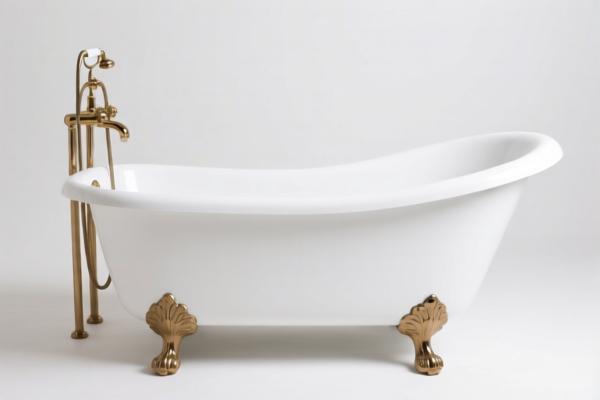
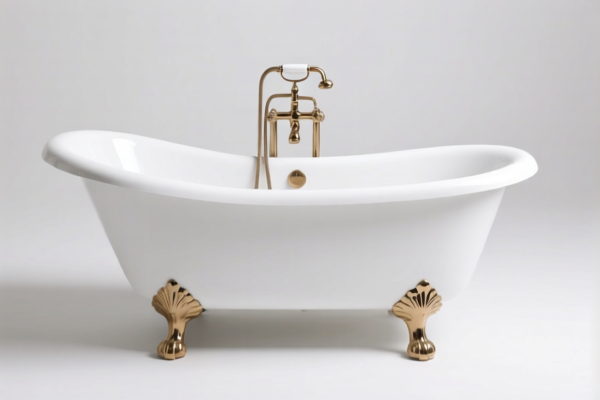
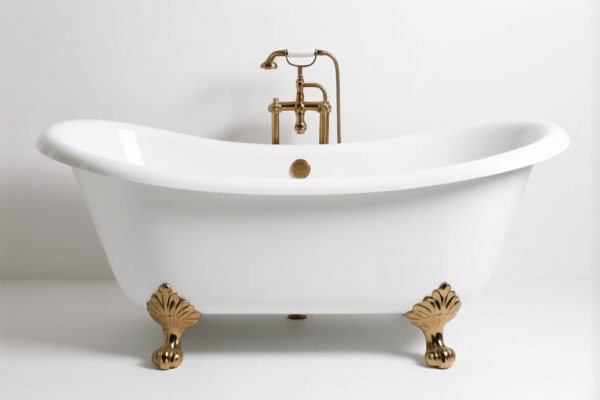
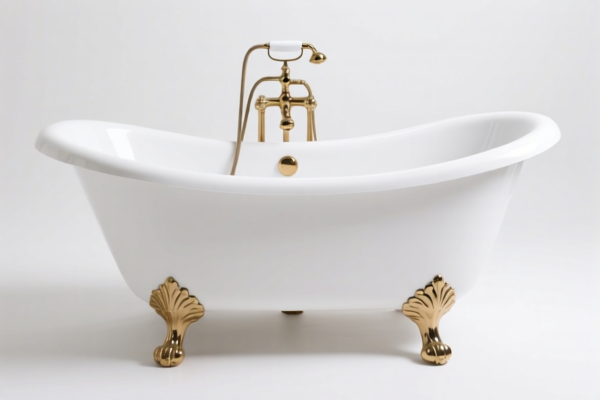
AI Analysis
🛁 Bath Tubs (Baths)
🌐 HS Code Reference & Customs Clearance Guide | 2026 Latest Tariff Analysis | Professional Clearance Strategy
📌 I. Product Definition and Classification: What Exactly is a "Bath"?
In international trade, "Baths" (bathtubs) are sanitary appliances designed for bathing. However, customs classification depends strictly on the material of manufacture. The most critical distinction lies between Ceramic, Plastic, and Metal (Iron/Steel) materials, as this determines the HS Code and, consequently, the tariff burden.
⚠️ Key Classification Logic:
- Ceramic Materials (Porcelain, Earthenware): Generally attracted to Chapter 69.
- Plastic Materials: Attracted to Chapter 39.
- Metal Materials (Cast Iron, Steel): Attracted to Chapter 73.
- Other Ceramic Sanitary Ware: If not specifically "bathtubs" but ceramic, may fall under 6910.90.
📦 II. HS Code Classification Details (2026 Latest Tariff Authority Comparison)
| HS Code | Product Description | Material Type | Matching Use/Condition |
|---|---|---|---|
6910.10.00.50 |
Ceramic Bathtubs | Ceramic | Specifically matched for sanitary appliances/bathtubs |
6910.90.00.00 |
Other Ceramic Sanitary Ware | Ceramic | Ceramic sanitary appliances matched for bath usage (non-specific tub) |
3922.90.00.00 |
Plastic Bathtubs | Plastic | Matched use: Baths |
7324.21.50.00 |
Cast Iron Bathtubs | Cast Iron | Matched form and use |
7324.29.00.00 |
Other Iron/Steel Bathtubs | Steel/Metal | Matched use: Bathtubs (Includes Steel, Aluminum, Copper products subject to additional 50% tax) |
🔍 Critical Distinction:
- Ceramic vs. Other Ceramic:6910.10.00.50is for specific "Bathtubs."6910.90.00.00is for "Other Sanitary Ware" (like sinks or tiles) that might be loosely associated with baths but aren't the primary tub product.
- Metal Types: Cast Iron (7324.21.50.00) has a lower base tariff than Steel/Metal (7324.29.00.00), but both face heavy Section 301 and IEEPA tariffs. Note that Steel/Aluminum/Copper products in this category face an additional 50% tariff on top of the Section 301 rate.
💰 III. 2026 Latest Tariff Rate Breakdown (Including Surcharges & Policy Add-ons)
✅ Applicable Country: United States (US)
✅ Origin: China (CN)
✅ Effective Time: Current regulations apply (Section 301 + IEEPA)
🎯 1. 6910.10.00.50 —— Ceramic Bathtubs
| Item | Details |
|---|---|
| Product | Ceramic Bathtubs |
| Base Tariff | 5.8% |
| Section 301 Surtax | 0.0% |
| Section 122 Surcharge | 10% |
| Total Tax Rate | 15.8% |
| Tax Calculation | CIF Value × 15.8% |
| Legal Path | Base 5.8% + Sec 122 10% |
📌 Explanation:
- Ceramic bathtubs have a 5.8% base rate.
- They are exempt from the standard 25% Section 301 tariff (likely due to specific exclusions or different chapter rules).
- However, they are subject to a 10% Section 122 surcharge.
- Result: The total duty is 15.8%, which is relatively competitive compared to metal/plastic alternatives.
🎯 2. 6910.90.00.00 —— Other Ceramic Sanitary Ware
| Item | Details |
|---|---|
| Product | Other Ceramic Sanitary Ware (Bath-related) |
| Base Tariff | 5.7% |
| Section 301 Surtax | 7.5% |
| Section 122 Surcharge | 10% |
| Total Tax Rate | 23.2% |
| Tax Calculation | CIF Value × 23.2% |
| Legal Path | Base 5.7% + Sec 301 7.5% + Sec 122 10% |
📌 Explanation:
- If the item is classified as "Other Ceramic Sanitary Ware" instead of specific "Bathtubs," it incurs a 7.5% Section 301 surcharge.
- Plus the standard 10% Section 122 surcharge.
- Result: Total tax rises to 23.2%. Precision in naming ("Bathtub" vs. "Sanitary Ware") is crucial here.
🎯 3. 3922.90.00.00 —— Plastic Bathtubs
| Item | Details |
|---|---|
| Product | Plastic Bathtubs |
| Base Tariff | 6.3% |
| Section 301 Surtax | 25.0% |
| Section 122 Surcharge | 10% |
| Total Tax Rate | 41.3% |
| Tax Calculation | CIF Value × 41.3% |
| Legal Path | Base 6.3% + Sec 301 25% + Sec 122 10% |
📌 Explanation:
- Plastic bathtubs face the full 25% Section 301 tariff.
- Plus 6.3% base rate and 10% Section 122 surcharge.
- Result: Total tax is 41.3%. This is a high-cost category due to the full Section 301 application.
🎯 4. 7324.21.50.00 —— Cast Iron Bathtubs
| Item | Details |
|---|---|
| Product | Cast Iron Bathtubs |
| Base Tariff | 0.0% |
| Section 301 Surtax | 25.0% |
| Section 122 Surcharge | 10% |
| Total Tax Rate | 35.0% |
| Tax Calculation | CIF Value × 35.0% |
| Legal Path | Base 0.0% + Sec 301 25% + Sec 122 10% |
📌 Explanation:
- Cast iron has a 0% base tariff.
- However, it is subject to the full 25% Section 301 surcharge.
- Plus 10% Section 122 surcharge.
- Result: Total tax is 35.0%. While better than plastic (41.3%), it is still significant.
🎯 5. 7324.29.00.00 —— Steel/Metal Bathtubs
| Item | Details |
|---|---|
| Product | Other Iron/Steel Bathtubs |
| Base Tariff | 0.0% |
| Section 301 Surtax | 7.5% |
| Additional Tariff (Steel/Al/Cu) | 50% |
| Section 122 Surcharge | 10% |
| Total Tax Rate | 67.5% |
| Tax Calculation | CIF Value × 67.5% |
| Legal Path | Base 0.0% + Sec 301 7.5% + Sec 122 10% + Additional 50% for Steel/Al/Cu |
📌 Explanation:
- This is the most expensive category.
- While the base rate is 0% and Section 301 is only 7.5%, there is a specific additional 50% tariff for Steel, Aluminum, and Copper products.
- Plus 10% Section 122 surcharge.
- Result: Total tax skyrockets to 67.5%. This effectively makes steel bathtubs prohibitively expensive to import from China to the US.
🛠️ IV. Customs Clearance Practical Advice (Pitfall Avoidance Guide)
✅ 1. Document Preparation Checklist
| Document | Required | Notes |
|---|---|---|
| ✅ Product Specification Sheet | ✔️ | Must clearly state material (e.g., "100% Cast Iron" vs. "Porcelain Ceramic"). |
| ✅ Material Composition Proof | ✔️ | For metal tubs, provide mill certificates or material test reports to prove if it is Cast Iron (7324.21) or Steel (7324.29). |
| ✅ Product Photos (Clear) | ✔️ | Show the entire tub, glaze details (for ceramic), and any markings. |
| ✅ Commercial Invoice | ✔️ | Description must match HS Code exactly (e.g., "Cast Iron Bathtub" not just "Bathtub"). |
| ✅ Packing List | ✔️ | Detail dimensions and weight for freight calculation. |
✅ 2. Declaration Tips (Key Mnemonics)
🔥 "Material is King, Name is Queen. Misclassify Steel, Pay 67.5%!"
| Scenario | Correct Declaration | Error Consequence |
|---|---|---|
| Porcelain Tub | Use 6910.10.00.50 |
Misclassifying as "Other Ceramic" (6910.90) increases tax from 15.8% to 23.2%. |
| Cast Iron Tub | Use 7324.21.50.00 |
Misclassifying as "Steel" (7324.29) increases tax from 35.0% to 67.5%. |
| Plastic Tub | Use 3922.90.00.00 |
No alternative low-tax category. Tax is fixed at 41.3%. |
| Mixed Materials | Declare primary material | If a tub has a ceramic shell but steel frame, consult customs for primary character. Risk of dispute. |
✅ 3. Special Considerations
| Situation | Handling Advice |
|---|---|
| Ceramic vs. Stone | Natural stone tubs may fall under different chapters (Chapter 68 or 71). Ensure "Ceramic" is accurate for 6910. |
| Section 122 Surcharge | This 10% applies to most of these items. Do not try to avoid it by slight misdeclaration; it is strictly enforced. |
| Steel Surcharge | The 50% additional tariff on Steel/Al/Cu is critical. If your "Steel" tub is actually Stainless Steel vs. Carbon Steel, verify if the exemption applies (usually not for general bathtubs). |
🌍 V. Global Market Clearance Comparison (2026 Latest)
| Country/Region | Recommended HS Code | Tariff Rate | Notes |
|---|---|---|---|
| 🇺🇸 USA | See above | 15.8% - 67.5% | Section 122 & 301 + Additional Steel Tariff make it high-cost. |
| 🇨🇳 China | 6910.10.00.00 | 5.8% | Lower base rates, no Section 301/122. |
| 🇪🇺 EU | 6910.10.00 | 0-5% | Generally low tariffs for ceramics. No Section 301 equivalent. |
| 🇬🇧 UK | 6910.10.00 | 0-5% | Post-Brexit tariffs are competitive for ceramics. |
| 🇨🇦 Canada | 6910.10.00 | 0% | Often 0% for ceramics from many countries under CUSMA/other FTAs. |
📌 Conclusion:
- The USA market is the most expensive due to the combination of Section 301, Section 122, and specific steel surcharges.
- Ceramic Bathtubs (6910.10.00.50) are the most tax-efficient option for the US market (15.8%).
- Steel Bathtubs are highly discouraged for US import from China due to the 67.5% total tax rate.
📌 VI. Common Errors & Pitfalls Guide (Lessons Learned)
❌ Error 1: Calling a Cast Iron Tub a "Steel Tub" to avoid Section 301?
👉 Consequence: Customs will inspect. If found to be Cast Iron, it might be 7324.21 (35%), but if misdeclared as Steel, you face penalties. If declared Steel, you pay 67.5%. Be accurate.
❌ Error 2: Calling a Porcelain Tub "Other Ceramic Sanitary Ware" (6910.90).
👉 Consequence: Tax jumps from 15.8% to 23.2%. Unnecessary loss of profit. Use 6910.10.00.50.
❌ Error 3: Ignoring the "Additional 50% Tariff" on Steel.
👉 Consequence: You might think 7324.29 is only 7.5% (Sec 301) + 10% (122) = 17.5%. WRONG. It is 17.5% + 50% = 67.5%. This error can bankrupt a shipment.
✅ Correct Approach:
"Cast Iron is 35%, Steel is 67.5%, Ceramic is 15.8%. Plastic is 41.3%. Choose Ceramic for best US margins."
🎯 VII. Conclusion: Professional Classification Saves Money!
🎯 Key Takeaway:
🔹 Material Dictates Tax: Ceramic is cheapest (15.8%), Plastic is mid (41.3%), Cast Iron is high (35%), Steel is highest (67.5%).
🔹 Precision Matters: "Bathtub" vs. "Sanitary Ware" changes ceramic tax by 7.4%.
🔹 Avoid Steel: Unless you have a unique exemption, avoid importing Steel Bathtubs from China to the US due to the 67.5% rate.
📌 Pro Tip:
If you are selling Ceramic Bathtubs, ensure your invoice explicitly states "Ceramic Bathtub, Model XYZ" to qualify for the lower 15.8% rate under 6910.10.00.50. Do not use vague terms like "Bathroom Fixture."
📣 Immediate Action:
📞 Consult your customs broker with product photos and material certificates.
🚀 Apply for an Advance Ruling if unsure between Cast Iron and Steel.
💡 Optimize Product Mix: Focus on Ceramic (6910.10.00.50) for the US market to maximize margin.
✨ Professional Customs Clearance Starts with Accurate HS Codes!
💼 Every Percent of Tariff Saved is Pure Profit!
Customer Reviews
About HS Code Classification
The Harmonized System (HS) is an internationally standardized nomenclature developed by the World Customs Organization (WCO) to classify traded products. Over 200 countries use the HS system as the basis for customs tariffs, trade statistics, and import/export regulations.
Each HS code follows a hierarchical structure:
- Chapter (2 digits) — Broad category of goods (e.g., Chapter 84: Machinery and Mechanical Appliances)
- Heading (4 digits) — More specific grouping within the chapter
- Subheading (6 digits) — Internationally standardized breakdown, used by all WCO member countries
- National subdivisions (8-10 digits) — Country-specific extensions for further classification, such as US HTSUS 10-digit codes
Correct HS code classification is essential for smooth customs clearance, accurate duty payment, and compliance with trade regulations. Misclassification can lead to customs delays, overpayment of duties, or penalties.
When importing from CN to US, the applicable tariff rates may include:
- Most-Favored-Nation (MFN) rate — The standard duty rate applied to WTO members
- General rate — Applied to countries without trade agreements
- Trade remedy duties — Additional tariffs such as Section 301 (anti-dumping), Section 232 (national security), or countervailing duties
The information provided on this page is for reference purposes only. For official classification, please consult with your local customs authority or a licensed customs broker.