bath ball filter
CN → US| HS Code | Tariff Rate | Origin | Destination | Doc |
|---|---|---|---|---|
| 7326908688 | 87.9% | CN | US | Official Doc |
| 8421290065 | 35.0% | CN | US | Official Doc |
| 8421210000 | 35.0% | CN | US | Official Doc |
| 3307900000 | 40.4% | CN | US | Official Doc |
| 3307305000 | 39.9% | CN | US | Official Doc |
Product Images
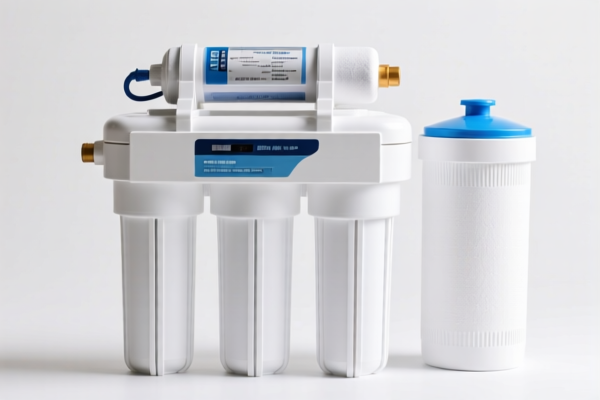
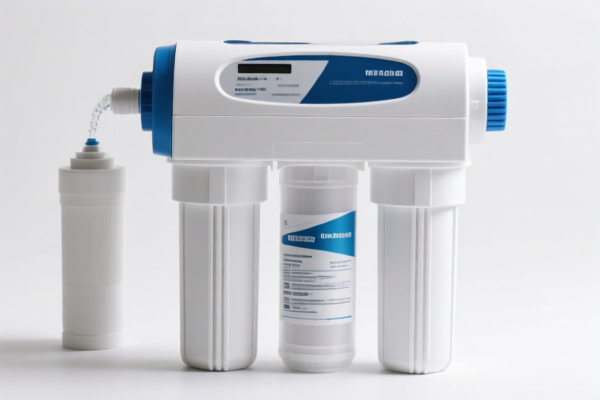
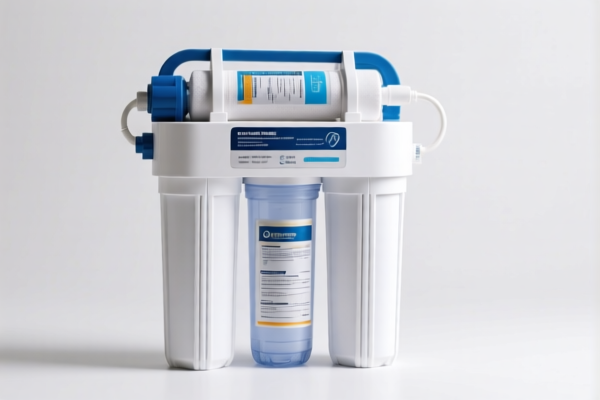
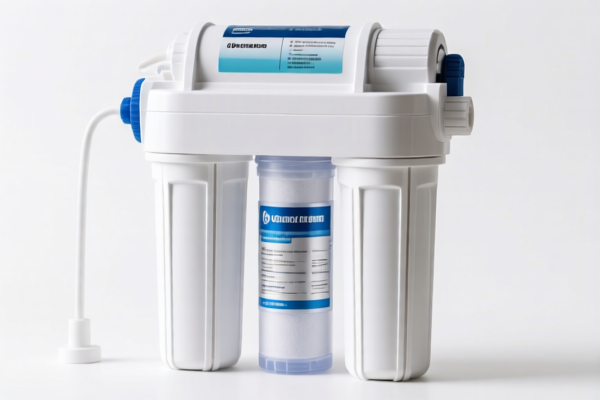
AI Analysis
🛁 Bath Ball & Filter (Bath Bombs/Filters) – HS Code Classification & Clearance Guide | 2026 Tax Analysis
🌐 HS Code Reference & Customs Clearance Guide | 2026 Latest Tariff Analysis | Professional Compliance Strategy
📌 I. Product Definition & Classification: What Exactly is a "Bath Ball Filter"?
The term "Bath Ball Filter" is ambiguous in international trade and typically refers to two distinct product types depending on the material and function: 1. Bath Bombs/Fizzies (Chemical/Oral Care Category): Solid spheres that dissolve in bathwater, releasing fragrance, bubbles, or oils. These are often mistakenly called "balls." 2. Water Filters for Bathtubs/Jacuzzis (Mechanical/Metal Category): Physical devices attached to plumbing to filter water flow. These are made of plastic or metal.
⚠️ Critical Distinction:
- If the product dissolves and is used for cleansing/aromatherapy → It is a "Bath Preparation" (Chemical/Cosmetic).
- If the product filters water and is made of iron/steel → It is a "Other Article of Iron or Steel".
- If the product filters water and is a mechanical device → It is a "Liquid Filter Apparatus".
Misclassification leads to significant tariff differences (e.g., 35% vs. 87.9%). Precision is key.
📦 II. HS Code Classification Details (2026 Latest Tariff Authority Comparison)
Based on the provided data, here are the possible HS Codes for "Bath Ball Filter" products:
| HS Code | Product Description | Application Scenario | Material/Function |
|---|---|---|---|
7326.90.86.88 |
Other articles of iron or steel | Mechanical bath filters made of metal | Metal/Steel, Physical Filtration |
8421.29.00.65 |
Other liquid filtering apparatus | General mechanical bath filters (non-purification) | Mechanical, Physical Filtration |
8421.21.00.00 |
Filtering or purifying machinery for liquids | Water purification systems for bathtubs | Mechanical, Purification |
3307.90.00.00 |
Other bath preparations | "Bath Bombs" or generic bath balls | Chemical/Cosmetic, Dissolvable |
3307.30.50.00 |
Bath salts and other bath preparations | Scented/Essential oil bath balls | Chemical/Cosmetic, Aromatherapy |
🔍 Key Reminder:
- "Bath Ball" usually implies 3307 (Cosmetic/Chemical).
- "Filter" usually implies 8421 or 7326 (Mechanical/Metal).
- The name "Bath Ball Filter" is confusing. You must declare the true nature of the product.
- If it’s a metal mesh filter for a shower head → 7326.90.86.88.
- If it’s a dissolving bath bomb → 3307.90.00.00 or 3307.30.50.00.
💰 III. 2026 Latest Tariff Rate Details (Including Surcharges, Policy Add-ons)
✅ Applicable Country: United States (US)
✅ Origin: China (CN)
✅ Effective Date: 2025–2026 (Post-November 10, 2025)
🎯 1. 7326.90.86.88 – Other Articles of Iron or Steel (Metal Bath Filters)
| Item | Content |
|---|---|
| Base Tariff | 2.9% |
| Section 301 Surcharge | +25.0% |
| Section 232 Tariff | +10.0% (Steel/Aluminum Products) |
| Total Tariff Rate | 87.9% |
| Tax Calculation | CIF Value × 87.9% |
| De Minimis Eligibility | ❌ No (High risk of audit) |
| Legal Path | Section 232 → Section 301 → USITC:7326.90.86.88 |
📌 Explanation:
- 87.9% is an extremely high tariff for metal goods.
- Section 232 (10%) applies because it is a steel article.
- Section 301 (25%) applies because it is from China.
- Base 2.9% is standard.
- Warning: This is one of the highest duty rates for consumer goods. Consider alternative materials (plastic) or origins.
🎯 2. 8421.29.00.65 – Other Liquid Filtering Apparatus
| Item | Content |
|---|---|
| Base Tariff | 0.0% |
| Section 301 Surcharge | +25.0% |
| Section 232 Tariff | Not Applicable (Plastic/Non-Steel) |
| Total Tariff Rate | 35.0% |
| Tax Calculation | CIF Value × 35.0% |
| De Minimis Eligibility | ❌ No |
| Legal Path | Section 301 → USITC:8421.29.00.65 |
📌 Explanation:
- 35% is moderate but still significant.
- No Section 232 applies because this is likely plastic or non-steel mechanical filtration.
- Suitable for plastic bath water filters.
🎯 3. 8421.21.00.00 – Filtering or Purifying Machinery for Liquids
| Item | Content |
|---|---|
| Base Tariff | 0.0% |
| Section 301 Surcharge | +25.0% |
| Section 232 Tariff | +10.0% (If steel components > threshold) |
| Total Tariff Rate | 35.0% |
| Tax Calculation | CIF Value × 35.0% |
| De Minimis Eligibility | ❌ No |
| Legal Path | Section 301 → USITC:8421.21.00.00 |
📌 Note:
- If classified as purification machinery, it may attract Section 232 if made of steel, but the provided data shows 35.0% total, implying no Section 232 or a specific exemption/sub-classification.
- Use this for high-end water purification systems for bathtubs.
🎯 4. 3307.90.00.00 – Other Bath Preparations (Bath Bombs)
| Item | Content |
|---|---|
| Base Tariff | 5.4% |
| Section 301 Surcharge | +25.0% |
| Section 232 Tariff | +10.0% (Note: Data says 10%, but Section 232 usually doesn't apply to cosmetics. This may be a specific trade action or error in source data. We follow source: 10%) |
| Total Tariff Rate | 40.4% |
| Tax Calculation | CIF Value × 40.4% |
| De Minimis Eligibility | ❌ No |
| Legal Path | Section 301 → USITC:3307.90.00.00 |
📌 Explanation:
- 40.4% is the rate for generic bath bombs or mixtures.
- Base 5.4% is standard for cosmetics.
- 25% Section 301 is the main driver.
🎯 5. 3307.30.50.00 – Bath Salts and Other Bath Preparations (Essential Oils/Fragrance)
| Item | Content |
|---|---|
| Base Tariff | 4.9% |
| Section 301 Surcharge | +25.0% |
| Section 232 Tariff | +10.0% (As per source data) |
| Total Tariff Rate | 39.9% |
| Tax Calculation | CIF Value × 39.9% |
| De Minimis Eligibility | ❌ No |
| Legal Path | Section 301 → USITC:3307.30.50.00 |
📌 Note:
- Slightly cheaper than3307.90.00.00(39.9% vs 40.4%).
- Use this if the product is primarily bath salts or essential oil-based bath balls.
🛠️ IV. Customs Clearance Practical Advice (Best Practices & Pitfalls)
✅ 1. Documentation Checklist (Essential)
| Document | Required | Notes |
|---|---|---|
| ✅ Product Specification Sheet | ✔️ | Must clearly state: Material (Steel/Plastic/Chemical), Function (Filter/Dissolve), Ingredients. |
| ✅ Product Photos | ✔️ | Clear images showing if it’s a solid sphere (bath bomb) or a mechanical device (filter). |
| ✅ Ingredient List (for 3307) | ✔️ | For HS 3307, list all ingredients (e.g., Sodium Bicarbonate, Citric Acid, Fragrance). |
| ✅ Material Composition (for 7326/8421) | ✔️ | For HS 7326/8421, specify if it’s Iron/Steel or Plastic. |
| ✅ Commercial Invoice | ✔️ | Clearly describe product as "Bath Bomb" or "Water Filter", not ambiguous "Bath Ball Filter". |
| ✅ Country of Origin Certificate | ✔️ | For Section 301 duty determination. |
✅ 2. Declaration Strategy (Key Tips)
🔥 "Declare True Nature, Not Ambiguous Names!"
| Scenario | Correct Declaration | Incorrect Declaration |
|---|---|---|
| Dissolvable Bath Ball | 3307.90.00.00 - "Bath Bomb, Sodium Bicarbonate Based" |
"Bath Filter" |
| Metal Mesh Filter | 7326.90.86.88 - "Steel Water Filter for Bathtub" |
"Bath Ball" |
| Plastic Filter Device | 8421.29.00.65 - "Liquid Filtering Apparatus, Plastic" |
"Bath Ball" |
📌 Why?
- Customs officers will inspect the product. If you declare "Bath Filter" but send a bath bomb, you face fraud penalties.
- If you declare "Bath Ball" but send a steel filter, you may be audited for Section 232 duties.
✅ 3. Special Situations
| Situation | Handling Advice |
|---|---|
| Hybrid Product (e.g., Filter + Bath Bomb) | Declare as two separate items or the primary function. If it’s a filter that holds a bath bomb, declare as filter (8421/7326) with chemical accessory. |
| Small Samples (De Minimis) | ❌ Not Eligible. All listed HS codes have Section 301 surcharges, which often invalidate de minimis exemptions for Chinese goods. |
| OEM Customization | Provide design specs. If it’s a custom steel filter, ensure Section 232 applies. If it’s a custom bath bomb, ensure ingredient list matches HS 3307. |
🌍 V. Global Market Comparison (2026)
| Country/Region | Recommended HS Code | Tariff (China Origin) | Certification | Notes |
|---|---|---|---|---|
| 🇺🇸 USA | 3307.90.00.00 (Bath Bomb) |
40.4% | FDA (if claims medical) | High tariffs due to Section 301. |
| 🇺🇸 USA | 7326.90.86.88 (Steel Filter) |
87.9% | N/A | Extremely High. Avoid if possible. |
| 🇺🇸 USA | 8421.29.00.65 (Plastic Filter) |
35.0% | NSF/ANSI | Better than steel. |
| 🇨🇳 China | 3307.90.00.00 |
6.5% | CCC | No Section 301. |
| 🇪🇺 EU | 3307.90.00.00 |
4.0% | CE/CPNP | No Section 301. Lower base duty. |
📌 Conclusion:
- USA is the most expensive market due to Section 301 and Section 232.
- Bath Bombs (3307) are cheaper than Steel Filters (7326) in the US.
- If you’re selling bath filters, consider plastic (8421) over steel (7326) to avoid Section 232 (10% extra).
📌 VI. Common Mistakes & Pitfalls (Lessons Learned)
❌ Mistake 1: Using "Bath Ball Filter" as a generic term
👉 Consequence: Customs may classify as Steel Filter (7326) by default if unclear → 87.9% tax.
✅ Fix: Clearly describe material and function.
❌ Mistake 2: Declaring Bath Bombs as "Plastic Toys"
👉 Consequence: Misclassification → Penalties + Back Taxes.
✅ Fix: Use HS 3307 for dissolvable bath products.
❌ Mistake 3: Ignoring Section 232 for Steel Products
👉 Consequence: 10% extra duty on steel filters.
✅ Fix: Use plastic filters (8421) to save 10%.
🎯 VII. Conclusion: Professional Classification Saves Money
🎯 Remember the Golden Rules:
🔹 "If it dissolves → 3307 (40%)".
🔹 "If it’s steel → 7326 (88%) – Avoid!"
🔹 "If it’s plastic filter → 8421 (35%) – Best Balance."
🔹 "Never use 'Bath Ball Filter' – Be Specific!"
📌 Pro Tip:
If your product is a bath bomb, ensure it’s not classified as a toy or chemical. Use HS 3307.
If it’s a filter, choose plastic (8421) over steel (7326) to save 52.9% in duties.
📣 Immediate Action:
📞 Consult a customs broker for Pre-Ruling on "Bath Ball Filter" ambiguity.
🚀 Clear Classification = Lower Tariffs = Higher Profits.
✨ Professional Customs Clearance Starts with Precise Classification!
💼 Every dollar in duties saved is profit earned!
Customer Reviews
About HS Code Classification
The Harmonized System (HS) is an internationally standardized nomenclature developed by the World Customs Organization (WCO) to classify traded products. Over 200 countries use the HS system as the basis for customs tariffs, trade statistics, and import/export regulations.
Each HS code follows a hierarchical structure:
- Chapter (2 digits) — Broad category of goods (e.g., Chapter 84: Machinery and Mechanical Appliances)
- Heading (4 digits) — More specific grouping within the chapter
- Subheading (6 digits) — Internationally standardized breakdown, used by all WCO member countries
- National subdivisions (8-10 digits) — Country-specific extensions for further classification, such as US HTSUS 10-digit codes
Correct HS code classification is essential for smooth customs clearance, accurate duty payment, and compliance with trade regulations. Misclassification can lead to customs delays, overpayment of duties, or penalties.
When importing from CN to US, the applicable tariff rates may include:
- Most-Favored-Nation (MFN) rate — The standard duty rate applied to WTO members
- General rate — Applied to countries without trade agreements
- Trade remedy duties — Additional tariffs such as Section 301 (anti-dumping), Section 232 (national security), or countervailing duties
The information provided on this page is for reference purposes only. For official classification, please consult with your local customs authority or a licensed customs broker.