bath bombs
CN → US| HS Code | Tariff Rate | Origin | Destination | Doc |
|---|---|---|---|---|
| 3307301000 | 40.8% | CN | US | Official Doc |
| 2501000000 | 35.0% | CN | US | Official Doc |
| 3307305000 | 39.9% | CN | US | Official Doc |
| 3304995000 | 35.0% | CN | US | Official Doc |
| 3304910050 | 35.0% | CN | US | Official Doc |
Product Images
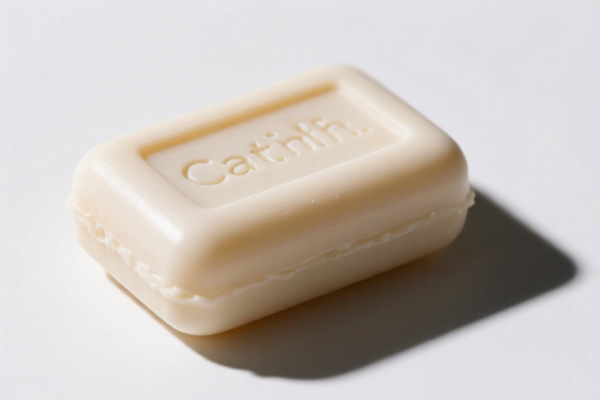
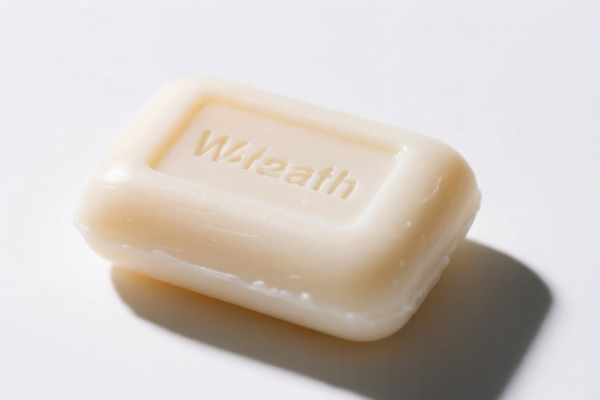
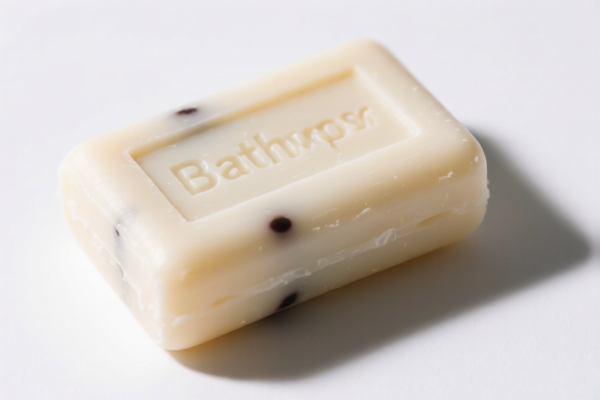
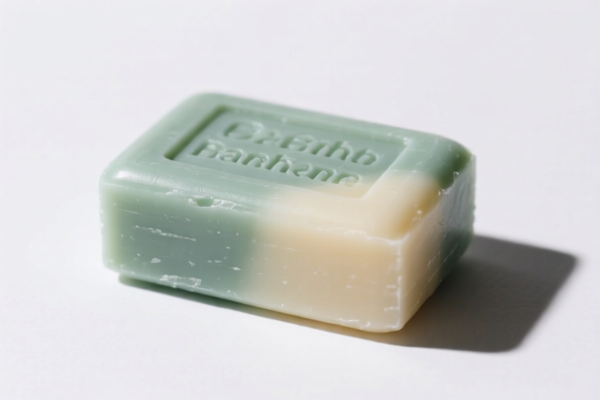
AI Analysis
🧼 Bath Bombs (Bath Salt Spheres)
🌐 HS Code Reference & Customs Clearance Guide | 2026 Latest Tariff Analysis | Professional Clearance Strategy
📌 Part I: Product Definition & Classification: What Exactly Are "Bath Bombs"?
Bath bombs, technically known as Bath Salt Spheres, are popular bath additives that dissolve in water to release bubbles, scents, and colors. In international trade, their classification is complex because they straddle multiple categories: Cosmetics, Hygiene Preparations, and Chemical Salts.
The classification depends on: 1. Primary Ingredient: Is it mostly Sodium Chloride (Table Salt)? 2. Function/Intent: Is it for fragrance/aromatherapy (Perfume/Deodorant) or skin care (Cosmetic)? 3. Physical Form: Is it a powder, a sphere, or a liquid?
⚠️ Key Distinction:
- If the primary purpose is salting/food-grade or industrial → Classify under Chapter 25.
- If the primary purpose is aromatherapy/fragrance → Classify under Chapter 33 (Perfumes/Deodorants).
- If the primary purpose is skin conditioning/beauty → Classify under Chapter 33 (Cosmetics).
📦 Part II: HS Code Classification Details (2026 Latest Tariff Authoritative Comparison)
| HS Code | Product Description | Applicable Scenario | Primary Function |
|---|---|---|---|
2501.00.00.00 |
Bath Salt Spheres mainly composed of Sodium Chloride (NaCl) | Basic bath salts, low-cost, no fragrance | Salinity/Chemical Salt |
3307.30.50.00 |
Fragrant Bath Salts & Other Bath Preparations | Scented bath bombs, aromatherapy focus | Fragrance/Deodorant |
3304.99.50.00 |
Skin Care Preparations (Other) | Cosmetic bath bombs with skin-nourishing oils | Skin Care/Cosmetic |
3304.91.00.50 |
Other Powder Preparations | Pressed powder form bath bombs | Powder/Cosmetic |
3307.30.10.00 |
Bath Salts (Specific Category) | Standard bath salt products for bathing | Hygiene/Bath Preparation |
🔍 Key Reminder:
- "Fragrance" is King: Most commercial bath bombs contain essential oils and baking soda. Customs typically prioritize Chapter 33 over Chapter 25 unless it is pure, unflavored industrial salt. - Form Matters: If pressed into a powder shape,3304.91.00.50might be argued, but3307(Bath preparations) is often more specific for "bath bombs."
💰 Part III: 2026 Latest Tariff Rate Details (Including Additional Taxes & Policy Surcharges)
✅ Applicable Country: United States (US)
✅ Origin: China (CN)
✅ Effective Time: 2025/2026 (Current Trade War Era)
🎯 1. 2501.00.00.00 —— Basic Sodium Chloride (Salt)
| Item | Details |
|---|---|
| Base Tariff | 0.0% (ad valorem) |
| Section 301 Additional Tax | +25.0% |
| Section 122 Tariff | +10.0% |
| Total Tax Rate | 35.0% |
| Tax Calculation | CIF Value × 35% |
| De Minimis Exemption | ❌ Not Eligible (Due to 301/122 clauses) |
| Legal Basis Path | USITC:2501.00.00.00 → Section 301: Footnote 9903.88.01 → Section 122 |
📌 Explanation:
- This is the lowest tax bracket for bath bombs, but it requires the product to be pure sodium chloride without significant cosmetic/perfume additives.
- If your bath bomb contains essential oils, citric acid, or dyes, Customs may reclassify it away from this code, leading to penalties.
🎯 2. 3307.30.50.00 —— Fragrant Bath Salts & Other Bath Preparations
| Item | Details |
|---|---|
| Base Tariff | 4.9% |
| Section 301 Additional Tax | +25.0% |
| Section 122 Tariff | +10.0% |
| Total Tax Rate | 39.9% |
| Tax Calculation | CIF Value × 39.9% |
| De Minimis Exemption | ❌ Not Eligible |
| Legal Basis Path | USITC:3307.30.50.00 → Section 301 → Section 122 |
📌 Note:
- This is a common classification for high-end, scented bath bombs.
- The base tariff is higher than basic salt, but it accurately reflects the product's nature as a perfumed bath preparation.
🎯 3. 3304.99.50.00 —— Skin Care Preparations (Other)
| Item | Details |
|---|---|
| Base Tariff | 0.0% |
| Section 301 Additional Tax | +25.0% |
| Section 122 Tariff | +10.0% |
| Total Tax Rate | 35.0% |
| Tax Calculation | CIF Value × 35% |
| De Minimis Exemption | ❌ Not Eligible |
| Legal Basis Path | USITC:3304.99.50.00 → Section 301 → Section 122 |
📌 Explanation:
- Use this if your bath bombs are marketed primarily as skin moisturizers (e.g., containing shea butter, coconut oil) with minimal fragrance.
- Similar total tax to basic salt, but requires strict cosmetic labeling compliance (FD&C Act).
🎯 4. 3304.91.00.50 —— Other Powder Preparations
| Item | Details |
|---|---|
| Base Tariff | 0.0% |
| Section 301 Additional Tax | +25.0% |
| Section 122 Tariff | +10.0% |
| Total Tax Rate | 35.0% |
| Tax Calculation | CIF Value × 35% |
| De Minimis Exemption | ❌ Not Eligible |
| Legal Basis Path | USITC:3304.91.00.50 → Section 301 → Section 122 |
📌 Note:
- Applicable if the bath bomb is sold as a pressed powder rather than a spherical bomb.
- Technically accurate for powder form, but less common for typical "bomb" shapes.
🎯 5. 3307.30.10.00 —— Bath Salts (Specific Category)
| Item | Details |
|---|---|
| Base Tariff | 5.8% |
| Section 301 Additional Tax | +25.0% |
| Section 122 Tariff | +10.0% |
| Total Tax Rate | 40.8% |
| Tax Calculation | CIF Value × 40.8% |
| De Minimis Exemption | ❌ Not Eligible |
| Legal Basis Path | USITC:3307.30.10.00 → Section 301 → Section 122 |
📌 Warning:
- This has the highest total tax rate (40.8%) among the listed codes.
- Use only if specifically classified as "Bath Salts" under this specific subheading. Avoid if possible unless other codes are clearly inapplicable.
🛠️ Part IV: Customs Clearance Practical Advice (Battle-Tested Pitfall Guide)
✅ 1. Document Checklist (None Missing Allowed)
| Document | Required | Description |
|---|---|---|
| ✅ Product Spec Sheet | ✔️ | List ingredients: % of Sodium Bicarbonate, % of Citric Acid, % of Essential Oils, % of Salt. |
| ✅ Product Photos | ✔️ | Clear images showing the shape (sphere, cube), packaging, and label. |
| ✅ Usage Instructions | ✔️ | "For external use only," "Do not eat," etc. |
| ✅ Ingredient List | ✔️ | Must match FDA cosmetic labeling requirements if claiming cosmetic benefits. |
| ✅ Commercial Invoice | ✔️ | Accurate description: "Scented Bath Bomb, for cosmetic use." |
| ✅ Bill of Lading | ✔️ | Ensure weight and dimensions match the invoice. |
✅ 2. Declaration Tips (Key Mnemonics)
🔥 "Scented is Chapter 33, Pure Salt is Chapter 25, Don't Lie or You Pay!"
| Scenario | Correct Declaration | Wrong Action |
|---|---|---|
| Scented Bath Bomb | 3307.30.50.00 or 3304.99.50.00 |
Declare as 2501.00.00.00 to save tax → Customs Audit & Penalty! |
| Plain Salt Ball | 2501.00.00.00 |
Declare as 3307 to look more premium → Unnecessary 4.9% base tax |
| Skin Care Bomb | 3304.99.50.00 |
Declare as 2501 if it contains oils → Misclassification Risk |
| Mixed Bag (Salt + Scented) | Split Declaration | Declare all as one HS Code → Confusion & Delays |
✅ 3. Special Situation Handling
| Situation | Handling Advice |
|---|---|
| FDA Registration | If classified under 3304 or 3307 (Cosmetics/Perfumes), ensure the facility is FDA Registered and products are listed in the VCRP. |
| Prop 65 (California) | If exporting to California, check for chemicals above safe harbor levels. Add warning labels if necessary. |
| Essential Oils | Ensure MSDS/SDS is provided if the essential oils are flammable. Some carriers may charge additional fees. |
| Pre-Order/Seasonal | Bath bombs are popular in Q4. Plan inventory early to avoid port congestion. |
🌍 Part V: Global Market Comparison (2026 Latest)
| Country/Region | Recommended HS Code | Tariff Rate | Certification Requirements | Notes |
|---|---|---|---|---|
| 🇺🇸 USA | 3307.30.50.00 |
39.9% | FDA Cosmetic Registration | High 301 & 122 tariffs apply. |
| 🇪🇺 EU | 3307.30.50.00 |
0% (Most) | CPNP Notification, EPR | No 301 tariffs. Focus on EU cosmetic regulations. |
| 🇨🇳 China | 3307.30.50.00 |
5-7% | NMPA Registration (if special use) | Lower base tariffs. |
| 🇬🇧 UK | 3307.30.50.00 |
0% | UK Cosmetic Regulation | Post-Brexit rules apply. |
📌 Conclusion:
- The USA is the most expensive market for bath bombs due to Section 301 and 122 tariffs.
- China and EU offer lower base tariffs but have stricter cosmetic safety documentation requirements (CPNP in EU, NMPA in China).
📌 Part VI: Common Mistakes & Pitfall Guide (Blood-Teaching Lessons)
❌ Mistake 1: Declaring scented bath bombs as "Salt" (2501.00.00.00)
👉 Consequence: Customs detects essential oils → Reclassification to 3307 → Back taxes + penalties + possible seizure.
❌ Mistake 2: Not providing an SDS for products with flammable essential oils
👉 Consequence: Shipping carrier refusal or additional hazardous material fees.
❌ Mistake 3: Ignoring FDA Cosmetic Facility Registration
👉 Consequence: Goods held at US border for "Cosmetic Violation" → Delays and fines.
❌ Mistake 4: Using generic descriptions like "Bath Product" on Invoice
👉 Consequence: Customs cannot determine HS Code → Audit Flag → Inspection delay.
✅ Correct Action:
Description: "Fragrant Bath Bomb, for Cosmetic Use, Contains Sodium Bicarbonate, Citric Acid, and Essential Oils, Model XYZ, FDA Registered Facility."
🎯 Part VII: Conclusion: Professional Declaration, Save Cost & Time!
🎯 Remember the Mantra:
🔹 "Scented = 3307/3304 (Cosmetic), Pure = 2501 (Salt)."
🔹 "Total Tax = Base + 25% (301) + 10% (122)."
🔹 "Always Have FDA Registration for Cosmetic Claims."
📌 Pro Tip:
If your bath bombs are packaged as a set (e.g., Box of 6), declare the unit price per box but list the individual HS Code for the content. Ensure the total CIF value reflects the correct dutiable value.
📣 Immediate Action:
📞 Contact a licensed customs broker + Provide Ingredient List + Verify FDA Registration Status
🚀 Let your bath bombs dissolve smoothly through customs, not through red tape!
✨ Professional Customs Clearance Starts with Accurate Classification!
💼 Your Every Penny Saved is a Penny Earned in Profit!
Customer Reviews
About HS Code Classification
The Harmonized System (HS) is an internationally standardized nomenclature developed by the World Customs Organization (WCO) to classify traded products. Over 200 countries use the HS system as the basis for customs tariffs, trade statistics, and import/export regulations.
Each HS code follows a hierarchical structure:
- Chapter (2 digits) — Broad category of goods (e.g., Chapter 84: Machinery and Mechanical Appliances)
- Heading (4 digits) — More specific grouping within the chapter
- Subheading (6 digits) — Internationally standardized breakdown, used by all WCO member countries
- National subdivisions (8-10 digits) — Country-specific extensions for further classification, such as US HTSUS 10-digit codes
Correct HS code classification is essential for smooth customs clearance, accurate duty payment, and compliance with trade regulations. Misclassification can lead to customs delays, overpayment of duties, or penalties.
When importing from CN to US, the applicable tariff rates may include:
- Most-Favored-Nation (MFN) rate — The standard duty rate applied to WTO members
- General rate — Applied to countries without trade agreements
- Trade remedy duties — Additional tariffs such as Section 301 (anti-dumping), Section 232 (national security), or countervailing duties
The information provided on this page is for reference purposes only. For official classification, please consult with your local customs authority or a licensed customs broker.