bath cleaning supplies
CN → US| HS Code | Tariff Rate | Origin | Destination | Doc |
|---|---|---|---|---|
| 4015129000 | 49.0% | CN | US | Official Doc |
| 4015195100 | 49.0% | CN | US | Official Doc |
| 3306200000 | 17.5% | CN | US | Official Doc |
| 3306100000 | 10.0% | CN | US | Official Doc |
| 9603210000 | 17.5% | CN | US | Official Doc |
| 3401111000 | 35.0% | CN | US | Official Doc |
Product Images
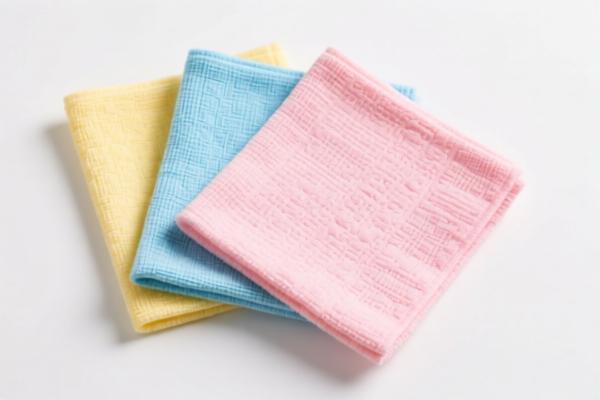
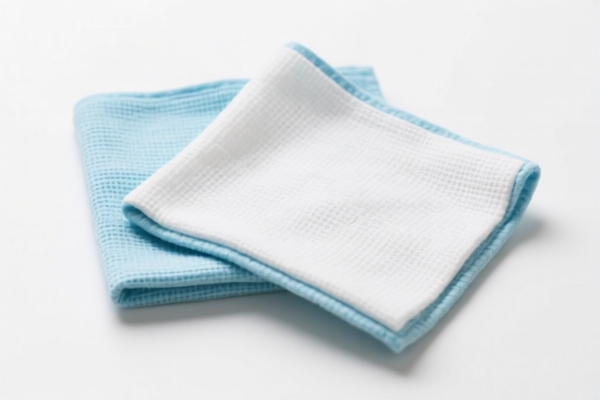
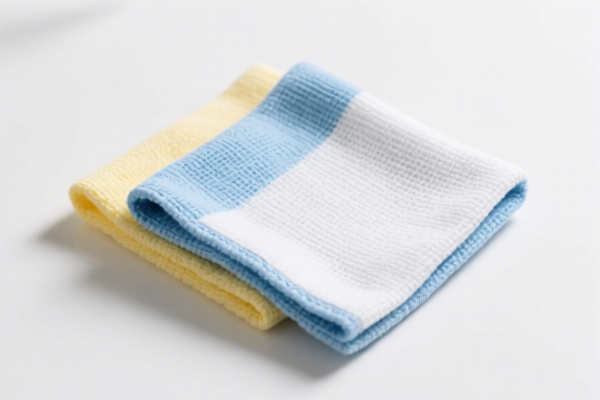
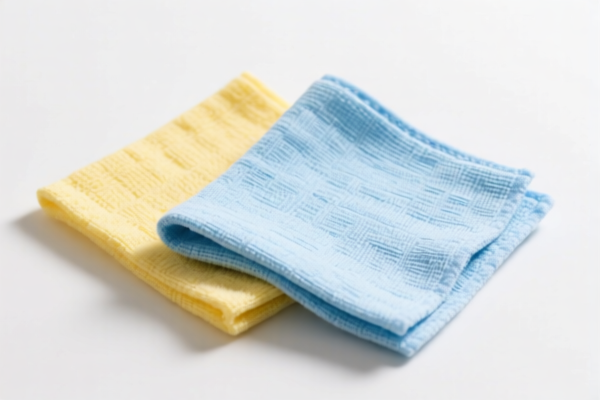
AI Analysis
🚿 Bath Cleaning Supplies (Personal Hygiene & Oral Care Kits)
🌐 HS Code Reference & Customs Clearance Guide | 2026 Latest Tariff Analysis | Professional Clearance Strategy
📌 I. Product Definition: What Exactly Are "Bath Cleaning Supplies"?
In international trade, "Bath Cleaning Supplies" is a broad category that typically encompasses personal hygiene products used for daily cleansing. However, customs authorities do not have a single HS Code for this generic term. Instead, classification depends strictly on the material and specific function of each item within the kit.
These products generally fall into two distinct tariff categories: 1. Rubber/Plastic Items: Gloves, waterproof accessories. 2. Oral Hygiene Items: Toothbrushes, toothpaste, dental floss.
⚠️ Critical Distinction:
- If the item is a glove (rubber/plastic) → It falls under Chapter 40 (Rubber Goods).
- If the item is a brush (plastic/bristles) → It falls under Chapter 96 (Artificial/Plastic Flowers, Fruits or Vegetables, or Parts Thereof / Brushware).
- If the item is toothpaste/floss → It falls under Chapter 33 (Essential Oils, Perfumery, Toilet Preparations).
- If the item is soap → It falls under Chapter 34 (Soap, Organic Surface-Active Agents).
📦 II. HS Code Classification Details (2026 Latest Tariff Authority)
| HS Code | Product Description | Applicable Scenario | Material/Component |
|---|---|---|---|
4015.12.90.00 |
Rubber Gloves & Other Hygienic/Professional Apparel | Rubber gloves used for cleaning or bathing; protective accessories. | Rubber |
4015.19.51.00 |
Other Rubber Hygienic/Protective Articles | Other rubber protective items (e.g., rubber mats, non-glove attachments) for bath/cleaning. | Rubber |
3306.20.00.00 |
Dental Floss (with or without wax/coating) | Dental floss for cleaning interdental spaces; overlaps with oral hygiene scope. | Thread/Fiber |
3306.10.00.00 |
Toothpaste & Other Dental Pastes (in ready-for-use packing) | Toothpaste, tooth powders; oral hygiene preparations. | Paste/Chemical Mixture |
9603.21.00.00 |
Toothbrushes | Hand-held toothbrushes (including dental plate brushes); brushware. | Plastic/Bristles |
3401.11.10.00 |
Soap (in Bars, Slabs, or Blocks) | Solid soaps for washing the skin; organic surface-active products. | Soap/Surfactant |
🔍 Key Reminder:
- "Bath Supplies" is not a valid customs description. You must declare specific items (e.g., "Rubber Gloves," "Toothbrushes," "Toothpaste").
- Items mixed in one kit must be declared separately if they fall under different chapters, unless they are considered a "set" for retail sale (which still often requires primary character determination).
💰 III. 2026 Latest Tariff Rate Breakdown (Including Surcharges & Policy Add-ons)
✅ Applicable Country: United States (US)
✅ Country of Origin: China (CN)
✅ Effective Date: November 10, 2025 (and subsequent imports)
🎯 1. 4015.12.90.00 & 4015.19.51.00 —— Rubber Gloves & Protective Accessories
| Item | Content |
|---|---|
| Basic Tariff | 14.0% (ad valorem) |
| Section 301 Surcharge | +25.0% |
| Section 122 Tariff | +10.0% |
| Total Tax Rate | 49.0% |
| Tax Calculation | CIF Value × 49.0% |
| De Minimis Eligibility | ❌ Not Eligible (High tax rate denies de minimis exemption in many strict interpretations) |
| Legal Basis Path | USITC:4015.12.90.00 → Section 301: Footnote 9903.88.01 → Section 122: IEEPA Authority |
📌 Explanation:
- Rubber gloves and protective gear from China are heavily taxed. The 14% base duty is significant, plus the 25% Section 301 tariff and 10% Section 122 tariff.
- Total burden: 49%. This makes cheap rubber gloves highly susceptible to anti-dumping duties or scrutiny.
🎯 2. 3306.20.00.00 —— Dental Floss
| Item | Content |
|---|---|
| Basic Tariff | 0.0% |
| Section 301 Surcharge | +7.5% |
| Section 122 Tariff | +10.0% |
| Total Tax Rate | 17.5% |
| Tax Calculation | CIF Value × 17.5% |
| De Minimis Eligibility | ⚠️ Check Carefully (While base is 0%, Section 122 may complicate de minimis clearance for small parcels) |
| Legal Basis Path | USITC:3306.20.00.00 → Section 301: Footnote 9903.88.01 → Section 122: IEEPA Authority |
📌 Explanation:
- Floss has a 0% base duty, but the 10% Section 122 tariff applies to many consumer goods from China.
- Total burden: 17.5%.
🎯 3. 3306.10.00.00 —— Toothpaste
| Item | Content |
|---|---|
| Basic Tariff | 0.0% |
| Section 301 Surcharge | 0.0% |
| Section 122 Tariff | +10.0% |
| Total Tax Rate | 10.0% |
| Tax Calculation | CIF Value × 10.0% |
| De Minimis Eligibility | ⚠️ Check Carefully (Low base duty, but Section 122 still applies) |
| Legal Basis Path | USITC:3306.10.00.00 → Section 122: IEEPA Authority |
📌 Explanation:
- Toothpaste is treated favorably with 0% base and 0% Section 301.
- Only the 10% Section 122 tariff applies.
- Total burden: 10%. This is the most tax-efficient item in the kit.
🎯 4. 9603.21.00.00 —— Toothbrushes
| Item | Content |
|---|---|
| Basic Tariff | 0.0% |
| Section 301 Surcharge | +7.5% |
| Section 122 Tariff | +10.0% |
| Total Tax Rate | 17.5% |
| Tax Calculation | CIF Value × 17.5% |
| De Minimis Eligibility | ⚠️ Check Carefully |
| Legal Basis Path | USITC:9603.21.00.00 → Section 301: Footnote 9903.88.01 → Section 122: IEEPA Authority |
📌 Explanation:
- Plastic toothbrushes have 0% base duty but face the same 7.5% Section 301 and 10% Section 122 as floss.
- Total burden: 17.5%.
🎯 5. 3401.11.10.00 —— Solid Soap
| Item | Content |
|---|---|
| Basic Tariff | 0.0% |
| Section 301 Surcharge | +25.0% |
| Section 122 Tariff | +10.0% |
| Total Tax Rate | 35.0% |
| Tax Calculation | CIF Value × 35.0% |
| De Minimis Eligibility | ❌ Not Eligible (High surcharge typically blocks de minimis advantages) |
| Legal Basis Path | USITC:3401.11.10.00 → Section 301: Footnote 9903.88.01 → Section 122: IEEPA Authority |
📌 Explanation:
- Solid soap has a 0% base duty, but the 25% Section 301 tariff applies (likely due to chemical/surfactant classification).
- Plus 10% Section 122.
- Total burden: 35%.
🛠️ IV. Customs Clearance Practical Advice (Real-World Pitfall Guide)
✅ 1. Required Documentation Checklist (No Exceptions)
| Document | Mandatory | Explanation |
|---|---|---|
| ✅ Product Specification Sheet | ✔️ | Must list material (e.g., "Nitrile Rubber," "BPA-Free Plastic," "Sodium Fluoride Paste"). |
| ✅ Ingredients List | ✔️ | For toothpaste/soap, list active ingredients to confirm Chapter 33/34 classification. |
| ✅ Product Photos (Clear) | ✔️ | Show bristles, packaging, and any warnings (e.g., "Keep out of reach of children"). |
| ✅ Commercial Invoice | ✔️ | Must NOT say "Bath Supplies." Use specific terms: "Rubber Gloves," "Toothbrush," "Toothpaste." |
| ✅ Packing List | ✔️ | Detail each item separately. Do not lump them as "Set." |
| ✅ Third-Party Certifications | ✔️ | FDA (for toothpaste/soap contact), CPSIA (for children’s items), etc. |
✅ 2. Declaration Tips (Key Mantra)
🔥 "Specific Names, Specific Codes. Never 'Bath Supplies'!"
| Scenario | Correct Declaration | Wrong Action |
|---|---|---|
| Kit contains Gloves + Toothpaste | Declare two lines: 4015.12.90 and 3306.10.00 |
Declare as "Bath Kit" → Customs Rejection |
| Toothbrush with plastic handle | 9603.21.00.00 |
Misdeclare as "Plastic Part" (3926.90) → Audit Risk |
| Solid Soap Bar | 3401.11.10.00 |
Misdeclare as "Cosmetic" (3305.90) → Incorrect Tax |
| Dental Floss Box | 3306.20.00.00 |
Misdeclare as "Textile" (5519) → Class Error |
✅ 3. Special Case Handling
| Scenario | Handling Advice |
|---|---|
| "Gift Sets" or "Travel Kits" | US Customs may apply the highest duty rate in the set if not properly separated. Best Practice: List items separately on the invoice even if physically packed together. |
| Children’s Toothbrushes | Ensure CPSIA compliance. If lacking, expect detention. |
| Liquid Toothpaste > 100ml | If shipping via courier (e.g., DHL/FedEx), ensure it complies with dangerous goods (liquid) regulations if not properly declared as non-hazardous. |
| Soap with "Medicated" Claims | May be classified as a Drug (Chapter 30) rather than Soap (Chapter 34). Check FDA status. |
🌍 V. Global Market Comparison (2026 Latest)
| Country/Region | Recommended HS Code | Tariff (CN Origin) | Certification Req. | Notes |
|---|---|---|---|---|
| 🇺🇸 USA | Varies by Item (See Above) | 10% - 49% | FDA, CPSIA | Section 122 & 301 apply. High tax burden. |
| 🇨🇳 China | Same Codes | Low (0-10%) | CCC (if applicable) | No Section 301/122. |
| 🇪🇺 EU | Same Codes | 0-6% | REACH, CPSR (Soap) | No Section 122. Focus on chemical compliance. |
| 🇦🇺 Australia | Same Codes | 5% | TGA (for toothpaste) | No Section 301. |
| 🇯🇵 Japan | Same Codes | 0-8% | PSE (if electric), JIS | No Section 301. |
📌 Conclusion:
- USA is the most tax-heavy market for these goods due to Section 122 (10%) and Section 301 (up to 25%).
- Rubber Gloves (4015.12.90) are the most expensive item to import into the US (49%).
- Toothpaste (3306.10.00) is the most tax-efficient (10%).
📌 VI. Common Errors & Pitfall Guide (Lessons Learned)
❌ Mistake 1: Declaring "Bath Supplies" or "Hygiene Kit" as a single line item.
👉 Consequence: Customs cannot assign one HS Code. Delay, fines, or return.
❌ Mistake 2: Ignoring Section 122 Tariff for items like Soap and Toothpaste.
👉 Consequence: Underpayment of 10%. Back taxes + penalties.
❌ Mistake 3: Misclassifying Rubber Gloves as "Textiles" (6116).
👉 Consequence: Base duty is 0% for textiles, but 14% for rubber. Major underpayment.
❌ Mistake 4: Combining Toothbrushes and Toothpaste in one declaration line.
👉 Consequence: Confusion between Chapter 96 and 33. Audit flag.
✅ Correct Approach:
"Item 1: Nitrile Rubber Gloves, Size M, Box of 100, HS 4015.12.90"
"Item 2: Fluoride Toothpaste, 100g Tube, HS 3306.10.00"
"Item 3: Plastic Bristle Toothbrush, HS 9603.21.00"
🎯 VII. Conclusion: Precision in Classification Saves Money!
🎯 Key Takeaways:
🔹 "One Name, One Code." Never use generic terms.
🔹 "Rubber is Expensive." Gloves (4015) face 49% total tax.
🔹 "Paste is Cheaper." Toothpaste (3306) faces only 10% total tax.
🔹 "Section 122 is Universal." The 10% surcharge applies to almost all these items.
📌 Pro Tip:
If you are importing mixed kits, consider shipping items separately if the cost difference is significant (e.g., shipping gloves separately might be less optimal, but separating soap from gloves might help if you have duty drawbacks).
Always apply for an Advance Ruling if your kit composition is complex.
📣 Immediate Action:
📞 Consult a Customs Broker + Provide Itemized List + Verify Section 122 Eligibility
🚀 Ensure Smooth Clearance, Avoid Surprises, Maximize Profit Margins!
✨ Professional Customs Clearance Starts with Accurate Classification!
💼 Your Every Cent is Worth Calculating Precisely!
Customer Reviews
About HS Code Classification
The Harmonized System (HS) is an internationally standardized nomenclature developed by the World Customs Organization (WCO) to classify traded products. Over 200 countries use the HS system as the basis for customs tariffs, trade statistics, and import/export regulations.
Each HS code follows a hierarchical structure:
- Chapter (2 digits) — Broad category of goods (e.g., Chapter 84: Machinery and Mechanical Appliances)
- Heading (4 digits) — More specific grouping within the chapter
- Subheading (6 digits) — Internationally standardized breakdown, used by all WCO member countries
- National subdivisions (8-10 digits) — Country-specific extensions for further classification, such as US HTSUS 10-digit codes
Correct HS code classification is essential for smooth customs clearance, accurate duty payment, and compliance with trade regulations. Misclassification can lead to customs delays, overpayment of duties, or penalties.
When importing from CN to US, the applicable tariff rates may include:
- Most-Favored-Nation (MFN) rate — The standard duty rate applied to WTO members
- General rate — Applied to countries without trade agreements
- Trade remedy duties — Additional tariffs such as Section 301 (anti-dumping), Section 232 (national security), or countervailing duties
The information provided on this page is for reference purposes only. For official classification, please consult with your local customs authority or a licensed customs broker.