bath flower
CN → US| HS Code | Tariff Rate | Origin | Destination | Doc |
|---|---|---|---|---|
| 3307305000 | 39.9% | CN | US | Official Doc |
| 3307900000 | 40.4% | CN | US | Official Doc |
| 2501000000 | 35.0% | CN | US | Official Doc |
| 3304995000 | 35.0% | CN | US | Official Doc |
| 3304910050 | 35.0% | CN | US | Official Doc |
Product Images
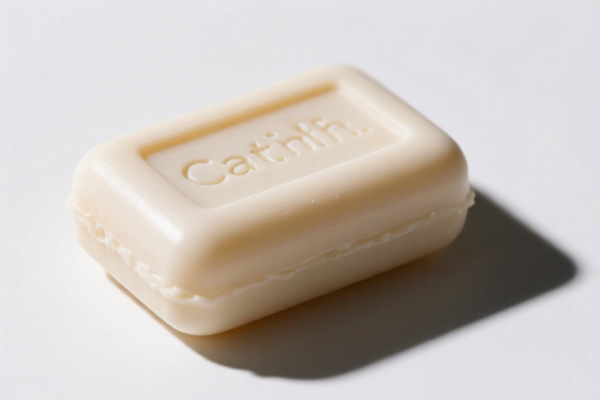
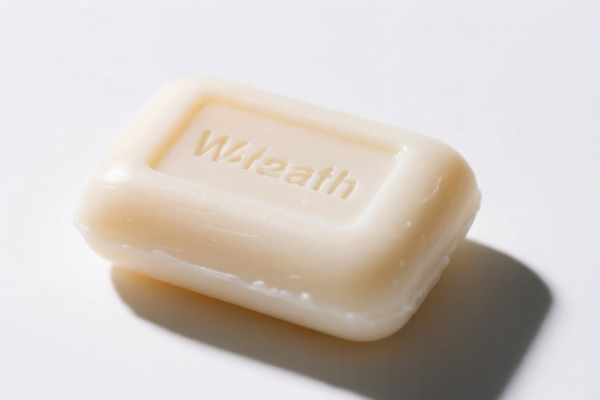
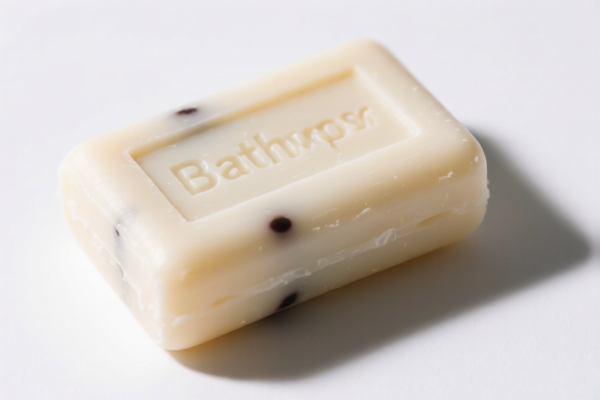
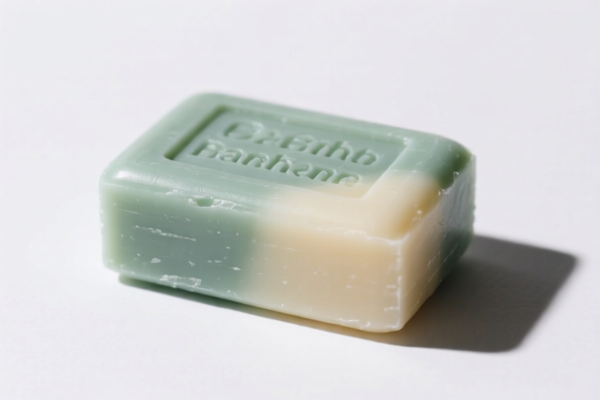
AI Analysis
🌸 Bath Flower (Bath Bombs / Effervescent Bath Spheres)
🌐 HS Code Reference & Clearance Guide | 2026 Latest Tariff Analysis | Professional Customs Strategy
📌 I. Product Definition & Classification: What Exactly is a "Bath Flower"?
In international trade, "Bath Flower" (commonly known as Bath Bombs, Bath Fizzes, or Effervescent Bath Spheres) refers to spherical or flower-shaped solid preparations designed for use in bathwater. They typically dissolve to release fragrance, color, and moisturizing agents.
Depending on the primary composition and intended function, these products fall into two main categories: 1. Cosmetic/Personal Care Preparations: If the primary purpose is skin care, beautification, or general bathing aid (containing essential oils, salts, clays, etc.). 2. Chemical/Material Substances: If the primary component is a specific chemical like pure salt (Sodium Chloride) or a basic chemical mixture not primarily classified as a cosmetic preparation.
⚠️ Key Distinction Point:
- If the product is a complex mixture for beauty/bathing (essential oils, fragrances, skin conditioners) → Generally falls under Chapter 33 (Essential Oils; Perfumery, Cosmetic or Toilet Preparations).
- If the product is primarily Salt (Sodium Chloride) used for bathing → May fall under Chapter 25 (Salt; Sulfurs; Earths and Stone).
- If it is a powder/press form for beauty → May fall under Chapter 33 (Other cosmetic preparations).
📦 II. HS Code Classification Details (2026 Latest Tariff Authority Comparison)
Based on the provided data, here are the precise HS Codes applicable to "Bath Flowers":
| HS Code | Product Description | Application Scenario | Primary Component/Feature |
|---|---|---|---|
3307.30.50.00 |
Bath balls or similar bathing preparations, used as bath aids, belonging to the category of bathing preparations. | Standard bath bombs with fragrance/moisturizers. | Bathing Preparation (Chapter 33) |
3307.90.00.00 |
Bath balls or similar bath preparations, conforming to the description of bath preparations. | General bath preparations not specifically listed elsewhere. | Other Bathing Preparation (Chapter 33) |
2501.00.00.00 |
Bath salt balls or similar salt-containing products, primarily composed of Sodium Chloride. | Products where salt is the dominant ingredient. | Salt (Chapter 25) |
3304.99.50.00 |
Bath salt balls or similar skin care preparations, material contains salt/oils, used for beauty or bathing. | Skin-care focused products with salt/oil bases. | Beauty/Skin Care Prep (Chapter 33) |
3304.91.00.50 |
Bath salt balls or similar mineral/salt preparations, spherical in shape, belonging to compacted powder cosmetic preparations. | Compressed powder/shape beauty preparations. | Compacted Powder Cosmetic (Chapter 33) |
🔍 Key Reminder:
- "Bath Bombs" with complex ingredients (essential oils, baking soda, citric acid, fragrances) are most commonly classified under 3307.30.50.00 or 3307.90.00.00 because their primary function is a "toilet/cosmetic preparation."
- If the product is almost 100% Salt with minimal additives, customs may insist on 2501.00.00.00.
- If the product is marketed specifically as a skincare treatment (e.g., "exfoliating salt bomb"), 3304.99.50.00 or 3304.91.00.50 might be applied.
💰 III. 2026 Latest Tariff Rate Details (Including Additional Taxes & Policy Surcharges)
✅ Applicable Country: United States (US)
✅ Origin: China (CN)
✅ Effective Date: November 10, 2025 onwards (including subsequent imports)
🎯 1. 3307.30.50.00 —— Bath Balls/Preparations (Bathing Aid Category)
| Item | Content |
|---|---|
| Base Tariff | 4.9% (ad valorem) |
| Section 301 Additional Tariff | +25.0% |
| Section 122 Tariff | +10.0% |
| Total Tariff Rate | 39.9% |
| Tax Calculation | CIF Value × 39.9% |
| De Minimis Exemption Eligible? | ❌ NO (deny_de_minimis) |
| Legal Basis Path | Section 301 → Section 122 → HS 3307.30.50.00 |
📌 Explanation:
- Base 4.9%: Standard MFN rate for other essential oils/preparations.
- 301 Tariff (+25%): Standard trade war tariff for Chinese goods in this category.
- Section 122 (+10%): Additional tariff under Section 232 of the Trade Expansion Act (often applied to goods affecting national security, though frequently debated in cosmetics, it is listed here).
- Total Cost Impact: This is a high-tax category. Importers must account for nearly 40% extra cost.
🎯 2. 3307.90.00.00 —— Other Bath Preparations
| Item | Content |
|---|---|
| Base Tariff | 5.4% (ad valorem) |
| Section 301 Additional Tariff | +25.0% |
| Section 122 Tariff | +10.0% |
| Total Tariff Rate | 40.4% |
| Tax Calculation | CIF Value × 40.4% |
| De Minimis Exemption Eligible? | ❌ NO (deny_de_minimis) |
| Legal Basis Path | Section 301 → Section 122 → HS 3307.90.00.00 |
📌 Note:
- Slightly higher base rate (5.4%) than 3307.30 (4.9%), leading to a total of 40.4%.
- Applies to general bath preparations not specifically classified as "bath balls" or "perfumes."
🎯 3. 2501.00.00.00 —— Salt (Bath Salt Balls)
| Item | Content |
|---|---|
| Base Tariff | 0.0% (ad valorem) |
| Section 301 Additional Tariff | +25.0% |
| Section 122 Tariff | +10.0% |
| Total Tariff Rate | 35.0% |
| Tax Calculation | CIF Value × 35.0% |
| De Minimis Exemption Eligible? | ❌ NO (deny_de_minimis) |
| Legal Basis Path | Section 301 → Section 122 → HS 2501.00.00.00 |
📌 Advantage:
- Lowest Total Tariff (35%) among the options because the Base Tariff is 0%.
- Risk: Customs may reclassify this as a cosmetic (3307) if it contains significant fragrance/oils, increasing the tax. Use only if the product is >90% pure salt.
🎯 4. & 5. 3304.99.50.00 & 3304.91.00.50 —— Skin Care/Compacted Powders
| Item | Content |
|---|---|
| Base Tariff | 0.0% (ad valorem) |
| Section 301 Additional Tariff | +25.0% |
| Section 122 Tariff | +10.0% |
| Total Tariff Rate | 35.0% |
| Tax Calculation | CIF Value × 35.0% |
| De Minimis Exemption Eligible? | ❌ NO (deny_de_minimis) |
| Legal Basis Path | Section 301 → Section 122 → HS 3304.99.50.00 / 3304.91.00.50 |
📌 Strategy:
- Also 35% total rate.
- Useful if the "Bath Flower" is marketed as a skin exfoliant or mineral mask rather than just a bath toy.
- Requires strong documentation proving "skin care" function over "fragrance/bath aid."
🛠️ IV. Customs Clearance Practical Advice (Battle-Tested Pitfall Avoidance)
✅ 1. Required Documentation List (Non-negotiable)
| Document | Must Provide? | Explanation |
|---|---|---|
| ✅ Product Specification Sheet | ✔️ | List all ingredients, percentages (especially Salt vs. Oils), and physical form. |
| ✅ Ingredient List (INCI) | ✔️ | Crucial for distinguishing between Cosmetic (Ch 33) and Chemical (Ch 25). |
| ✅ Product Photos | ✔️ | Show the shape, packaging, and any "skin care" labels. |
| ✅ Commercial Invoice | ✔️ | Must clearly state: "Bath Bombs / Bath Spheres" and HS Code. |
| ✅ Bill of Lading / Packing List | ✔️ | Verify weight vs. declared value. |
| ✅ Certificate of Origin | ✔️ | Proof of Chinese origin triggers 301/122 tariffs. |
✅ 2. Declaration Tips (Key Mantras)
🔥 "Function Defines Function, Composition Defines Code!"
| Scenario | Correct Declaration | Incorrect Declaration |
|---|---|---|
| Standard Scented Bath Bomb | 3307.30.50.00 (Bath Preparation) |
Calling it "Salt" → Risk of reclassification to 3307 |
| High-Salt Exfoliating Ball | 2501.00.00.00 OR 3304.99.50.00 |
Calling it "Perfume" → Unlikely, may be penalized |
| Complex Beauty Bath Sphere | 3304.99.50.00 (Skin Care) |
Calling it "Toy" → Prohibited/Wrong Chapter |
| Fragrance-Heavy Bomb | 3307.30.50.00 |
Calling it "Chemical" → Unlikely, high base tax |
📌 Critical Note:
- Do not declare as "Plastic Toy" or "Soap" unless they are exactly that. Bath bombs are distinct.
- Section 122 applies to most of these categories regardless of the specific subheading under 33 or 25.
✅ 3. Special Case Handling
| Situation | Handling Advice |
|---|---|
| OEM Private Label | Provide brand authorization and formula sheets. Customs may check for "Cosmetic Registration" (though US FDA is less strict on import classification, documentation helps). |
| Mixed Bundles | If shipped with bath toys, declare separately. Do not bundle under one HS Code unless the toy is incidental. |
| "Natural" Marketing | If you claim "100% Natural Salt," ensure no >5% essential oils are present, or be prepared to classify under Ch 33. |
🌍 V. Global Market Clearance Comparison (2026 Latest)
| Country/Region | Recommended HS Code | Tariff (China Origin) | Certification Requirements | Notes |
|---|---|---|---|---|
| 🇺🇸 USA | 3307.30.50.00 |
39.9% | FDA (Cosmetic) + Prop 65 (if CA) | High tax due to 301+122. |
| 🇪🇺 EU | 3307.30 |
0%~6.5% | CPNP Notification + GMP | Lower base tariff, no 301. |
| 🇨🇳 China | 3307.30 |
0%~10% | NMPA (if medical claim) | Domestic sales exempt from export tariffs. |
| 🇬🇧 UK | 3307.30 |
0%~6.5% | UK CPNP | Post-Brexit rules similar to EU. |
| 🇯🇵 Japan | 3307.30 |
0%~5% | PMDA (if quasi-drug) | Strict on "drug-like" claims. |
📌 Conclusion:
- USA is the most expensive market for Bath Flowers due to the cumulative effect of Base Tariff + Section 301 + Section 122.
- Total Tax Load: Expect to pay 35% to 40.4% of the CIF value in duties alone.
- Margin Protection: Ensure your pricing model includes this 35-40% tax burden, or explore supply chain diversification (e.g., manufacturing in Vietnam/Thailand for potential duty avoidance, subject to rules of origin).
📌 VI. Common Errors & Pitfalls (Blood & Tears Lessons)
❌ Error 1: Declaring as "Plastic Bath Toys"
👉 Consequence: Seizure for Misclassification. Bath bombs are consumable preparations, not durable goods.
👉 Correct: HS 3307.30.50.00.
❌ Error 2: Ignoring Section 122 Tariff
👉 Consequence: Underpayment by 10%. Customs will assess back taxes + penalties.
👉 Correct: Always include the 10% Section 122 surcharge in cost calculations.
❌ Error 3: Using "Salt" HS Code for Fragranced Bombs
👉 Consequence: Customs may reclassify to Ch 33 (39.9%) from Ch 25 (35%), leading to additional duty + interest.
👉 Correct: If >5% essential oils/fragrance, classify under Ch 33.
✅ Correct Practice:
"Effervescent Bath Spheres, Scented with Lavender Oil, for Cosmetic Bathing Use. HS: 3307.30.50.00. Origin: China."
🎯 VII. Conclusion: Professional Declaration, Cost Control, Efficiency!
🎯 Remember the Mantra:
🔹 "Bath Bombs are Cosmetics, Not Toys!"
🔹 "35-40% Tax in USA is Real, Plan Ahead!"
🔹 "Salt vs. Oil is the Key, Don't Get it Wrong!"
📌 Pro Tip:
If your product is exporting to other markets (EU, Asia), the tax burden is significantly lower.
For US Market, consider:
1. Advance Ruling: Apply for a Customs Ruling to confirm the HS Code before shipping.
2. Supply Chain Optimization: If volume is high, evaluate manufacturing in non-China countries to avoid Section 301/122 tariffs (if eligible).
3. Cost Absorption: Build the ~40% tariff into your wholesale price.
📣 Immediate Action:
📞 Consult a US Customs Broker + Provide Ingredient List + Pre-Ship Verification
🚀 Clear Customs Smoothly, Protect Margins, Scale Your Brand!
✨ Professional Customs Clearance Starts with Accurate Classification!
💼 Every Penny of Tax Matters!
Customer Reviews
About HS Code Classification
The Harmonized System (HS) is an internationally standardized nomenclature developed by the World Customs Organization (WCO) to classify traded products. Over 200 countries use the HS system as the basis for customs tariffs, trade statistics, and import/export regulations.
Each HS code follows a hierarchical structure:
- Chapter (2 digits) — Broad category of goods (e.g., Chapter 84: Machinery and Mechanical Appliances)
- Heading (4 digits) — More specific grouping within the chapter
- Subheading (6 digits) — Internationally standardized breakdown, used by all WCO member countries
- National subdivisions (8-10 digits) — Country-specific extensions for further classification, such as US HTSUS 10-digit codes
Correct HS code classification is essential for smooth customs clearance, accurate duty payment, and compliance with trade regulations. Misclassification can lead to customs delays, overpayment of duties, or penalties.
When importing from CN to US, the applicable tariff rates may include:
- Most-Favored-Nation (MFN) rate — The standard duty rate applied to WTO members
- General rate — Applied to countries without trade agreements
- Trade remedy duties — Additional tariffs such as Section 301 (anti-dumping), Section 232 (national security), or countervailing duties
The information provided on this page is for reference purposes only. For official classification, please consult with your local customs authority or a licensed customs broker.