bathtub
CN → US| HS Code | Tariff Rate | Origin | Destination | Doc |
|---|---|---|---|---|
| 6910100050 | 15.8% | CN | US | Official Doc |
| 3922900000 | 41.3% | CN | US | Official Doc |
| 7324215000 | 35.0% | CN | US | Official Doc |
| 7324290000 | 60.0% | CN | US | Official Doc |
| 6910900000 | 23.2% | CN | US | Official Doc |
Product Images
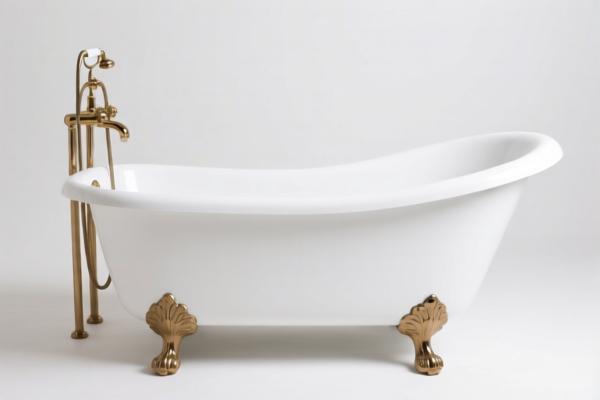
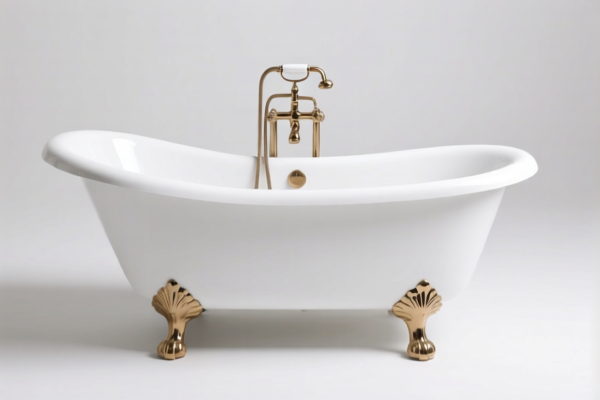
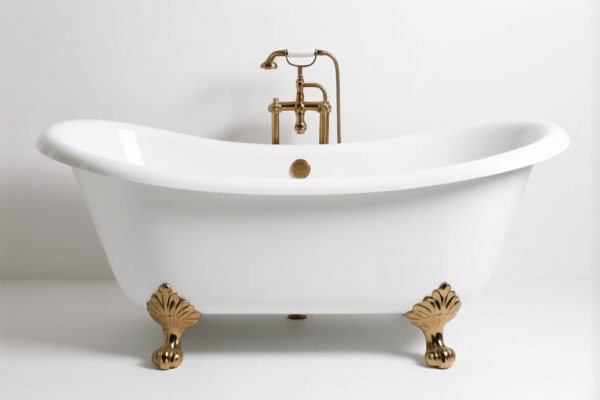
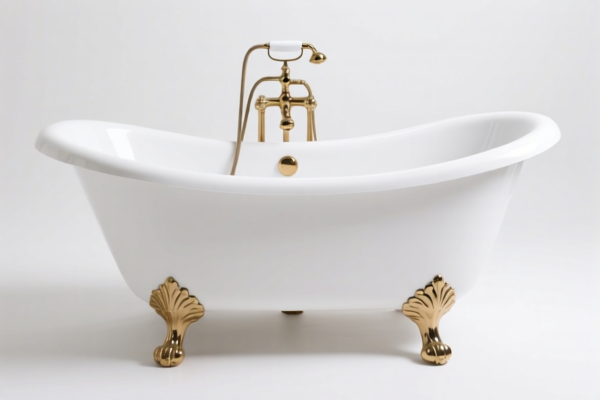
AI Analysis
🛁 Bathtub (Bath Tubs)
🌐 HS Code Reference & Customs Clearance Guide | 2026 Latest Tariff Analysis | Professional Clearance Strategy
📌 I. Product Definition & Classification: Do You Really Understand "Bathtubs"?
Bathtubs are essential sanitary ware used in residential, commercial, and hospitality bathrooms. In international trade, they are classified based on the primary material of construction. Misclassification leads to significant tariff discrepancies and customs delays.
The data provided distinguishes four main categories: 1. Cast Iron: Heavy, durable, traditional enamel-on-iron tubs. 2. Steel/Metal (Non-Cast): Steel tubs, aluminum, or copper fixtures. 3. Ceramic/Porcelain: Standard vitreous china/porcelain tubs. 4. Plastic: Acrylic, fiberglass, or polymer-based tubs.
⚠️ Key Distinction Point:
- If the base material is iron/cast iron → HS7324.21.50.00
- If the base material is steel/aluminum/copper (not cast) → HS7324.29.00.00
- If the base material is ceramic/porcelain → HS6910.90.00.00or6910.10.00.50
- If the base material is plastic/acrylic → HS3922.90.00.00
📦 II. HS Code Classification Details (2026 Latest Tariff Authority)
| HS Code | Product Description | Material Type | Key Feature |
|---|---|---|---|
7324.21.50.00 |
Cast Iron Bathtubs | Cast Iron | Enamel-coated cast iron; heavy-duty; traditional |
7324.29.00.00 |
Steel/Metal Bathtubs | Steel, Aluminum, Copper | Non-cast metal tubs; often thinner, modern designs |
6910.90.00.00 |
Ceramic Sanitary Wares (Bathtubs) | Ceramic/Porcelain | Standard vitreous ceramic; general category |
6910.10.00.50 |
Ceramic Sanitary Wares (Bathtubs) | Ceramic/Porcelain | Specific sub-category for ceramic tubs (often white/bright finish) |
3922.90.00.00 |
Plastic Bathtubs | Plastic (Acrylic/Fiberglass) | Lightweight, molded plastic; modern/contemporary styles |
🔍 Important Reminder:
- Material determines the HS Code. Do not classify based on shape or function alone.
- "Cast Iron" vs. "Steel": Cast iron is poured/molten iron with high carbon content. Steel is rolled or formed. The tariff implications differ significantly.
- Ceramic Variants:6910.10.00.50is a specific sub-heading for ceramic tubs, often with different duty rates than the general6910.90.00.00.
💰 III. 2026 Latest Tariff Rate Details (Including Surtaxes & Policy Add-ons)
✅ Applicable Country: United States (US)
✅ Origin: China (CN)
✅ Effective Date: 2025/2026 (Current Trade Policy)
🎯 1. 7324.21.50.00 —— Cast Iron Bathtubs
| Item | Content |
|---|---|
| Base Tariff | 0.0% |
| Surtax (Section 301) | +25.0% |
| Section 122 Tax | +10.0% |
| Total Tax Rate | 35.0% |
| Tax Calculation | CIF Value × 35% |
| De Minimis Exemption | ❌ Not Eligible |
| Legal Basis | Base 0% + Sec 301 25% + Sec 122 10% |
📌 Explanation:
- Cast iron tubs face a 35% total tax burden.
- The 10% Section 122 tax is a specific surcharge added to certain steel/iron products.
- This is a high-cost category for importers.
🎯 2. 7324.29.00.00 —— Steel/Aluminum/Copper Bathtubs
| Item | Content |
|---|---|
| Base Tariff | 0.0% |
| Surtax | 0.0% (Base Surtax) |
| Steel/Aluminum/Copper Surtax | +50.0% |
| Section 122 Tax | +10.0% |
| Total Tax Rate | 60.0% |
| Tax Calculation | CIF Value × 60% |
| De Minimis Exemption | ❌ Not Eligible |
| Legal Basis | Steel/Aluminum/Copper Tariff 50% + Sec 122 10% |
📌 Critical Warning:
- This is the highest tax category in the dataset.
- Steel, aluminum, and copper products face a 50% surtax under specific trade measures, plus an additional 10% Section 122 tax.
- Total 60% tax rate makes this the least cost-effective option for Chinese-origin steel/aluminum tubs entering the US.
🎯 3. 6910.90.00.00 —— Ceramic Sanitary Wares (Bathtubs)
| Item | Content |
|---|---|
| Base Tariff | 5.7% |
| Surtax | +7.5% |
| Section 122 Tax | +10.0% |
| Total Tax Rate | 23.2% |
| Tax Calculation | CIF Value × 23.2% |
| De Minimis Exemption | ❌ Not Eligible |
| Legal Basis | Base 5.7% + Surtax 7.5% + Sec 122 10% |
📌 Explanation:
- Ceramic tubs have a moderate tax burden.
- The 7.5% surtax is lower than the steel/aluminum surtax.
- 23.2% is still significant but lower than metal categories.
🎯 4. 6910.10.00.50 —— Ceramic Sanitary Wares (Specific Sub-category)
| Item | Content |
|---|---|
| Base Tariff | 5.8% |
| Surtax | 0.0% |
| Section 122 Tax | +10.0% |
| Total Tax Rate | 15.8% |
| Tax Calculation | CIF Value × 15.8% |
| De Minimis Exemption | ❌ Not Eligible |
| Legal Basis | Base 5.8% + Sec 122 10% |
📌 Opportunity:
- This specific ceramic sub-category has the lowest tax rate among all options: 15.8%.
- It avoids the 7.5% surtax applied to the general ceramic category (6910.90.00.00).
- Strategy: If your product qualifies under6910.10.00.50, prioritize this classification for cost savings.
🎯 5. 3922.90.00.00 —— Plastic Bathtubs
| Item | Content |
|---|---|
| Base Tariff | 6.3% |
| Surtax (Section 301) | +25.0% |
| Section 122 Tax | +10.0% |
| Total Tax Rate | 41.3% |
| Tax Calculation | CIF Value × 41.3% |
| De Minimis Exemption | ❌ Not Eligible |
| Legal Basis | Base 6.3% + Sec 301 25% + Sec 122 10% |
📌 Explanation:
- Plastic tubs face a 41.3% total tax.
- The 25% Section 301 surtax is a major factor.
- Higher than ceramic but lower than steel/cast iron.
🛠️ IV. Customs Clearance Practical Advice (Combat Pitfalls Guide)
✅ 1. Required Documentation Checklist (Non-negotiable)
| Document | Mandatory | Description |
|---|---|---|
| ✅ Product Specification Sheet | ✔️ | Must clearly state primary material (e.g., "Cast Iron," "Acrylic," "Ceramic"). |
| ✅ Product Photos | ✔️ | Clear images of the tub, including any labels, tags, or internal structure if possible. |
| ✅ Bill of Lading / Packing List | ✔️ | Accurate description matching HS Code. |
| ✅ Commercial Invoice | ✔️ | Value declaration, country of origin (China), and correct HS Code. |
| ✅ Material Test Report | ✔️ | To prove material composition (e.g., ceramic vs. plastic coating on metal). |
✅ 2. Declaration Tips (Key Mantra)
🔥 "Material First, HS Code Precise, Avoid Metal Penalties!"
| Scenario | Correct Declaration | Wrong Practice |
|---|---|---|
| Cast Iron Tub | 7324.21.50.00 |
Misdeclare as "Ceramic" → Risk of audit & penalties |
| Steel/Aluminum Tub | 7324.29.00.00 |
Underdeclare as "Plastic" → 60% tax vs 41.3% + fraud risk |
| Ceramic Tub | 6910.10.00.50 (if applicable) |
Use 6910.90.00.00 → Pay 23.2% instead of 15.8% |
| Acrylic Tub | 3922.90.00.00 |
Misdeclare as "Ceramic" → Audit risk |
✅ 3. Special Cases & Mitigation
| Situation | Advice |
|---|---|
| Composite Materials | If the tub is ceramic-coated steel, declare based on primary material. If steel is the structural base, it may fall under 7324.29.00.00 (60% tax). Avoid this! |
| OEM Custom Tubs | Provide customer design specs. If the design specifies ceramic, ensure documentation reflects this. |
| Cost Optimization | For ceramic tubs, verify if they qualify for 6910.10.00.50 (15.8%) instead of 6910.90.00.00 (23.2%). This saves 7.4% on CIF value. |
| Steel/Aluminum Tubs | High tax (60%). Consider sourcing from non-Chinese origins if possible to avoid surtaxes, or negotiate price absorption with buyers. |
🌍 V. Global Market Comparison (2026 Latest)
| Country/Region | Recommended HS Code | Tariff (China Origin) | Remarks |
|---|---|---|---|
| 🇺🇸 United States | Varies by Material | 15.8% ~ 60.0% | Highest tariffs globally due to surtaxes. |
| 🇨🇳 China | Varies by Material | 0% ~ 10% | Domestic trade or exports to friendly nations. |
| 🇪🇺 EU | Varies by Material | 0% ~ 4.5% | Generally lower tariffs; no Section 122/301 equivalents. |
| 🇬🇧 UK | Varies by Material | 0% ~ 4.5% | Post-Brexit, generally favorable rates. |
| 🇯🇵 Japan | Varies by Material | 0% ~ 3% | Low tariffs; strict quality standards. |
📌 Conclusion:
- USA is the highest-cost market for bathtubs due to multiple layers of tariffs.
- Ceramic tubs (6910.10.00.50) offer the lowest duty (15.8%).
- Steel/Aluminum tubs (7324.29.00.00) are the most expensive (60%).
📌 VI. Common Mistakes & Pitfalls (Lessons Learned)
❌ Mistake 1: Classifying a steel-tubed acrylic bathtub as "Plastic."
👉 Consequence: If the steel frame is considered the primary structure, it may be reclassified as 7324.29.00.00 (60% tax) + penalties.
❌ Mistake 2: Not distinguishing between 6910.90.00.00 and 6910.10.00.50.
👉 Consequence: Paying 23.2% instead of 15.8%. Loss of 7.4% profit margin.
❌ Mistake 3: Assuming all metal tubs are "Cast Iron."
👉 Consequence: Steel tubs misclassified as cast iron may face audit. Cast iron is 35%, Steel is 60%. Both are high, but accuracy prevents legal issues.
❌ Mistake 4: Ignoring Section 122 Tax.
👉 Consequence: All categories in the dataset include a 10% Section 122 tax. Failing to account for this leads to underpayment.
✅ Correct Practice:
"Cast Iron Bathtub, Enamel Coated, HS 7324.21.50.00"
"Acrylic Bathtub, Fiberglass Reinforced, HS 3922.90.00.00"
"Porcelain Bathtub, White Finish, HS 6910.10.00.50"
🎯 VII. Conclusion: Professional Declaration, Cost Optimization!
🎯 Remember the Mantra:
🔹 "Material Defines Code, Ceramics Save Most!"
🔹 "Steel is 60%, Cast is 35%, Plastic 41%, Ceramic 15.8%!"
🔹 "Check Section 122, It’s 10% Extra on Everything!"
📌 Pro Tip:
- For ceramic tubs, always verify if they qualify for the 15.8% bracket (6910.10.00.50).
- For metal tubs, consider supply chain diversification to avoid 50-60% surtaxes.
- Always provide material test reports to support your HS Code classification.
📣 Immediate Action:
📞 Consult a licensed customs broker.
📄 Submit material specifications for HS Code pre-ruling.
🚀 Optimize your product line towards ceramic tubs for lowest duty.
✨ Professional clearance starts with precise classification!
💼 Every percentage point of tax is a line-item in your profit and loss statement!
Customer Reviews
About HS Code Classification
The Harmonized System (HS) is an internationally standardized nomenclature developed by the World Customs Organization (WCO) to classify traded products. Over 200 countries use the HS system as the basis for customs tariffs, trade statistics, and import/export regulations.
Each HS code follows a hierarchical structure:
- Chapter (2 digits) — Broad category of goods (e.g., Chapter 84: Machinery and Mechanical Appliances)
- Heading (4 digits) — More specific grouping within the chapter
- Subheading (6 digits) — Internationally standardized breakdown, used by all WCO member countries
- National subdivisions (8-10 digits) — Country-specific extensions for further classification, such as US HTSUS 10-digit codes
Correct HS code classification is essential for smooth customs clearance, accurate duty payment, and compliance with trade regulations. Misclassification can lead to customs delays, overpayment of duties, or penalties.
When importing from CN to US, the applicable tariff rates may include:
- Most-Favored-Nation (MFN) rate — The standard duty rate applied to WTO members
- General rate — Applied to countries without trade agreements
- Trade remedy duties — Additional tariffs such as Section 301 (anti-dumping), Section 232 (national security), or countervailing duties
The information provided on this page is for reference purposes only. For official classification, please consult with your local customs authority or a licensed customs broker.