battery
CN → US| HS Code | Tariff Rate | Origin | Destination | Doc |
|---|---|---|---|---|
| 8507100090 | 38.5% | CN | US | Official Doc |
| 8507100060 | 38.5% | CN | US | Official Doc |
| 8714998000 | 27.5% | CN | US | Official Doc |
| 8507600010 | 20.9% | CN | US | Official Doc |
| 8507204000 | 38.5% | CN | US | Official Doc |
Product Images
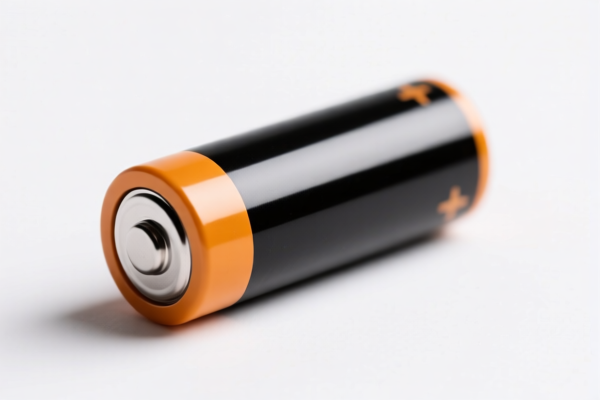
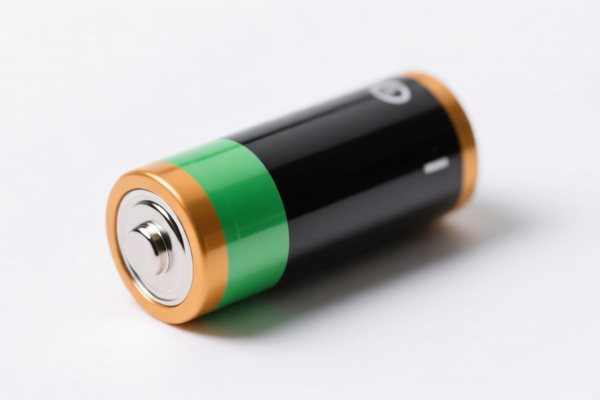
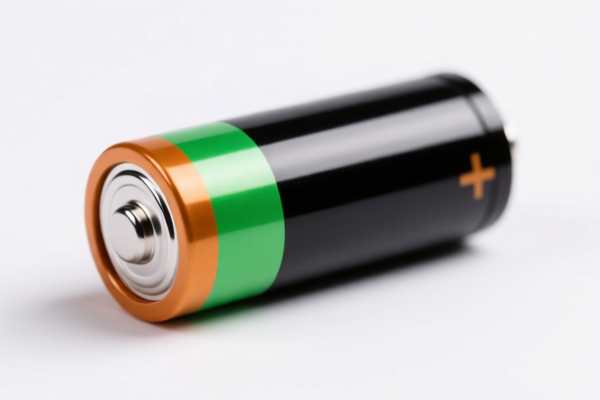
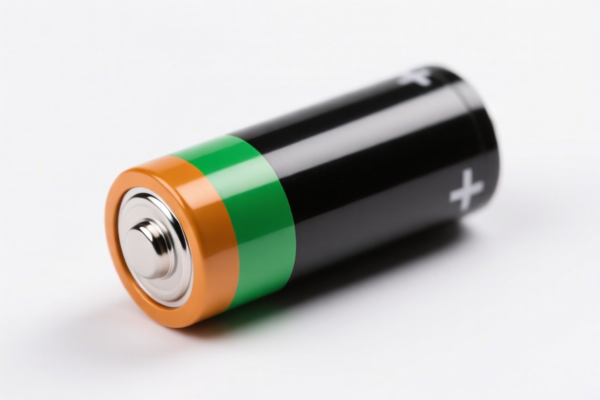
AI Analysis
🔋 Batteries for Vehicles & Electric Mobility
🌐 HS Code Reference & Customs Clearance Guide | 2026 Latest Tariff Analysis | Professional Clearance Strategy
📌 I. Product Definition & Classification: Do You Really Understand "Battery"?
In international trade, "Battery" is a broad term. For customs purposes, it is strictly differentiated by chemistry, application, and voltage/weight specifications. Misclassification leads to severe tariff discrepancies (from 20.9% to 38.5%).
1. Lead-Acid Batteries (Pb-Acid) * Starting Batteries: Used for internal combustion engines (ICE). High current, short duration. * Traction Batteries: Used for slow-moving vehicles like e-bikes or golf carts. Lower current, long duration.
2. Lithium-Ion Batteries (Li-Ion) * Primary Power Source: The main energy storage unit for electric vehicles (EVs) and e-bikes. * Characteristics: High energy density, lighter weight, complex management systems (BMS).
⚠️ Key Distinction Point: - If it is a Lead-Acid Battery for starting an engine →归入 8507.10 (Starting Battery). - If it is a Lead-Acid Battery for traction (e.g., e-bike) →归入 8507.20 (Traction Battery). - If it is a Lithium-Ion Battery for traction →归入 8507.60 (Other Accumulators). - If it is an E-bike battery treated as a vehicle part (non-standard classification risk) →归入 8714.99.
📦 II. HS Code Classification Details (2026 Latest Tariff Authority Comparison)
Based on the provided data context (US Imports from China), here is the precise breakdown:
| HS Code | Product Description | Application Scenario | Chemistry Type | Key Classification Feature |
|---|---|---|---|---|
8507.10.00.90 |
Electric Storage Batteries: Starting Batteries for Piston Internal-Combustion Engines | Car Starter Batteries (Lead-Acid) | Lead-Acid | Specifically for starting ICE vehicles. |
8507.10.00.60 |
Electric Storage Batteries: Starting Batteries for Piston Internal-Combustion Engines | Car Starter Batteries (12V/Weight Specific) | Lead-Acid | Specific weight/voltage specs for starting. |
8714.99.80.00 |
Parts and Accessories of Vehicles: Other | E-bike Battery (Classified as Part) | Any | Classified as a vehicle part/accessory, not a battery per se. |
8507.60.00.10 |
Electric Storage Batteries: Other: Other | E-bike/EV Battery (Lithium-Ion) | Lithium-Ion | Primary power source, distinct from starting batteries. |
8507.20.40.00 |
Electric Storage Batteries: Traction | E-bike Battery (Lead-Acid) | Lead-Acid | Traction battery, specifically Lead-Acid. |
🔍 Critical Reminder: - 8507.10 is for STARTING batteries (ICE cars). Do not confuse with traction batteries. - 8507.20 is for TRACTION batteries (Lead-Acid). - 8507.60 is for OTHER accumulators, primarily Lithium-Ion for traction/power. - 8714.99 is a parts classification. Using this for an e-bike battery is possible but may attract different tariff treatment than the battery-specific code. Note: In the provided data, this specific HS Code has a higher total tax (27.5%) compared to the lithium battery (20.9%), suggesting a potential tariff arbitrage or specific policy difference.
💰 III. 2026 Latest Tariff Rate Breakdown (Including Surcharges)
✅ Applicable Country: United States (US)
✅ Origin: China (CN)
✅ Effective Date: Current 2026 Tariff Structure
🎯 1. 8507.10.00.90 & 8507.10.00.60 —— Lead-Acid Starting Batteries
| Item | Content |
|---|---|
| Base Duty Rate | 3.5% (General Rate) |
| Section 301 Surcharge | +25.0% (USITC Footnote 9903.88.01) |
| Section 122 Duty | +10.0% (Bipartisan Policy on China) |
| Total Tax Rate | 38.5% |
| Tax Calculation | CIF Value × 38.5% |
| De Minimis Eligibility | ❌ Denied (Section 301 & 122 goods are excluded from de minimis) |
| Legal Basis | USITC:8507.10.00.90 → FOOTNOTE:9903.88.01 + Section 122 |
📌 Explanation:
- These are classic Lead-Acid Starter Batteries. - The 38.5% rate is composed of Base (3.5%) + 301 (25%) + 122 (10%). - High Risk: Lead-acid batteries are heavy and often subject to strict hazardous material regulations. The tariff impact is significant.
🎯 2. 8714.99.80.00 —— E-bike Battery (As Vehicle Part)
| Item | Content |
|---|---|
| Base Duty Rate | 10.0% |
| Section 301 Surcharge | +7.5% |
| Section 122 Duty | +10.0% |
| Total Tax Rate | 27.5% |
| Tax Calculation | CIF Value × 27.5% |
| De Minimis Eligibility | ❌ Denied (Section 301 goods excluded) |
| Legal Basis | USITC:8714.99.80.00 → FOOTNOTE:9903.88.01 + Section 122 |
📌 Explanation:
- This classification treats the battery as a part of the vehicle, not a standalone battery. - Surcharge Difference: The 301 surcharge is 7.5% instead of 25%. This is a crucial strategic point. - Why? Certain parts listed in Section 301 have different surcharge rates. Verify if the specific e-bike battery model qualifies for this lower surcharge under8714.99.80.00.
🎯 3. 8507.60.00.10 —— Lithium-Ion Battery (Traction/Power)
| Item | Content |
|---|---|
| Base Duty Rate | 3.4% |
| Section 301 Surcharge | +7.5% |
| Section 122 Duty | +10.0% |
| Total Tax Rate | 20.9% |
| Tax Calculation | CIF Value × 20.9% |
| De Minimis Eligibility | ❌ Denied (Section 301 goods excluded) |
| Legal Basis | USITC:8507.60.00.10 → FOOTNOTE:9903.88.01 + Section 122 |
📌 Explanation:
- This is the Lithium-Ion category for traction/power. - Lowest Total Rate: 20.9%. - Advantage: The base duty (3.4%) is lower than lead-acid, and the 301 surcharge is only 7.5%. - Strategic Tip: If you are shipping Li-Ion batteries, ensure they are declared as 8507.60 and not 8507.10 to benefit from the lower rate.
🎯 4. 8507.20.40.00 —— Lead-Acid Traction Battery
| Item | Content |
|---|---|
| Base Duty Rate | 3.5% |
| Section 301 Surcharge | +25.0% |
| Section 122 Duty | +10.0% |
| Total Tax Rate | 38.5% |
| Tax Calculation | CIF Value × 38.5% |
| De Minimis Eligibility | ❌ Denied |
| Legal Basis | USITC:8507.20.40.00 → FOOTNOTE:9903.88.01 + Section 122 |
📌 Explanation:
- Lead-acid batteries for traction (e.g., large e-bikes, forklifts) are hit with the highest surcharge (25%). - Avoid if possible: Compared to Li-Ion (20.9%) or E-bike Parts (27.5%), this is the most expensive classification.
🛠️ IV. Customs Clearance Practical Advice (Battle-Tested Pitfall Guide)
✅ 1. Required Documentation Checklist (No Exceptions)
| Document | Mandatory? | Description |
|---|---|---|
| ✅ Product Specification Sheet | ✔️ | Must include: Chemistry (Li-Ion vs. Pb-Acid), Voltage, Capacity (Ah), Weight, Application (Starter vs. Traction). |
| ✅ MSDS (Material Safety Data Sheet) | ✔️ | Critical for Lithium Batteries. Must comply with UN 38.3 standards. |
| ✅ UN 38.3 Test Report | ✔️ | Mandatory for all Lithium-Ion/Lithium Metal batteries. |
| ✅ Certificate of Compliance | ✔️ | FCC (for electronic parts), UL/CE safety standards. |
| ✅ Commercial Invoice | ✔️ | Clearly state "Lithium Ion Battery" or "Lead-Acid Battery" + HS Code. |
| ✅ Packing List | ✔️ | Detail net/gross weight. Batteries are heavy; weight affects freight and duty. |
| ✅ Airway Bill / Bill of Lading | ✔️ | Must include "Battery" label and UN number (e.g., UN 3480). |
✅ 2. Declaration Strategy (Key Mnemonics)
🔥 "Starter is 38.5%, Li-Ion is 20.9%, Parts are 27.5%, Lead-Traction is 38.5%!"
| Scenario | Correct HS Code | Risk/Error |
|---|---|---|
| Car Starter Battery (Lead-Acid) | 8507.10.00.90 / .60 |
Misdeclaring as "Part" can lead to audit. |
| E-bike Battery (Lithium) | 8507.60.00.10 |
Best Rate (20.9%). Ensure it's not declared as a "Part" if it's the primary power source. |
| E-bike Battery (Lead-Acid) | 8507.20.40.00 |
High Rate (38.5%). Consider if Li-Ion is a viable alternative for logistics. |
| E-bike Battery (Any, as Part) | 8714.99.80.00 |
Mid Rate (27.5%). Use if the battery is sold separately as a "replacement part" for the bike, not the main unit. |
| Generic "Battery" | ❌ Forbidden | Must specify chemistry and use case. Generic terms cause delays. |
✅ 3. Special Situation Handling
| Situation | Handling Advice |
|---|---|
| Hybrid Vehicles (EV + ICE) | Batteries for hybrid start-stop may still fall under 8507.10. Confirm with customs broker. |
| Battery Packs vs. Cells | Packed batteries (with BMS, casing) are classified under 8507. Raw cells might be different (8507.30), but not in the provided data. Stick to the provided codes. |
| Section 122 Impact | All items above include a 10% Section 122 duty. This is currently applied to many Chinese imports. Verify if any exemptions apply (e.g., specific product exclusions). |
| Hazardous Material (Hazmat) | Lithium batteries are Class 9 Hazmat. Ensure proper labeling (Lithium Battery Mark) on all packages. |
🌍 V. Global Main Market Clearance Comparison (2026 Latest)
| Country/Region | Recommended HS Code (Example) | Total Tariff (China Origin) | Certification Requirements | Notes |
|---|---|---|---|---|
| 🇺🇸 USA | 8507.60.00.10 (Li-Ion) |
20.9% | FCC, UN 38.3, DOT | High surcharges (301 + 122). |
| 🇺🇸 USA | 8507.10.00.90 (Lead-Acid) |
38.5% | FCC, UN 38.3 (if Li) | Lead-acid faces highest duty. |
| 🇨🇳 China | 8507.60.00.10 |
~3.4% (Import) | CCC (if applicable) | Export from China has no export duty for batteries usually. |
| 🇪🇺 EU | 8507.60.00 |
0% - 4% (Varies) | CE, UN 38.3, EU Battery Directive | No Section 301/122 equivalent, but strict environmental rules. |
📌 Conclusion:
- USA is the most expensive market due to Section 301 (25% or 7.5%) and Section 122 (10%). - Lithium-Ion (8507.60) is the most cost-effective classification (20.9%) compared to Lead-Acid (38.5%). - E-bike Parts (8714.99) offers a middle ground (27.5%) but requires careful classification as a "part" not a "battery."
📌 VI. Common Errors & Pitfall Guide (Blood & Tears Lessons)
❌ Error 1: Declaring "Lithium Battery" as "Lead-Acid Battery"
👉 Consequence: Underpayment. Customs will reclassify and charge 38.5% instead of 20.9%, plus penalties.
❌ Error 2: Missing UN 38.3 Test Report for Lithium Batteries
👉 Consequence: Seizure or Return by CBP. Lithium batteries are strictly regulated. No report = No clearance.
❌ Error 3: Using Generic Description "Battery"
👉 Consequence: Audits and Delays. Customs will ask for detailed specs, causing storage fees and demurrage.
❌ Error 4: Misclassifying Traction Battery as Starter Battery
👉 Consequence: Wrong Tariff. 8507.20 (38.5%) vs 8507.10 (38.5%) might seem similar, but legal descriptions differ. Accuracy is key for compliance.
✅ Correct Practice:
"Lithium Ion Battery Pack, 48V, 20Ah, for Electric Bicycle, UN 3480, DOT Compliant, Model XYZ"
🎯 VII. Conclusion: Professional Declaration, Cost Optimization
🎯 Remember the Mnemonic:
🔹 "Lead-Starter: 38.5%, Li-Traction: 20.9%, E-bike Part: 27.5%, Lead-Traction: 38.5%!"
🔹 "Chemistry Matters, Application Defines, Surcharges Destroy Margins!"
📌 Pro Tip:
If your batteries are shipped as parts of a complete vehicle, consider the 8714.99.80.00 classification (27.5%) if legally applicable, as it has a lower 301 surcharge (7.5%) compared to standalone lead-acid batteries (25%). However, for standalone Li-Ion batteries, 8507.60 (20.9%) remains the best option.
📣 Immediate Action:
📞 Contact your Customs Broker + Provide UN 38.3 Report + Verify HS Code Pre-Ruling
🚀 Ensure your batteries clear customs smoothly, comply with 301/122 duties, and maximize profit margins!
✨ Professional Clearance Starts with Accurate Classification!
💼 Every Percent of Duty Saved is Pure Profit!
Customer Reviews
About HS Code Classification
The Harmonized System (HS) is an internationally standardized nomenclature developed by the World Customs Organization (WCO) to classify traded products. Over 200 countries use the HS system as the basis for customs tariffs, trade statistics, and import/export regulations.
Each HS code follows a hierarchical structure:
- Chapter (2 digits) — Broad category of goods (e.g., Chapter 84: Machinery and Mechanical Appliances)
- Heading (4 digits) — More specific grouping within the chapter
- Subheading (6 digits) — Internationally standardized breakdown, used by all WCO member countries
- National subdivisions (8-10 digits) — Country-specific extensions for further classification, such as US HTSUS 10-digit codes
Correct HS code classification is essential for smooth customs clearance, accurate duty payment, and compliance with trade regulations. Misclassification can lead to customs delays, overpayment of duties, or penalties.
When importing from CN to US, the applicable tariff rates may include:
- Most-Favored-Nation (MFN) rate — The standard duty rate applied to WTO members
- General rate — Applied to countries without trade agreements
- Trade remedy duties — Additional tariffs such as Section 301 (anti-dumping), Section 232 (national security), or countervailing duties
The information provided on this page is for reference purposes only. For official classification, please consult with your local customs authority or a licensed customs broker.